

On a rain-soaked evening in August 1879, the small village of Knock in County Mayo, Ireland, became the site of one of the most unique Marian apparitions in Catholic history. Unlike other famous apparitions where the Blessed Mother spoke messages of conversion or warning, the apparition of Our Lady of Knock was entirely silent. This profound quietness, however, spoke volumes to a nation suffering through devastating poverty and famine. The event would transform a humble Irish parish into an international pilgrimage destination, offering hope and healing to millions of faithful Catholics across generations.
The Historical Context of 1879 Ireland
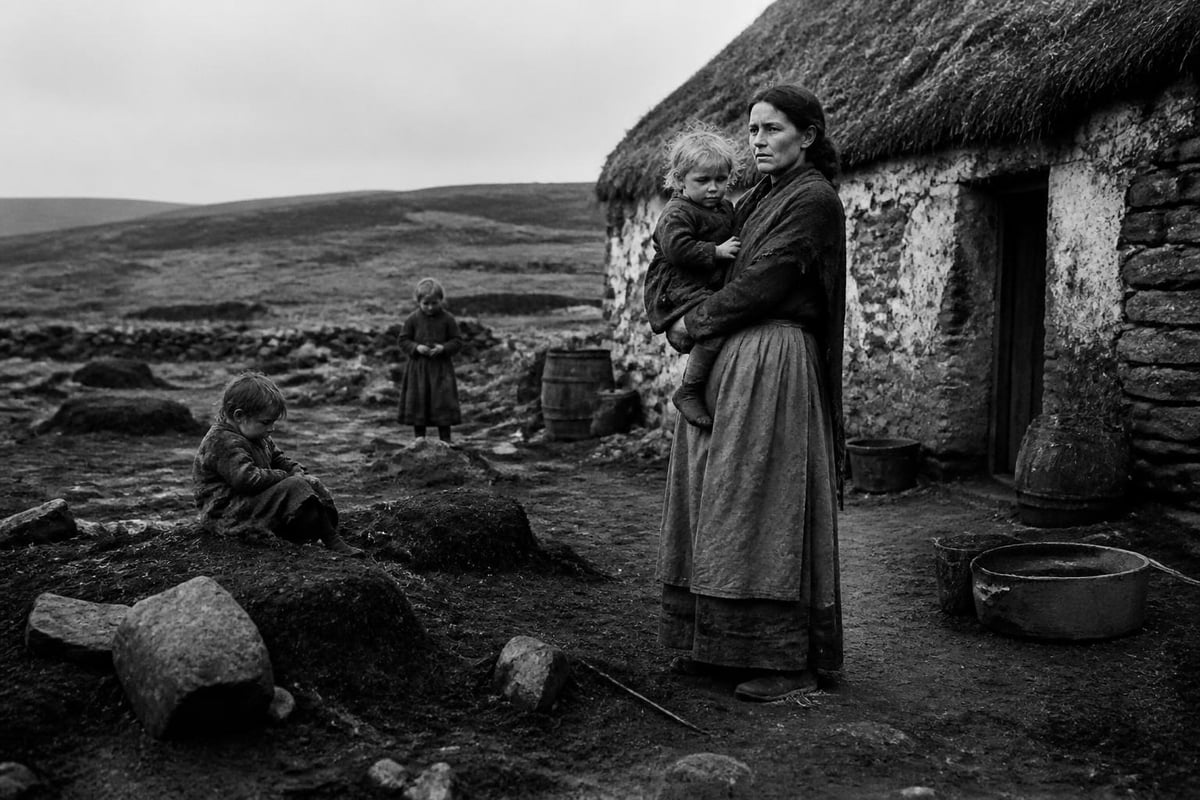
Ireland in 1879 faced severe economic and social hardship. The nation was still reeling from the effects of the Great Famine that had devastated the population decades earlier, and a new agricultural crisis threatened widespread starvation once again. Tenant farmers struggled under oppressive landlord systems, and many Irish Catholics faced discrimination and poverty. In this context of suffering, the apparition of Our Lady of Knock would arrive as a beacon of divine consolation.
The village of Knock itself was unremarkable, a small rural community where most residents worked the land and attended the local parish church dedicated to Saint John the Baptist. The church stood as the spiritual center of the community, where families gathered for Mass and sought solace during difficult times.
The Evening of August 21, 1879
Brought to you by Journeys of Faith founded by Bob and Penny Lord - We are an Augustinian Secular Institute - Cyber Apostles - Our Mission is Evangelization through Media.
The apparition of Our Lady of Knock occurred at approximately 8:00 PM on Thursday, August 21, 1879. The weather was typical for an Irish summer evening: damp, overcast, with intermittent rain showers. Mary McLoughlin, the housekeeper for the parish priest Archdeacon Cavanagh, was the first to notice something extraordinary at the south gable of the church.
The Initial Witnesses
As Mary McLoughlin walked past the church, she observed what she initially thought were replacement statues positioned against the external wall. She mentioned this casually to another woman but did not investigate further. It was only when she returned an hour later with Mary Beirne that the true nature of what she had seen became apparent. What they witnessed was not statuary but a luminous, three-dimensional vision.
The two women immediately called others from the village. Within minutes, fifteen witnesses of varying ages gathered at the church gable. The group included:
- Children as young as five years old
- Teenagers and young adults
- Middle-aged parishioners
- Elderly residents of the village
This diverse group of witnesses would prove crucial to the credibility of the event. Their testimonies, given both immediately after the apparition and decades later, remained remarkably consistent.
The Vision Described
The detailed account of the apparition reveals three primary figures surrounded by brilliant light. The witnesses described the vision as appearing approximately two feet above the ground, with the figures life-sized and extraordinarily luminous despite the darkness and rain.
The Three Figures
| Figure | Description | Symbolic Significance |
|---|---|---|
| Our Lady | Wearing white robes and a brilliant crown, hands raised in prayer, eyes lifted toward heaven | Queen of Heaven, Mother of Sorrows, intercessor for humanity |
| Saint Joseph | Standing to Mary's left, slightly inclined toward her in reverence, dressed in white vestments | Protector of the Holy Family, patron of workers and the dying |
| Saint John the Evangelist | Positioned to Mary's right, dressed as a bishop, holding an open book in his left hand | The beloved disciple, symbol of the Church and the Gospel |
The Altar and the Lamb
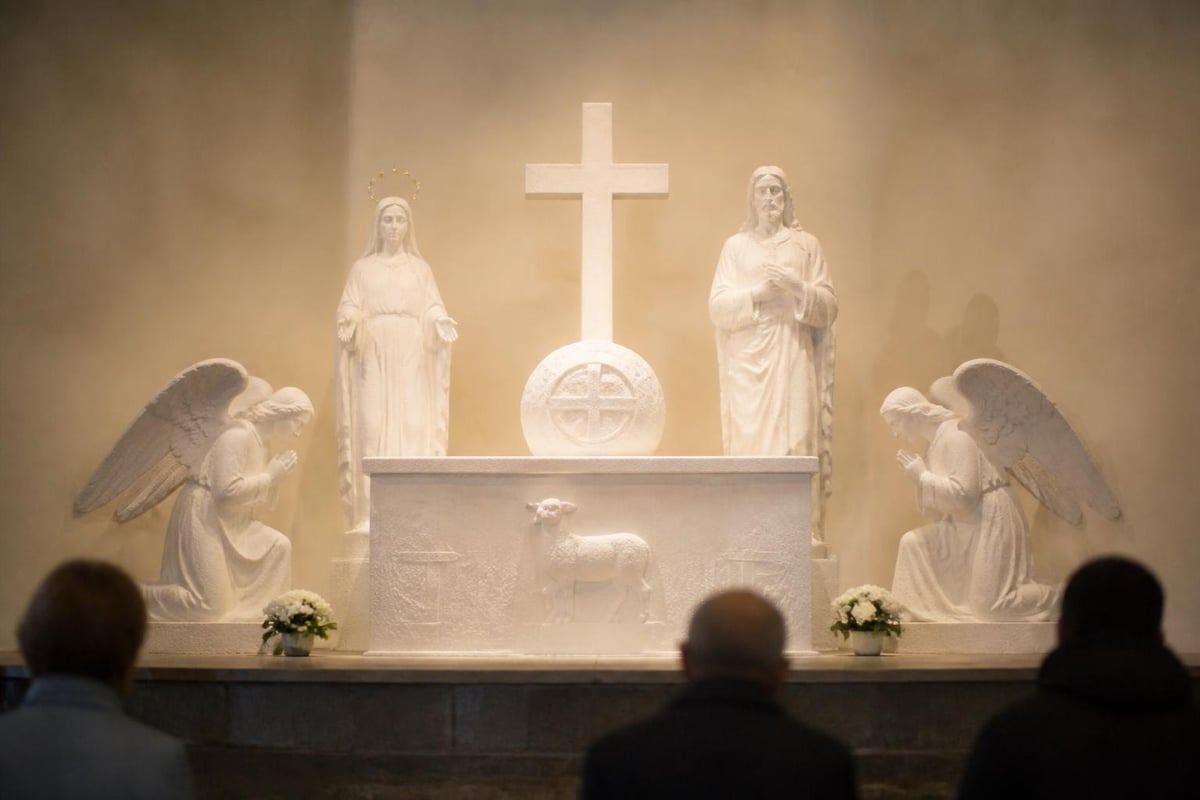
To the left of Saint John the Evangelist stood a simple altar. Upon this altar rested a cross and a lamb, with the lamb facing the cross. Angels hovered around the lamb in worship. This powerful imagery connected directly to the Book of Revelation and the sacrificial nature of the Eucharist.
The symbolism was unmistakable to the Catholic witnesses. The lamb represented Christ, the Lamb of God who takes away the sins of the world. The altar signified the sacrifice of the Mass. The angels in adoration demonstrated proper reverence for the Real Presence of Christ in the Eucharist.
Witness Testimonies and Investigations
The witnesses stood in the pouring rain for approximately two hours, reciting the Rosary and other prayers. Remarkably, while rain fell heavily around them, the area of the apparition remained dry. The ground beneath the figures showed no moisture, and the witnesses standing closest to the vision reported feeling warmth despite the cold, wet weather.
Official Church Investigations
The Catholic Church initiated formal investigations into the apparition of Our Lady of Knock almost immediately. A commission of inquiry was established within weeks of the event, led by experienced Church officials who interviewed the witnesses separately and thoroughly.
Key findings from the investigations included:
- Consistency across all witness testimonies regarding what was seen
- No evidence of fraud, hoax, or deliberate deception
- Witnesses maintained their accounts throughout their entire lives
- Medical examinations confirmed the witnesses were of sound mind
- No financial motivation or personal gain was evident
The Church's approach was methodical and skeptical, as required by Canon Law. Investigators sought contradictions, examined the witnesses' character, and looked for any rational explanation for what had been reported. The consistency and credibility of the testimonies, combined with the subsequent miraculous cures reported at the site, led to official Church approval.
The Silent Message
The unique aspect of the Knock apparition being entirely silent distinguishes it from other major Marian apparitions. At Lourdes, Mary spoke to Bernadette. At Fatima, she delivered messages and prophecies. At Guadalupe, she conversed with Juan Diego. But at Knock, no words were exchanged.
This silence, however, communicated profound theological truths. The positioning of the figures, the presence of the Eucharistic symbols, and the prayerful stance of Mary all conveyed a message without words:
Theological Interpretations
The Primacy of the Eucharist: The central placement of the altar, lamb, and cross emphasized Christ's sacrifice and Real Presence in the Blessed Sacrament. This visual catechesis taught that the Mass is the source and summit of Catholic faith.
Mary's Role as Intercessor: Our Lady's prayerful posture, with hands raised and eyes toward heaven, demonstrated her constant intercession for humanity. She pointed not to herself but to her Son.
The Communion of Saints: The presence of Saint Joseph and Saint John the Evangelist alongside Mary illustrated the reality of the communion of saints, showing that the faithful departed remain active participants in God's plan for salvation.
Hope in Suffering: For a nation experiencing tremendous hardship, the apparition offered consolation without platitudes. The silent presence of heaven among the suffering Irish people communicated divine solidarity with human pain.
Miraculous Healings and Conversions
Within months of the apparition of Our Lady of Knock, reports of miraculous healings began to emerge. Pilgrims who visited the site and prayed at the church gable experienced physical and spiritual healing. The Church documented numerous cases that defied medical explanation.
Notable Documented Healings
-
Physical Cures: Individuals with chronic illnesses, mobility impairments, and terminal conditions reported sudden recoveries after visiting Knock and praying for Our Lady's intercession.
-
Spiritual Conversions: Lapsed Catholics returned to the practice of their faith. Non-Catholics were moved to explore Catholic teaching. Families reconciled after years of division.
-
Psychological Peace: Those suffering from depression, anxiety, and trauma reported profound interior peace after pilgrimage to Knock.
The Catholic Church established a medical bureau to investigate healing claims, similar to the bureau at Lourdes. Medical professionals examined evidence, reviewed patient histories, and applied rigorous scientific standards before declaring any cure as medically inexplicable.
For those seeking to deepen their understanding of Marian devotion and the role of the saints in Catholic faith, exploring the lives and testimonies of canonized saints provides valuable spiritual insight and inspiration.
The Development of Knock as a Pilgrimage Site
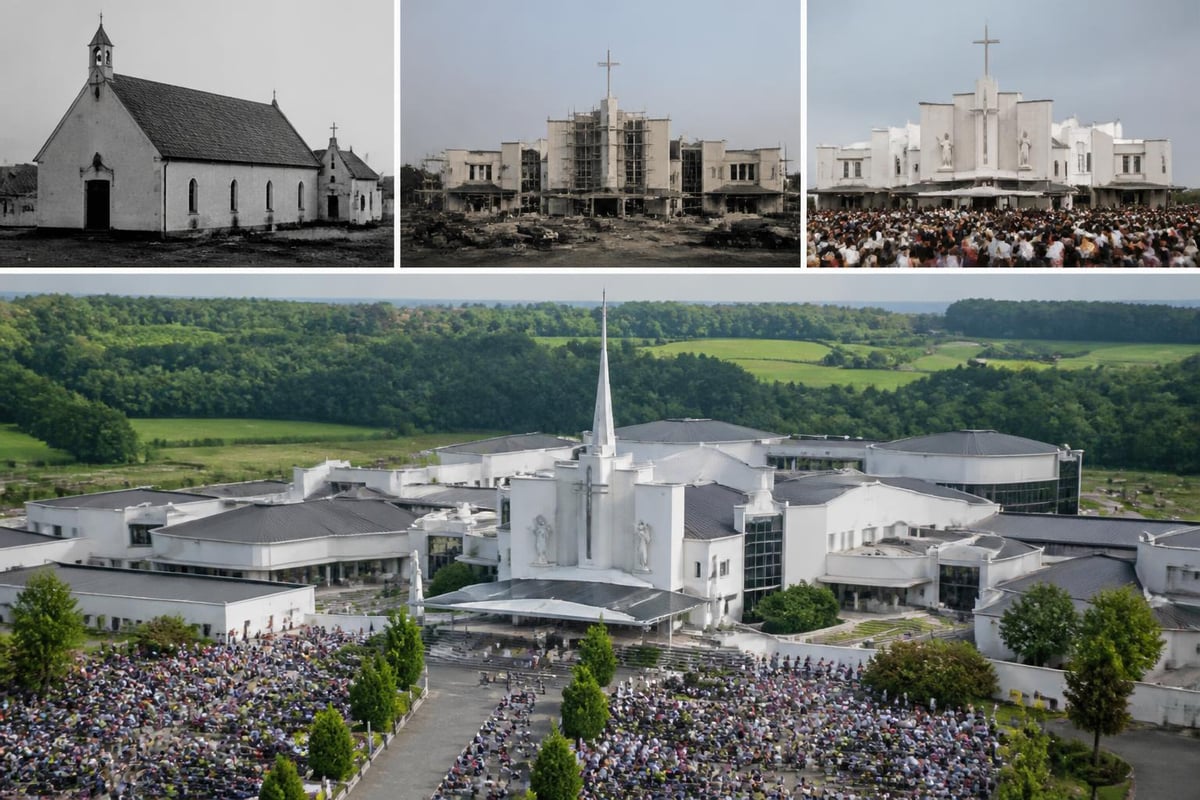
The small village church rapidly became one of Ireland's most important pilgrimage destinations. The significance of Knock in Irish Catholic tradition grew exponentially over the following decades.
Infrastructure and Growth
| Period | Development | Impact |
|---|---|---|
| 1880-1900 | Initial chapel improvements, first pilgrimage groups | Regional recognition, hundreds of pilgrims monthly |
| 1900-1950 | Construction of larger church facilities, establishment of shrine office | National prominence, thousands of annual pilgrims |
| 1950-1979 | Major basilica construction, improved transportation access | International destination, hundreds of thousands annually |
| 1979-Present | Papal visit, modern visitor center, international airport | Worldwide recognition, millions of pilgrims total |
The development was intentional and carefully managed by Church authorities who wanted to preserve the sacred nature of the site while accommodating growing numbers of pilgrims. Today, Knock Shrine welcomes approximately 1.5 million visitors annually from across the globe.
Papal Recognition and Visits
The universal Church's recognition of the apparition of Our Lady of Knock reached its zenith when Pope John Paul II visited the shrine on September 30, 1979, exactly one hundred years after the apparition. His visit coincided with the centenary celebrations and brought international attention to this uniquely Irish Marian shrine.
Pope John Paul II's words at Knock emphasized the Eucharistic dimension of the apparition. He noted that the vision of the altar and lamb called Catholics to deeper reverence for the Mass and stronger faith in Christ's Real Presence in the Blessed Sacrament. His homily connected the suffering of the Irish people in 1879 to the redemptive suffering of Christ on the cross.
Subsequent popes have also recognized Knock's importance. Pope Francis granted the shrine special jubilee privileges, allowing pilgrims to gain plenary indulgences under the usual conditions. The shrine holds a particular place in the Holy Father's heart as a witness to Marian devotion and Eucharistic faith.
The Feast Day and Liturgical Recognition
The Catholic Church celebrates the feast of Our Lady of Knock on August 21, commemorating the anniversary of the apparition. The annual feast day holds special importance in Irish Catholic communities worldwide, not just in Ireland itself.
Liturgical Celebrations
Dioceses with significant Irish populations often celebrate special Masses on this feast day. The liturgy for Our Lady of Knock emphasizes themes of:
- Faith in times of trial
- Eucharistic devotion
- Mary's maternal intercession
- Hope for healing and renewal
Many parishes incorporate Irish hymns and prayers into the celebration, including the beloved "Lady of Knock" hymn that has become synonymous with the shrine. The feast provides an opportunity for Catholics of Irish heritage to connect with their spiritual roots and renew their commitment to the faith preserved through centuries of persecution and hardship.
Contemporary Relevance and Spiritual Lessons
Nearly 150 years after the original apparition, the apparition of Our Lady of Knock continues to offer relevant spiritual lessons for contemporary Catholics. The message of hope delivered to suffering Ireland resonates with modern believers facing different but equally challenging circumstances.
Lessons for Modern Catholics
Eucharistic Centrality: In an age of declining Mass attendance and Eucharistic faith, Knock's emphasis on the altar and the Lamb reminds Catholics that the Eucharist must remain at the center of spiritual life. The vision calls believers to renewed appreciation for the Real Presence and more faithful participation in Sunday Mass.
Silent Prayer: The wordless nature of the apparition teaches the value of contemplative prayer and silent adoration. In a world of constant noise and distraction, the Knock apparition invites Catholics to encounter God in stillness.
Perseverance in Suffering: The context of the apparition during Ireland's darkest hours demonstrates that God does not abandon His people in times of trial. Divine presence sustains the faithful even when circumstances seem hopeless.
Mary's Example: Our Lady's prayerful posture models proper relationship with God, characterized by humility, trust, and constant intercession for others.
Those seeking tangible reminders of Marian devotion often find comfort in traditional Catholic devotional items. Rosaries and Miraculous Medals serve as powerful tools for prayer and meditation, connecting contemporary Catholics with centuries of faithful tradition.
The Knock Novena and Popular Devotions
Numerous devotional practices have developed around the apparition of Our Lady of Knock. The Knock Novena, prayed over nine consecutive days, asks for Our Lady's intercession for specific intentions. Pilgrims often pray this novena before visiting the shrine or when facing particular challenges.
Structure of Knock Devotions
Daily prayers typically include:
- Opening prayers invoking the Holy Spirit
- Meditation on the apparition and its meaning
- Recitation of specific prayers to Our Lady of Knock
- Rosary prayers, particularly the Glorious Mysteries
- Prayers to Saint Joseph and Saint John the Evangelist
- Closing petitions for personal intentions
Many Catholics maintain permanent prayer intentions at the Knock Shrine, where priests and religious offer daily Masses for the needs of pilgrims worldwide. The shrine operates a prayer request system that allows individuals to submit intentions online, ensuring their needs are remembered at this sacred site.
Theological Significance and Church Teaching
The theological dimensions of the Knock apparition extend beyond the immediate historical event to touch upon core Catholic doctrines. The vision served as a visual catechism, teaching profound truths through symbolic imagery.
Doctrinal Themes
Ecclesiology: The presence of the altar and the representation of the Church through the figures of Mary, Joseph, and John demonstrated the nature of the Church as the mystical body of Christ. The apparition showed the Church in its fullest reality, encompassing heaven and earth.
Mariology: Our Lady's appearance crowned and in glory affirmed Catholic teaching about her Assumption and Coronation as Queen of Heaven. Yet her prayerful stance emphasized her role as advocate and intercessor rather than independent source of grace.
Sacramental Theology: The Eucharistic imagery at the center of the vision reinforced Catholic teaching on the Real Presence and the sacrificial nature of the Mass. The lamb and altar configuration taught that every Mass makes present the once-for-all sacrifice of Calvary.
Eschatology: The apocalyptic imagery borrowed from the Book of Revelation pointed toward the ultimate fulfillment of God's plan in the new heaven and new earth. The vision offered a glimpse of eternal worship in the presence of the Lamb.
Global Impact and Cultural Influence
The influence of the apparition of Our Lady of Knock extends far beyond Ireland's borders. Irish missionaries and emigrants carried devotion to Our Lady of Knock throughout the world, establishing churches, shrines, and devotional societies on every continent.
International Knock Devotion
North America: Numerous parishes in the United States and Canada bear the name "Our Lady of Knock." Irish-American communities maintain strong connections to the shrine and organize annual pilgrimage groups.
Australia: Large Irish diaspora populations in Australia have established Knock devotions and built replica grottos at several Catholic institutions.
Europe: Beyond Ireland, devotion to Our Lady of Knock has spread throughout the United Kingdom, and pilgrimage groups from mainland Europe regularly visit the shrine.
Africa and Asia: Irish missionary priests and religious sisters introduced Knock devotion to mission territories, where it has taken root among local Catholic communities.
The apparition's message of suffering met with divine compassion resonates universally, transcending cultural boundaries and speaking to fundamental human experiences of pain, hope, and faith.
Resources for Deepening Knock Devotion
Catholics seeking to strengthen their connection to the apparition of Our Lady of Knock have numerous resources available. The official Knock Shrine website maintains extensive historical archives, virtual tours, and live-streamed Masses. Academic studies examining the apparition from historical, theological, and cultural perspectives continue to be published.
Devotional materials including prayer cards, novena booklets, and medals are widely available through Catholic retailers and directly from the shrine. Many families incorporate Knock prayers into their daily devotional life, teaching children about this important Marian apparition and its significance for Catholic faith.
Journeys of Faith offers extensive resources for those exploring Marian devotion and the lives of the saints, helping Catholics deepen their understanding and practice of the faith through various media formats including books, videos, and audio resources.
The apparition of Our Lady of Knock stands as a powerful testament to divine presence in human suffering and the centrality of the Eucharist in Catholic faith. This silent vision continues to draw millions of pilgrims who seek healing, hope, and renewal through Mary's intercession.
Journeys of Faith can help you explore the rich heritage of Marian apparitions and deepen your understanding of Catholic tradition through comprehensive resources including books, videos, and devotional materials. Visit Journeys of Faith to discover tools for evangelization and spiritual growth that bring the beauty of Catholic teaching to life.
Resources:
-
Explore Journeys of Faith Online store with thousands of Catholic items at https://journeysoffaith.com/collections
-
Our Unique Mega Search Engine https://journeysoffaith.com/search is linked to hundreds of Catholic shops and stores
-
Get the Journeys of Faith NEW App for iPhone or Android - Search for Journeys of Faith or go to https://journeysoffaith.com/pages/download-our-app
-
Chat with us anytime https://chatting.page/mjxs9aerrtgm3lmpndlcepmbyosntrjn
-
We need your help to reach more souls. Please Make a Donation https://journeysoffaith.com/pages/donate
