

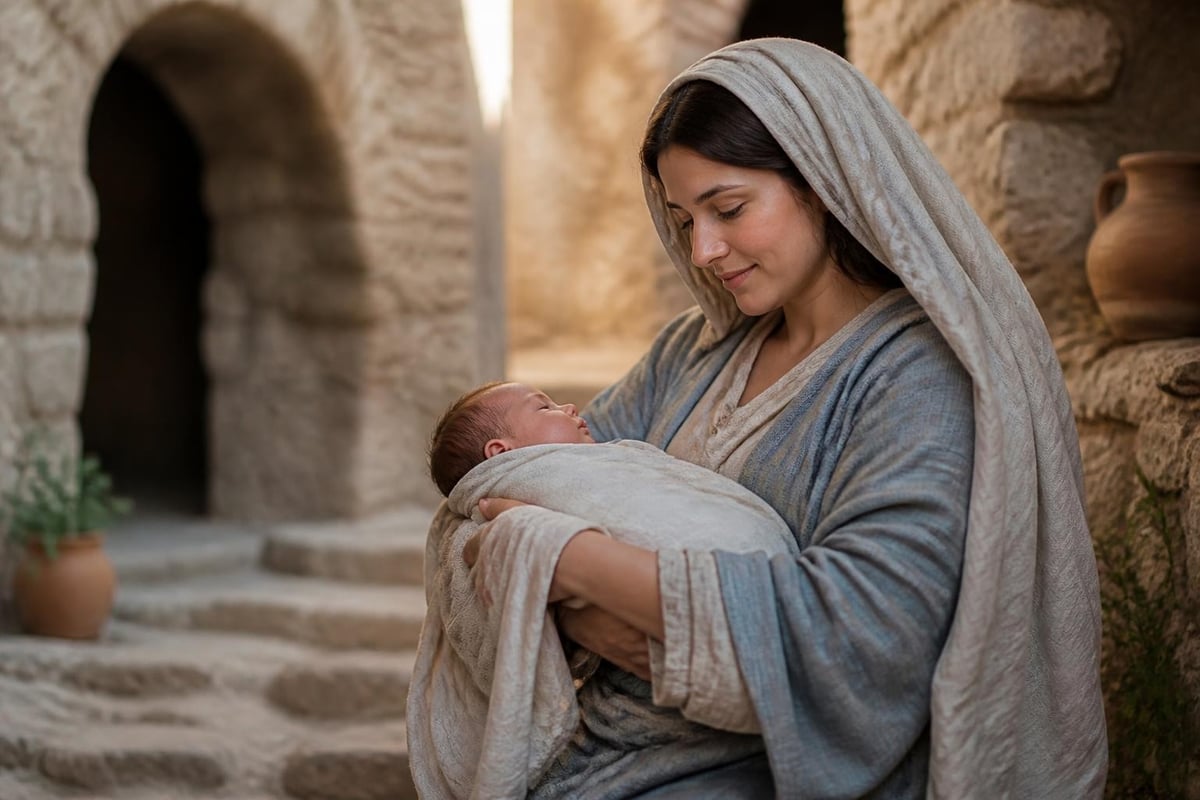
The birth of Mary holds a profound place in Catholic tradition, marking the beginning of salvation history's most pivotal human life. While the canonical Gospels remain silent about the circumstances surrounding Mary's nativity, the Church has celebrated this event for over fifteen centuries, recognizing September 8 as the Feast of the Nativity of the Blessed Virgin Mary. This celebration honors the woman chosen to become the Mother of God, whose own entrance into the world prepared the way for Christ's Incarnation.
Historical Foundations of the Birth of Mary
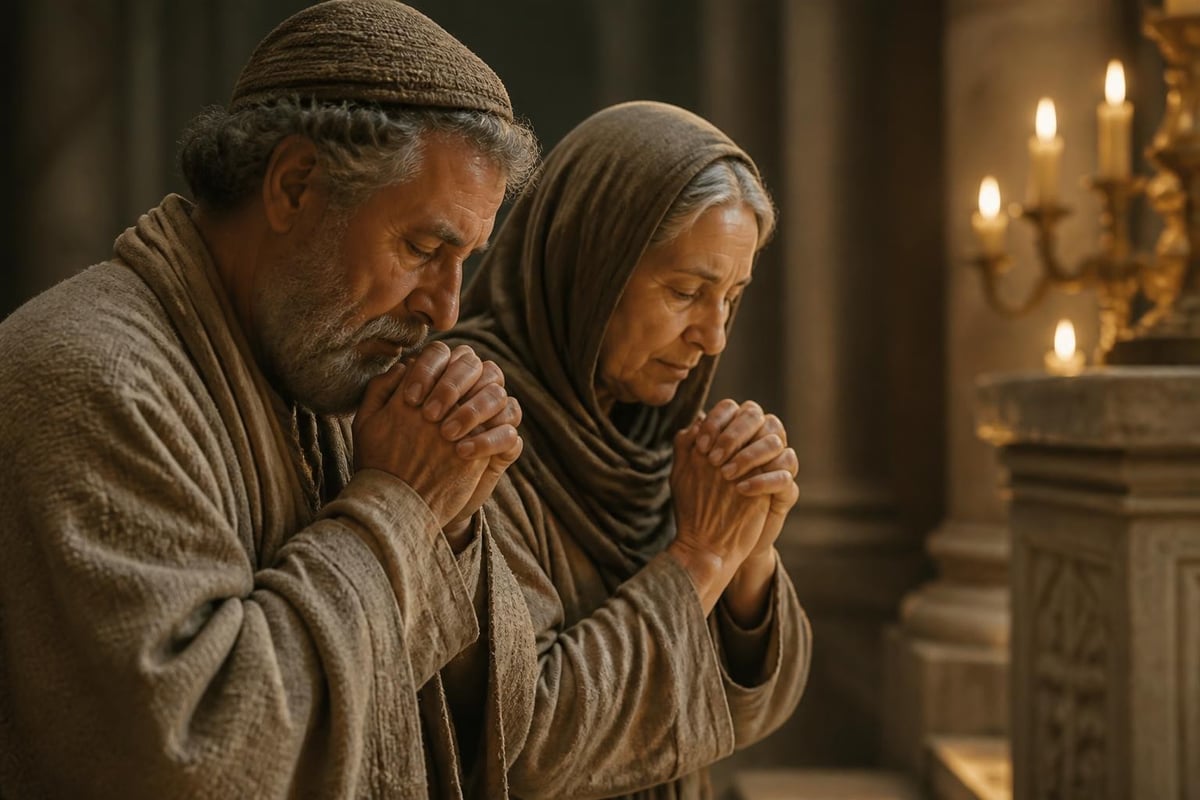
The birth of Mary is primarily known through apocryphal sources, particularly the Protevangelium of James, a second-century text that provides detailed narratives about Mary's parents and early life. According to this ancient tradition, Joachim and Anne were a devout, elderly couple living in Jerusalem who had remained childless for many years. Their barrenness was considered a sign of divine disfavor in Jewish society, causing them profound sorrow and social stigma.
The narrative describes Joachim retreating to the wilderness to fast and pray for forty days after being rejected from offering his sacrifice at the Temple due to his childlessness. Meanwhile, Anne remained at home, lamenting her inability to conceive. According to the Protevangelium of James, an angel appeared to both Joachim and Anne separately, announcing that their prayers had been heard and Anne would conceive a daughter who would be renowned throughout the world.
The Significance of Miraculous Conception
The miraculous nature of Mary's conception to elderly, childless parents parallels other significant biblical births. Hannah's conception of Samuel, Sarah's bearing of Isaac, and Elizabeth's pregnancy with John the Baptist all demonstrate God's intervention in salvation history. This pattern emphasizes divine providence and preparation for sacred purposes.
The birth of Mary represented a new dawn for humanity. Where Eve brought sin into the world, Mary would become the New Eve, whose "yes" to God would reverse the curse of disobedience. Her arrival marked the culmination of centuries of waiting for the fulfillment of messianic prophecy.
Liturgical Celebration and Feast Day
The Feast of the Nativity of the Blessed Virgin Mary has been celebrated on September 8 since at least the sixth century in the Eastern Church and the seventh century in Rome. The Vatican News liturgical calendar confirms this date as one of the oldest Marian feasts in the Church's calendar, second only to the Solemnity of Mary, Mother of God on January 1.
Brought to you by Journeys of Faith, founded by Bob and Penny Lord. We are an Augustinian Secular Institute-Cyber Apostles. Our Mission is Evangelization through Media.
The liturgical texts for this feast emphasize Mary's unique role in salvation. The entrance antiphon proclaims her birth as bringing joy to the whole world, while the readings trace the lineage and promise that led to her nativity. The Orthodox Church in America observes this feast with particular solemnity, calling it the Nativity of the Theotokos and beginning the liturgical year with this celebration.
Regional Celebrations and Cultural Expressions
Different cultures have developed unique traditions surrounding the birth of Mary:
- Malta celebrates the feast as a public holiday with elaborate processions and fireworks
- Spain and Latin America hold special novenas in the nine days leading to September 8
- India includes traditional Indian music and customs in liturgical celebrations
- The Philippines observes the feast with masses, processions, and community gatherings
Many parishes organize special devotions, including novenas beginning on August 30 and concluding on September 8. These nine days of prayer mirror the nine months Mary carried Christ and reflect the Church's deep devotion to the Mother of God.
Theological Meaning of Mary's Birth
The birth of Mary carries profound theological significance that extends beyond historical commemoration. Her nativity represents the beginning of the New Covenant, the moment when God began preparing the living tabernacle that would contain the Word made flesh. The Catholic Encyclopedia entry on the Blessed Virgin Mary provides extensive documentation of patristic writings that emphasize Mary's predestination from eternity.
| Theological Aspect | Significance | Biblical Connection |
|---|---|---|
| Immaculate Conception | Born without original sin | Genesis 3:15 |
| New Eve | Reverses Eve's disobedience | Romans 5:12-21 |
| Ark of the Covenant | Vessel of God's presence | Exodus 25:8-22 |
| Daughter of Zion | Fulfillment of Israel's hope | Zephaniah 3:14-17 |
Mary's Predestination and Divine Plan
From the moment of her conception, Mary was preserved from original sin through the merits of Christ's future redemption. This singular grace, defined as the Immaculate Conception, made her birth uniquely pure and holy. The birth of Mary therefore represents not merely a natural human event but a supernatural intervention preparing for the Incarnation.
Saint Augustine wrote that Mary was given the grace to be the Mother of God from the first moment of her existence. Her freedom from sin's stain meant that when the Word became flesh in her womb, the divine nature united to a human nature in a pure, spotless vessel. This theological reality transforms our understanding of the birth of Mary from a simple birthday celebration to a recognition of God's meticulous preparation for our salvation.
Scriptural Foundations and Typology
While the canonical Gospels do not describe the birth of Mary, Scripture provides rich typological foundations that illuminate her role. The genealogies in Matthew and Luke trace Jesus' lineage, implicitly including Mary in salvation history's unfolding narrative. These genealogies demonstrate God's careful orchestration across generations.
Old Testament Prefigurations
Several Old Testament women prefigure aspects of Mary's mission:
- Miriam led Israel in worship and pointed to future deliverance
- Deborah served as a mother in Israel during crisis
- Judith demonstrated courage and brought salvation to her people
- Esther interceded for her nation before the king
- Ruth showed faithfulness that led to Davidic lineage
Each of these women prepared the way for understanding Mary's unique vocation. The birth of Mary brought these separate streams of feminine faithfulness into perfect fulfillment. She would become mother, intercessor, deliverer, and faithful servant in ways that transcended and completed these earlier examples.
Parents of Mary: Joachim and Anne
Catholic tradition honors Saints Joachim and Anne as the parents of the Blessed Virgin Mary. Their feast day is celebrated on July 26, and they are recognized as the grandparents of Jesus Christ. The faithful regard them as patron saints of grandparents, married couples, and those struggling with infertility.
According to apocryphal accounts, Joachim was a wealthy shepherd from Nazareth, descended from the royal line of David through Nathan. Anne was the daughter of Achar, from the priestly tribe of Levi through Aaron. Their marriage united the royal and priestly lineages, making Mary-and eventually Jesus-heir to both kingly and priestly traditions.
The Witness of Faithfulness
The example of Joachim and Anne teaches profound lessons about patience, prayer, and trust in divine providence. They endured years of childlessness without losing faith, continuing to serve God despite their sorrow. When God finally answered their prayers through the birth of Mary, they demonstrated gratitude by dedicating their daughter to Temple service at age three, according to tradition.
Their willingness to surrender their long-awaited child to God's service reveals extraordinary faith. They recognized that Mary belonged first to God, and they raised her with reverence, teaching her Scripture and preparing her for her unique vocation. The home they provided formed the future Mother of God in virtue, prayer, and devotion.
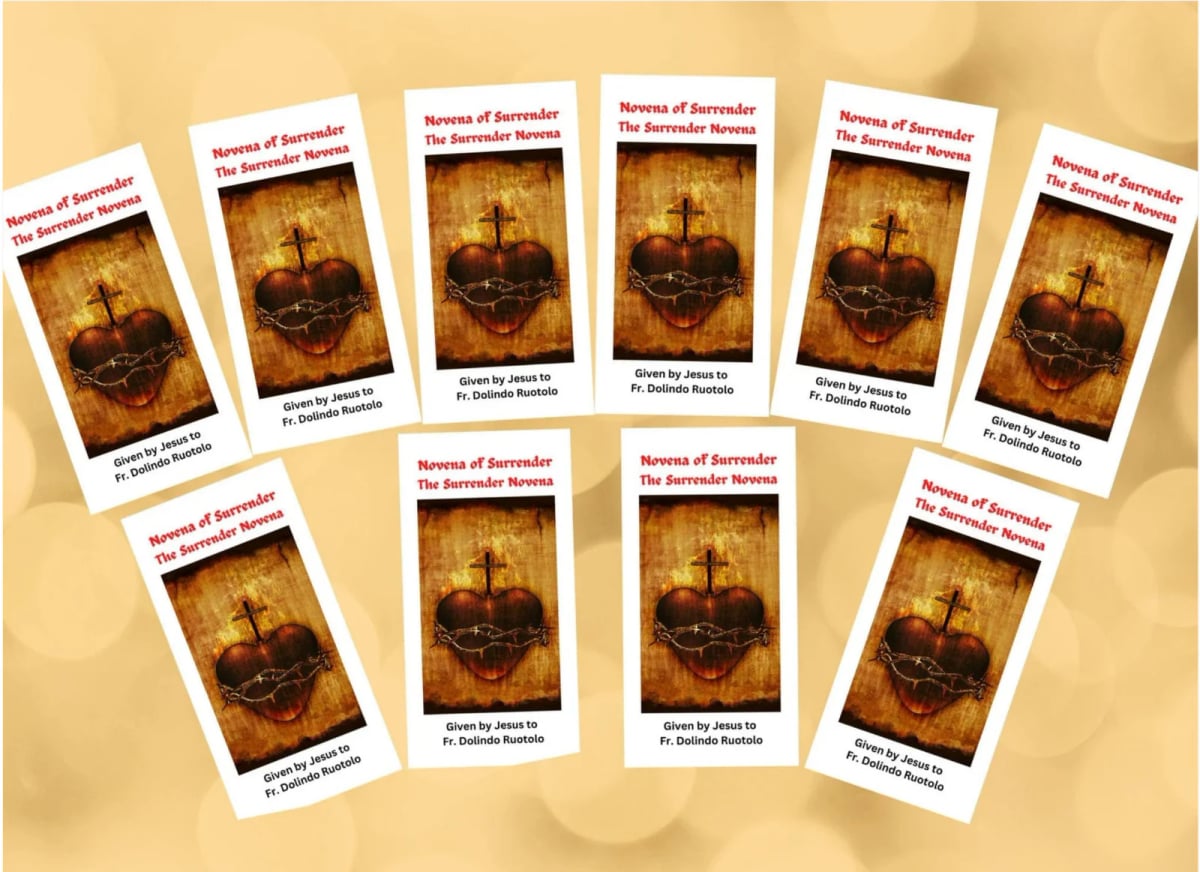
For those seeking to deepen their prayer life and surrender to God's will, resources like the Surrender Novena Packages offer practical tools for developing trust in divine providence, following the example of Joachim and Anne who surrendered completely to God's plan for their daughter.
The Birth of Mary in Art and Devotion
Throughout Church history, the birth of Mary has inspired countless artistic representations. Medieval and Renaissance artists depicted scenes of Anne reclining in childbed, surrounded by midwives and attendants, with the infant Mary receiving her first bath. These artistic traditions communicate theological truths through visual imagery.
Byzantine iconography presents the Nativity of the Theotokos with rich symbolism:
- Anne reclines on a ceremonial bed, indicating the sacredness of the event
- Joachim stands nearby, representing paternal protection and joy
- Angels attend the birth, signifying divine presence
- Midwives bathe the infant Mary, symbolizing her purity
Western sacred art often includes additional elements such as angels announcing the birth to shepherds or depicting Joachim and Anne's earlier prayers for a child. These artistic choices emphasize the birth of Mary as an event of cosmic significance, not merely a private family matter.
Spiritual Lessons from Mary's Nativity
The celebration of the birth of Mary offers multiple spiritual insights for contemporary believers. First, it reminds us that God works through ordinary human lives to accomplish extraordinary purposes. Joachim and Anne were not kings or prophets, but faithful servants who raised their daughter in love and devotion.
| Spiritual Lesson | Application | Practical Expression |
|---|---|---|
| Divine Timing | Trust God's plan even in waiting | Patient prayer during trials |
| Humble Cooperation | Say "yes" to God's call | Daily fidelity to vocation |
| Preparation | Cultivate virtue constantly | Regular spiritual practices |
| Surrender | Release control to divine will | Trust in difficult circumstances |
Growing in Marian Devotion
Honoring the birth of Mary naturally leads to deeper Marian devotion. Catholics can observe September 8 through various practices including attending Mass, praying the Rosary with special intention, reading about Mary's life, and reflecting on her role in salvation. The novena preceding the feast provides structured daily prayer that builds anticipation and devotion.
Many Catholics also choose to renew their Marian consecration on this feast day, recognizing that just as God prepared Mary from her birth for her sacred mission, so too does he call each believer to sanctity from the moment of conception. The birth of Mary reminds us that holiness begins not with our own efforts but with God's prevenient grace working in our lives.
The Journeys of Faith collections offer numerous resources for those seeking to deepen their devotion to Our Lady, including books, prayer cards, and media that explore various aspects of Marian theology and spirituality.
Historical Development of the Feast
The Feast of the Nativity of Mary developed gradually across different regions of the Church. Historical evidence suggests the celebration originated in Jerusalem around the fifth century, possibly connected to the dedication of the Basilica of St. Anne, built over the traditional site of Joachim and Anne's home where Mary was born.
By the sixth century, the feast had spread throughout the Eastern Church. Emperor Maurice extended its celebration to the entire Byzantine Empire around 600 AD. In the West, Pope Sergius I (687-701) established four Marian feasts including the Nativity of Mary, which he celebrated with solemn processions in Rome.
Liturgical Reforms and Modern Practice
The General Instruction of the Roman Missal classifies the Nativity of the Blessed Virgin Mary as a feast, meaning it holds significant liturgical importance while allowing some local variation in celebration. The liturgical color is white, symbolizing purity and joy.
Following the Second Vatican Council's liturgical reforms, the feast retained its September 8 date and traditional texts, though some readings were updated to reflect renewed biblical scholarship. Modern celebrations often incorporate contemporary music while maintaining the essential theological content that has characterized the feast for centuries.
Global Perspectives on Mary's Birth
The universality of the Church is evident in how different cultures celebrate the birth of Mary. In some regions, the feast has become intertwined with harvest festivals, as September marks the agricultural season in the Northern Hemisphere. This connection emphasizes Mary as the one who brought forth the Bread of Life.
Cultural celebrations include:
- Traditional processions carrying statues of the infant Mary
- Special hymns and chants in various languages
- Community meals and celebrations
- Blessing of children and infants
- Dedication of families to Mary's protection
The UNESCO recognition of certain Nativity-related festivals as cultural heritage demonstrates the feast's significance beyond purely religious contexts, acknowledging its role in shaping community identity and cultural expression across generations.
Connection to the Immaculate Conception
The birth of Mary is intrinsically linked to the dogma of the Immaculate Conception, defined by Pope Pius IX in 1854. While the feast of the Immaculate Conception (December 8) celebrates Mary's conception free from original sin, the Nativity of Mary celebrates the actual birth of this uniquely graced person into the world.
These two feasts complement each other, with the Immaculate Conception emphasizing the divine preparation and the Nativity celebrating the fulfillment of that preparation. Together they bookend the mystery of how God prepared the perfect vessel for the Incarnation, working both in the moment of Mary's conception and throughout her formation in the womb of Anne.
Theological Implications
The birth of Mary as an already-sanctified infant demonstrates God's ability to preserve from sin while respecting human freedom and natural development. Mary grew through normal human stages-infancy, childhood, adolescence, adulthood-but did so without the impediment of original sin. Her nativity thus represents the first flowering of redemption, a preview of the grace that would become available to all through her Son's passion, death, and resurrection.
Mary's Birth in Apocryphal Literature
Beyond the Protevangelium of James, several other apocryphal texts describe the birth of Mary with varying details. The Gospel of Pseudo-Matthew, likely composed in the eighth or ninth century, elaborates on earlier traditions while adding new miraculous elements to the narrative.
These texts, while not considered divinely inspired Scripture, preserve ancient traditions and reflect how early Christian communities understood and venerated Mary. The Church does not require belief in the specific details of these accounts but recognizes their value in demonstrating the faithful's enduring devotion to the Mother of God.
Discerning Tradition from Legend
Catholic theology maintains a careful distinction between dogma, doctrine, tradition, and pious legend. The fact of Mary's birth is certain-she was a real historical person born of human parents. The specific details provided by apocryphal sources, however, belong to the category of tradition rather than defined teaching.
What matters theologically is not whether Joachim fasted exactly forty days or whether specific angels appeared at precise moments, but rather the fundamental truth these stories communicate: God prepared Mary from her conception and birth for her unique vocation as Mother of the Redeemer. The birth of Mary represents divine providence at work in human history.
Devotional Practices for September 8
Catholics can honor the birth of Mary through various devotional practices that enrich faith and draw them closer to Christ through his Mother. These practices range from liturgical participation to personal prayer and charitable works.
Recommended devotions include:
- Attend Mass on September 8 to participate fully in the liturgical celebration
- Pray a novena beginning August 30, using traditional novena prayers to Mary
- Meditate on the Joyful Mysteries of the Rosary, particularly the Nativity
- Read Scripture focusing on passages about Mary's role in salvation
- Perform acts of charity in Mary's honor, serving the poor and vulnerable
- Consecrate or renew consecration to Mary, offering yourself to Christ through her
These practices help believers internalize the spiritual meaning of the birth of Mary and apply its lessons to their own lives. The feast becomes not merely a historical commemoration but an opportunity for personal conversion and growth in holiness.
Mary's Birth and Evangelization
The birth of Mary serves as a powerful evangelization tool, demonstrating God's careful planning and loving providence in preparing for the Incarnation. When we share the story of Joachim and Anne's faithfulness, the miraculous conception, and Mary's predestination for her unique role, we communicate fundamental Gospel truths about God's nature and his relationship with humanity.
Non-Catholics often express surprise at the depth of Marian devotion in Catholic tradition. The birth of Mary provides an excellent starting point for explaining how Catholic theology understands Mary's cooperation with grace and her perpetual virginity, her assumption into heaven, and her ongoing intercession. These doctrines flow naturally from understanding who Mary was from the moment of her birth.
For those engaged in evangelization work, the resources available at Journeys of Faith include materials that explain Marian theology in accessible ways, helping others understand and appreciate the Church's teaching about the Mother of God and her central place in salvation history.
Contemporary Relevance of Ancient Traditions
In 2026, the birth of Mary remains as relevant as ever, offering hope and encouragement to modern believers facing different challenges than those of ancient times but sharing the same fundamental human needs. The story of Joachim and Anne speaks to couples struggling with infertility, reminding them that God's timing is perfect and his plans exceed our understanding.
Mary's birth encourages all Christians to recognize their own calling to holiness from conception. Just as God prepared Mary for her vocation before she was born, so too does he have a unique plan for each person's life. This awareness should inspire gratitude, humility, and cooperation with divine grace.
The feast also reminds believers of the value of every human life. If God so carefully planned and celebrated the birth of Mary, investing centuries of preparation in her arrival, then every child born into this world carries inherent dignity and purpose. This truth speaks powerfully against modern cultures that devalue human life or reduce persons to economic utility.
The birth of Mary stands as a cornerstone of Catholic devotion, connecting Old Testament promise with New Testament fulfillment and offering believers a model of holiness and cooperation with divine grace. Her nativity demonstrates God's meticulous care in preparing for our salvation and invites us to deeper trust in his providence.
Journeys of Faith offers extensive resources to help you grow in your understanding and love of the Blessed Mother through books, prayer cards, media, and devotional materials. Explore the Journeys of Faith Online store with thousands of Catholic items to find resources that will enrich your spiritual journey. Journeys of Faith is blessed to provide Catholic media, including podcasts and inspirational content, free of charge across multiple media platforms for viewers and listeners around the world. While access to this content remains free, there are significant and continually increasing costs associated with producing, hosting, and distributing these programs. Your support helps us continue sharing the beauty of the Catholic faith with souls-please make a donation to support this vital evangelization mission. Whether you're seeking to deepen your Marian devotion, searching for materials for parish education, or simply wanting to learn more about Catholic tradition, Journeys of Faith provides the tools you need to grow closer to Christ through his Mother.
