

The catechism catholic book represents one of the most comprehensive and authoritative statements of Catholic faith in modern times. Since its publication in 1992, this essential reference has guided millions of Catholics worldwide through the depths of Church teaching, providing clear explanations of doctrine, morals, sacraments, and prayer. Whether you're a lifelong Catholic seeking deeper understanding, a convert exploring the faith, or a catechist preparing to teach others, the catechism serves as an indispensable resource that bridges ancient tradition with contemporary questions.
Understanding the Catechism Catholic Book
The catechism catholic book emerged from the Second Vatican Council's vision to present Catholic doctrine in a systematic, accessible format for the modern world. Pope John Paul II promulgated the official text in 1992, marking the first universal catechism since the Council of Trent in the sixteenth century.
This monumental work synthesizes Scripture, Church Fathers, liturgical texts, and magisterial documents into a cohesive presentation of Catholic belief. The United States Conference of Catholic Bishops provides the official online version, making it accessible to anyone seeking authoritative Church teaching.
The Four Pillars Structure
The catechism catholic book organizes its content around four fundamental pillars that encompass the entirety of Catholic life:
- The Profession of Faith (Creed) - What Catholics believe
- The Celebration of the Christian Mystery (Sacraments) - How Catholics worship
- Life in Christ (Morality) - How Catholics live
- Christian Prayer - How Catholics pray
This structure mirrors the traditional catechetical approach used throughout Church history, making complex theological concepts more digestible for readers at all levels of understanding.

Different Editions and Versions
The original catechism catholic book has been translated into numerous languages and adapted for various audiences. The second edition, published in 1997, included important clarifications and updates, particularly regarding capital punishment and other moral teachings.
Brought to you by Journeys of Faith, founded by Bob and Penny Lord. We are an Augustinian Secular Institute - Cyber Apostles. Our Mission is Evangelization through Media.
| Edition Type | Target Audience | Key Features |
|---|---|---|
| Standard Edition | General readership | Complete text, comprehensive index |
| Compendium | Quick reference | Question-and-answer format, condensed |
| Youcat | Youth and young adults | Conversational style, modern examples |
| United States Catholic Catechism for Adults | American Catholics | Cultural context, discussion questions |
Specialized Adaptations
The Youcat (Youth Catechism) deserves special mention for its innovative approach to presenting Church teaching. Commissioned by Pope Benedict XVI for World Youth Day 2011, this version uses contemporary language and engaging visuals to connect with younger generations.
Publishers have also created various study guides, commentaries, and companion volumes that help readers navigate the catechism catholic book's dense theological content. These supplementary resources often include reflection questions, practical applications, and connections to daily Catholic life.
How to Use the Catechism Effectively
Reading a catechism catholic book cover-to-cover can feel overwhelming given its encyclopedic scope. Most readers benefit from a strategic approach tailored to their specific needs and interests.
Topical Reading Method
- Identify your question or topic - What specific teaching do you want to understand?
- Use the index - The comprehensive index guides you to relevant paragraphs
- Read cross-references - Follow internal references to build complete understanding
- Consult footnotes - Biblical and magisterial citations provide source material
- Apply to life - Consider how the teaching impacts your daily faith practice
The catechism catholic book uses a numbered paragraph system (currently 2,865 paragraphs total) that facilitates precise citation and reference. This numbering remains consistent across languages and editions, creating a universal reference system for Catholic teaching.

Integration with Prayer and Devotion
Many Catholics find that studying the catechism catholic book enriches their prayer life and devotional practices. The fourth part, dedicated entirely to Christian prayer, explores the Lord's Prayer line by line while providing theological foundation for various prayer forms.
For those seeking to deepen their understanding of Catholic saints and their role in the communion of the faithful, the catechism offers comprehensive treatment of the Church's teaching on intercession, veneration, and the examples set by holy men and women throughout history.
Teaching and Formation Applications
Religious educators, RCIA directors, and catechists rely heavily on the catechism catholic book as their primary teaching resource. Its systematic presentation ensures that formation programs cover essential doctrine comprehensively.
Parish Education Programs
- Adult Faith Formation - Structured study groups using catechism sections
- RCIA (Rite of Christian Initiation of Adults) - Sequential learning for converts
- Youth Confirmation - Age-appropriate catechism adaptations
- Ongoing Education - Refresher courses for active parishioners
The catechism catholic book provides the doctrinal foundation while allowing teachers to supplement with stories, examples, and contemporary applications. Many parishes use companion materials that break down complex sections into manageable lesson plans.
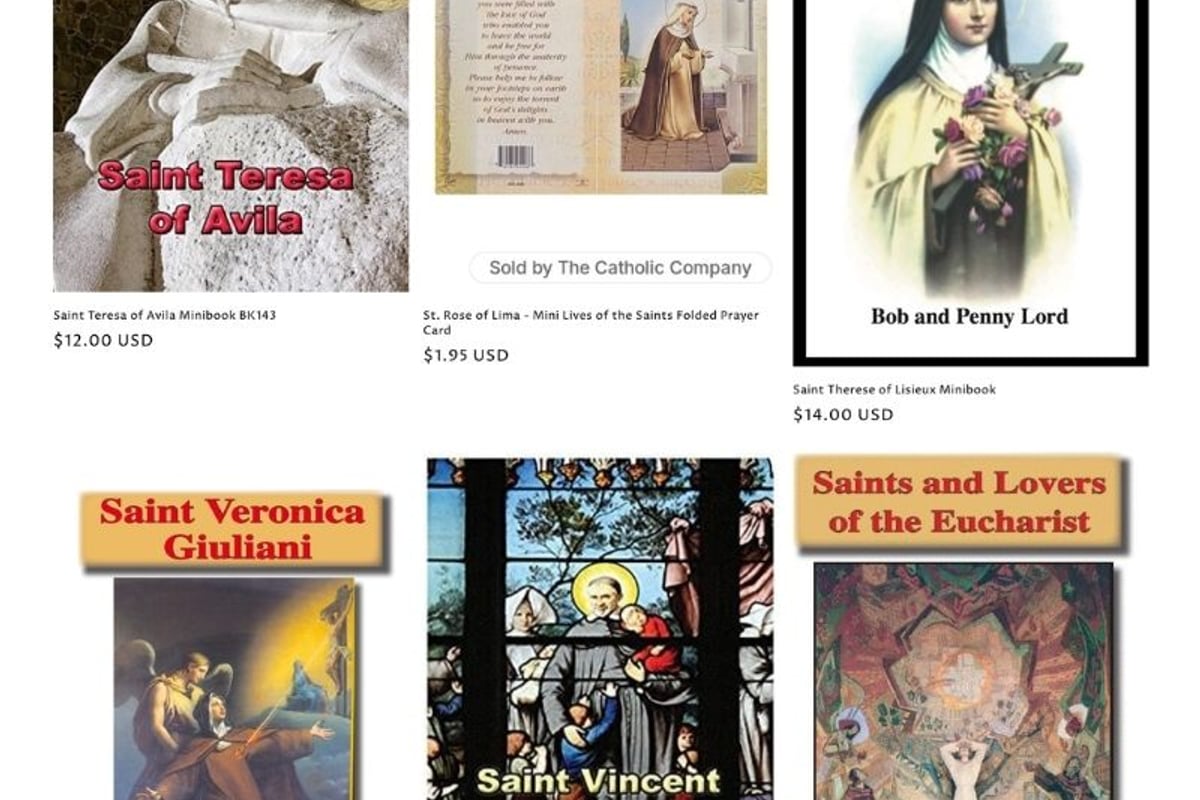
Catholic Saints minibooks offer an excellent complement to catechism study, particularly when exploring the lives of holy men and women. These concise, accessible Catholic Saints minibooks make excellent companions for catechism reading, providing concrete examples of how Catholics have lived out the faith throughout history.
Home Education Resources
Homeschooling families particularly value the catechism catholic book for its authoritative content and systematic approach. Parents can structure their children's religious education around its four pillars, ensuring comprehensive coverage of essential teachings.
Digital and Print Formats
The catechism catholic book exists in multiple formats to accommodate different reading preferences and study needs. Print editions range from compact paperbacks to large reference volumes with extensive commentary.
Digital accessibility has revolutionized how Catholics engage with the catechism:
- Mobile apps with search functionality
- Online databases with hyperlinked cross-references
- Audio versions for listening while commuting
- E-books compatible with highlighting and note-taking
The indexed version provided by the USCCB offers particularly useful navigation features for researchers and students. This digital format allows users to jump quickly between related sections and explore topics thoroughly.
Historical Context and Development
Understanding the catechism catholic book requires awareness of its historical precedents. The Church has produced various catechisms throughout history, each responding to the needs of its time.
Pre-Vatican II Catechisms
The Baltimore Catechism served American Catholics for nearly a century, using a question-and-answer format that emphasized memorization. John Hardon's "The Catholic Catechism" provided an important transitional work that bridged traditional and modern approaches.
| Historical Catechism | Year | Primary Contribution |
|---|---|---|
| Roman Catechism (Trent) | 1566 | Post-Reformation clarity |
| Baltimore Catechism | 1885 | American Catholic education |
| Hardon's Catholic Catechism | 1975 | Vatican II integration |
| Current CCC | 1992 | Universal modern synthesis |
The current catechism catholic book builds upon this rich tradition while incorporating the theological developments of Vatican II and addressing contemporary questions about faith, science, technology, and social justice.
Practical Applications for Daily Life
The catechism catholic book extends beyond abstract theology into concrete guidance for living the faith. Its moral teaching section addresses everything from bioethics to social justice, from marriage to economic life.
Moral Decision-Making Framework
Catholic moral theology, as presented in the catechism, provides principles for ethical discernment:
- Objective moral order - Actions have inherent moral value
- Conscience formation - Developing informed judgment
- Natural law - Reason-based ethical foundation
- Virtue cultivation - Growing in habitual goodness
- Grace and sacraments - Divine assistance for holy living
This framework helps Catholics navigate complex ethical situations in healthcare, business, politics, and personal relationships. The catechism catholic book doesn't provide simplistic answers but rather teaches readers how to think morally in accordance with Church tradition.
Engaging with Sacramental Theology
The second part of the catechism catholic book offers profound insights into the seven sacraments. This section explores both the theological meaning and practical celebration of the Church's central liturgical actions.
For Catholics seeking deeper understanding of the Eucharist and its miraculous manifestations, the catechism provides the doctrinal foundation for appreciating this central sacrament. It explains transubstantiation, Real Presence, and the sacrificial nature of the Mass with clarity and depth.
Liturgical Life Connection
- Baptismal identity - Understanding Christian initiation
- Eucharistic theology - Real Presence and sacrifice
- Reconciliation - Sacrament of mercy and healing
- Marriage - Covenant relationship theology
- Holy Orders - Ministerial priesthood
The catechism catholic book helps worshippers participate more fully in liturgy by understanding the theological richness underlying each ritual action and sacramental sign.
Relationship to Scripture and Tradition
One distinctive feature of the catechism catholic book is its extensive use of biblical citations and patristic sources. Nearly every paragraph includes references to Scripture, demonstrating how Catholic doctrine flows directly from divine revelation.
The relationship between Scripture, Tradition, and Magisterium receives thorough treatment. Catholic Answers explores this relationship in addressing common misconceptions about the catechism's authority and necessity.
Sources of Authority
Scripture - The inspired Word of God remains the supreme authority, with the catechism catholic book citing biblical passages more than any other source.
Church Fathers - Early Christian writers like Augustine, Chrysostom, and Irenaeus provide interpretive tradition spanning centuries.
Magisterial Documents - Papal encyclicals, council decrees, and official Church statements clarify ongoing development of doctrine.
This threefold foundation ensures that the catechism catholic book presents not merely one theologian's opinion but the authentic teaching of the universal Church.
Resources for Continued Study
Engaging deeply with the catechism catholic book often leads Catholics to explore related resources that expand and apply its teachings. Authoritative Catholic resources provide complementary materials for ongoing formation.
Recommended Companion Resources
- Papal encyclicals - In-depth treatment of specific topics
- Lives of saints - Practical examples of doctrine lived
- Spiritual classics - Devotional writings that inspire
- Theological commentaries - Scholarly analysis and explanation
- Study guides - Structured programs for group or individual use
Many Catholics find that alternating between the catechism's systematic presentation and more narrative or devotional works creates a balanced approach to faith formation. The intellectual rigor of the catechism catholic book complements the emotional and spiritual nourishment found in other Catholic literature.
Online Learning Communities
Digital platforms have created new opportunities for collaborative catechism study. Online forums, video courses, and social media groups allow Catholics worldwide to discuss passages, ask questions, and share insights about the catechism catholic book.
Integration with Evangelization
The catechism catholic book serves not only for internal formation but also as an evangelization tool. When Catholics encounter questions about their faith from non-Catholics or lapsed believers, the catechism provides authoritative answers grounded in Scripture and Tradition.
Effective evangelization approaches using the catechism:
- Start with areas of common ground and shared values
- Use accessible language to explain technical theological terms
- Connect abstract doctrine to concrete life experiences
- Emphasize the beauty and coherence of Catholic teaching
- Invite questions and genuine dialogue rather than monologue
The systematic nature of the catechism catholic book helps evangelizers present Catholicism as a coherent worldview rather than disconnected rules and rituals. This comprehensive vision often appeals to seekers looking for intellectual substance alongside spiritual nourishment.
Cultural and Linguistic Adaptations
While the catechism catholic book maintains doctrinal consistency across translations, various cultural adaptations help readers from different backgrounds engage more effectively with its content. The United States Catholic Catechism for Adults, for example, includes American cultural references and addresses questions particularly relevant to Catholics in the United States.
Publishers continue developing study editions tailored to specific audiences-women, men, professionals, retirees, and others-that maintain the catechism's doctrinal integrity while varying presentation style and supplementary materials.
Translation considerations include:
- Cultural idioms and expressions
- Local pastoral concerns and questions
- Regional devotional traditions
- Contemporary social contexts
- Educational norms and expectations
These adaptations ensure that the universal truths contained in the catechism catholic book find expression in ways that resonate with diverse Catholic communities worldwide.
The catechism catholic book remains an essential resource for anyone seeking to understand Catholic teaching with depth and authenticity. Its systematic presentation of faith, sacraments, morality, and prayer provides a comprehensive roadmap for living as a faithful Catholic in the modern world. Whether you're beginning your journey of faith or seeking to deepen decades of belief, Journeys of Faith offers resources to support your spiritual growth, from comprehensive Catholic books to devotional materials that bring doctrine to life in practical ways.
Explore Additional Resources:
-
Explore Journeys of Faith Online store with thousands of Catholic items at https://journeysoffaith.com/collections
-
Journeys of Faith is blessed to provide Catholic media, including podcasts and inspirational content, free of charge across multiple media platforms for viewers and listeners around the world. While access to this content remains free, there are significant and continually increasing costs associated with producing, hosting, and distributing these programs. Your support helps us continue sharing the beauty of the Catholic faith with souls. Please make a donation at https://journeysoffaith.com/pages/donate
