

The catholic altar stands as the most sacred piece of furniture within every Catholic church, serving as the focal point where heaven meets earth during the Holy Sacrifice of the Mass. This sacred table represents both the place of Christ's sacrifice and the table of the heavenly banquet, combining profound theological meaning with practical liturgical function. Understanding the catholic altar's significance, design requirements, and historical development enriches our appreciation for the Eucharistic liturgy and deepens our connection to centuries of Catholic tradition.
The Theological Foundation of the Catholic Altar
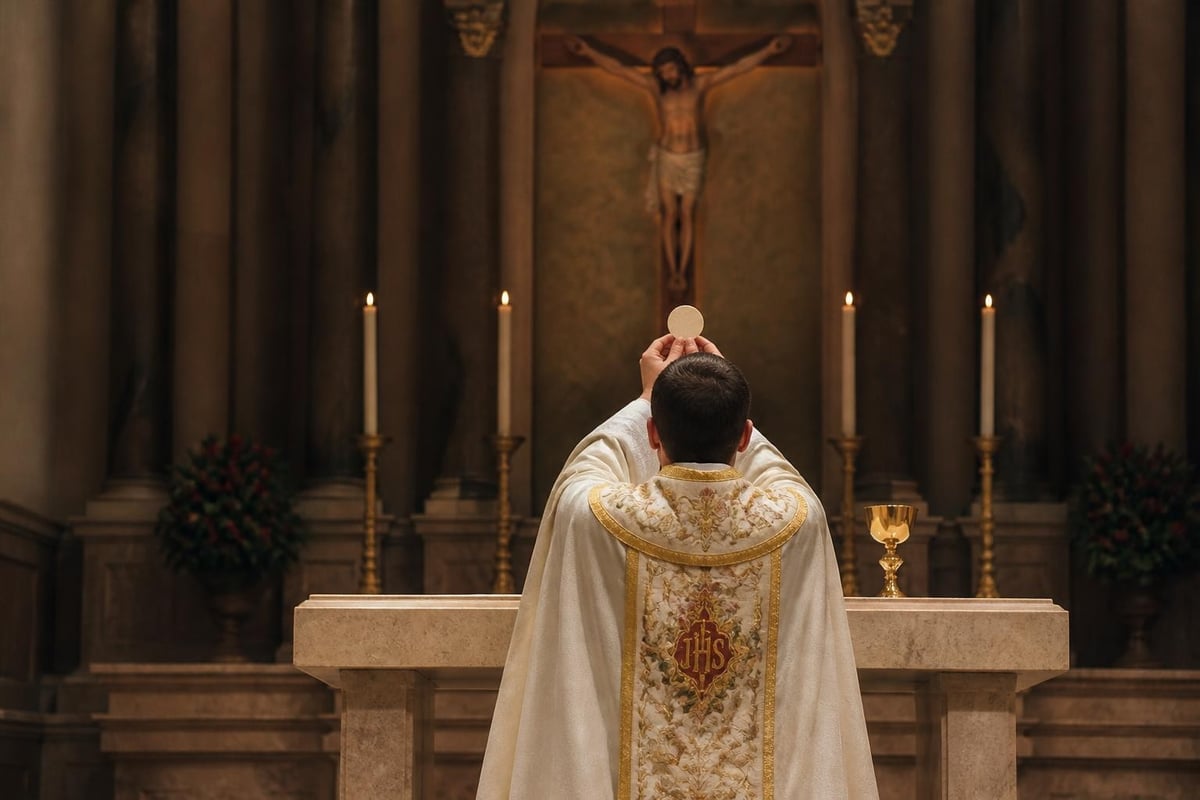
The catholic altar embodies multiple layers of theological meaning that transcend its physical presence. Primarily, it represents the person of Christ himself, who is both priest and victim in the Eucharistic sacrifice. During the Mass, the altar becomes Calvary, where Christ's one sacrifice is made present in an unbloody manner through the ministry of the priest.
Symbol of Christ and Sacred Table
Every catholic altar serves as a visible sign of Christ, the living altar who offered himself as a perfect sacrifice to the Father. This understanding comes directly from the Letter to the Hebrews, which describes Christ as both the high priest and the offering. The altar also represents the table of the Lord's Supper, where the faithful gather to receive the Body and Blood of Christ in Holy Communion.
The General Instruction of the Roman Missal provides detailed guidance on how the catholic altar should be treated with the utmost reverence. It specifies that the altar is to be covered with at least one white cloth during liturgical celebrations, and only items directly related to the celebration of Mass should be placed upon it.
Historical Development and Materials
The evolution of the catholic altar reflects the Church's developing understanding of liturgical theology and practical worship needs. Early Christians celebrated the Eucharist on simple wooden tables in homes and catacombs, often directly over the tombs of martyrs. This practice established the enduring connection between the altar and the witness of the saints.
From House Churches to Basilicas
As Christianity emerged from persecution in the fourth century, the catholic altar began to take on more elaborate forms. Stone altars became standard, reflecting permanence and stability. The practice of embedding relics of martyrs within the altar stone became universal, creating a physical and spiritual connection between the Eucharistic sacrifice and the martyrs' witness.
The historical development of Christian altars shows fascinating variations across different periods and regions. Medieval altars often became elaborate structures with multiple levels, retablos, and decorative elements. The Counter-Reformation period emphasized the altar's dignity through careful attention to materials and craftsmanship.
| Historical Period | Altar Characteristics | Primary Materials |
|---|---|---|
| Early Church (100-300 AD) | Simple tables, portable | Wood, sometimes stone |
| Post-Constantine (300-600 AD) | Fixed stone altars, martyr relics | Stone, marble |
| Medieval (600-1500 AD) | Elevated, elaborate decoration | Stone, precious metals |
| Baroque (1600-1750 AD) | Highly ornamental, multiple tiers | Marble, gilded wood |
| Modern (1965-present) | Simplified, facing people | Stone, quality wood |
Canonical Requirements and Design Standards
The Code of Canon Law establishes specific requirements for the catholic altar that every parish must follow. Canon 1235 states that a fixed altar should be dedicated or blessed according to the rites prescribed in liturgical books, while a movable altar may simply be blessed.
Essential Design Elements
Brought to you by Journeys of Faith, founded by Bob and Penny Lord. We are an Augustinian Secular Institute and Cyber Apostles. Our mission is evangelization through media.
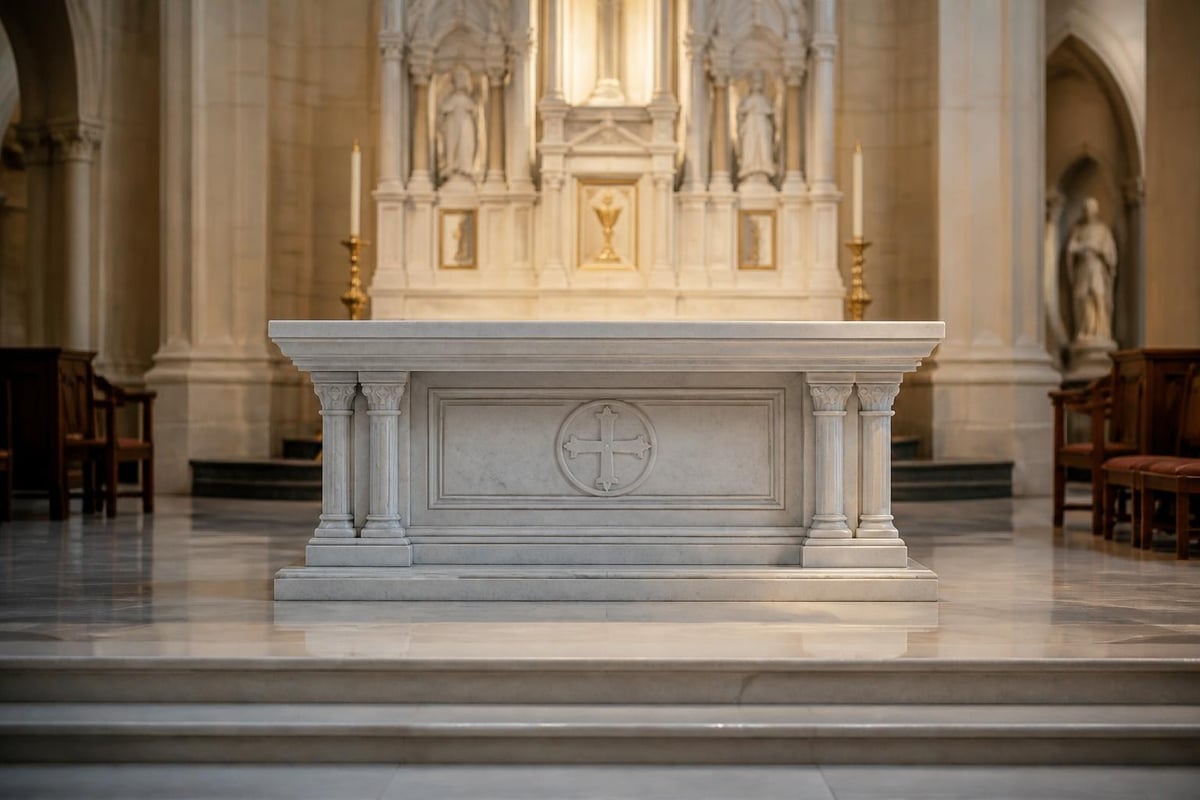
A fixed catholic altar must be constructed as a single piece or consist of a natural stone table (mensa) permanently attached to a supporting structure. The entire structure must be made of natural stone or, with the permission of the conference of bishops, other worthy and solid materials. Movable altars may be constructed from any solid and suitable materials according to local architectural traditions.
The altar's location within the church building carries theological significance. It should be positioned to serve as the natural focal point toward which the attention of the whole congregation spontaneously turns. Typically, the catholic altar stands in a sanctuary area elevated slightly above the nave, ensuring visibility while maintaining appropriate separation of the sacred space.
- The altar must be fixed and dedicated, not merely blessed
- Natural stone is strongly preferred for fixed altars
- A single altar stone (mensa) should form the top surface
- Relics of martyrs or saints should be sealed within the altar or placed beneath it
- The altar should be positioned to allow priests to celebrate facing the people
- Adequate space must surround the altar for movement during liturgical rites
Dedication and Consecration
The dedication of a catholic altar represents one of the Church's most solemn liturgical celebrations. The Rite of Dedication of a Church and an Altar outlines the profound ceremonies through which an altar becomes permanently set apart for divine worship. During the dedication, the bishop anoints the altar with sacred chrism, creating an indelible spiritual character similar to the sacraments of Baptism and Confirmation.
This consecration transforms the catholic altar into a permanent sacred sign. The five crosses marked on the altar surface during dedication represent the five wounds of Christ, connecting every celebration of the Eucharist to the Lord's passion. Incense is burned on the altar, filling the church with fragrant smoke that symbolizes the prayers of the faithful rising to heaven.
The Altar and Eucharistic Reservation
The relationship between the catholic altar and the tabernacle has evolved significantly throughout Church history. According to Redemptionis Sacramentum, the tabernacle should be placed in a part of the church that is prominent, conspicuous, beautifully decorated, and suitable for prayer.
Tabernacle Placement Options
Contemporary liturgical norms recognize two primary options for tabernacle placement in relation to the catholic altar. The tabernacle may be positioned in the sanctuary, separate from the altar of celebration, in a location that allows the faithful to pray before the Blessed Sacrament. Alternatively, it may be placed in a separate Eucharistic chapel designed specifically for adoration and private prayer.
When the tabernacle stands near the main catholic altar, a sanctuary lamp must burn continuously, indicating Christ's real presence in the Eucharist. This practice extends back centuries and provides a visual reminder of the Church's faith in the Real Presence. The tabernacle itself should be immovable, constructed of solid, opaque material, and kept locked to ensure security and reverence.
Liturgical Furnishings and Altar Appointments
The catholic altar requires specific liturgical appointments for the proper celebration of Mass. These items must meet both practical and theological standards, contributing to the dignity and beauty of the Eucharistic celebration.
Required Items for Mass
The altar cloth, traditionally made of white linen, covers the entire surface of the catholic altar during Mass. This cloth recalls the burial shroud of Christ and symbolizes purity. Beneath the altar cloth, some traditions place a cerecloth (waxed cloth) to protect the altar from spills, though this practice has become less common in recent decades.
The Roman Missal rests on the altar during Mass, containing the prayers and rubrics the priest uses throughout the celebration. A corporal, a square white linen cloth with a cross in the center, is spread on the altar to receive the sacred vessels. The chalice and paten, made of noble metals or other suitable materials, hold the wine and bread that will become Christ's Body and Blood.
| Liturgical Item | Purpose | Material Requirements |
|---|---|---|
| Altar Cloth | Covers altar surface | White linen, full coverage |
| Corporal | Receives sacred vessels | White linen, square shape |
| Purificator | Cleanses sacred vessels | White linen, rectangular |
| Roman Missal | Contains Mass prayers | Quality binding, ribbons |
| Chalice | Holds consecrated wine | Noble metal or approved material |
| Paten | Holds consecrated bread | Matches chalice material |
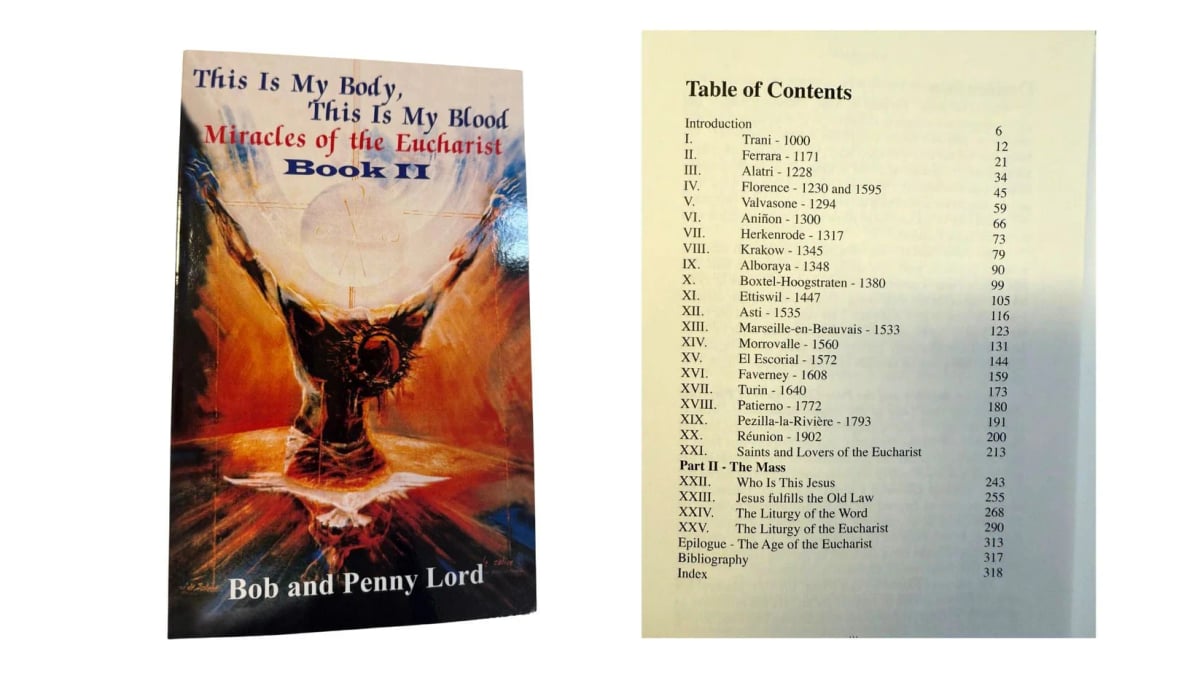
Many Catholics deepen their devotion to the Eucharist through prayer and study. For those seeking to understand Eucharistic miracles and strengthen their faith in the Real Presence, resources like the Miracles of the Eucharist books provide compelling documentation of supernatural events that confirm Church teaching about Christ's presence in the consecrated elements.
Architectural Considerations and Sacred Design
The design and placement of the catholic altar within church architecture requires careful attention to both liturgical function and aesthetic harmony. The Partnership for Catholic Sacred Architecture provides valuable resources for parishes undertaking renovation or new construction projects, ensuring that modern designs respect traditional liturgical principles.
Sanctuary Design and Altar Integration
The sanctuary containing the catholic altar should be clearly distinguished from the nave through architectural elements such as elevation, special flooring, or decorative treatments. This distinction emphasizes the sacred character of the space while maintaining visual and spiritual connection with the congregation. Natural light, either from windows or carefully designed artificial sources, should illuminate the altar as the focal point of the church.
The relationship between the catholic altar, the ambo (lectern for Scripture readings), and the presider's chair creates the liturgical triangle that organizes sanctuary space. These three focal points must be positioned to serve their distinct functions while maintaining visual harmony. The altar takes precedence as the primary focus, with other elements supporting rather than competing with it.
Contemporary church design often incorporates traditional elements with modern materials and techniques. Stone, wood, and metal can be combined to create catholic altars that honor tradition while reflecting contemporary craftsmanship. The key principle remains that materials and design should enhance rather than distract from the altar's sacred purpose.
Proper Reverence and Liturgical Practice
The catholic altar receives specific acts of reverence during liturgical celebrations, expressing the Church's faith in Christ's presence and the sacred character of the Eucharistic sacrifice. The priest kisses the altar at the beginning and end of Mass, and he may also incense it during solemn celebrations.
Gestures of Reverence
Every approach to the catholic altar should be marked by appropriate reverence. Priests and deacons genuflect to the tabernacle when passing before it (if it is in the sanctuary), and they bow profoundly to the altar before ascending to it. Ministers carrying the Gospel Book elevate it slightly as they approach the altar, acknowledging the altar's sacred character.
During the Liturgy of the Eucharist, only items directly connected to the celebration should rest on the catholic altar. This means that the Roman Missal, chalice, paten, and ciboria belong on the altar, while other items such as books for readings, sermon notes, or decorative objects should be placed elsewhere. This practice maintains clarity about the altar's specific purpose as the place of sacrifice.
The areas surrounding the catholic altar must remain uncluttered to facilitate movement during liturgical rites. Altar servers, deacons, and concelebrating priests need adequate space to perform their roles with dignity and reverence. Flowers may decorate the sanctuary but should never be placed directly on the altar itself, according to most liturgical guidelines.
Restoration and Conservation of Historic Altars
Many Catholic churches possess historic catholic altars of significant artistic and spiritual value. These altars often require specialized conservation to preserve them for future generations while maintaining their liturgical functionality. Guidance from organizations experienced in church conservation can prove invaluable during restoration projects.
Balancing Preservation and Liturgical Use
Restoring a historic catholic altar presents unique challenges. The altar must continue to serve its primary liturgical purpose while preserving its historical and artistic integrity. Sometimes this requires careful adaptation to meet current liturgical norms, particularly regarding the celebration of Mass facing the people.
Conservation work on catholic altars should be entrusted to craftspeople experienced in liturgical furnishings and sacred art. Stone cleaning, structural reinforcement, and decorative restoration all require specialized knowledge. Before undertaking major alterations, parishes should consult diocesan liturgical and artistic commissions to ensure proposed changes align with Church teaching and preserve the altar's character.
Key Considerations for Altar Restoration:
- Document the altar's current condition with detailed photographs and measurements
- Research the altar's history, original design, and any previous modifications
- Consult with diocesan offices regarding liturgical requirements and preservation standards
- Engage qualified conservation professionals with experience in sacred art
- Develop a comprehensive plan that addresses both preservation and liturgical function
- Secure necessary approvals from diocesan authorities before beginning work
- Use traditional materials and techniques whenever possible to maintain authenticity
Diocesan Guidelines and Local Implementation
While universal Church law establishes fundamental requirements for the catholic altar, individual dioceses often provide additional guidance tailored to local conditions and architectural traditions. These diocesan norms help parishes implement general principles in specific situations, addressing questions about materials, dimensions, and design details.
Practical Parish Applications
Parishes planning new construction or renovation should consult their diocesan worship office early in the design process. Diocesan representatives can provide specific guidance about local preferences, approved materials, and procedural requirements. Some dioceses maintain lists of approved architects, artists, and craftspeople with experience in creating liturgical furnishings that meet both canonical and aesthetic standards.
The catholic altar in each parish church reflects the universal Church's faith while expressing local cultural and artistic traditions. A parish in the southwestern United States might incorporate regional materials and design elements that differ from those used in a European cathedral, yet both altars serve the same sacred purpose and conform to the same essential liturgical requirements.
Resources from organizations like Journeys of Faith help Catholics deepen their understanding of liturgical practices and Eucharistic devotion. Through educational materials, spiritual resources, and devotional items, the faithful can grow in appreciation for the sacred mysteries celebrated at every catholic altar.
The Altar in Personal Devotion and Spiritual Life
While the catholic altar serves its primary purpose during the celebration of Mass, it also influences personal prayer and devotional practices. Many Catholics find that praying before the altar, especially when the Blessed Sacrament is reserved nearby in the tabernacle, deepens their spiritual life and strengthens their connection to Christ's Eucharistic presence.
Cultivating Altar-Centered Spirituality
Understanding the catholic altar's theological significance can transform how we participate in Mass and engage in private prayer. When we recognize the altar as representing Christ himself, every genuflection, every moment of silence before it, becomes an encounter with the divine. This awareness helps move us beyond merely observing liturgical rituals to actively participating in the sacred mysteries.
Families can nurture this altar-centered spirituality by teaching children about the catholic altar's meaning and importance. Explaining why we bow toward the altar, why only certain items may be placed on it, and how it connects to Christ's sacrifice helps young people develop reverence for the Eucharist. These lessons form the foundation for lifelong appreciation of the Mass and active participation in liturgical worship.
Personal prayer before the catholic altar, whether during scheduled adoration times or quiet visits to an empty church, provides opportunities for intimate conversation with Christ. The altar's presence reminds us that our prayer joins with the eternal offering Christ makes to the Father, and that every moment of prayer participates in the Church's continuous worship.
The catholic altar stands at the heart of Catholic worship, embodying the Church's faith in Christ's Eucharistic presence and sacrifice. From its theological foundations to its practical design requirements, every aspect of the altar serves to facilitate encounter with the living God and deepen our participation in the paschal mystery.
Explore Journeys of Faith's online store with thousands of Catholic items at our collections page. Journeys of Faith is blessed to provide Catholic media, including podcasts and inspirational content, free of charge across multiple media platforms for viewers and listeners around the world. While access to this content remains free, there are significant and continually increasing costs associated with producing, hosting, and distributing these programs. Your support helps us continue sharing the beauty of the Catholic faith with souls. Please make a donation at our support page.
Whether you seek to deepen your understanding of the Mass, discover resources for Eucharistic devotion, or find quality Catholic materials for personal and family prayer, Journeys of Faith offers a wealth of resources rooted in authentic Catholic teaching and devoted to evangelization through media.
