

For centuries, Catholics have turned to blessed medals as tangible expressions of faith and instruments of spiritual protection. These small metallic tokens serve not merely as jewelry or decorative items but as sacramentals-sacred objects blessed by the Church to sanctify daily life and draw believers closer to God. Whether worn around the neck, carried in a pocket, or placed in a home, catholic medallions for protection represent a rich devotional tradition that connects modern believers to centuries of Christian witness.
Understanding Catholic Medallions as Sacramentals
Catholic medallions occupy a unique place in the Church's spiritual treasury as sacramentals. Unlike the seven sacraments instituted by Christ, which confer grace directly, sacramentals are sacred signs that prepare individuals to receive grace and sanctify various circumstances of life. The USCCB summary of sacramentals and blessings explains that these objects derive their efficacy from the Church's intercession and the faithful's disposition.
When we speak of catholic medallions for protection, we acknowledge that the protection comes not from the metal itself but from God's response to the prayers of the Church and the wearer's faith. The Catechism of the Catholic Church teaches that sacramentals "do not confer the grace of the Holy Spirit in the way that the sacraments do, but by the Church's prayer, they prepare us to receive grace and dispose us to cooperate with it."
The Theological Foundation of Protective Medals
The use of blessed objects for spiritual protection finds biblical roots in numerous passages. In Acts 19:11-12, handkerchiefs and aprons that had touched St. Paul were brought to the sick, and diseases left them. This demonstrates the Church's longstanding understanding that God can work through material objects consecrated to His service.
The Vatican directory on popular piety and the liturgy provides official Church guidance on devotional practices, emphasizing that these traditions must remain properly ordered to the liturgy and rooted in sound theology. Medals serve as reminders of our baptismal commitment, invitations to prayer, and symbols of our communion with the saints.
Brought to you by Journeys of Faith, founded by Bob and Penny Lord. We are an Augustinian Secular Institute-Cyber Apostles. Our mission is evangelization through media.
Historical Development of Protective Medallions
The tradition of wearing protective medallions evolved gradually throughout Church history. Early Christians wore simple crosses or fish symbols as identifiers and expressions of faith during times of persecution. As the Church grew and developed more elaborate devotional practices, medals commemorating saints, mysteries of faith, and apparitions became widespread.
By the Medieval period, the use of catholic medallions for protection had become common across Europe. The scholarly study on sacramentals and popular devotion documents how these objects served both spiritual and social functions, particularly during periods when Catholic identity faced challenges.
The Rise of Apparition-Based Medals
A significant development in the history of protective medallions occurred in the nineteenth century with Marian apparitions. The most famous example is the Miraculous Medal, which originated from the 1830 apparitions of Our Lady to Saint Catherine Labouré in Paris. According to the Daughters of Charity, Mary appeared holding a golden globe and standing on a serpent, with rays of light streaming from her hands.
The Blessed Mother instructed Catherine to have a medal struck bearing this image, promising: "All who wear it will receive great graces; they should wear it around the neck. Graces will abound for those who wear it with confidence." The Miraculous Medal quickly spread worldwide and remains one of the most popular catholic medallions for protection today.
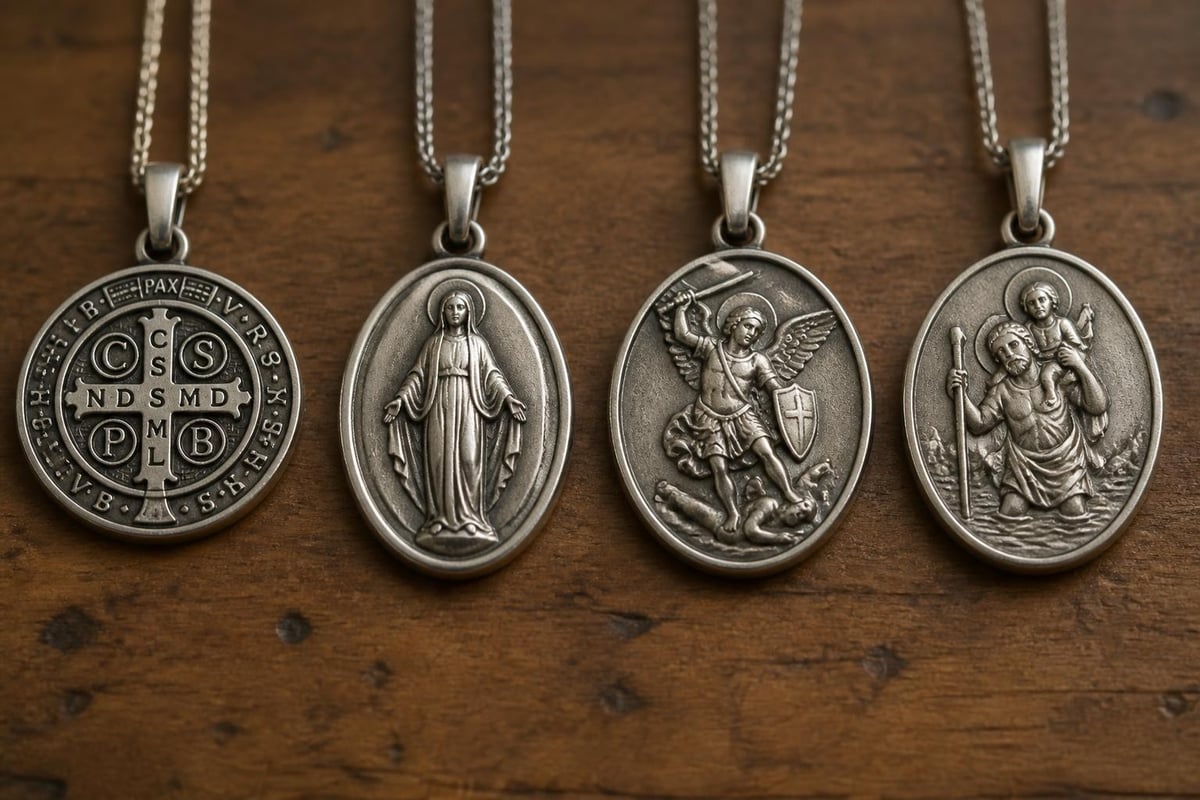
| Medal Type | Origin Period | Primary Protection | Common Inscriptions |
|---|---|---|---|
| St. Benedict Medal | 6th-11th century | Against evil, temptation | "Crux Sacra Sit Mihi Lux" (May the holy cross be my light) |
| Miraculous Medal | 1830 | General protection, conversion | "O Mary, conceived without sin, pray for us" |
| St. Michael Medal | Medieval-Modern | Spiritual warfare, defense | "St. Michael the Archangel, defend us in battle" |
| St. Christopher Medal | Medieval-Modern | Travel safety | "Behold St. Christopher and go your way in safety" |
Popular Catholic Medallions for Protection
While countless medals honor various saints and devotions, certain ones have become particularly associated with protection and spiritual defense. Understanding their specific purposes helps believers choose medals that correspond to their needs and devotions.
The St. Benedict Medal
Perhaps no medal is more closely associated with protection against evil than the St. Benedict medal. The Order of Saint Benedict provides authoritative background on this powerful sacramental, explaining its rich symbolism and extensive use throughout the Church.
The medal features St. Benedict holding a cross and his Rule, with the reverse side displaying a cross surrounded by Latin inscriptions. These abbreviations form prayers of exorcism and protection:
- C.S.S.M.L. - Crux Sacra Sit Mihi Lux (May the holy cross be my light)
- N.D.S.M.D. - Non Draco Sit Mihi Dux (Let not the dragon be my guide)
- V.R.S. - Vade Retro Satana (Begone, Satan)
Priests regularly use the St. Benedict medal in blessings of homes, vehicles, and persons, making it one of the most versatile catholic medallions for protection.
The Miraculous Medal
Mary's promise of protection and grace makes the Miraculous Medal extraordinarily popular among Catholics worldwide. The International Miraculous Medal Association provides detailed historical accounts of its origin and the countless graces reported by wearers.
The medal's obverse shows Our Lady with rays streaming from her hands, standing on a globe and crushing a serpent. The reverse depicts the letter M intertwined with a cross, beneath which appear the Sacred Heart of Jesus and Immaculate Heart of Mary. Twelve stars surround the images, representing the twelve tribes of Israel and the apostles.
For those seeking to deepen their devotion to Mary alongside other powerful prayers, the Journeys of Faith collections offer numerous resources supporting Marian spirituality and intercession.
The St. Michael Medal
St. Michael the Archangel, defender against Satan and leader of the heavenly armies, is invoked for protection against spiritual enemies. Catholic medallions for protection featuring St. Michael typically depict him in armor, often with his foot on a defeated demon and wielding a sword or spear.
The St. Michael medal gained renewed popularity after Pope Leo XIII composed the Prayer to St. Michael following a vision of demonic attacks on the Church. Many Catholics wear this medal specifically for protection during spiritual warfare, temptation, or when facing particular evil influences.
The St. Christopher Medal
Traditionally the patron saint of travelers, St. Christopher medals have protected countless journeys. Though modern scholarship questions some historical details about St. Christopher, the Church maintains his feast day and acknowledges the powerful intercession associated with his patronage.
The medal typically shows Christopher carrying the Christ Child across a river, symbolizing his legendary role as a ferryman who once carried Jesus unknowingly. Travelers of all kinds-whether by car, plane, or foot-often wear St. Christopher medals seeking safe passage.
Proper Use and Blessing of Protective Medallions
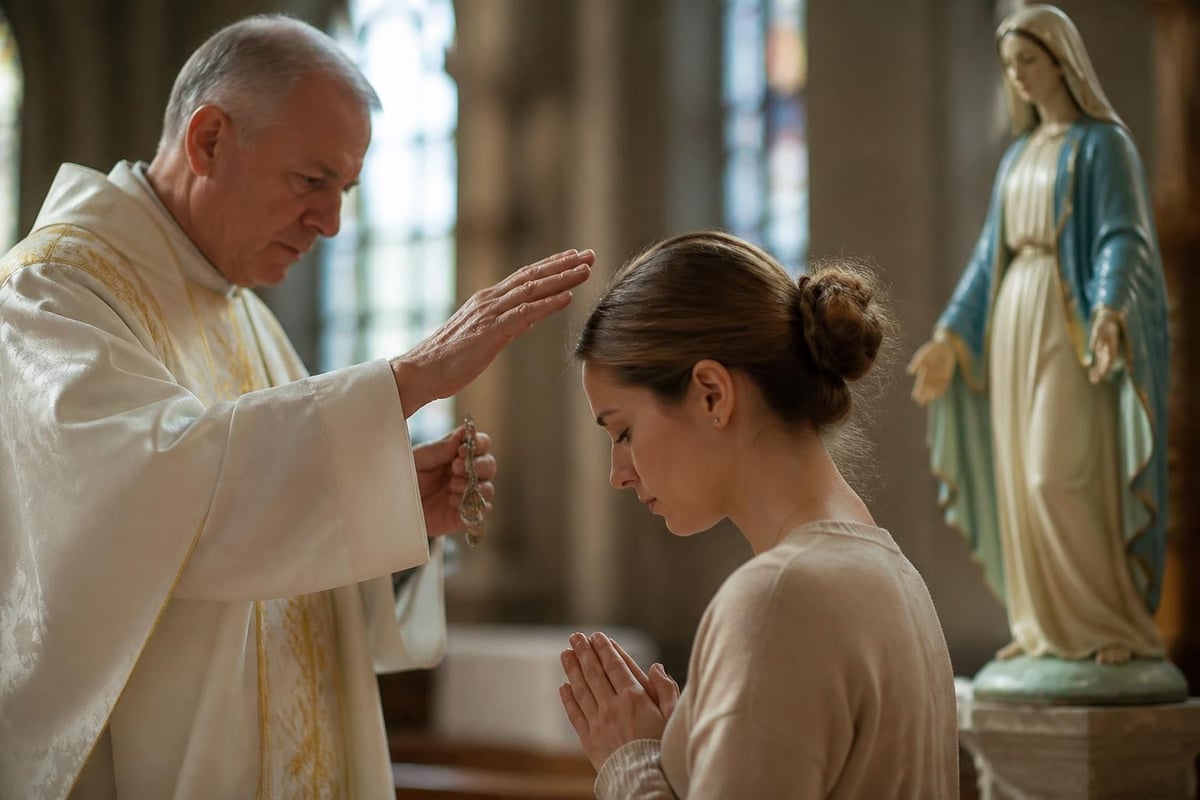
Simply owning a medal does not activate its protective power. The USCCB Catechism section on sacramentals clarifies that these objects must be properly blessed by ordained ministers and worn with faith and devotion to be effective.
Getting Medals Blessed
Any priest or deacon can bless catholic medallions for protection using prayers from the Roman Ritual or Book of Blessings. The blessing typically includes:
- Sprinkling with holy water to symbolize purification
- Prayer invoking God's protection over the object and future wearer
- Invocation of the saint or mystery depicted on the medal
- Sign of the Cross to seal the blessing
Some Catholics mistakenly believe that medals purchased from religious goods stores arrive pre-blessed, but this is rarely the case. Always verify blessing status and seek proper blessing when necessary.
Wearing and Caring for Blessed Medals
Once blessed, medals should be treated with respect as sacred objects. Common practices include:
- Wearing on a chain around the neck for constant proximity to the heart
- Attaching to rosary beads or carrying in a pocket or purse
- Placing in vehicles on the dashboard or attached to the rearview mirror
- Positioning in homes at entrances, bedrooms, or prayer spaces
If a blessed medal breaks or becomes damaged beyond repair, it should not be casually discarded. Proper disposal involves either burial in the ground or burning, with ashes buried or scattered in a clean place.
The Role of Faith and Disposition
Catholic medallions for protection work in cooperation with the wearer's faith, not as magical charms operating independently. The Church has consistently warned against superstitious use of sacramentals, emphasizing that God's grace responds to genuine faith and prayer rather than mere possession of blessed objects.
Avoiding Superstition
The line between devotion and superstition can blur when believers attribute automatic power to medals divorced from faith. Authentic Catholic teaching maintains several critical distinctions:
Proper devotion involves:
- Trusting God's providential care expressed through blessed objects
- Recognizing that protection comes from divine grace, not the metal itself
- Combining medal wearing with prayer, sacramental life, and moral living
- Understanding medals as aids to faith rather than substitutes for it
Superstitious use includes:
- Treating medals as magical amulets with inherent power
- Relying on medals while neglecting prayer and the sacraments
- Believing specific rituals or formulas activate medal power mechanically
- Wearing medals without any interior faith or devotion
Integrating Medals into Spiritual Life
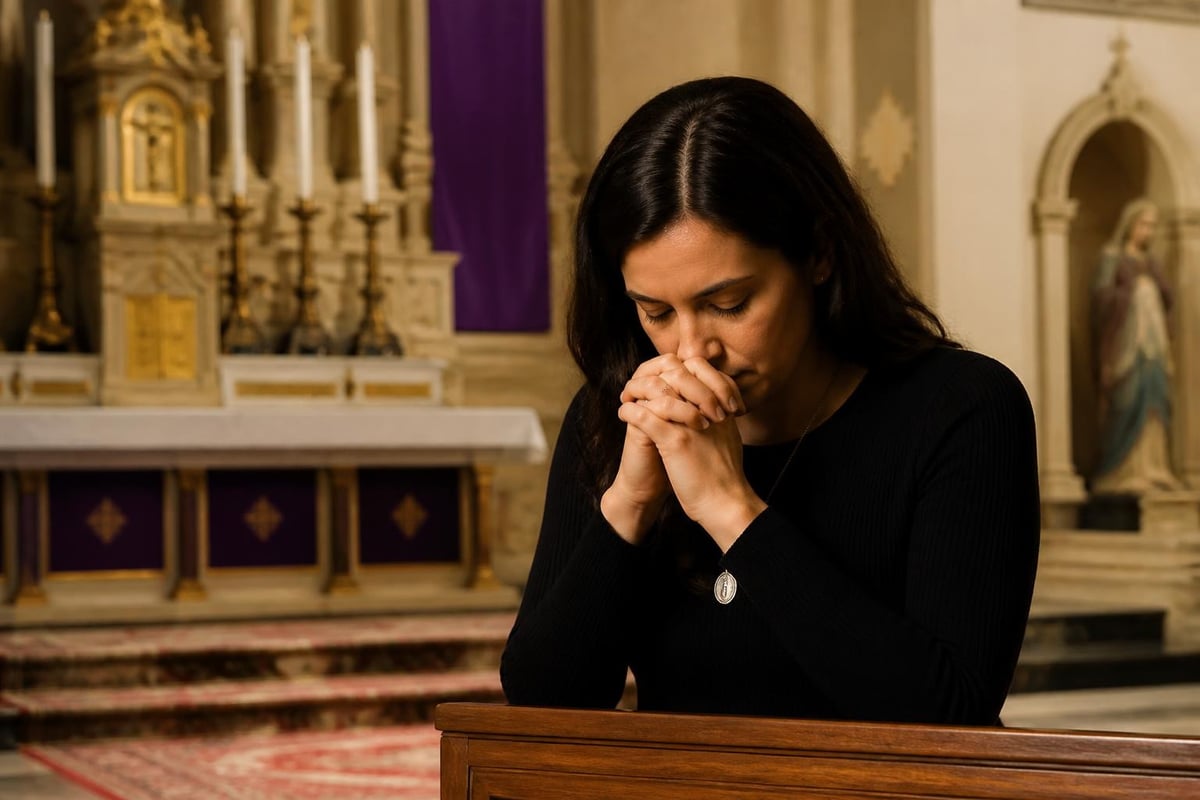
Maximum benefit from catholic medallions for protection occurs when they integrate into a comprehensive spiritual life. Practical ways to achieve this integration include:
- Morning offering: Touch your medal while offering your day to God
- Prayer before tasks: Kiss or hold the medal before difficult or dangerous activities
- Examination of conscience: Use the medal as a reminder during daily reflection
- Teaching children: Explain medal symbolism to transmit faith to the next generation
Many families establish traditions around giving medals at significant moments-First Communion, Confirmation, graduation, or before travel. These practices create lasting spiritual memories and reinforce the medal's role as a concrete expression of God's protective love.
Medals for Specific Intentions and Patronages
Beyond general protection, many catholic medallions for protection address specific needs or life circumstances. Understanding these particular patronages helps believers select appropriate medals for their situations.
Occupational and Situational Protection
| Occupation/Situation | Recommended Medal | Patronage Reason |
|---|---|---|
| Medical professionals | St. Luke, St. Raphael | Patron of physicians, healing |
| Military personnel | St. Michael, St. Joan of Arc | Spiritual warfare, courage |
| Students | St. Thomas Aquinas | Patron of students, wisdom |
| Mothers | Virgin Mary, St. Gerard | Maternal protection, safe childbirth |
| Those facing addiction | St. Jude, Venerable Matt Talbot | Desperate cases, sobriety |
| Firefighters | St. Florian | Patron against fire, danger |
Protection Against Specific Threats
Different medals traditionally offer protection against particular spiritual or physical dangers:
- St. Benedict Medal: Evil spirits, witchcraft, poison
- St. Peregrine Medal: Cancer and serious illness
- Five-Fold Scapular Medal: Multiple forms of protection through various Marian devotions
- St. Anthony Medal: Lost items, temptations against chastity
- Sacred Heart Medal: Final impenitence, family protection
Those seeking comprehensive protection often wear multiple medals or choose combination medals that feature several saints on a single piece.
Combination Medals and Modern Developments
The tradition of catholic medallions for protection continues evolving to meet contemporary needs while maintaining doctrinal integrity. Several modern developments deserve mention.
Four-Way and Five-Way Medals
Combination medals offer multiple patronages in compact form. The popular four-way medal typically includes:
- Sacred Heart of Jesus (center)
- St. Christopher (top)
- Miraculous Medal (right)
- St. Joseph (bottom)
- Holy Spirit (left)
This arrangement provides comprehensive protection covering travel, general intercession, holy death, and divine guidance in a single sacramental.
Modern Production and Authenticity
The numismatic scholarship on devotional medals provides technical details about production, dating, and authentication. Modern manufacturers produce medals using various metals and techniques:
- Sterling silver or gold: Traditional, durable, appropriate for heirloom pieces
- Base metals: Economical, widely accessible, equally effective when blessed
- Pewter: Detailed imagery, moderate cost, good weight
- Polymer or resin: Lightweight, colorful, suitable for children
Regardless of material, the medal's spiritual efficacy depends on proper blessing and the wearer's faith, not the metal's monetary value.
Teaching Children About Protective Medallions
Introducing young Catholics to the tradition of blessed medals plants seeds of devotion that often last a lifetime. Age-appropriate catechesis helps children understand both the symbolic and spiritual dimensions of these sacramentals.
Developmental Approaches
Ages 3-7: Focus on simple concepts-"This medal helps us remember Jesus loves us" or "St. Christopher keeps us safe when we travel." Choose durable medals children can handle without damage.
Ages 8-12: Explain basic theology of sacramentals, introduce specific saints' stories, and encourage personal prayer while holding medals. This age group often responds well to earning medals through religious education milestones.
Teenagers: Discuss the relationship between faith and sacramentals, address superstition concerns, and help teens select medals reflecting their personal devotions and needs. Encourage choosing confirmation medals intentionally.
Parents can strengthen these lessons by modeling appropriate medal use, sharing family medal traditions, and explaining the significance of medals gifted at baptism, First Communion, or other occasions.
For families seeking to deepen their children's understanding of Catholic tradition, resources exploring the lives of saints and Church teachings provide valuable context for appreciating catholic medallions for protection within the broader tapestry of faith.
Global Variations and Cultural Expressions
Catholic medallions for protection manifest differently across cultures while maintaining universal theological foundations. These variations enrich the Church's devotional diversity.
European Traditions
European Catholics often favor medals connected to local apparitions or regional saints. Spanish Catholics particularly venerate Our Lady of Guadalupe medals, Italian Catholics treasure medals of Padre Pio or St. Rita, and Polish Catholics often wear Divine Mercy medals honoring St. Faustina's visions.
Latin American Devotions
In Latin America, scapular medals compete in popularity with traditional cloth scapulars. The Brown Scapular medal, granted the same spiritual benefits as the cloth version when properly enrolled, offers practical advantages in warm climates.
Asian Catholic Communities
Asian Catholics frequently incorporate medal wearing into family protective practices, sometimes creating beautiful combinations of multiple medals on elaborate chains. Filipino Catholics particularly embrace the Santo Niño (Holy Child Jesus) medal alongside traditional protective medals.
North American Practices
North American Catholics show increasing interest in medals combining protection with specific modern concerns-medals for addiction recovery, protection from human trafficking, or safety in law enforcement careers reflect contemporary challenges.
Maintaining Authentic Devotion in Modern Context
As secular culture grows increasingly skeptical of religious practices, Catholics may feel pressure to downplay visible devotions like medal wearing. However, authentic witness sometimes requires publicly expressing faith through these tangible symbols.
Wearing Medals in Professional Settings
Catholic professionals often navigate delicate situations regarding visible religious expressions. Consider these approaches:
- Under clothing: Wearing medals beneath shirts or blouses maintains private devotion while respecting workplace norms
- Discreet size: Smaller medals attract less attention in sensitive environments
- Appropriate contexts: Medical settings, therapy offices, or counseling rooms may welcome visible faith symbols
- Confident witness: In environments respecting religious diversity, visible medals can prompt meaningful conversations
Digital Age Adaptations
While physical medals remain important, the digital age offers new ways to engage with this devotion:
- Digital images: Setting medal images as phone wallpapers for daily reminders
- Virtual medals: Using blessed medal images during online prayer or religious education
- Social media: Sharing medal stories and traditions builds virtual Catholic community
- Apps and reminders: Technology-facilitated devotional practices complement traditional sacramentals
These adaptations supplement rather than replace physical catholic medallions for protection, recognizing that tangible sacramentals serve unique roles in embodied spirituality.
Resources for Deepening Medal Devotion
Catholics seeking to deepen their understanding and use of protective medals can access numerous resources. The Church provides extensive teaching materials, prayer guides, and historical documentation supporting informed devotion.
Official Church Documents
The Vatican directory on popular piety offers authoritative guidance on integrating sacramentals into balanced spiritual life. Reading these documents helps believers distinguish authentic devotion from misguided practices.
Prayer Resources
Many medal traditions include specific prayers enhancing their devotional use. The St. Benedict medal, for instance, comes with a rich prayer tradition including the Vade Retro Satana prayer. The Miraculous Medal Association publishes numerous prayers and novenas for those devoted to Our Lady under this title.
Organizations like Journeys of Faith provide educational materials exploring the intersection of sacramentals, saints' lives, and authentic Catholic spirituality. Their resources help believers understand how catholic medallions for protection fit within comprehensive faith expression.
Saint Biographies and Histories
Understanding the saints commemorated on medals deepens appreciation for their intercession. Reading about St. Benedict's spiritual warfare, St. Michael's angelic protection, or the humble service of St. Christopher enriches the experience of wearing their medals.
Academic and popular histories document how particular medals developed, spread, and impacted Catholic life across centuries. These narratives situate personal devotion within the Church's living tradition.
Catholic medallions for protection represent a living tradition connecting contemporary believers to centuries of Christian witness and the communion of saints. When properly blessed and worn with genuine faith, these sacramentals serve as powerful reminders of God's protective love and the intercession available through Mary and the saints. Whether you're drawn to the Miraculous Medal's promise of grace, the St. Benedict medal's defense against evil, or another protective devotion, these sacred objects invite deeper prayer and trust in divine providence. Journeys of Faith offers extensive resources to support your sacramental life, including educational materials on saints, prayer traditions, and the rich heritage of Catholic devotional practices-explore the Journeys of Faith online store with thousands of Catholic items at https://journeysoffaith.com/collections. Journeys of Faith is blessed to provide Catholic media, including podcasts and inspirational content, free of charge across multiple media platforms for viewers and listeners around the world. While access to this content remains free, there are significant and continually increasing costs associated with producing, hosting, and distributing these programs. Your support helps us continue sharing the beauty of the Catholic faith with souls-please make a donation at https://journeysoffaith.com/pages/donate.
