

The Church has always been blessed with extraordinary souls who experienced profound encounters with the divine. These catholic mystics were not merely devout believers but individuals who encountered God in ways that transcended ordinary spiritual experience. Their visions, revelations, and intimate unions with Christ have shaped Catholic spirituality for centuries, offering guidance to millions of faithful seeking deeper communion with the divine. Understanding their lives and teachings provides essential insight into the heights of Christian contemplation and the transformative power of divine grace.
The Nature of Catholic Mysticism
Catholic mysticism represents a dimension of faith that goes beyond intellectual understanding or routine devotion. It involves direct, personal experience of God's presence through contemplative prayer, visions, locutions, and moments of divine union. The Church has carefully discerned these phenomena throughout history, distinguishing authentic mystical experiences from delusion or deception.
Defining Mystical Experience
True mystical experiences share several common characteristics that the Church recognizes:
- Direct encounter with divine presence rather than intellectual knowledge alone
- Transformation of the soul toward greater holiness and virtue
- Conformity to Church teaching and deepening of orthodox faith
- Fruits of peace, humility, and charity in the mystic's life
- Service to the Church and benefit to the broader Christian community
The distinction between ordinary grace and mystical grace remains important. While all baptized Catholics receive sanctifying grace, mystical graces represent extraordinary gifts that God bestows according to His divine will. These experiences cannot be earned through human effort alone but arrive as pure gift.

Historical Context and Development
Medieval mystics established foundational frameworks for understanding contemplative experience that remain relevant today. The 12th through 16th centuries witnessed an explosion of mystical literature, with men and women from diverse backgrounds recording their encounters with divine mystery. Monastic communities provided fertile ground for contemplative practice, though mysticism emerged across all vocations.
The Church has always maintained careful oversight of mystical claims. Saints and theologians developed detailed criteria for discernment, recognizing that authentic mysticism builds up the Body of Christ while false mysticism leads to pride, division, or heresy. This prudent approach protected the faithful while honoring genuine divine communication.
Brought to you by Journeys of Faith Founded by Bob and Penny Lord
We are an Augustinian Secular Institute - Cyber Apostles - Our Mission is Evangelization through Media.
Major Catholic Mystics Through History
The treasury of Catholic mystical tradition includes numerous saints whose experiences continue to inspire and guide the faithful. Each brought unique charisms and insights that enriched the Church's understanding of divine intimacy.
Teresa of Avila and John of the Cross
Saint Teresa of Avila (1515-1582) remains one of the most influential mystics in Church history. Her detailed descriptions of the interior castle and stages of prayer provide a roadmap for contemplative growth. Her reform of the Carmelite order demonstrated how mystical experience should lead to practical action and institutional renewal.
Saint John of the Cross (1542-1591), Teresa's collaborator, articulated the theology of the "dark night of the soul" with unparalleled clarity. His poetry and spiritual writings explore the purification necessary for transforming union with God. Together, these Carmelite doctors of the Church established Spanish mysticism as a cornerstone of Catholic spirituality.
| Mystic | Era | Key Contribution | Major Work |
|---|---|---|---|
| Teresa of Avila | 16th Century | Interior prayer stages | The Interior Castle |
| John of the Cross | 16th Century | Dark night theology | Ascent of Mount Carmel |
| Catherine of Siena | 14th Century | Divine dialogue | The Dialogue |
| Julian of Norwich | 14th Century | Divine mercy revelations | Revelations of Divine Love |
Visionaries and Prophets
Catherine of Siena (1347-1380) combined profound mystical experiences with fearless public ministry. Her visions of Christ and dialogue with God the Father informed her bold interventions in Church politics, including persuading the Pope to return to Rome from Avignon. Her mystical writings emphasize God's tender love and the soul's capacity for divine union.
Julian of Norwich (c. 1342-1416) received sixteen revelations during a near-death experience, which she spent decades contemplating. Her optimistic theology of God's love and her famous declaration that "all shall be well" have comforted countless souls. Julian's mysticism demonstrates how divine revelation can emerge from suffering transformed by grace.
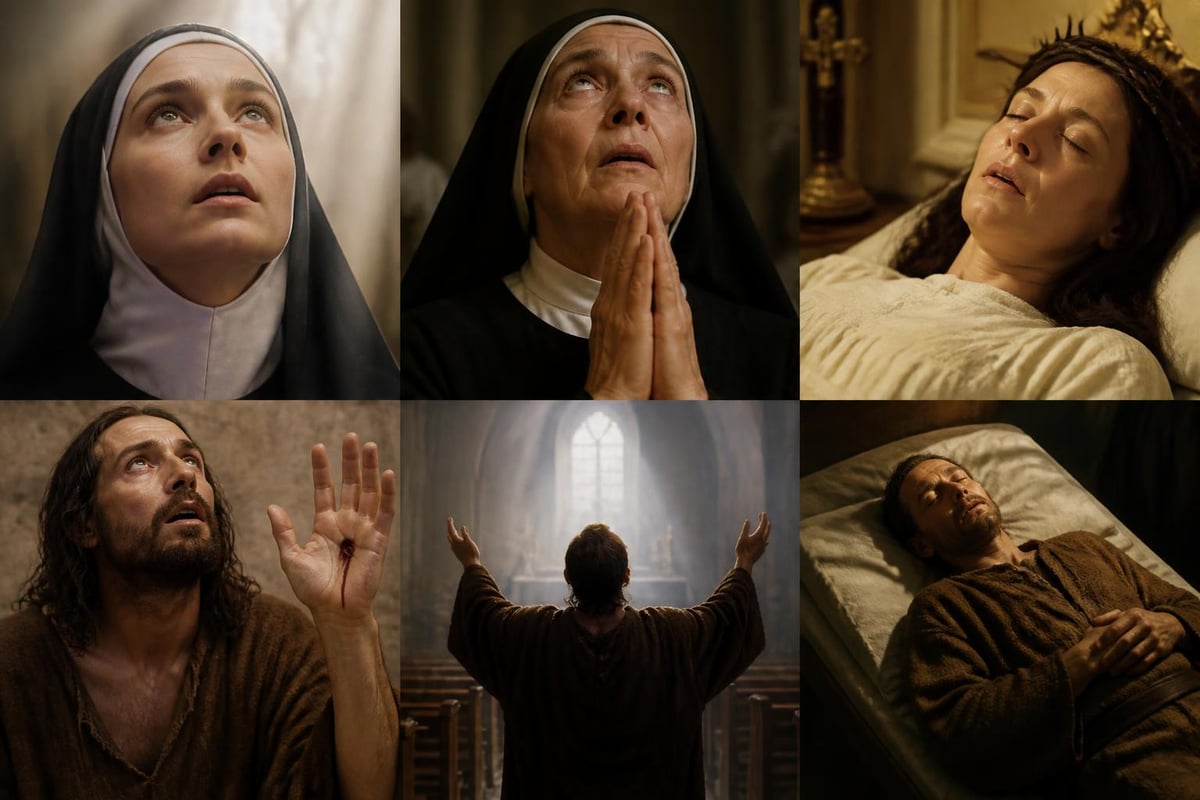
Modern Catholic Mystics and Contemporary Relevance
Mysticism did not end with the medieval or early modern periods. The 19th and 20th centuries produced remarkable mystics whose experiences speak powerfully to contemporary challenges.
Thérèse of Lisieux and Faustina Kowalska
Saint Thérèse of Lisieux (1873-1897) revolutionized Catholic spirituality through her "little way" of spiritual childhood. Though she never experienced dramatic visions, her profound intimacy with Christ and understanding of divine mercy mark her as a true mystic. Her autobiography reveals the depth possible in apparently ordinary religious life.
Saint Faustina Kowalska (1910-1938) received revelations of Christ's Divine Mercy that sparked a worldwide devotional movement. Her spiritual diary records detailed conversations with Jesus and visions that emphasize God's boundless compassion. The Divine Mercy image and chaplet she transmitted have become central to Catholic devotional life.
Padre Pio and Mystical Phenomena
Saint Padre Pio (1887-1968) manifested extraordinary mystical phenomena including stigmata, bilocation, and reading of souls. His suffering and intercessory prayer ministry attracted millions while he remained grounded in humble Capuchin obedience. Modern medical documentation of his wounds adds fascinating dimension to theological reflection on mystical charisms.
Contemporary catholic mystics often avoid public attention, living hidden lives of prayer and sacrifice. The Church continues to investigate potential visionaries while maintaining appropriate caution. Not every claimed mystical experience requires public recognition, as private mysticism for personal sanctification remains valid and valuable.
Discernment and Authentication of Mystical Experience
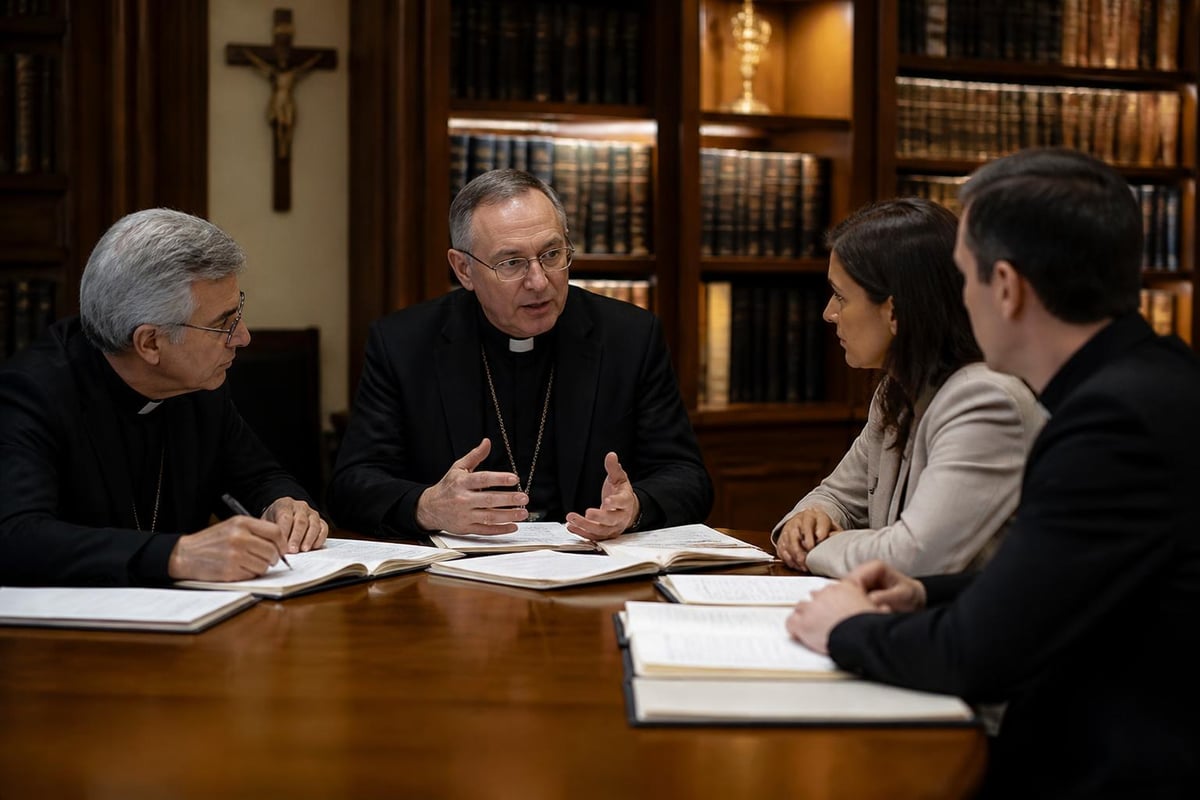
The Catholic Church employs rigorous criteria when evaluating claimed mystical experiences. Official discernment processes protect both the faithful and genuine mystics from exploitation or error.
Church Guidelines for Evaluation
The Church examines multiple factors when assessing mystical claims:
- Orthodoxy of doctrine - Does the message conform to Catholic teaching?
- Moral integrity - Does the visionary demonstrate virtue and holiness?
- Spiritual fruits - Do conversions, healings, or other good fruits result?
- Psychological stability - Is the person mentally and emotionally balanced?
- Obedience to authority - Does the person submit to Church oversight?
- Absence of scandal - Is the phenomenon free from financial exploitation or manipulation?
The distinction between ordinary and extraordinary mystical phenomena helps the Church navigate complex situations. While mystical graces remain gifts rather than requirements for holiness, their presence requires careful theological evaluation.
Red Flags and Dangers
Not all spiritual experiences originate from divine sources. The Church warns against several problematic patterns:
- Contradictions of defined Catholic doctrine
- Promotion of the visionary's importance over Christ
- Financial exploitation or profit-seeking
- Disobedience to legitimate Church authority
- Psychological instability or emotional manipulation
- Occult practices or New Age syncretism
Authentic catholic mystics demonstrate humility, orthodoxy, and obedience. They point others toward Christ rather than themselves. Their experiences produce lasting fruits of conversion and holiness rather than temporary excitement or controversy.
Practical Wisdom from Mystical Saints
Beyond extraordinary phenomena, catholic mystics offer practical guidance for ordinary spiritual life. Their hard-won insights help contemporary believers navigate the challenges of prayer and spiritual growth.
Prayer and Contemplation
The mystics unanimously emphasize several foundational practices:
- Daily mental prayer as the starting point for deeper communion
- Sacramental life centered on Eucharist and Confession
- Scripture meditation to hear God's voice through His Word
- Spiritual direction to avoid self-deception and maintain balance
- Detachment from created things to make room for divine love
Saint Teresa of Avila insisted that authentic prayer requires humility and self-knowledge. She warned against seeking consolations rather than the Consoler. Her realism about spiritual dryness encourages persistence through difficult periods.
Suffering and Purification
Nearly all mystics endured significant suffering as part of their spiritual journey. Saint John of the Cross taught that purgation of the senses and spirit prepares the soul for divine union. This suffering includes both external trials and internal "dark nights" where God seems absent.
The mystics transformed suffering through love, uniting their pain to Christ's passion. This redemptive view of hardship contrasts sharply with secular culture's avoidance of discomfort. Modern believers can draw strength from their example when facing life's inevitable crosses.
For those seeking to deepen their understanding of the saints who walked mystical paths, Catholic Saints minibooks offer accessible introductions to these spiritual giants. These compact resources make excellent companions for prayer and study, helping readers connect with the wisdom of catholic mystics in manageable portions.

Mysticism and the Eucharist
Central to Catholic mystical experience stands devotion to the Blessed Sacrament. Countless mystics received extraordinary graces during Mass or Eucharistic adoration. Their experiences affirm the Real Presence of Christ in the consecrated elements.
Eucharistic Miracles and Visions
Many catholic mystics witnessed miraculous phenomena related to the Eucharist:
| Mystic | Eucharistic Experience | Impact |
|---|---|---|
| Catherine of Siena | Mystical communion when denied physical reception | Emphasized spiritual communion |
| Gemma Galgani | Vision of crucified Christ in the Host | Deepened stigmata devotion |
| Juliana of Liège | Vision prompting Corpus Christi feast | Universal Church celebration established |
| Margaret Mary Alacoque | Sacred Heart revelations during adoration | Sacred Heart devotion spread worldwide |
These experiences did not substitute for ordinary faith but confirmed and strengthened the Church's Eucharistic teaching. The mystics' profound reverence for the Blessed Sacrament challenges contemporary casual approaches to the liturgy.
Adoration as Mystical Practice
Extended time before the Blessed Sacrament provided the context for many mystical graces. Saints report that silent presence before Christ in the tabernacle gradually transforms the soul even without dramatic experiences. This patient attentiveness cultivates the receptivity necessary for divine communication.
Modern Catholics can follow this mystical path through regular adoration, allowing Christ's Eucharistic presence to work transformation. The goal remains union with God rather than extraordinary experiences, yet faithful adoration often yields unexpected fruits of peace and insight.
Women Mystics and Their Unique Contributions
The history of Catholic mysticism includes a disproportionate number of women who received profound mystical graces. Medieval women mystics often exercised theological and pastoral influence through their visions when other avenues remained closed.
Breaking Barriers Through Mysticism
Female mystics like Hildegard of Bingen, Bridget of Sweden, and Catherine of Siena advised popes, wrote theological works, and shaped Church policy. Their mystical authority provided legitimacy that education or ordination could not. God's choice of these women demonstrated divine priorities that transcended human hierarchies.
These women combined contemplative depth with active ministry. They founded religious communities, cared for the sick, counseled rulers, and wrote extensively. Their holistic spirituality integrated prayer and action, mysticism and service.
Modern Female Mystics
The 20th century continued this tradition with mystics like Adrienne von Speyr, Marthe Robin, and Mother Teresa of Calcutta. Though their experiences differed widely, each woman allowed divine grace to work transformation that benefited the universal Church. Mother Teresa's "dark night" lasting decades reveals that mysticism may involve prolonged suffering as well as consolation.
Contemporary women continue receiving mystical graces, though many remain hidden from public view. The Church recognizes that authentic mysticism serves the common good rather than individual glorification.
Resources for Studying Catholic Mystics
Those wishing to deepen their understanding of mystical theology have numerous resources available. Academic guides provide scholarly frameworks while devotional materials offer accessible entry points.
Primary Sources and Translations
Reading the mystics' own writings provides irreplaceable insight into their experiences and teachings. Modern translations make these texts accessible:
- The Collected Works of St. John of the Cross - comprehensive spiritual theology
- The Autobiography of St. Teresa of Avila - candid self-revelation and prayer guidance
- The Dialogue of St. Catherine of Siena - divine wisdom through mystical conversation
- Diary of St. Faustina - modern mysticism centered on Divine Mercy
- Story of a Soul by St. Thérèse - little way of spiritual childhood
Secondary Literature and Analysis
Theological studies help contextualize mystical experiences within broader Catholic tradition. Works by scholars like Bernard McGinn, Evelyn Underhill, and contemporary researchers offer historical and theological frameworks for understanding mysticism's role in Church life.
Spiritual direction materials based on mystical teaching provide practical guidance for applying these insights. Books translating mystical wisdom into contemporary language help modern believers access this rich heritage.
Living a Mystical Spirituality Today
While few receive extraordinary mystical graces, all Catholics are called to deep communion with God. The mystics' example encourages ordinary believers to pursue sanctity through available means.
Practical Steps for Deepening Prayer
Anyone can adopt practices that mystics recommend:
- Establish daily mental prayer of at least 15-30 minutes
- Practice lectio divina with Scripture passages
- Attend daily Mass when possible and frequent adoration
- Seek spiritual direction from a qualified guide
- Read mystical writings slowly and prayerfully
- Embrace suffering as opportunity for purification
- Cultivate detachment from material possessions and worldly honors
These practices create conditions where God may grant deeper graces according to His will. The goal remains loving union with God rather than dramatic experiences, yet faithful practice often yields unexpected fruits.
Maintaining Balance and Humility
The mystics uniformly warn against seeking extraordinary experiences or considering oneself spiritually advanced. Pride remains the greatest obstacle to authentic mysticism. True progress in prayer increases humility, awareness of sin, and dependence on divine mercy.
Discernment through spiritual direction protects against self-deception and maintains ecclesial communion. The Church provides guardrails that keep contemplative practice orthodox and fruitful. Mysticism divorced from Church authority quickly devolves into subjectivism or even demonic deception.
The Future of Catholic Mysticism
As the Church faces challenges in an increasingly secular culture, mystical spirituality offers particular relevance. Deep contemplative prayer provides the grounding necessary for effective evangelization and cultural engagement.
Mysticism for the New Evangelization
Authentic encounters with Christ through prayer produce the conviction and joy that attract seekers. The catholic mystics demonstrate that Christianity offers more than moral teaching or social programs-it provides transforming relationship with the living God. This experiential dimension answers contemporary hunger for meaning and transcendence.
Young adults particularly respond to invitation into deeper prayer and authentic spiritual experience. Adoration chapels, contemplative communities, and mystical literature attract those disillusioned with superficial religiosity. The mystics' radical commitment and profound experiences challenge lukewarm faith.
Technology and Traditional Mysticism
Modern communication tools spread mystical teaching more widely than ever before. Online courses, podcasts, and digital libraries make mystical texts accessible globally. Yet genuine mysticism requires silence, solitude, and sustained attention-practices that digital culture undermines.
The tension between traditional contemplative practice and contemporary technology creates both opportunities and challenges. Resources from Journeys of Faith help bridge this gap, making mystical wisdom available through modern media while encouraging traditional devotional practices. Finding balance between accessibility and depth remains essential for authentic spiritual growth in 2026.
The rich tradition of catholic mystics offers timeless wisdom for contemporary believers seeking deeper communion with God. Their extraordinary experiences and practical teachings provide both inspiration and guidance for the spiritual journey. Whether through dramatic visions or quiet contemplation, these saints discovered the transforming power of divine love and shared their discoveries for the benefit of all.
Explore the lives and teachings of these remarkable saints through resources available at Journeys of Faith. Founded by Bob and Penny Lord, Journeys of Faith provides books, DVDs, prayer cards, and other materials that make Catholic mystical tradition accessible to modern audiences. Discover how the mystics' wisdom can transform your prayer life and deepen your relationship with Christ today.
Resources:
- Explore Journeys of Faith Online store with thousands of Catholic Items at https://journeysoffaith.com/collections
- Our Unique Mega Search Engine https://journeysoffaith.com/search is linked to hundreds of Catholic Shops and Stores
- Get the Journeys of Faith NEW App for IPhone or Android - Search for Journeys of Faith or go to https://journeysoffaith.com/pages/download-our-app
- Chat with us anytime https://chatting.page/mjxs9aerrtgm3lmpndlcepmbyosntrjn
- We need your help to reach more souls. Please Make a Donation https://journeysoffaith.com/pages/donate