

The Catholic prayer for the Church stands as one of the most essential and powerful expressions of our faith. When we pray for the Church, we're not simply reciting words but actively participating in the mission Christ entrusted to His apostles. This sacred practice connects every generation of believers, from the earliest Christians who gathered in the catacombs to today's vibrant global community. Understanding how to pray effectively for the Church enriches our spiritual lives and strengthens the Body of Christ across the world.
The Theological Foundation of Praying for the Church
The Catholic prayer for the Church flows directly from Scripture and Tradition. Christ Himself prayed for His Church in the Upper Room, asking the Father "that they may all be one" (John 17:21). This priestly prayer of Jesus serves as the model for how Catholics approach intercession for the universal Church, the local diocese, and individual parishes.
The Second Vatican Council's Constitution on the Sacred Liturgy emphasizes that liturgical prayer is the Church's public worship, where the faithful participate in Christ's own prayer to the Father. This communal dimension reminds us that when we pray for the Church, we're joining our voices with the entire communion of saints.
Key theological principles include:
- The Church as the Mystical Body of Christ requires our constant intercession
- Prayer for the Church participates in Christ's ongoing priestly ministry
- The Holy Spirit guides the Church through the faithful's persistent prayer
- Intercession strengthens the bonds of communion among all believers
The Role of the Faithful in Church Prayer
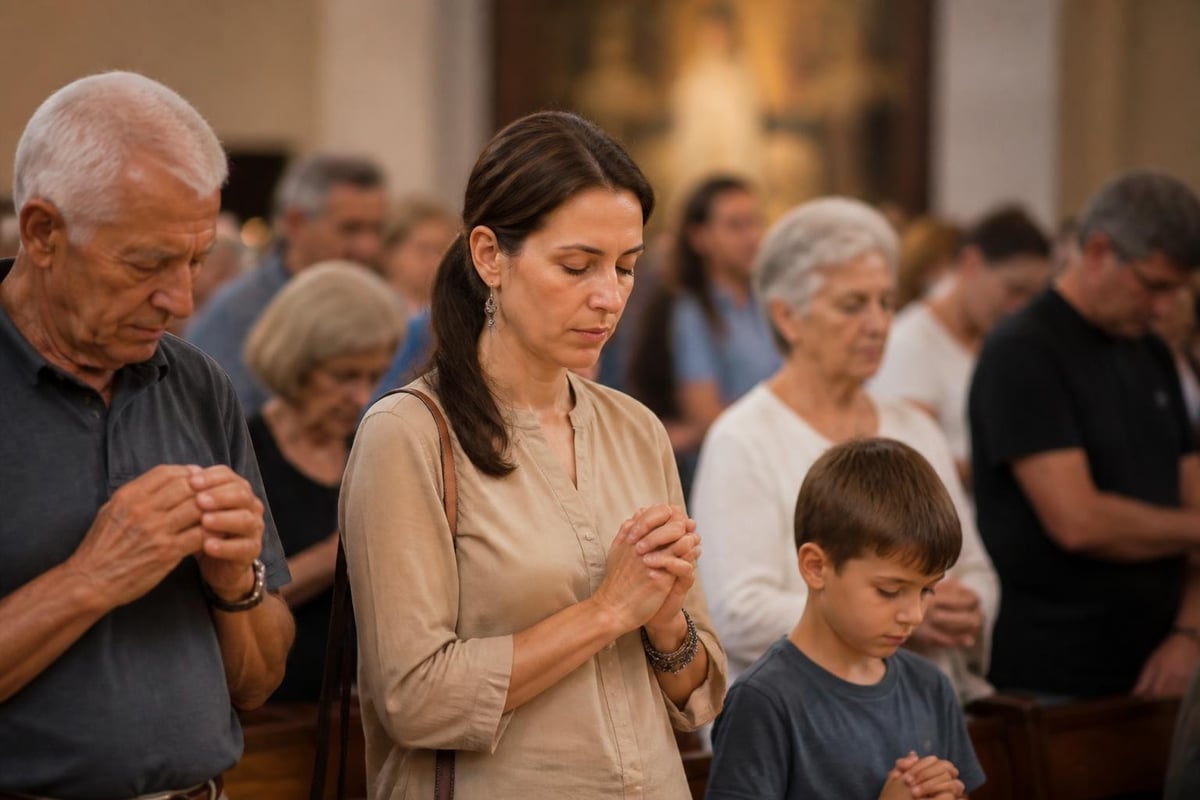
Every baptized Catholic shares the responsibility of praying for the Church's needs. This isn't reserved for clergy or religious but belongs to the common priesthood of all believers. When laypeople engage in authentic Catholic prayer for the Church, they fulfill their baptismal calling to participate in Christ's prophetic, priestly, and kingly offices.
Forms of Catholic Prayer for the Church
The Catholic tradition offers numerous ways to pray for the Church, each with distinct characteristics and spiritual benefits. Understanding these various forms helps us develop a richer prayer life that truly serves the Church's needs.
Liturgical Prayer and the Mass
The highest form of Catholic prayer for the Church occurs during the Holy Sacrifice of the Mass. The Eucharistic Prayer includes specific intercessions for the Pope, the local bishop, and the entire Church. During the Prayer of the Faithful, also called the General Intercessions, the assembly prays for the Church's needs, world leaders, the suffering, and the local community. The USCCB provides practical guidance on how parishes can craft meaningful intercessions that address contemporary Church needs.
Brought to you by Journeys of Faith. Founded by Bob and Penny Lord, we are an Augustinian Secular Institute and Cyber Apostles. Our Mission is Evangelization through Media.
| Prayer Form | Primary Focus | Frequency | Community Aspect |
|---|---|---|---|
| Mass | Eucharistic Sacrifice | Daily/Weekly | Fully communal |
| Liturgy of Hours | Sanctification of time | Daily (multiple times) | Communal or private |
| Rosary | Marian intercession | Daily | Both |
| Novenas | Specific intentions | Nine days | Both |
The Liturgy of the Hours, also known as the Divine Office, represents the Church's official daily prayer. Clergy and religious recite these prayers as part of their vocation, but laypeople increasingly participate as well. This ancient practice sanctifies different hours of the day while including consistent intercessions for the Church's mission and unity.
Devotional and Popular Prayer
Beyond liturgical prayer, Catholics practice numerous devotions that serve as powerful Catholic prayer for the Church expressions. The Rosary, arguably the most beloved Catholic devotion, incorporates petitions for the Church within its mysteries. When we contemplate Christ's life through Mary's eyes, we naturally pray for the Church He established.
- The Divine Mercy Chaplet focuses on God's mercy for the whole world and the Church
- Eucharistic Adoration offers intimate time to pray before the Blessed Sacrament for Church needs
- Novenas to specific saints can be directed toward particular Church intentions
- The Angelus recited three times daily maintains awareness of the Incarnation's significance for the Church
Resources like the Flame of Love Unity Prayer Card Packages provide accessible ways for families and individuals to engage in structured intercessory prayer. The Unity Prayer, given by Jesus Christ to Elizabeth Kindelmann, specifically asks for the outpouring of the Holy Spirit upon the Church and the conversion of souls.
These prayer cards exemplify how simple devotional tools can facilitate consistent Catholic prayer for the Church in daily life.
Specific Intentions for Church Prayer
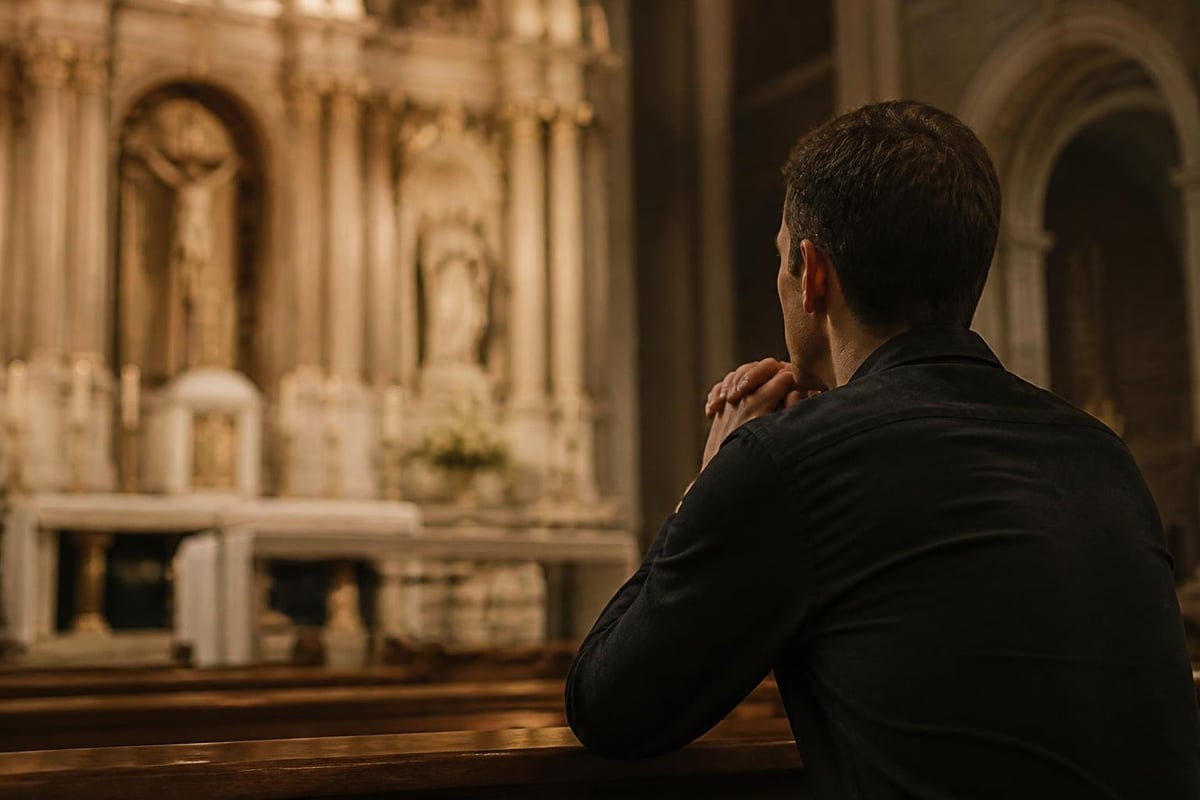
When we engage in Catholic prayer for the Church, identifying specific intentions helps focus our petitions and increases our awareness of real needs. The Holy Father provides monthly papal prayer intentions through the Pope's Worldwide Prayer Network, offering timely focuses that unite Catholics globally.
Praying for Church Leadership
Essential leadership intentions include:
- The Pope's physical health and spiritual wisdom
- Cardinals and bishops as they shepherd their dioceses
- Priests serving in parishes and specialized ministries
- Deacons bridging clergy and laity
- Religious sisters and brothers in their consecrated vocations
The challenges facing Church leadership in 2026 require our fervent intercession. Bishops navigate complex cultural issues while maintaining doctrinal integrity. Priests combat isolation and burnout while serving demanding pastoral schedules. Our Catholic prayer for the Church must address these concrete realities facing those who lead us.
Vocations and Formation
The Church desperately needs new vocations to the priesthood and religious life. Statistics show concerning declines in many Western nations, while other regions experience growth. Prayer remains the primary solution Jesus gave us: "The harvest is abundant but the laborers are few; so ask the master of the harvest to send out laborers for his harvest" (Matthew 9:37-38).
| Vocation Type | Prayer Focus | Specific Needs |
|---|---|---|
| Priesthood | Perseverance and holiness | Seminary formation, spiritual direction |
| Religious Life | Fidelity to charisms | Novice formation, community life |
| Married Couples | Witness to sacramental grace | Family prayer, raising children in faith |
| Single Vocation | Generous service | Discernment, lay ministry formation |
Seminary formation programs need our prayers as young men discern and prepare for priesthood. Those exploring consecrated religious life require grace to hear God's call clearly amid cultural noise. Even marriage, the most common vocation, needs our intercession as Catholic families strive to live their sacramental calling authentically.
Unity and Evangelization
The Catholic prayer for the Church must include petitions for Christian unity and effective evangelization. Ecumenical relationships between Catholics and other Christian denominations require patience, charity, and the Holy Spirit's guidance. The New Evangelization challenges us to present the Gospel compellingly to secularized cultures that have largely abandoned Christianity.
Contemporary evangelization challenges requiring prayer:
- Reaching young adults who identify as "spiritual but not religious"
- Effective use of digital media for authentic Catholic witness
- Combating misinformation about Church teaching
- Supporting catechetical programs that form mature disciples
- Encouraging active parish participation rather than passive attendance
Those interested in deepening their knowledge of Church history and the saints can explore resources from Journeys of Faith, which offers extensive materials on figures like Saint Anthony of Padua and Saint Clare of Assisi whose lives demonstrate powerful intercession for the Church's mission.
Practical Methods for Daily Church Prayer
Establishing consistent patterns of Catholic prayer for the Church transforms our spiritual lives from self-focused to ecclesial. The following practical methods help integrate Church intercessions into daily routines without overwhelming busy schedules.
Morning Offering
Begin each day by offering all actions, prayers, and sufferings for the Church's intentions. A simple morning offering might include:
"O Jesus, through the Immaculate Heart of Mary, I offer You my prayers, works, joys, and sufferings of this day for all the intentions of Your Sacred Heart, in union with the Holy Sacrifice of the Mass throughout the world, in thanksgiving for Your favors, in reparation for my sins, and for the intentions of the Holy Father and the needs of Holy Mother Church."
This practice immediately orients our day toward the Church's mission rather than purely personal concerns.
Integration with the Rosary
Each decade of the Rosary can include a brief petition for specific Church needs:
- Joyful Mysteries: Pray for expectant mothers and families raising children in the faith
- Luminous Mysteries: Petition for priests, especially during the Institution of the Eucharist
- Sorrowful Mysteries: Intercede for persecuted Christians and those suffering for the faith
- Glorious Mysteries: Ask for the Church's triumph over errors and the conversion of nations
Eucharistic Holy Hours
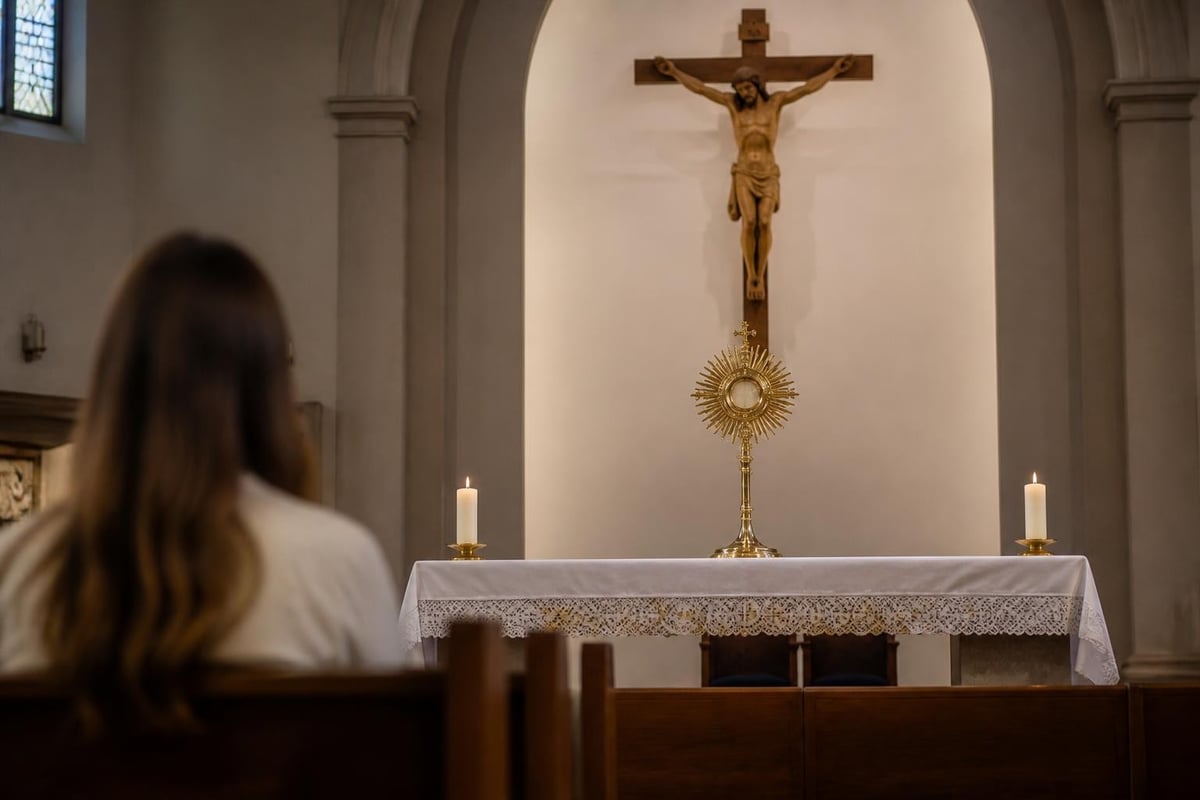
Spending a weekly Holy Hour before the Blessed Sacrament provides focused time for Catholic prayer for the Church. Structure this time with Scripture reading, meditation on a Church document, intercessory prayer, and silent contemplation. Many parishes maintain perpetual adoration chapels where the faithful can sign up for regular hours.
The Prayer of the Faithful at Mass
The Prayer of the Faithful, also called the General Intercessions, represents the assembly's priestly role of interceding for the world and Church. The Vatican's Directory on Popular Piety and the Liturgy explains how this prayer complements rather than replaces personal devotions.
Proper Structure and Content
Well-crafted intercessions follow a traditional pattern addressing four categories in order:
- The needs of the Church: Unity, holiness, missionary work, leadership
- Public authorities and the salvation of the world: Peace, justice, government leaders
- Those burdened by difficulty: Sick, suffering, poor, marginalized
- The local community: Parish needs, celebrations, deceased members
Resources from OCP and the Liturgy Office provide practical examples for composing effective intercessions that reflect genuine Catholic prayer for the Church concerns.
Characteristics of effective intercessions:
- Brief and focused rather than lengthy explanations
- Inclusive language that unites the assembly
- Concrete enough to be meaningful yet broad enough to encompass many situations
- Theologically sound and liturgically appropriate
- Respectful of the Mass's sacred character
The Assembly's Response
The congregation's sung or spoken response ("Lord, hear our prayer" or similar) isn't mere repetition but active participation in the Church's intercessory prayer. This communal aspect distinguishes liturgical prayer from private devotion. We pray not as isolated individuals but as the Body of Christ unified in petition.
Teaching Children to Pray for the Church
Forming the next generation in Catholic prayer for the Church ensures this vital practice continues. Children absorb prayer patterns from parents and catechists, making intentional instruction essential.
Age-Appropriate Methods
Preschool (ages 3-5):
- Simple prayers for "Father [Name], our priest" and "Pope Francis"
- Visual aids showing the Pope, bishop, and pastor
- Songs about the Church as God's family
Elementary (ages 6-11):
- Learning about the Church's hierarchical structure
- Praying a decade of the Rosary for priests and religious
- Understanding their parish as part of the universal Church
- Creating prayer intentions for Mass intercessions
Adolescents (ages 12-18):
- Studying Church history and the communion of saints
- Participating in youth adoration with Church-focused intentions
- Understanding contemporary challenges facing the Church
- Serving as lectors who proclaim the Prayer of the Faithful
The McGrath Institute for Church Life offers excellent resources on the theology of the Mass that can help parents and catechists explain why we pray for the Church during liturgy.
Family Prayer Practices
Designate specific days for different Church intentions during family prayer time. For example:
- Sunday: Gratitude for the Sunday Eucharist and prayers for the assembly
- Monday: The Pope's intentions and universal Church needs
- Tuesday: The local bishop and diocesan priorities
- Wednesday: Parish priest(s) and parish staff
- Thursday: Vocations to priesthood and religious life
- Friday: Persecuted Christians and missionary work
- Saturday: Preparation for Sunday worship and openness to the Holy Spirit
Special Occasions for Church Prayer
Certain liturgical seasons and occasions call for intensified Catholic prayer for the Church, providing natural opportunities to deepen our intercessory practice.
Liturgical Seasons
Advent: Pray for the Church's preparation to receive Christ anew and for effective Advent evangelization programs.
Christmas: Intercede for the Church's witness to the Incarnation in an increasingly secular culture.
Lent: Petition for the Church's renewal, conversion of sinners, and preparation of the elect for Baptism at Easter.
Easter Season: Celebrate the Church's resurrection life and pray for newly initiated Catholics.
Ordinary Time: Maintain steady intercession for the Church's daily mission and growth in holiness.
Feast Days and Solemnities
Certain feast days particularly emphasize Catholic prayer for the Church:
| Feast | Date | Prayer Focus |
|---|---|---|
| Chair of St. Peter | February 22 | Papal ministry and unity |
| Pentecost | Moveable | Holy Spirit's guidance of the Church |
| Sts. Peter & Paul | June 29 | Apostolic foundation and mission |
| Dedication of the Lateran Basilica | November 9 | The Church as sacred community |
| Christ the King | Last Sunday of Ordinary Time | Christ's reign through His Church |
Ember Days and Rogation Days
These traditional days of prayer and fasting, though less commonly observed since Vatican II, historically focused on vocations and the Church's fruitfulness. Reviving personal observance of Ember Days (four times yearly) for priesthood vocations represents a concrete Catholic prayer for the Church practice with deep roots.
Overcoming Obstacles to Consistent Church Prayer
Many Catholics struggle to maintain regular Catholic prayer for the Church despite good intentions. Identifying common obstacles helps us develop strategies for perseverance.
Time Constraints
Modern life's hectic pace challenges prayer consistency. Rather than abandoning the practice, adapt it:
- Use brief "arrow prayers" throughout the day: "Lord, bless Your Church"
- Pray during commutes using recorded Rosaries or Divine Mercy Chaplets
- Combine prayer intentions with existing routines (grace before meals, bedtime prayers)
- Utilize apps that send daily reminders for papal intentions
Feeling Disconnected from Church Needs
When Church issues seem distant or abstract, our prayers lose fervor. Combat this by:
- Reading Catholic news sources to stay informed about real situations
- Subscribing to diocesan communications detailing local needs
- Building relationships with priests and religious to understand their challenges
- Participating in parish councils or committees where needs are discussed
Doubt About Prayer's Effectiveness
Skepticism about whether our prayers genuinely help the Church can undermine commitment. Remember:
Theological truths about intercessory prayer:
- God invites our participation in His providential plan
- Prayer changes us, making us more aligned with Church needs
- The communion of saints unites our prayers with the entire Church's intercession
- Scripture repeatedly demonstrates prayer's power (James 5:16)
Recent scholarship, including this Cambridge study on intercession in the Eucharist, explores the theological foundations of why our prayers for the Church genuinely matter within God's economy of salvation.
Resources for Deepening Church Prayer
Numerous resources support Catholics seeking to develop their Catholic prayer for the Church practice. Beyond personal initiative, these materials provide structure and inspiration.
Books and Publications
Liturgical Press offers extensive resources supporting prayer and liturgical life, including daily prayer books that integrate Church intercessions. Their publication "Give Us This Day" includes daily Mass readings, reflections, and prayers that keep subscribers connected to the universal Church's rhythm.
Traditional prayer books contain collected prayers for various Church intentions, often organized by liturgical season or specific needs. These tested formulas provide language when our own words fail.
Digital Resources
Websites and apps facilitate Catholic prayer for the Church:
- iBreviary: Full Liturgy of the Hours accessible on smartphones
- Laudate: Comprehensive Catholic app with prayers, Mass readings, and saint information
- Hallow: Guided prayer app with Church intention tracks
- Pray As You Go: Daily prayer based on Ignatian spirituality
Parish and Diocesan Opportunities
Local Church structures provide communal contexts for prayer:
- Perpetual Adoration chapels where sign-up sheets can include Church intentions for each hour
- Prayer groups specifically focused on Church needs and vocations
- Holy Hours scheduled around priest ordination anniversaries or vocations awareness
- Diocesan days of prayer called by the bishop for specific situations
Those interested in deepening their prayer life with quality resources can explore the extensive collection available at Journeys of Faith, including prayer cards, novenas, and devotional materials that facilitate consistent intercession for the Church.
The Communion of Saints and Church Prayer
The Catholic understanding of Church prayer extends beyond earthly petitioners to include the entire communion of saints. When we practice Catholic prayer for the Church, we join our voices with the saints in heaven and the souls in purgatory.
Invoking Patron Saints of the Church
Certain saints hold special patronage over the Church and her mission:
- St. Peter: First Pope and foundation of papal authority
- St. Paul: Apostle to the Gentiles and missionary zeal
- St. Joseph: Patron of the universal Church
- St. Thérèse of Lisieux: Patroness of missions
- St. Catherine of Siena: Doctor of the Church who strengthened papal authority
Praying novenas to these saints for Church intentions adds their powerful intercession to our petitions. The litany of saints, prayed during the Easter Vigil and other solemn occasions, reminds us that the Church Triumphant actively prays for the Church Militant.
Mary's Role in Church Prayer
The Blessed Virgin Mary holds a unique position as Mother of the Church. Her "yes" at the Annunciation made the Church possible, and her continued maternal care sustains the Church through trials. Every Marian prayer becomes, by extension, a Catholic prayer for the Church because Mary's entire being is oriented toward her Son's mystical body.
The Memorare, one of the most beloved Marian prayers, can be adapted for Church intentions: "Remember, O most gracious Virgin Mary, that never was it known that anyone who fled to thy protection, implored thy help, or sought thy intercession was left unaided. Inspired with this confidence, we fly unto thee, O Virgin of virgins, our Mother. To thee do we come; before thee we stand, sinful and sorrowful. O Mother of the Word Incarnate, despise not our petitions for thy Church, but in thy mercy hear and answer us."
The Catholic prayer for the Church represents far more than a pious practice; it participates in Christ's ongoing priestly work of sanctification and intercession. By integrating these prayers into our daily rhythm, we strengthen the entire Body of Christ and align ourselves with the Holy Spirit's work in the world. Whether through the Mass, the Liturgy of the Hours, personal devotions, or simple arrow prayers throughout the day, every Catholic can contribute meaningfully to the Church's spiritual vitality through consistent, fervent intercession.
Journeys of Faith supports Catholics in developing rich prayer lives through quality resources, educational materials, and devotional aids. Explore thousands of Catholic items that facilitate deeper prayer at Journeys of Faith collections. As a Catholic media company founded by Bob and Penny Lord and dedicated to evangelization, Journeys of Faith provides podcasts, books, and inspirational content free of charge across multiple platforms. Your support through donations helps continue sharing the beauty of the Catholic faith. Visit Journeys of Faith to discover resources that will enrich your prayer for the Church and deepen your Catholic faith.
