

The Catholic Church honors countless female patron saints whose lives of heroic virtue continue to inspire and intercede for believers worldwide. These holy women, recognized for their extraordinary faith and sacrifice, serve as spiritual advocates for specific causes, professions, nations, and life circumstances. From ancient martyrs to modern mystics, female patron saints demonstrate that sanctity knows no boundaries of time or culture. Their stories reveal the diverse ways women have shaped Christian spirituality and continue to guide the faithful through their powerful intercession.
Understanding Patronage in the Catholic Tradition
Patronage in Catholicism refers to the special relationship between a saint and a particular group, profession, place, or cause. This spiritual connection emerged organically throughout Church history as believers recognized how certain saints' earthly experiences or circumstances aligned with specific needs.
The Vatican recognizes patron saints through formal declarations and long-standing traditions. When the Holy See designates a patron saint, it acknowledges the saint's particular effectiveness in interceding for certain intentions. Female patron saints often gained their patronages through their life experiences, the manner of their martyrdom, or miraculous events attributed to their intercession.
Brought to you by Journeys of Faith, Founded by Bob and Penny Lord - We are an Augustinian Secular Institute - Cyber Apostles - Our Mission is Evangelization through Media.
How Female Saints Become Patrons
The process of a saint becoming associated with a specific patronage follows several paths:
- Historical connection: The saint's life work directly relates to the cause (teachers, nurses, mothers)
- Martyrdom circumstances: The manner of death creates symbolic links to specific groups or needs
- Miraculous intercession: Documented miracles performed through the saint's prayers
- Popular devotion: Centuries of faithful devotion solidify the patronage relationship
- Papal declaration: Official Church recognition formalizes the patronage
| Patronage Type | Example Saint | Reason for Patronage |
|---|---|---|
| Profession | St. Catherine of Alexandria | Philosophers and scholars |
| Life Circumstance | St. Monica | Mothers of difficult children |
| Geographic | St. Brigid of Ireland | Ireland |
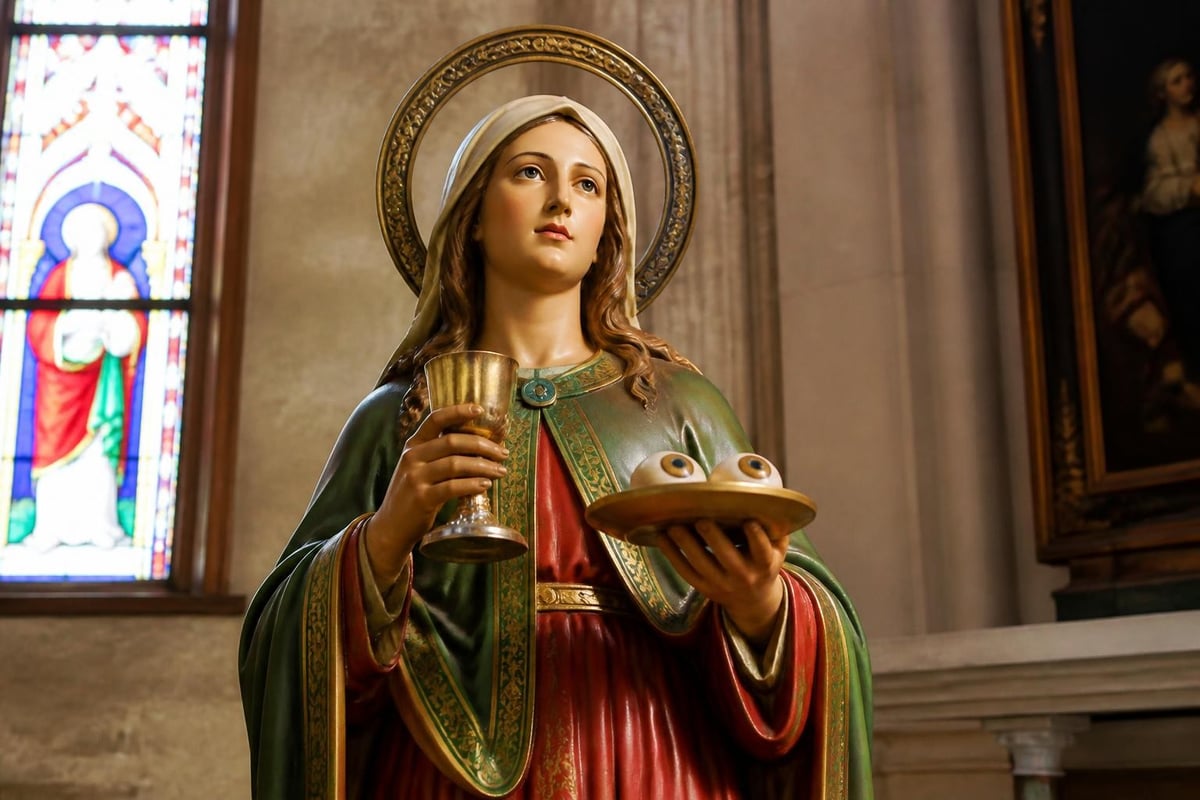
| Health Condition | St. Agatha | Breast cancer patients |
| Spiritual Need | St. Thérèse of Lisieux | Missionaries |
Prominent Female Patron Saints Throughout History
The roster of female patron saints spans two millennia and encompasses every continent. These women came from diverse backgrounds-royalty and poverty, education and illiteracy, contemplative solitude and active service. Their common thread is unwavering faith that transformed their lives into vessels of grace.
Ancient Martyrs Who Continue to Intercede
The early Church produced numerous female martyrs whose courage under persecution established them as powerful intercessors. St. Agnes, martyred at age thirteen around 304 AD, became the patron saint of young girls, chastity, and victims of sexual abuse. Her steadfast refusal to renounce her faith or her consecration to Christ inspired countless believers.
St. Lucy of Syracuse, martyred during the Diocletian persecution, serves as patron of the blind and those with eye disorders. According to tradition, her eyes were gouged out during her torture, yet she continued to profess her faith. Her name, derived from "lux" meaning light, reinforces her patronage of vision and illumination.
St. Catherine of Alexandria, whose feast falls on November 25, protects philosophers, scholars, librarians, and unmarried women. Her legendary debate with fifty pagan philosophers resulted in their conversion and her eventual martyrdom on a spiked wheel.
Medieval Saints and Their Enduring Influence
The medieval period produced female patron saints whose mystical experiences and practical charity continue to guide the faithful. St. Hildegard of Bingen (1098-1179) gained recognition as a Doctor of the Church and serves as patron of musicians, writers, and those seeking natural remedies. Her visions, musical compositions, and medical writings demonstrate the breadth of her genius.
St. Catherine of Siena, another Doctor of the Church, intercedes for Europe, Italy, firefighters, and nurses. Her fearless advocacy for Church reform and her mystical marriage to Christ established her as one of Christianity's most influential women. The lives of the Catholic saints continue to inspire believers today.
- St. Joan of Arc: France, soldiers, martyrs
- St. Gertrude of Nivelles: Travelers, gardeners, cats
- St. Elizabeth of Hungary: Bakers, nursing services, Third Order Franciscans
- St. Clare of Assisi: Television, eye disease, embroiderers
Modern Female Patron Saints
The twentieth and twenty-first centuries have witnessed the canonization of female patron saints whose lives resonate with contemporary challenges. These modern saints demonstrate that holiness remains achievable in our complex world.
Saints of Divine Mercy and Compassion
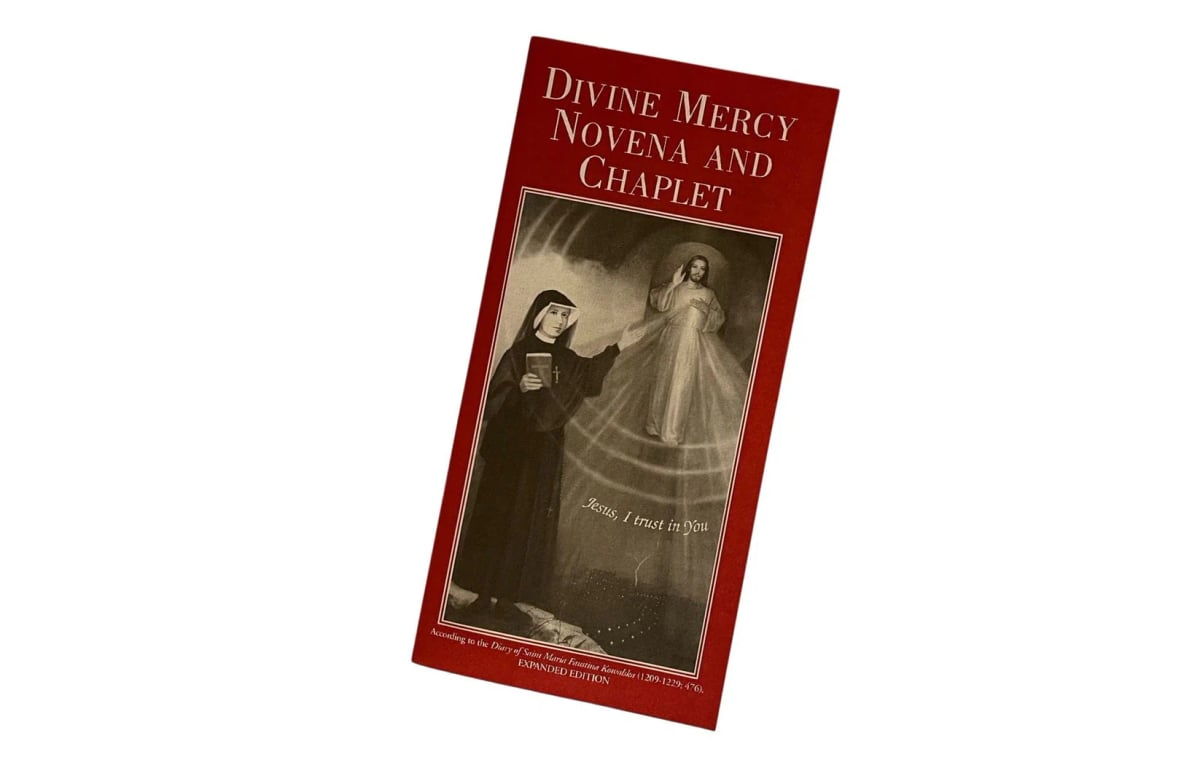
St. Faustina Kowalska (1905-1938) became the apostle of Divine Mercy after receiving visions of Jesus requesting a feast day and specific devotions. She serves as patron of mercy and World Youth Day. Her diary, Divine Mercy in My Soul, records Christ's messages about His infinite compassion for sinners. Many faithful pray the Divine Mercy Chaplet she received in vision, and resources like the Divine Mercy Novena and Chaplet help believers enter into this powerful devotion.
St. Teresa of Calcutta (1910-1997) exemplified charitable service to the poorest of the poor. While not yet officially declared a patron, she already serves as an unofficial patron of World Youth Day and charitable workers worldwide. Her Missionaries of Charity continue her legacy across continents.
Saints Who Broke Barriers
St. Kateri Tekakwitha (1656-1680) became the first Native American saint canonized by the Catholic Church. She serves as patron of ecology, environment, and Native Americans. Her conversion to Christianity despite fierce opposition from her Mohawk community demonstrates courage in following conscience. Her witness as the Lily of the Mohawks continues to inspire indigenous peoples and environmentalists.
St. Josephine Bakhita (1869-1947), born in Sudan and sold into slavery as a child, eventually gained freedom in Italy and became a Canossian sister. She intercedes for Sudan and trafficking victims, providing hope to those suffering modern slavery's horrors.
Female Patron Saints by Profession and Vocation
Professional patronages connect workers with saints who understand their daily challenges. These spiritual relationships provide encouragement and intercession for work-related struggles.
Healthcare and Healing
The medical profession enjoys numerous female patron saints whose earthly service to the sick established their heavenly advocacy. St. Agatha intercedes for breast cancer patients and nurses. Research into saints associated with specific medical conditions reveals the deep connection between patronage and healing ministry.
Healthcare Patron Saints
- St. Camillus de Lellis: Nurses, hospitals, sick
- St. Margaret of Antioch: Pregnant women, childbirth
- St. Gianna Beretta Molla: Mothers, physicians, unborn children
- St. Peregrine: Cancer patients
Education and Intellectual Pursuits
Female patron saints of learning inspire teachers, students, and scholars to pursue truth while maintaining faith. St. Catherine of Alexandria protects philosophers and students. Her intellectual courage in defending Christianity before emperors and scholars provides a model for academic integrity.
St. Angela Merici founded the Ursulines, the first teaching order of women religious. She serves as patron of the sick, disabled, and loss of parents. Her educational innovations opened new possibilities for women's ministry.
Geographic Patronage: Nations Under Mary's Daughters
Countries and regions invoke female patron saints as spiritual protectors and national symbols. These patronages often reflect the saint's birthplace, ministry location, or apparition site.
| Country/Region | Patron Saint | Significance |
|---|---|---|
| France | St. Joan of Arc, St. Thérèse | Military victory and spiritual childhood |
| Ireland | St. Brigid | Pre-Christian goddess associations christianized |
| Sweden | St. Bridget | Mystic and founder of religious order |
| Philippines | St. Rose of Lima | First saint of the Americas |
| Poland | St. Hedwig | Queen and charitable servant |
St. Brigid of Ireland shares patronage of the Emerald Isle with St. Patrick and St. Columba. Her fifth-century monastery at Kildare became a center of learning and spirituality that influenced Irish Christianity for centuries.
St. Bridget of Sweden received revelations that influenced Church reform during the fourteenth century. Her mystical experiences and prophecies earned her recognition as a patron of Europe alongside St. Catherine of Siena and others.
Regional and Local Patronages
Beyond national patronages, countless female patron saints protect cities, dioceses, and local communities. St. Rose of Viterbo intercedes for her Italian hometown. St. Kateri Tekakwitha watches over specific Native American communities where she lived and ministered.
These local patronages create intimate connections between communities and their heavenly advocates. Parish churches dedicated to female patron saints maintain these devotional relationships through feast day celebrations and regular intercession.
Women as Patrons in Early Christian Communities
Historical scholarship reveals how women functioned as patrons, students, and martyrs in nascent Christian communities. These roles established precedents for later patronage traditions. Wealthy Christian women funded house churches, supported missionaries, and provided refuge during persecutions.
The prominence of female martyrs in early Christian memory reflects their crucial witness during persecutions. Their courage under torture and execution inspired community veneration that evolved into formal patronage recognition. This historical foundation explains why so many ancient female patron saints emerged from the martyr ranks.
Patronage and Social Transformation
Female patron saints often championed marginalized groups during their earthly lives. This advocacy continues through their patronages of the poor, enslaved, sick, and oppressed. St. Teresa of Avila reformed the Carmelite order while navigating Inquisition scrutiny, becoming patron of Spain and headache sufferers.
- Challenged social conventions restricting women's ministry
- Provided education to girls when formal schooling was denied
- Cared for outcasts including lepers, plague victims, prostitutes
- Founded religious communities that empowered women's vocations
- Preserved literacy and learning through manuscript copying
Devotional Practices Honoring Female Patron Saints
Catholics honor female patron saints through various devotional practices that strengthen spiritual bonds and invite intercession. Prayer cards, novenas, feast day celebrations, and pilgrimages maintain these vital connections. Prayer cards and novenas offer tangible reminders of these holy women's intercession.
Novenas and Special Prayers
Nine-day novenas to female patron saints prepare hearts for feast days or petition urgent needs. The novena to St. Philomena, virgin martyr and wonder-worker, has generated countless testimonies of answered prayers. Her patronage of infants, babies, and youth makes her novena particularly popular among parents.
St. Rita of Cascia, patron of impossible causes, receives millions of petitions annually. Her novena addresses seemingly hopeless situations, drawing on her own experience of family tragedy transformed by grace. Devotees place roses on her tomb, continuing a centuries-old tradition.
Popular Novenas to Female Saints
- St. Thérèse of Lisieux (Little Flower novena)
- St. Jude Thaddeus and St. Rita (impossible causes)
- St. Anne (mothers, grandmothers, childless couples)
- Our Lady of Perpetual Help (all needs)
- St. Monica (conversion of loved ones)
Feast Days and Liturgical Celebrations
The Church calendar marks female patron saints' feast days as opportunities for special veneration. These celebrations include special Masses, processions, and cultural traditions. St. Lucy's feast on December 13 features light symbolism throughout Scandinavia, where young girls wear candle crowns.
St. Agatha's feast on February 5 includes blessing bread shaped like breasts, referencing her martyrdom and patronage of breast cancer patients. These tangible customs connect physical realities with spiritual intercession.
Choosing a Patron Saint for Personal Devotion
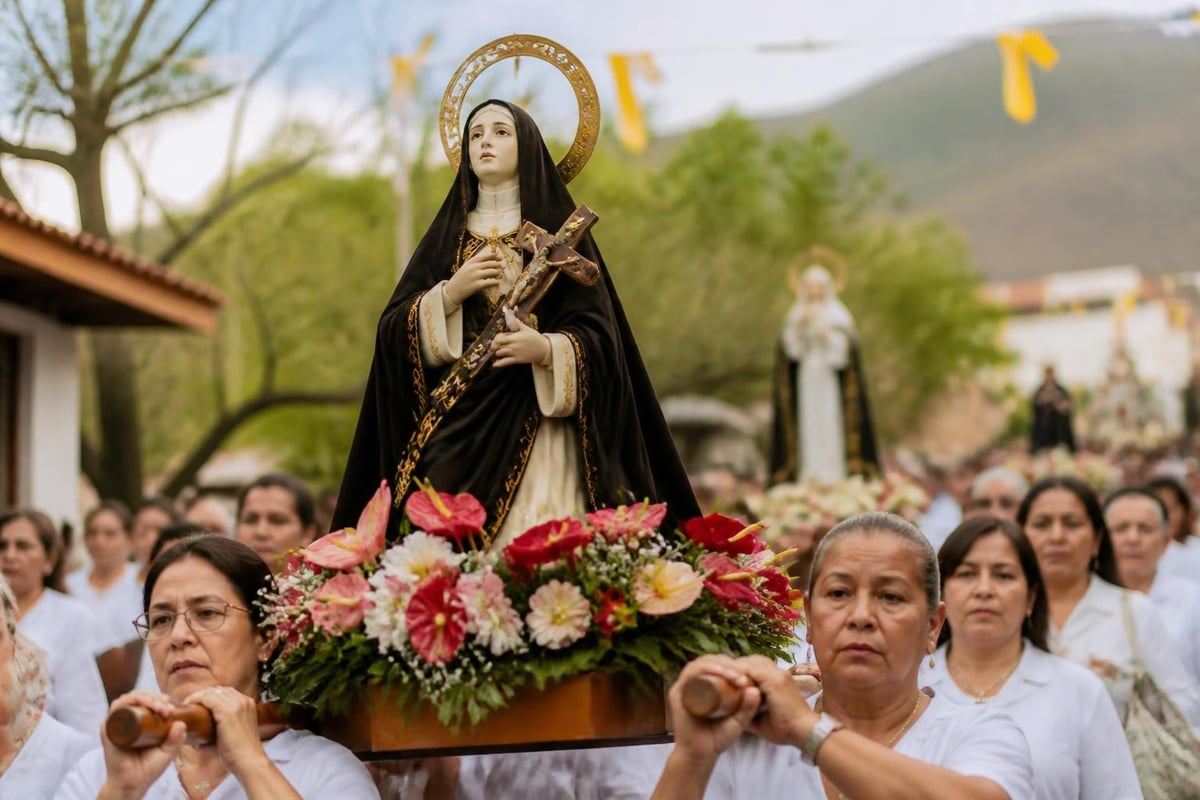
Catholics traditionally select patron saints for personal devotion based on several considerations. Confirmation candidates often adopt a saint's name, creating lifelong spiritual companionship. This selection process encourages research into saints' lives and patronages.
Considerations for choosing a female patron saint include:
- Name connection: Saints who share your baptismal or family name
- Life circumstances: Saints who experienced similar challenges
- Professional alignment: Saints who share your vocation or work
- Spiritual attraction: Unexplainable draw to a particular saint's story
- Cultural heritage: Saints from your ancestral homeland
The relationship with a patron saint grows through prayer, study, and imitation. Reading biographies, visiting shrines, and observing feast days deepen this spiritual friendship. Many Catholics report experiencing their patron saint's intercession during critical life moments.
Lesser-Known Female Patron Saints Worth Discovering
While certain female patron saints enjoy widespread recognition, many lesser-known holy women offer powerful intercession for specific needs. St. Dymphna, seventh-century Irish princess, serves as patron of mental illness, anxiety, and neurological disorders. Her shrine in Geel, Belgium, pioneered compassionate mental healthcare.
St. Quiteria of Coimbra intercedes against rabies and dog bites, reflecting her legend of being tied to a tree for dogs to devour. St. Bibiana protects against hangovers and headaches-a patronage that brings smiles while addressing real suffering.
Discovering Patron Saints Through Resources
Journeys of Faith offers extensive resources exploring female patron saints through books, minibooks, and prayer cards. These materials provide accessible introductions to saints' lives and suggest appropriate devotional practices. The company's mission of evangelization through media makes saint stories available to broad audiences.
| Resource Type | Benefits | Best For |
|---|---|---|
| Prayer Cards | Portable reminders, quick prayers | Daily devotion, sharing |
| Novena Booklets | Structured nine-day prayers | Specific intentions |
| Biographies | Detailed life stories | Deep study |
| DVDs | Visual storytelling | Family learning |
The Intercessory Power of Female Patron Saints Today
Contemporary believers continue experiencing the intercessory power of female patron saints through answered prayers, conversions, healings, and spiritual consolations. Testimonies flood shrine offices worldwide, documenting extraordinary interventions attributed to specific saints.
St. Philomena's shrine receives thousands of thanksgiving letters annually reporting healings, job placements, reconciliations, and conversions. Despite her removal from the universal calendar due to historical uncertainties, popular devotion recognizes her powerful intercession.
The phenomenon of female patron saints transcends denominational boundaries, with Orthodox, Anglican, and Lutheran traditions maintaining similar veneration practices. This ecumenical dimension reveals universal human need for heavenly advocates who understand earthly struggles.
Modern Challenges and Ancient Intercession
Twenty-first century challenges find advocates among female patron saints whose earthly lives seem far removed from digital age complexities. Yet human nature's fundamental struggles-loneliness, injustice, illness, doubt-remain constant across centuries. St. Teresa of Avila's battles with spiritual dryness speak to modern seekers experiencing God's seeming absence.
St. Clare of Assisi's patronage of television arose from a miraculous vision allowing her to witness Christmas Mass from her sickbed. This patronage extends to all electronic media, making her relevant for internet evangelization efforts.
Building Devotion Through Community and Family
Female patron saints strengthen family bonds when households adopt shared devotions. Families might pray together to St. Monica for wayward children, St. Anne for grandparents, or St. Frances of Rome for married women balancing family and spiritual life.
Parish communities dedicated to female patron saints create networks of mutual support and shared intercession. Annual feast day celebrations become opportunities for fellowship, catechesis, and renewed commitment to the saint's virtues.
Ways Families Honor Female Patron Saints
- Celebrate saint feast days with special meals
- Name children after favorite patron saints
- Display saint images in home prayer spaces
- Learn patron saint stories during family prayer time
- Visit shrines and pilgrimage sites together
- Participate in parish feast day traditions
Homeschooling families find excellent resources about patron saints that integrate faith formation with academic learning. Children naturally connect with female patron saints whose courage, kindness, and faith provide concrete virtue examples.
Female patron saints offer powerful intercession, inspiring examples, and compassionate understanding for every human circumstance. Their diverse lives demonstrate that sanctity flourishes in all cultures, eras, and vocations. Whether seeking guidance for specific challenges or deepening your spiritual life, these holy women stand ready to intercede and accompany you on your faith journey. Journeys of Faith provides resources to help you discover and develop devotion to female patron saints through books, prayer cards, and media materials. Explore thousands of Catholic items in our online store to support your spiritual growth. Journeys of Faith is blessed to provide Catholic media, including podcasts and inspirational content, free of charge across multiple media platforms for viewers and listeners around the world-while access remains free, there are significant and continually increasing costs associated with producing, hosting, and distributing these programs; your support helps us continue sharing the beauty of the Catholic faith with souls, so please make a donation to further our evangelization mission.
