

The concept of heaven in Catholic theology represents the ultimate fulfillment of human existence, a state of perfect communion with God that transcends earthly understanding. For Catholics, heaven is not merely a place but a profound relationship with the Divine, where the faithful experience what the Church calls the beatific vision. This ancient teaching continues to shape how millions of believers understand their eternal destiny and inspires the faithful to live lives oriented toward this supreme good. Understanding what heaven means in the Catholic tradition offers both hope and direction for the spiritual journey.
The Beatific Vision: Seeing God Face to Face
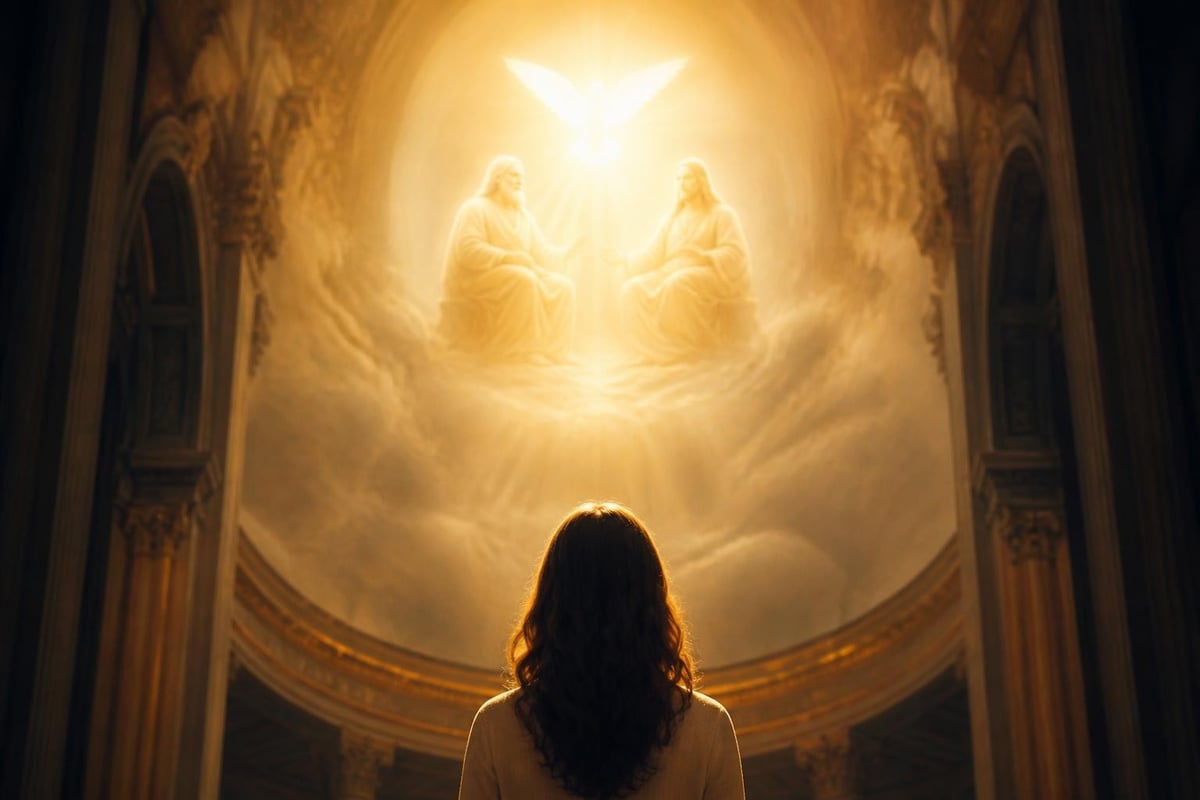
The Catholic Church teaches that heaven's essence lies in the beatific vision, the direct and immediate knowledge of God that transforms the soul completely. This doctrine distinguishes the Catholic understanding of heaven from many popular cultural representations that focus on physical descriptions or earthly comforts. According to the Catechism of the Catholic Church's teaching on heaven, those who die in God's grace and friendship experience perfect life with the Most Holy Trinity.
The beatific vision encompasses several essential elements:
- Direct, face-to-face encounter with God's divine essence
- Perfect knowledge and understanding proportionate to each soul's capacity
- Eternal participation in God's own happiness and glory
- Complete satisfaction of every human desire for truth, goodness, and beauty
This vision represents the culmination of the human person's deepest longings. The blessed in heaven see God as He truly is, without the obscurity of faith that characterizes earthly life. This immediate vision transforms the soul, making the person a partaker of divine nature while still maintaining individual identity and personality.
Who Enters Heaven According to Catholic Teaching
The Catholic Church's understanding of who enters heaven has developed through centuries of theological reflection and divine revelation. Those who die in a state of grace, having been purified of all attachment to sin, enter immediately into heavenly glory. For many souls, this purification occurs through purgatory, a state of final cleansing before entering the full joy of heaven.
The Church recognizes various paths to heaven while maintaining that salvation comes through Jesus Christ. The faithful who have lived lives of heroic virtue, the Saints, serve as witnesses to the reality of heavenly glory. Their examples demonstrate that heaven is not reserved for perfect people but for those who have responded to God's grace and mercy with repentance and love.
Brought to you by Journeys of Faith, founded by Bob and Penny Lord. We are an Augustinian Secular Institute and Cyber Apostles. Our Mission is Evangelization through Media.
Life in Heaven: Beyond Human Comprehension
Catholic theology approaches the description of heavenly life with both confidence and humility. Scripture uses symbolic language-streets of gold, gates of pearl, no more tears-to convey truths that exceed human capacity to fully grasp. The USCCB's pastoral teaching on eternal life emphasizes that heaven represents a transformation so complete that earthly comparisons inevitably fall short.
The Communion of Saints in Eternal Glory
Heaven involves not only individual union with God but also communion with all the blessed. This gathering of the redeemed includes the angels, the Virgin Mary, and all the saints who have gone before us. The bonds of charity that begin on earth reach their perfection in heaven, where love exists without limitation or impediment.
| Aspect of Heavenly Life | Catholic Understanding |
|---|---|
| Relationship with God | Direct vision and perfect union |
| Knowledge | Perfect understanding proportionate to capacity |
| Love | Pure charity without selfishness or limitation |
| Community | Communion with all saints and angels |
| Duration | Eternal, without end or diminishment |
| Suffering | Completely absent; perfect joy |
Many Catholics have found deeper insight into the nature of heaven through the testimonies of the saints, whose experiences of divine grace during life pointed toward the fullness of glory to come. Resources such as those offered by Journeys of Faith help believers explore these sacred narratives and deepen their understanding of eternal realities.
The transformation that occurs in heaven affects the whole person. Catholic teaching affirms the resurrection of the body, meaning that heaven ultimately includes both soul and glorified body. This complete restoration reflects God's original plan for human nature and demonstrates that salvation encompasses the entire human person, not just a disembodied spirit.
The New Heaven and New Earth
Catholic eschatology distinguishes between the intermediate state immediately after death and the final consummation at the end of time. According to the full Catechism of the Catholic Church, the final judgment will inaugurate a new heaven and a new earth where justice dwells. This renewed creation represents God's plan to restore all things in Christ.
The vision of a new heaven and new earth, drawn from the Book of Revelation, describes a transformed cosmos where God dwells definitively with His people. This is not a replacement of creation but its purification and elevation. The material world, originally created good, will participate in the glory of the resurrection.
Heaven's Impact on Christian Living
Understanding heaven catholic theology has profound implications for how believers live on earth. The certainty of eternal life provides motivation for virtue, perspective during suffering, and hope that transcends temporal disappointments. The Church teaches that heaven begins now through grace, as believers participate in divine life through the sacraments and prayer.
- Moral orientation: Heaven serves as the ultimate goal guiding ethical decisions
- Suffering transformed: Earthly trials gain meaning as participation in Christ's redemptive work
- Missionary zeal: Desire for others to share in eternal happiness motivates evangelization
- Detachment from materialism: Recognition that earthly goods are temporary and penultimate
- Joy even in difficulty: Hope of glory sustains believers through persecution and hardship
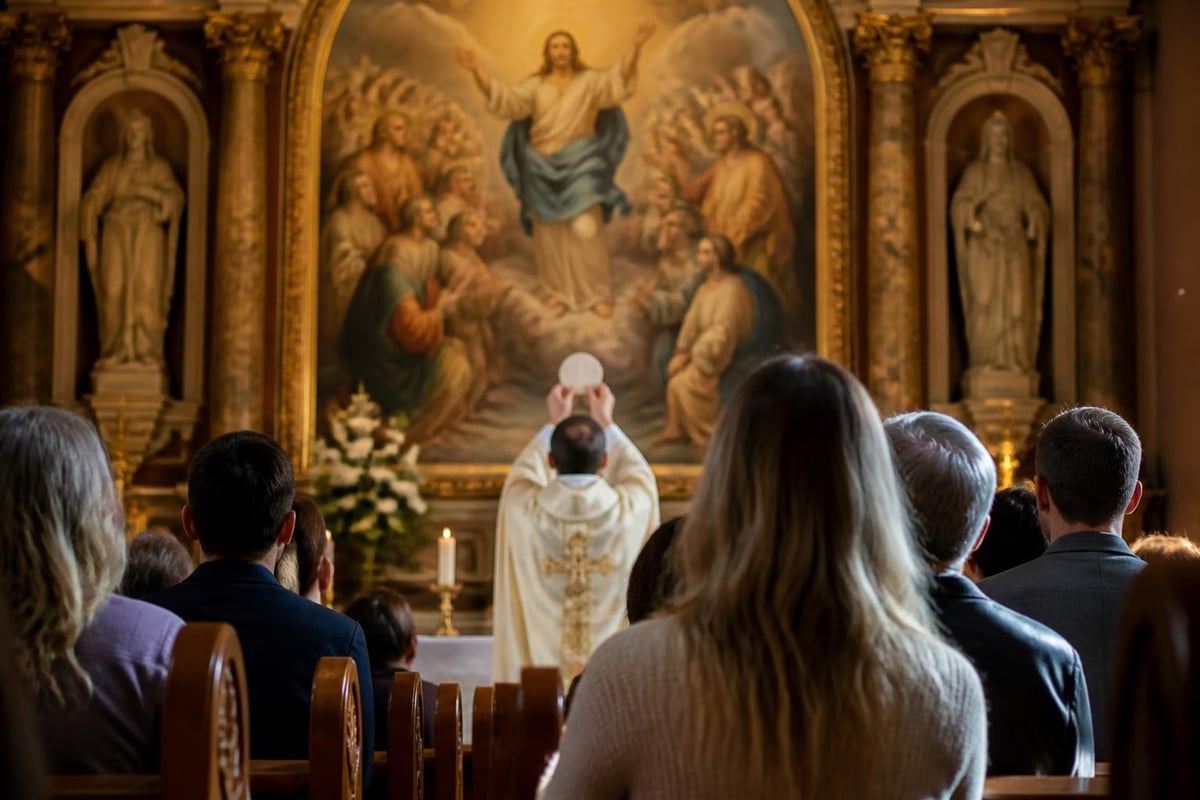
Prayer becomes a foretaste of heaven, a communion with God that anticipates the fullness of the beatific vision. The Eucharist especially connects earthly worship with heavenly reality, as the Mass joins the prayers of the Church on earth with the eternal liturgy of heaven.
Theological Mysteries Surrounding Heaven
Several aspects of heaven in Catholic teaching remain mysteries that theologians have pondered throughout Church history. The New Advent Catholic Encyclopedia's entry on heaven explores these complexities with scholarly depth, tracing how understanding has developed while respecting the limits of human reason.
How Can Finite Beings See the Infinite God?
One enduring question concerns how created beings with finite capacities can directly see God, who is infinite. Theologians explain that God grants a supernatural capacity called the "light of glory" that elevates the intellect to perceive divine essence. This gift doesn't make the human infinite but enables a direct, though still proportionate, vision of the infinite God.
This divine self-communication represents pure grace. The beatific vision is not something humans can achieve through natural powers or merit independently. It flows entirely from God's loving decision to share His inner life with creatures.
| Theological Question | Catholic Response |
|---|---|
| Can humans comprehend God fully? | No, but they see Him directly proportionate to capacity |
| Is heaven the same for everyone? | All experience perfect happiness; degrees of glory vary |
| Do the blessed know what happens on earth? | They have knowledge through God, though extent is debated |
| Can the blessed still grow? | No increase in essential beatitude; possible accidental growth |
Degrees of Glory and Perfect Satisfaction
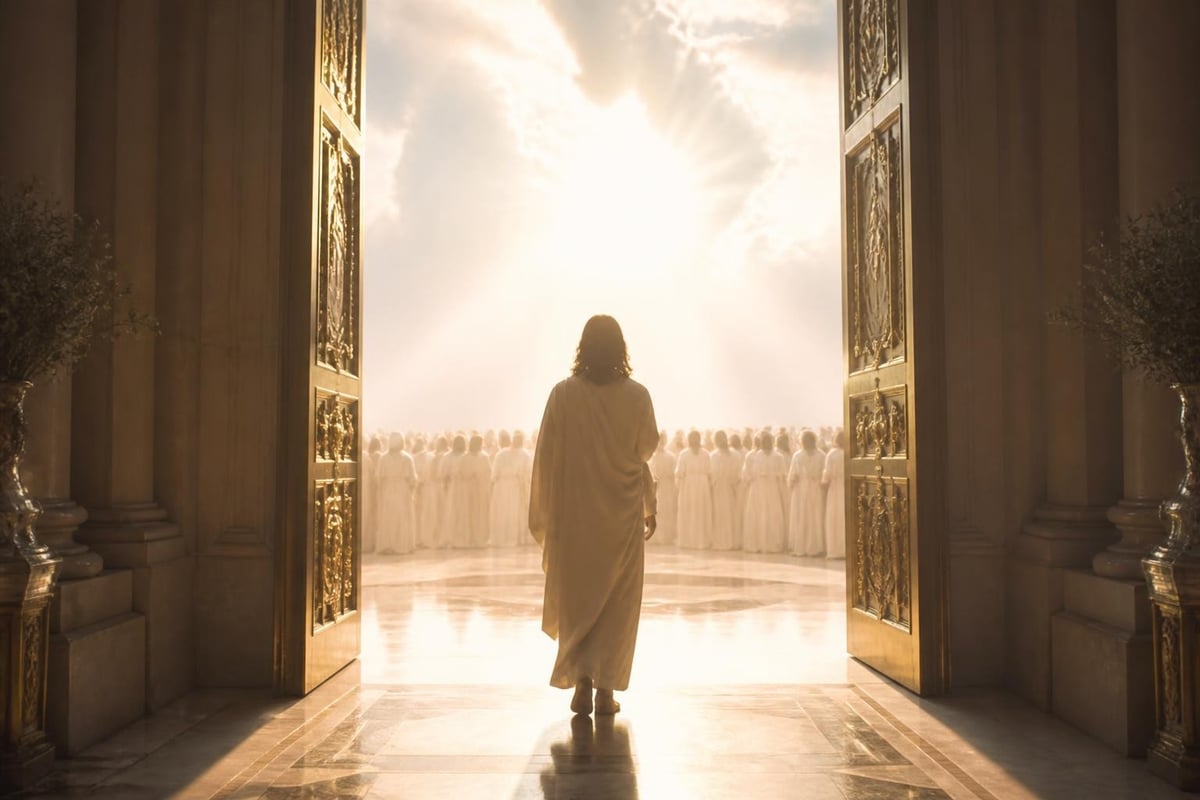
Catholic teaching holds that while all in heaven experience perfect happiness, there exist degrees of glory corresponding to the charity possessed at death. This concept, rooted in Scripture and developed by theologians like Thomas Aquinas, affirms that each person's capacity for God varies according to grace received and cooperation given during earthly life.
Yet paradoxically, even those with lesser glory experience no envy or dissatisfaction. Each soul's capacity is perfectly filled, producing complete contentment. A smaller vessel filled to the brim is no less full than a larger vessel similarly filled. This mystery demonstrates how heaven transcends earthly competitive dynamics.
For those seeking to deepen their prayer life and grow in charity, tools such as the Prayer Cards and Novenas collection offer structured pathways to develop the virtues that prepare souls for heaven. These resources help Catholics maintain focus on eternal realities amid daily life's demands.
Mary and the Saints: Examples of Heavenly Glory
The Blessed Virgin Mary holds a unique place in Catholic understanding of heaven. Assumed body and soul into glory, she represents the first fruits of human redemption and the model of what awaits all the faithful. Her Assumption demonstrates that heaven is the destiny not just of souls but of the whole human person, body and soul united.
The saints provide concrete examples of individuals who now enjoy the beatific vision. Their lives of heroic virtue on earth prepared them for heavenly glory, and their intercession continues to aid the Church militant. The examples of saints like Anthony of Padua and Clare of Assisi inspire believers with tangible demonstrations of how earthly faithfulness leads to eternal reward.
Lessons from the saints about heaven:
- Heaven is reached through cooperation with grace, not human effort alone
- Suffering accepted with love purifies and prepares the soul for glory
- Love of neighbor and love of God are inseparable in preparing for heaven
- The sacraments provide essential means of grace for the heavenly journey
- Devotion to Mary guides souls safely toward their eternal home
The communion between the Church in heaven and the Church on earth remains active and vital. The saints intercede for those still making the earthly pilgrimage, demonstrating that the bonds of Christian charity transcend death. This connection gives believers confidence to ask for saintly prayers and to honor those who have reached their eternal destination.
Heaven in Scripture and Tradition
Biblical revelation provides the foundation for Catholic teaching about heaven, though always interpreted within the living Tradition of the Church. Jesus spoke frequently about the "kingdom of heaven," promising mansions in His Father's house and eternal life to those who believe. The visions in Revelation offer symbolic glimpses of heavenly worship and glory.
Saint Paul's writings emphasize both the certainty and the mystery of heaven. He describes being "caught up to the third heaven" and hearing things that cannot be expressed in human language. He reminds believers that "eye has not seen, ear has not heard, nor has it entered the human heart, what God has prepared for those who love Him."
The United States Catholic Catechism for Adults presents these scriptural foundations in accessible language for contemporary readers, connecting ancient revelation with modern questions about eternal life. This pastoral approach helps ordinary Catholics grasp profound theological truths without requiring advanced theological education.
Patristic Insights on Heavenly Reality
The Church Fathers offered rich reflections on heaven that continue to inform Catholic understanding. Augustine described heaven as the "vision of peace" where restless hearts finally find rest in God. Gregory of Nyssa wrote of eternal progress in knowing God, a concept that enriches understanding of heavenly dynamism within changeless beatitude.
These early theological developments, explored in scholarly treatments like those published by Cambridge University Press, demonstrate how the Church's understanding deepened through prayerful meditation on revelation. The continuity between ancient teaching and contemporary doctrine shows the stability of Catholic truth.
Pastoral Implications of Heaven's Reality
Belief in heaven profoundly shapes Catholic pastoral practice and spiritual direction. Priests and spiritual directors guide souls toward heaven through sacramental ministry, teaching, and counsel. The assurance of eternal life offers comfort to the dying and bereaved, transforming grief with hope.
Practical applications of heaven-focused spirituality:
- Regular examination of conscience in light of eternal judgment
- Participation in the sacraments, especially Confession and Eucharist
- Cultivation of virtue and mortification of vice
- Works of charity that store up "treasure in heaven"
- Prayer for the holy souls in purgatory
- Meditation on the four last things: death, judgment, heaven, and hell
The funeral rites of the Catholic Church beautifully express this heavenly hope. Rather than treating death as mere tragedy, the liturgy celebrates the passage from earthly pilgrimage to eternal home. White vestments symbolize resurrection, prayers commend the deceased to God's mercy, and Scripture readings proclaim confidence in eternal life.
Catholic education also emphasizes heaven as the ultimate purpose of human existence. Religious instruction teaches children not only about moral living but about the eternal reasons for virtue. This eschatological perspective prevents morality from becoming mere rule-following and grounds ethics in relationship with a loving God who calls all people to Himself.
Heaven and Catholic Social Teaching
Interestingly, emphasis on heaven does not lead to neglect of earthly justice. Catholic social teaching insists that working for a more just society, caring for the poor, and defending human dignity are integral to preparing for heaven. Love of neighbor demonstrated through concrete action reflects the charity necessary for eternal life.
The relationship between heaven and earth in Catholic thought avoids both extremes: neither so heavenly minded as to be no earthly good, nor so focused on temporal concerns as to forget eternal destiny. The saints exemplified this balance, combining mystical contemplation with practical service. Their witness shows that those most oriented toward heaven often accomplish the most good on earth.
Understanding heaven in Catholic theology offers believers profound hope and clear direction for the spiritual journey. The Church's rich teaching on the beatific vision, eternal communion with God and the saints, and the resurrection of the body provides a compelling vision of human destiny that transcends cultural fashions and temporal anxieties. For those seeking to deepen their knowledge of Catholic truth and grow in faith, Journeys of Faith provides extensive resources including books, media, and devotional materials that illuminate these eternal realities. Explore the Journeys of Faith online store with thousands of Catholic items, and consider making a donation to support the mission of evangelization through media, helping share the beauty of the Catholic faith and the hope of heaven with souls around the world.
