
The holy name of Jesus holds unparalleled power and reverence in Catholic tradition. For two millennia, believers have invoked this sacred name in prayer, healing, and spiritual warfare. This name, given by the angel Gabriel before Christ's conception, carries divine authority and represents God's ultimate gift to humanity. The devotion to the holy name of Jesus transcends mere words, embodying the person, presence, and saving work of the Son of God himself.
Biblical Foundation of the Holy Name
The significance of Jesus' name begins in Scripture itself. When the angel appeared to Mary, he declared that she would conceive a son who would be named Jesus, which means "God saves" or "Yahweh is salvation." This Hebrew name, Yeshua, reveals the Messiah's primary mission on earth.
Saint Paul wrote powerfully about this name in his letter to the Philippians, stating that God exalted Jesus and gave him "the name that is above every name, so that at the name of Jesus every knee should bow, in heaven and on earth and under the earth." This passage demonstrates that the holy name of jesus carries divine authority across all creation.
The Name's Theological Meaning
The theological significance of the Holy Name extends beyond simple identification. In ancient Hebrew culture, names revealed identity and destiny. Jesus' name declares his salvific purpose and divine nature.
Throughout the Gospels, miracles occurred through invocation of this sacred name. The apostles healed the sick, cast out demons, and performed wonders by calling upon the name of Jesus. Peter proclaimed to the Sanhedrin that "there is no other name under heaven given among men by which we must be saved."
Brought to you by Journeys of Faith, founded by Bob and Penny Lord - We are an Augustinian Secular Institute - Cyber Apostles - Our Mission is Evangelization through Media.

Historical Development of the Devotion
The formal devotion to the holy name of jesus evolved gradually through Church history. Early Christians invoked Jesus' name constantly in prayer and liturgy, but organized devotional practices emerged more prominently in the medieval period.
Saint Bernardine of Siena's Contribution
In the fifteenth century, Saint Bernardine of Siena became the foremost promoter of devotion to the holy name. He traveled throughout Italy preaching about the power and beauty of Jesus' name, often displaying the IHS monogram during his sermons. This symbol, representing the first three letters of Jesus' name in Greek, became widely recognized across Christendom.
Saint Bernardine taught that the holy name should be invoked with profound reverence. He encouraged Christians to begin every action with this name and to use it as protection against evil. His preaching sparked a renewal of devotion that spread throughout Europe.
| Historical Period | Key Development | Impact |
|---|---|---|
| Early Church | Liturgical use of Jesus' name | Established prayer foundations |
| Medieval Era | Monastic devotions expand | Private prayer practices grow |
| 15th Century | St. Bernardine's preaching | Public devotion flourishes |
| 16th Century | Feast day established | Official liturgical recognition |
| Modern Era | Continued veneration | Integration into daily spirituality |
The Jesuits and the Holy Name
The Society of Jesus, founded by Saint Ignatius of Loyola in 1540, took the holy name as part of their identity. The Jesuits promoted devotion to the name through their educational institutions, missions, and spiritual exercises. They recognized that meditating on Jesus' name provided a direct path to knowing Christ more intimately.
The Feast of the Holy Name
The Feast of the Holy Name of Jesus became an official celebration in the liturgical calendar after centuries of local observances. Originally celebrated in various locations on different dates, Pope Innocent XIII extended the feast to the universal Church in 1721.
The feast commemorates the naming and circumcision of Jesus eight days after his birth, following Jewish custom. This event, recorded in the Gospel of Luke, marks the moment when the Savior officially received the name prophesied by the angel.
Modern Observance
Today, the Catholic Church celebrates this feast on January 3rd, placing it within the Christmas season. The liturgical celebration emphasizes both the humanity and divinity of Christ, reminding the faithful that Jesus entered fully into human life while remaining the eternal Son of God.
Mass readings for the feast focus on the salvific power of Jesus' name. Parishes often incorporate special devotions, including the Litany of the Holy Name, which invokes various titles and attributes of Christ.
Power and Protection in the Holy Name
Catholic tradition teaches that the holy name of jesus possesses inherent spiritual power. This power derives not from magical thinking but from the reality of Christ's presence and authority invoked through his name.
Spiritual Benefits of Invoking the Holy Name:
- Protection against temptation and evil spirits
- Healing of body, mind, and soul
- Strengthening of faith during trials
- Opening of the heart to divine grace
- Sanctification of daily activities
- Union with Christ's redemptive work
The Catechism of the Catholic Church affirms that respect for Jesus' name reflects our reverence for the mystery of God himself. Using this name carelessly or blasphemously violates the Second Commandment and wounds the relationship between Creator and creature.
Practical Applications
Christians throughout history have discovered countless ways to incorporate the holy name into daily life. The Jesus Prayer, used extensively in Eastern Christian traditions, consists of repeating "Lord Jesus Christ, Son of God, have mercy on me, a sinner." This simple invocation brings practitioners into continual awareness of Christ's presence.
Many Catholics write "JMJ" (Jesus, Mary, Joseph) at the top of letters or documents, consecrating their work to the Holy Family. Others make the practice of saying "Jesus, I trust in you" throughout the day, combining devotion to the Holy Name with confidence in Divine Mercy.
Those seeking to deepen their prayer life can explore various devotional materials available through Catholic resources and books, which provide structured approaches to invoking Jesus' name throughout daily activities.
The Litany of the Holy Name
The Litany of the Holy Name represents one of the most comprehensive devotional prayers honoring Jesus. This prayer invokes Christ through numerous titles and attributes, each revealing different aspects of his identity and mission.
Structure and Content
The litany begins with standard invocations to the Trinity, then proceeds through dozens of titles for Jesus:
- Jesus, Son of the living God
- Jesus, splendor of the Father
- Jesus, brightness of eternal light
- Jesus, king of glory
- Jesus, sun of justice
Each invocation receives the response "Have mercy on us," creating a rhythmic prayer that builds contemplation of Christ's multifaceted nature. The titles range from biblical references to theological concepts, painting a complete portrait of the Savior.
| Category | Example Titles | Spiritual Focus |
|---|---|---|
| Divine Nature | Son of God, Eternal Word | Christ's divinity |
| Salvific Work | Redeemer, Savior of the world | Redemption mission |
| Personal Relationship | Friend of humanity, Lover of souls | Intimate connection |
| Kingship | King of glory, Prince of peace | Divine authority |
| Virtue | Model of obedience, Source of patience | Spiritual formation |
Praying the Litany
Catholics traditionally pray the Litany of the Holy Name during January, particularly around the feast day. However, this devotion remains appropriate throughout the year, especially during times of spiritual warfare or when seeking deeper union with Christ.
The litany can be prayed privately or communally. When prayed in groups, one person typically recites the invocations while others respond. This antiphonal style creates a meditative atmosphere conducive to contemplation.
Monogram and Symbolism
The IHS monogram appears prominently in Catholic art, architecture, and devotional objects. These three letters, derived from the Greek spelling of Jesus' name (ΙΗΣΟΥΣ), became a visual representation of devotion to the holy name.
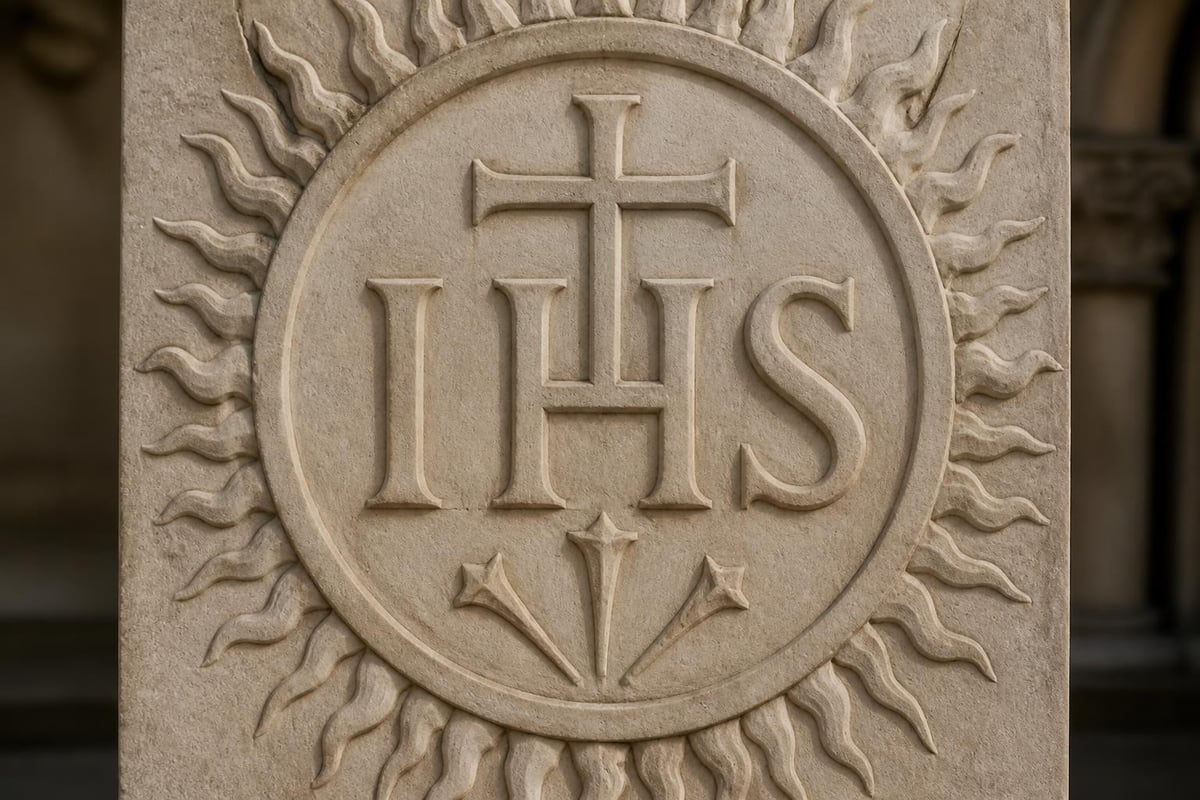
Saint Bernardine of Siena popularized this symbol during his preaching missions. He created a wooden tablet displaying the IHS surrounded by rays of light, which he showed to crowds while explaining the power and beauty of Jesus' name. This visual aid helped illiterate Christians connect with the devotion.
Interpretations and Variations
Over centuries, various interpretations of IHS emerged:
- Original meaning: First three Greek letters (iota, eta, sigma)
- Latin expansion: "Iesus Hominum Salvator" (Jesus, Savior of Mankind)
- Alternative reading: "In Hoc Signo" (In This Sign)
The symbol often appears with additional elements. A cross frequently emerges from the H, representing Christ's crucifixion. Rays of light surround the letters, symbolizing divine glory. Sometimes a heart contains the monogram, emphasizing God's love for humanity.
Contemporary Relevance and Practice
In 2026, devotion to the holy name of jesus remains vibrant and relevant. Modern Catholics continue discovering the transformative power of invoking Christ's name amid contemporary challenges.
Digital Age Devotion
Technology has created new opportunities for spreading devotion to the Holy Name. Social media platforms allow believers to share prayers, reflections, and testimonies about experiences with Jesus' name. Mobile apps provide access to traditional prayers like the Litany of the Holy Name anywhere, anytime.
Online communities dedicated to Catholic spirituality often feature discussions about the power of Jesus' name in healing, conversion, and spiritual growth. These digital spaces allow Catholics worldwide to encourage one another in maintaining this ancient devotion.
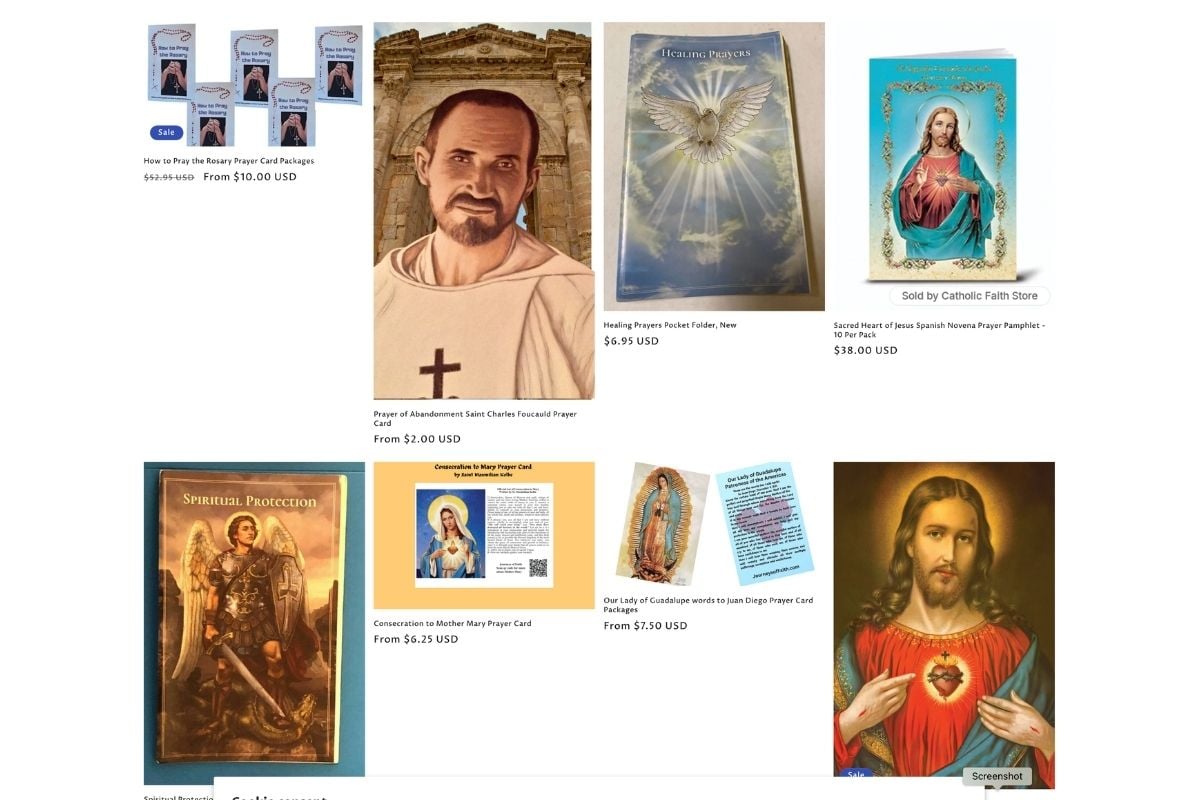
Prayer cards and devotional materials have also adapted to modern needs while preserving traditional content. Resources such as prayer cards and novenas help Catholics maintain focused devotion to the holy name through portable, accessible formats. These materials combine timeless prayers with practical designs suited for daily use.
Integration with Other Devotions
The holy name of jesus integrates seamlessly with other Catholic devotions. The Rosary includes constant repetition of Jesus' name in each Hail Mary. The Divine Mercy chaplet concludes each decade with "For the sake of His sorrowful Passion, have mercy on us and on the whole world," centering on Christ's redemptive work.
Eucharistic adoration provides profound opportunities for meditating on Jesus' name. As Catholics sit before the Blessed Sacrament, they contemplate the Real Presence of the One whose name they invoke.
Saints and the Holy Name
Throughout Church history, numerous saints demonstrated extraordinary devotion to the holy name of jesus. Their examples inspire contemporary believers to cultivate similar reverence.
Notable Saints Associated with the Holy Name:
- Saint Bernardine of Siena - Primary promoter in 15th century
- Saint Ignatius of Loyola - Named Society of Jesus in honor
- Saint Teresa of Avila - Taught constant invocation in prayer
- Saint John Vianney - Emphasized power against temptation
- Saint Padre Pio - Used name in exorcisms and healing
These holy men and women discovered that the name of Jesus opened channels of grace in their spiritual lives. They experienced healing, protection, and mystical encounters through faithful invocation of this sacred name.
Living Examples
Modern saints continue this tradition. Mother Teresa founded the Missionaries of Charity, emphasizing service performed in Jesus' name. Saint John Paul II frequently referenced the power of Christ's name in his encyclicals and addresses. These contemporary witnesses demonstrate that devotion to the holy name remains a path to holiness in every era.
Catholics seeking to learn more about the lives and practices of holy men and women can explore extensive collections of Saints' biographies, which often reveal how these spiritual giants incorporated devotion to Jesus' name into their daily routines.
Theological Depth and Mystery
The holy name of jesus encompasses profound theological truth. It represents the Incarnation itself - God becoming man, the eternal Word taking human form and receiving a human name.
The Name and the Trinity
When we invoke the name of Jesus, we address the Second Person of the Trinity. Yet because of the unity of the Godhead, we simultaneously relate to Father, Son, and Holy Spirit. The comprehensive Catholic understanding emphasizes this Trinitarian dimension.
Jesus himself taught his disciples to pray in his name. He promised, "Whatever you ask in my name, I will do it, that the Father may be glorified in the Son." This teaching reveals that invoking Christ's name aligns our prayers with divine will and purposes.
Mystical Dimensions
Mystics throughout Christian history have experienced the holy name as a gateway to contemplative prayer. The simple repetition of "Jesus" can quiet the mind, focus the heart, and open the soul to divine encounter. This practice, sometimes called "prayer of the heart," creates space for God's transforming presence.
Saint John of the Cross wrote about the "sweet name of Jesus" as a source of consolation during the dark night of the soul. Saint Teresa of Avila taught her nuns to begin mental prayer by repeating Jesus' name, allowing it to draw them into deeper awareness of God's presence.
Protection and Spiritual Warfare
Catholic tradition recognizes the holy name of jesus as powerful protection against evil. Exorcists invoke this name when confronting demonic forces. Ordinary believers use it daily to resist temptation and overcome spiritual attacks.
The Acts of the Apostles records numerous instances of Jesus' name defeating evil spirits. Paul successfully commanded a demon to leave a possessed girl "in the name of Jesus Christ." This biblical precedent established a practice maintained throughout Church history.
Practical Defensive Prayer
When facing temptation, many Catholics have found immediate relief by simply saying "Jesus" with faith and reverence. This short prayer interrupts the progression of sinful thoughts and redirects attention toward Christ.
During times of fear, anxiety, or spiritual oppression, invoking the holy name creates a shield of protection. The name itself, carrying divine authority, repels forces that oppose God's kingdom. This protection extends to physical dangers as well, with countless testimonies of miraculous deliverances attributed to calling upon Jesus' name.
Cultural Impact and Artistic Expression
The influence of the holy name of jesus extends beyond strictly religious contexts into broader culture and artistic expression. For centuries, artists, composers, and writers have drawn inspiration from devotion to this sacred name.
Renaissance painters incorporated the IHS monogram into religious works. Composers created masses and hymns centered on the Holy Name. Poets crafted verses celebrating the beauty and power of Jesus' name.
Cultural Manifestations:
- Church architecture featuring IHS in stone, wood, and glass
- Musical compositions for the Feast of the Holy Name
- Literary works exploring theological significance
- Devotional objects bearing the monogram
- Place names honoring the Holy Name worldwide
Cities, churches, and religious institutions bear the title "Holy Name of Jesus," perpetuating this devotion through institutional identity. These naming practices remind communities of the centrality of Christ to their mission and purpose.
Formation and Education
Teaching reverence for the holy name of jesus begins in childhood. Catholic parents traditionally make the sign of the cross over infants while pronouncing Jesus' name. As children grow, they learn to use this name respectfully in prayer and conversation.
Religious education programs emphasize proper use of Jesus' name, explaining both its theological significance and practical applications. Students learn that casual or disrespectful use of Christ's name constitutes a sin against the Second Commandment.
Catechetical Approach
Modern catechesis connects the holy name to broader themes of Catholic identity. Teachers help students understand that invoking Jesus' name expresses belief in his divinity, acceptance of his salvation, and commitment to following his teachings.
Formation materials often include memorization of traditional prayers like the Litany of the Holy Name. This practice instills both the words themselves and the contemplative attitude they cultivate. Students who internalize these prayers carry a treasury of devotion throughout their lives.
Parents seeking to nurture this devotion in their families can find valuable resources through Catholic homeschooling materials that integrate prayer, catechesis, and age-appropriate explanations of sacred traditions.
Ecumenical Perspectives
While devotion to the holy name of jesus holds particular importance in Catholic tradition, reverence for Christ's name transcends denominational boundaries. Protestant, Orthodox, and Anglican Christians likewise honor Jesus' name in worship and prayer.
The broader Christian understanding of this devotion reveals common ground across traditions. All Christians acknowledge the biblical teaching about the power and authority inherent in Jesus' name. This shared reverence creates opportunities for ecumenical dialogue and cooperation.
Distinctive Catholic Elements
Catholic devotion includes specific practices less common in other traditions. The Feast of the Holy Name, the Litany, and the IHS monogram represent distinctively Catholic expressions. These practices reflect the Church's sacramental imagination and her emphasis on tangible, ritualized expressions of spiritual realities.
Yet the core conviction remains universal among Christians: the name of Jesus represents the person of Christ himself, and invoking this name brings believers into relationship with the Savior.
The holy name of jesus continues to offer Catholics a direct, powerful means of encountering Christ in daily life. Through faithful invocation of this sacred name, believers experience protection, healing, and transformation that transcend human understanding.
Journeys of Faith provides extensive resources to help Catholics deepen their devotion to Jesus through books, prayer materials, and media content that illuminate the richness of Catholic tradition. Whether you're seeking to establish a daily practice of invoking the Holy Name or wish to explore the theological depths of this ancient devotion, you'll find materials that support your spiritual journey.
Resources:
-
Explore Journeys of Faith Online store with thousands of Catholic Items at https://journeysoffaith.com/collections
-
Journeys of Faith is blessed to provide Catholic media, including podcasts and inspirational content, free of charge across multiple media platforms for viewers and listeners around the world. While access to this content remains free, there are significant and continually increasing costs associated with producing, hosting, and distributing these programs. Your support helps us continue sharing the beauty of the Catholic faith with souls. Please Make a Donation https://journeysoffaith.com/pages/donate