

Every Catholic's spiritual path is unique, yet all share common markers of growth, challenge, and divine grace. The journey of faith is not a single destination but a lifelong pilgrimage that deepens our relationship with Christ, strengthens our understanding of the Church's teachings, and transforms us into vessels of God's love. Whether you are taking your first steps toward belief or have walked with the Lord for decades, understanding the stages and dimensions of this sacred journey can illuminate the path ahead and bring comfort during times of uncertainty.
Understanding the Foundations of a Journey of Faith
A journey of faith begins with an encounter. For some, this moment arrives dramatically through a conversion experience that reshapes their entire worldview. For others, it unfolds gradually through quiet prayer, the witness of faithful family members, or the beauty of Catholic tradition. The starting point matters less than the willingness to respond to God's persistent call.
Catholic theology teaches that faith is both a gift and a choice. We receive the theological virtue of faith through baptism, yet we must actively cooperate with grace throughout our lives. This cooperation requires intellectual assent to revealed truth, trust in God's promises, and practical obedience to His will. The Catechism reminds us that faith seeks understanding, which is why education in doctrine, Scripture, and tradition forms an essential component of spiritual growth.
The Role of Sacraments in Spiritual Development
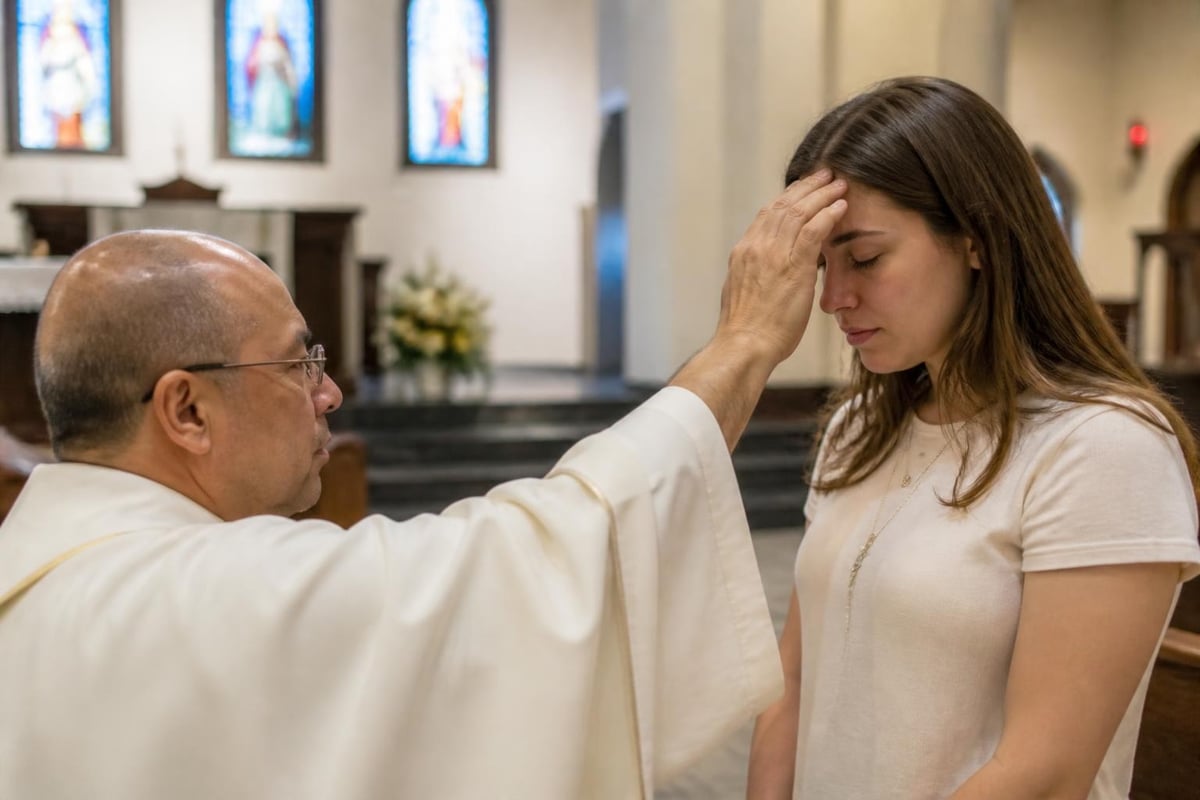
The seven sacraments serve as privileged moments of grace along every journey of faith. Baptism initiates us into the Body of Christ, Confirmation strengthens us with the Holy Spirit, and the Eucharist nourishes us with the Real Presence of Jesus. These sacraments of initiation establish the foundation for all that follows.
Reconciliation and Anointing of the Sick provide healing and restoration when we stumble or suffer. Holy Orders and Matrimony consecrate specific vocations that build up the Church and sanctify everyday life. Regular participation in the sacraments, particularly the Eucharist and Reconciliation, creates a rhythm of grace that sustains believers through every season.
The transformative power of the Eucharist cannot be overstated. Bob and Penny Lord devoted their lives to proclaiming eucharistic miracles and the Real Presence. Their research documented in This is My Body, This is My Blood, Miracles of the Eucharist reveals how Christ continues to manifest His presence in extraordinary ways to strengthen the faith of His people. These accounts inspire believers to approach the altar with renewed reverence and expectation.
Brought to you by Journeys of Faith, founded by Bob and Penny Lord. We are an Augustinian Secular Institute and Cyber Apostles. Our mission is evangelization through media.
Stages of Spiritual Growth in Catholic Tradition
The spiritual masters of the Church have identified distinct phases that characterize most journeys of faith. While individuals progress at different rates and may revisit certain stages, recognizing these patterns helps us understand where we are and what lies ahead.
The Purgative Way: Beginning the Journey
The purgative stage focuses on purification from sin and attachment to worldly things. New converts and those recommitting to their faith often experience intense awareness of their shortcomings alongside deep desire for holiness. This phase emphasizes:
- Regular examination of conscience
- Frequent confession and amendment of life
- Detachment from sinful habits and occasions of sin
- Development of basic prayer discipline
- Learning fundamental Catholic teachings
During this stage, spiritual directors often recommend simple, structured prayers like the Rosary, the Divine Mercy Chaplet, and novenas. These devotions provide guidance for those still learning to pray while building a habit of daily conversation with God.
The Illuminative Way: Growing in Understanding
As believers progress, they enter the illuminative stage characterized by deeper understanding of spiritual realities and more consistent practice of virtue. Prayer becomes less labored and more natural. The truths of faith that once seemed abstract begin to reshape how we perceive everything.
| Purgative Stage | Illuminative Stage | Unitive Stage |
|---|---|---|
| Focus on purification | Focus on growth | Focus on union |
| Battling sin actively | Building virtue consistently | Living in habitual grace |
| Learning to pray | Experiencing prayer's fruits | Prayer as constant communion |
| Understanding doctrine | Integrating truth deeply | Embodying truth naturally |
This intermediate phase often includes spiritual reading that goes beyond basics to explore the lives of saints, mystical theology, and Scripture's deeper meanings. The lives of saints provide inspiration and practical models for integrating faith into daily circumstances.
The Unitive Way: Union with God
The unitive stage represents mature holiness where believers experience habitual awareness of God's presence and conform their wills consistently to His. Few reach this height in earthly life, yet it remains the goal toward which all spiritual growth tends. Characteristics include:
- Contemplative prayer and mystical experiences
- Heroic practice of virtue
- Complete surrender to divine providence
- Fruitfulness in evangelizing and serving others
- Detachment from all created things in favor of the Creator
Even those who never experience mystical phenomena can grow in union with God through faithful perseverance in prayer, sacraments, and charity. The journey of faith ultimately seeks transformation into Christ's likeness, accomplished through cooperation with grace rather than human effort alone.
Common Challenges on the Journey of Faith

No spiritual journey proceeds smoothly from start to finish. Every believer encounters obstacles that test commitment and refine character. Understanding common challenges helps us recognize them as normal rather than signs of failure.
Spiritual Dryness and the Dark Night
Periods of spiritual dryness, when prayer feels empty and God seems distant, trouble even devoted Catholics. Saint John of the Cross described the "dark night of the soul" as a painful but purifying experience where God withdraws consolation to draw us beyond attachment to spiritual feelings. During these times:
- Continue faithful prayer practice despite lack of feeling
- Trust that God works invisibly even when unfelt
- Persevere in sacraments and spiritual reading
- Seek guidance from a spiritual director
- Remember past experiences of God's faithfulness
Research shows that integrating spiritual needs into mental healthcare benefits overall wellbeing, particularly during difficult transitions. Catholics experiencing prolonged darkness should not hesitate to seek both spiritual direction and professional counseling when appropriate.
Doubt and Intellectual Obstacles
Faith and reason complement rather than contradict each other, yet intellectual doubts arise for many believers. Questions about Church teaching, apparent conflicts between faith and science, or the problem of suffering can shake confidence. A healthy journey of faith includes:
- Honest acknowledgment of questions rather than suppression
- Study of Catholic apologetics and theology
- Dialogue with knowledgeable teachers and mentors
- Recognition that mystery does not equal irrationality
- Prayer for the gift of deeper faith
The Catholic intellectual tradition offers robust responses to most objections. Exploring these resources strengthens rather than weakens authentic faith by grounding it in truth rather than sentiment alone.
Suffering and the Cross
Every journey of faith eventually leads to Calvary. Suffering tests our trust in God's goodness and provides opportunity to unite our pain with Christ's redemptive sacrifice. Whether facing illness, loss, persecution, or inner trials, Catholics can draw meaning from suffering by:
- Offering hardships for the conversion of souls
- Recognizing purification and spiritual growth through trials
- Seeking Christ's companionship in the Passion
- Accepting crosses with patience rather than bitterness
- Finding solidarity with the suffering worldwide
Studies examining religiosity, spirituality and mental health reveal complex relationships between faith and wellbeing, with factors like community support and meaning-making playing crucial roles in resilience during adversity.
The Role of Mary and the Saints
Catholics never journey alone. The communion of saints surrounds us with a "great cloud of witnesses" who intercede for us and model holiness. Mother Mary holds a special place as our spiritual mother who leads all believers to her Son.
Marian devotion strengthens the journey of faith through:
- The Rosary as meditation on Christ's life through Mary's eyes
- Consecration to Mary as surrender to God's will
- Trust in her maternal intercession
- Imitation of her virtues, especially humility and obedience
- Recognition of her role in salvation history
The saints offer diverse examples of holiness adapted to every state of life. Married saints like Louis and Zelie Martin show family holiness. Religious founders demonstrate radical commitment. Martyrs witness to faith under persecution. Scholar saints prove that intellect and sanctity unite. Learning about saints provides both inspiration and practical guidance for our own circumstances.
Community and the Journey of Faith
While personal relationship with God forms the heart of spirituality, Catholic faith is inherently communal. We are baptized into the Body of Christ, not as isolated individuals but as members of a family. The parish community, prayer groups, and Catholic organizations provide essential support.
Benefits of faith community include:
- Accountability and encouragement in spiritual practice
- Shared wisdom from those further along the journey
- Opportunities to serve others and exercise charity
- Liturgical worship that transcends individual preference
- Support during crises and celebration during joys
Recent data on religious switching highlights how social connections influence faith retention and development. Catholics embedded in strong communities demonstrate greater perseverance through challenges and deeper integration of belief into daily life.
Finding Spiritual Direction
A spiritual director or mentor can provide invaluable guidance on the journey of faith. Unlike counselors who address psychological issues or confessors who absolve sins, spiritual directors help discern God's movements in our souls and suggest practices suited to our current stage. Look for directors who:
- Demonstrate mature faith and wisdom
- Understand Catholic spirituality and doctrine
- Listen attentively without imposing their own agenda
- Respect your unique path while challenging complacency
- Maintain appropriate confidentiality
Many dioceses offer directories of trained spiritual directors, and religious communities often provide this service. Even occasional consultations can clarify direction and prevent common pitfalls.
Practices That Sustain the Journey of Faith
Consistency matters more than intensity in spiritual growth. Daily practices create the conditions for grace to work transformation over time. Consider building these elements into your routine:
Daily Prayer and Scripture
Set aside specific time each day for conversation with God. Morning prayer orients the day toward divine purposes, while evening prayer reviews God's action in daily events. Scripture reading, even just a few verses with reflection, keeps us rooted in God's word.
The liturgy of the hours connects personal prayer with the universal Church's rhythm. Even praying just morning and evening prayer joins you to religious communities worldwide lifting intercession at each hour.
Examination of Conscience
Saint Ignatius of Loyola recommended daily examen as essential spiritual practice. This brief review of the day includes:
- Gratitude for specific blessings received
- Request for light to see clearly
- Review of actions, thoughts, and omissions
- Expression of sorrow for failures
- Resolution for amendment tomorrow
Regular examination develops self-awareness that aids growth in virtue and alerts us to subtle spiritual dangers before they become serious.
Eucharistic Adoration and Devotions
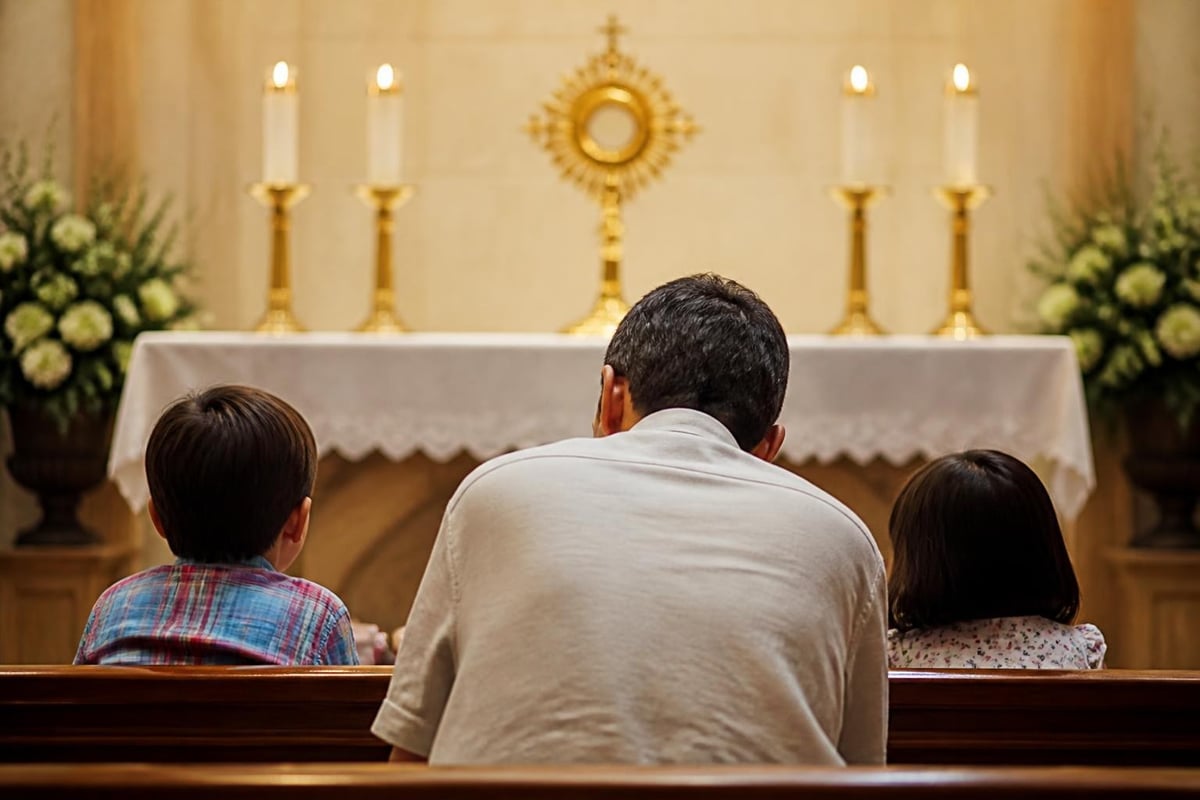
Spending time before the Blessed Sacrament allows intimate encounter with Jesus truly present. Many Catholics find that weekly or monthly holy hours deepen their relationship with Christ more than any other practice.
Traditional devotions like the Rosary, Divine Mercy Chaplet, and various novenas provide structure for prayer while focusing attention on specific mysteries or petitions. These practices connect us to centuries of faithful Catholics who found strength through the same devotions.
Spiritual Reading and Formation
The journey of faith requires ongoing education. Reading lives of saints, spiritual classics, papal encyclicals, and contemporary Catholic authors feeds the mind and heart. Journeys of Faith resources offer accessible formats for learning during commutes or household tasks.
Participation in parish programs, retreats, and conferences provides structured formation that many cannot achieve through individual effort alone. Seek opportunities to deepen understanding of Scripture, theology, and Church teaching.
Living Faith in the World
Authentic spirituality transforms not just our inner lives but how we engage the world. The journey of faith must overflow into works of mercy, justice, and evangelization. Faith without works is dead, as Saint James reminds us.
Works of Mercy
The corporal and spiritual works of mercy provide concrete ways to serve Christ in others:
Corporal Works:
- Feed the hungry
- Give drink to the thirsty
- Clothe the naked
- Shelter the homeless
- Visit the sick
- Visit prisoners
- Bury the dead
Spiritual Works:
- Instruct the ignorant
- Counsel the doubtful
- Admonish sinners
- Bear wrongs patiently
- Forgive offenses
- Comfort the afflicted
- Pray for the living and dead
Regular practice of these works prevents faith from becoming self-absorbed introspection while manifesting God's love tangibly.
Evangelization and Witness
Every baptized Catholic shares responsibility for spreading the Gospel. This does not require formal preaching credentials but rather authentic witness to Christ's transforming power. Share your journey of faith through:
- Inviting others to attend Mass or parish events
- Explaining Catholic beliefs when questions arise
- Demonstrating joy and peace that flow from relationship with God
- Supporting Catholic media and evangelization efforts
- Living moral integrity that intrigues non-believers
Global research on spiritual and religious beliefs reveals widespread hunger for transcendent meaning, creating opportunities for Catholics to share the fullness of truth found in the Church.
The Journey of Faith Across Life Stages
Spiritual needs and expressions evolve as we move through life's seasons. Children, young adults, parents, and seniors each face unique challenges and opportunities for growth in holiness.
Childhood Faith Formation
Parents bear primary responsibility for children's faith development. Family prayer, attendance at Mass, Catholic education, and modeling virtue create the foundation. Children's natural openness to spiritual reality makes early years crucial for establishing patterns that sustain later growth.
Age-appropriate catechesis teaches doctrine while nurturing personal relationship with Jesus. Sacramental preparation for First Communion and Confirmation marks significant milestones on a young person's journey of faith.
Young Adult Challenges
College years and early career often bring intense questioning as young adults encounter diverse worldviews and establish independence. Many drift from childhood faith during this period, though research shows some return when forming their own families.
Supporting young adults requires providing intellectual resources that engage questions seriously, creating communities where faith and friendship intersect, and offering mentorship from slightly older believers who have navigated similar challenges. Campus ministry and young adult groups serve vital roles in sustaining journeys of faith during these critical years.
Marriage and Family
Married Catholics walk a unique path where spousal love becomes a school of sanctity. The sacrament of matrimony provides grace for the specific challenges of self-gift, openness to life, and raising children. Family prayer, serving one another, and working through conflicts with forgiveness all contribute to spiritual growth.
Parenthood intensifies both the challenges and opportunities of the journey of faith. Sleep deprivation, financial pressure, and constant demands test patience while teaching radical love and dependence on God. Teaching children about Christ reinforces parents' own understanding while providing purpose beyond self.
Aging and Spiritual Maturity
Later years offer particular grace for contemplation and deeper surrender. As physical capacity diminishes, many seniors discover richer interior life and greater detachment from material concerns. Suffering and loss become teachers that prepare the soul for final union with God.
Older Catholics offer invaluable witness through persevering faith, intercessory prayer, and wisdom gained from decades of following Christ. Their journey of faith demonstrates that holiness blooms in every season when cultivated with grace.
Resources for Deepening Your Journey of Faith
No one develops mature spirituality through isolated effort. The Church provides rich resources accumulated over two millennia to guide and sustain believers at every stage. Take advantage of:
- Spiritual direction from trained guides
- Retreat experiences offering intensive prayer and reflection
- Catholic literature spanning Scripture, theology, and spiritual classics
- Formation programs through parishes, dioceses, and Catholic institutions
- Online resources making quality content accessible worldwide
- Sacraments as privileged encounters with Christ's grace
- Community involvement in parish life and Catholic organizations
Healthcare professionals increasingly recognize the importance of incorporating religion and spirituality into therapeutic practice, acknowledging that faith journeys intersect with mental and emotional wellbeing. Catholics should not hesitate to seek integrated care that respects their spiritual identity while addressing psychological needs.
Academic research continues exploring connections between religion, spirituality and health, providing evidence-based support for what believers have long known experientially: that relationship with God contributes to human flourishing across multiple dimensions.
Perseverance and Hope
The journey of faith tests every believer's commitment. Perseverance through dryness, doubt, and suffering distinguishes those who reach spiritual maturity from those who abandon the path when difficulties arise. Remember that God's grace proves sufficient for every challenge when we cooperate humbly.
Hope anchors the soul during storms, reminding us that present struggles serve eternal purposes beyond current understanding. The communion of saints who completed their earthly journeys victoriously encourage us to run the race set before us with endurance.
Trust in divine providence allows surrender even when circumstances confuse or pain us. God works all things for good for those who love Him, though His timeline and methods often differ from our preferences. The journey of faith ultimately asks: Will we trust God's goodness when we cannot trace His hand?
The journey of faith transforms ordinary lives into extraordinary testimonies of grace, drawing us ever deeper into relationship with the Trinity while equipping us to serve others with Christlike love. Every stage brings new challenges and revelations, yet God's faithfulness remains constant through every season. Whether you are just beginning to explore Catholic faith or have walked with Christ for decades, abundant resources exist to support and guide your continued growth. Journeys of Faith offers books, videos, prayer cards, and media designed specifically to strengthen your spiritual journey through the witness of the Eucharist, Mother Mary, and the saints. Explore the thousands of Catholic items available to support your prayer life and deepen your understanding of the faith. Journeys of Faith is blessed to provide Catholic media, including podcasts and inspirational content, free of charge across multiple platforms for viewers and listeners worldwide. While access remains free, significant costs continue to increase for producing, hosting, and distributing these programs. Your support helps share the beauty of Catholic faith with souls everywhere. Please consider making a donation to continue this vital mission of evangelization.