

The concept of a miracle prayer holds profound significance within Catholic tradition, representing moments when the faithful turn to God with complete trust, seeking divine intervention in seemingly impossible circumstances. Throughout Scripture and Church history, we find countless examples of prayers that resulted in extraordinary healings, conversions, and manifestations of God's power. Understanding the nature of miracle prayer, its theological foundations, and practical applications can transform how we approach our own prayer lives and strengthen our relationship with the Divine.
Understanding the Theological Foundation of Miracle Prayer
The Catholic Church teaches that prayer is a vital conversation with God, and miracle prayer represents a specific form of petition where believers ask for divine intervention beyond natural means. This practice finds its roots in Scripture, where Jesus himself instructed his disciples to "ask and it will be given to you; seek and you will find; knock and the door will be opened to you" (Matthew 7:7). The power of miracle prayer does not originate from the words themselves but from the faith of the person praying and the will of God.
Biblical Examples of Miraculous Intervention
Scripture provides numerous accounts of prayers that resulted in miraculous outcomes:
- The prayer of Hannah, who desperately sought a child and was blessed with Samuel (1 Samuel 1:10-20)
- Elijah's prayer on Mount Carmel, which brought fire from heaven (1 Kings 18:36-38)
- The centurion's faith, which led Jesus to heal his servant from a distance (Matthew 8:5-13)
- The persistent widow in Jesus' parable, illustrating the importance of continuous prayer (Luke 18:1-8)
These examples demonstrate that God responds to prayers offered in faith, humility, and persistence. The effectiveness of a miracle prayer depends not on eloquent language or complex formulas but on the disposition of the heart and alignment with God's will.
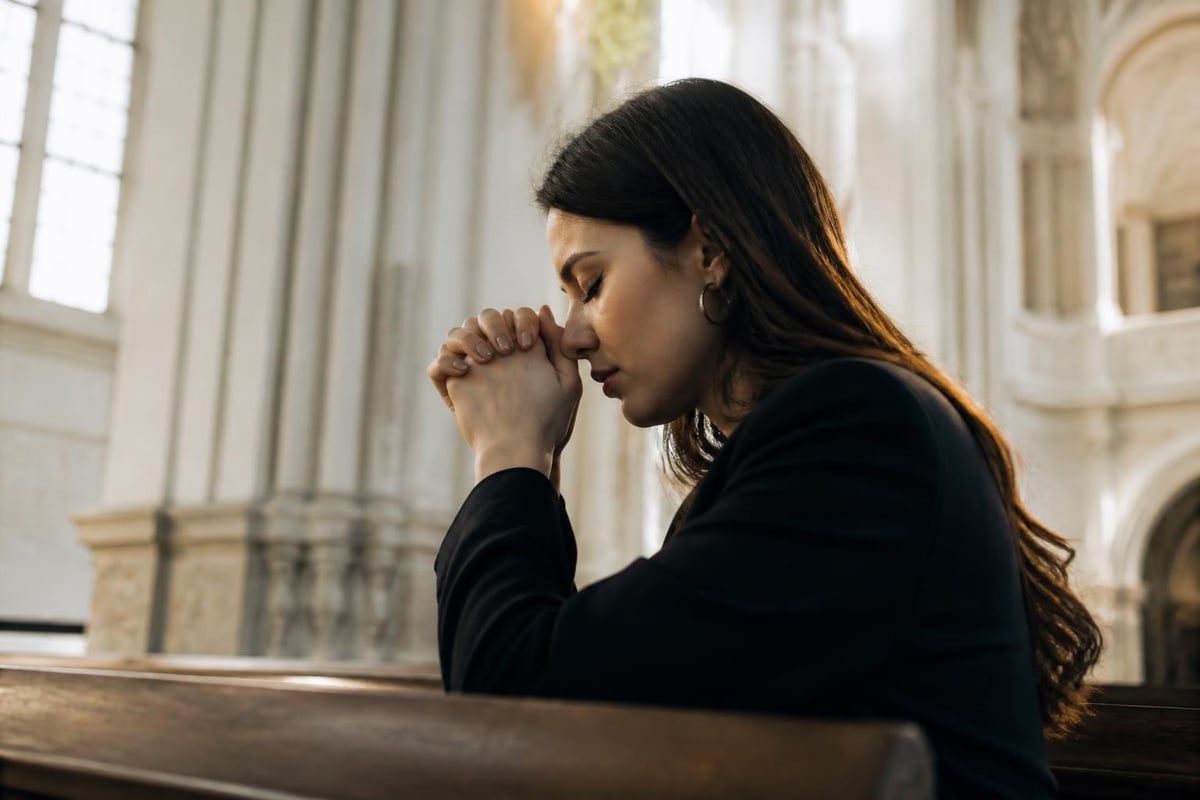
The Miracle Prayer: A Powerful Catholic Tradition
One of the most renowned prayers in Catholic devotion is simply called The Miracle Prayer, attributed to various sources but consistently focused on themes of repentance, surrender, and divine healing. This particular prayer emphasizes several key spiritual elements that make it especially powerful for those seeking God's intervention in their lives.
Brought to you by Journeys of Faith, founded by Bob and Penny Lord. We are an Augustinian Secular Institute - Cyber Apostles. Our Mission is Evangelization through Media.
The prayer typically begins with an acknowledgment of Jesus' lordship and an act of repentance, recognizing that healing often begins with spiritual reconciliation. It continues with specific petitions for forgiveness of sins, healing of memories, and restoration of relationships. The conclusion emphasizes complete surrender to God's will, acknowledging that true miracles occur when we align our desires with divine providence.
Key Components of Effective Miracle Prayers
When examining prayers that have historically resulted in miraculous outcomes, several common elements emerge:
| Component | Description | Scriptural Basis |
|---|---|---|
| Faith | Unwavering belief in God's power | Mark 11:24 |
| Humility | Recognition of human limitation | James 4:10 |
| Persistence | Continuous, patient petition | Luke 18:1-8 |
| Surrender | Acceptance of God's will | Matthew 26:39 |
| Specificity | Clear articulation of needs | Philippians 4:6 |
These elements work together to create a prayer posture that opens the heart to receive God's grace and power. Rather than demanding specific outcomes, effective miracle prayer combines earnest petition with complete trust in divine wisdom.
Practical Steps for Praying Miracle Prayers
Developing a practice of miracle prayer requires intentionality and spiritual preparation. The process involves more than simply reciting words; it demands a transformation of heart and mind that positions the believer to receive God's intervention.
Preparing Your Heart for Miracle Prayer
- Begin with Sacramental Confession to remove barriers between yourself and God
- Spend time in Adoration before the Blessed Sacrament to deepen your awareness of divine presence
- Fast and sacrifice to demonstrate the seriousness of your petition
- Study Scripture passages related to your specific need
- Invoke the intercession of Mary and the saints who faced similar circumstances
This preparation creates fertile spiritual ground where miracles can take root. Many Catholics have found that combining personal petition with traditional Catholic devotions amplifies the power of their prayer life.
The Role of Surrender in Miraculous Outcomes
Perhaps the most challenging yet essential aspect of miracle prayer involves surrendering the outcome to God's will. The Surrender Novena to the Will of God, composed by Father Dolindo Ruotolo, powerfully expresses this principle with the refrain "Jesus, You take over." This prayer acknowledges that God's perspective infinitely surpasses human understanding, and what we perceive as necessary may differ from what divine wisdom knows we truly need.

True surrender doesn't mean passive resignation but active trust that God will work all things for good (Romans 8:28). When we pray for miracles while maintaining this posture of surrender, we position ourselves to receive either the specific miracle we request or an even greater blessing we hadn't imagined.

Historical Examples of Answered Miracle Prayers
Catholic history overflows with documented cases of extraordinary answers to prayer. These accounts serve not as guarantees that God will respond identically to every petition, but as testimonies to divine power active in the lives of believers who maintain faith even in desperate circumstances.
Saints Who Experienced Miraculous Answers to Prayer
The lives of the saints provide compelling examples of miracle prayer in action:
- Saint Monica prayed for her son Augustine's conversion for seventeen years before witnessing his transformation into one of Christianity's greatest theologians
- Saint John Paul II attributed his survival from an assassination attempt to the intercession of Our Lady of Fátima, whose feast day coincided with the shooting
- Saint Padre Pio witnessed countless miracles in response to his intercessory prayers, including documented healings and conversions
- Saint Philomena, though little is known historically about her life, has become associated with numerous miracles attributed to her intercession
These examples demonstrate that miracle prayers often require persistent faith over extended periods, yet God always responds according to divine timing and wisdom.
Common Misconceptions About Miracle Prayer
Several misunderstandings can prevent people from approaching miracle prayer with proper expectations and dispositions. Addressing these misconceptions helps clarify what miracle prayer truly entails and how God responds to faithful petition.
What Miracle Prayer Is NOT
Miracle prayer is not a magical formula that guarantees specific outcomes based on correct recitation. God responds to hearts, not formulas. The power resides in relationship, not ritual precision.
Miracle prayer is not a way to manipulate God into fulfilling our desires. Rather, it represents an invitation for God to work according to divine will, which always seeks our ultimate good even when immediate circumstances appear negative.
Miracle prayer does not require perfect faith free from all doubt. Jesus commended those who prayed "I believe; help my unbelief!" (Mark 9:24), recognizing that faith and doubt often coexist.
Realistic Expectations for Miracle Prayer
When approaching God with requests for miraculous intervention, maintaining realistic yet hopeful expectations proves essential:
| Expectation | Reality |
|---|---|
| Instant results | God's timing differs from ours; persistence matters |
| Specific outcome | God may answer differently than requested, providing something better |
| Removal of all suffering | Miracles often involve transformation of suffering rather than elimination |
| Reward for virtue | Miracles flow from grace, not merit; God's love precedes our worthiness |
Understanding these realities prevents discouragement when prayers aren't answered according to our timeline or preferences. Resources for deepening prayer life can provide additional guidance for maintaining faith during waiting periods.
Novenas: Structured Approaches to Miracle Prayer
The Catholic tradition of novenas-nine consecutive days of prayer focused on a particular intention-offers a structured approach to miracle prayer that combines persistence with community support. This practice finds biblical precedent in the nine days the apostles spent in prayer between Christ's Ascension and Pentecost (Acts 1:14).
Popular Miracle Novenas
Several novenas have gained particular recognition for their association with miraculous outcomes:
- Divine Mercy Novena, prayed during the nine days before Divine Mercy Sunday
- Novena to St. Jude, patron saint of impossible causes
- 54-Day Rosary Novena, combining petition and thanksgiving
- Novena to Our Lady of Perpetual Help, seeking Mary's powerful intercession
These structured prayers provide frameworks that help maintain focus and persistence over extended periods. The repetition involved in novenas doesn't constitute vain repetition but rather demonstrates commitment and creates spiritual rhythms that open hearts to divine action.
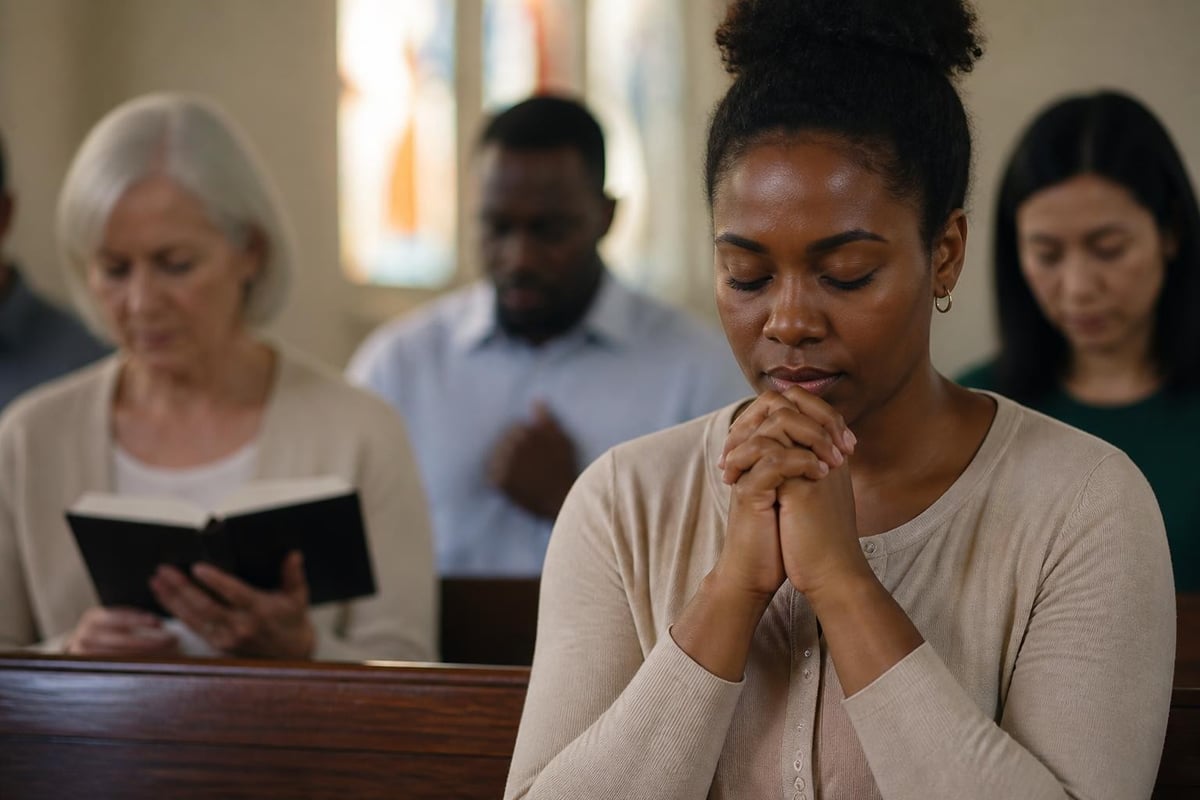
The Relationship Between Faith and Miracles
Jesus repeatedly connected miracles to the faith of those who received them, stating "your faith has healed you" to numerous individuals (Mark 5:34, Luke 17:19). This pattern reveals an essential truth: faith creates the spiritual condition where miracles can occur. However, this doesn't mean lack of miracles indicates insufficient faith; rather, it emphasizes that faith and miracles exist in dynamic relationship.
Growing Faith Through Prayer Practice
Faith development represents a lifelong journey rather than a destination. Several practices strengthen the faith necessary for effective miracle prayer:
- Regular Scripture meditation, particularly on accounts of Jesus' miracles
- Sacramental participation, especially frequent reception of the Eucharist
- Testimony sharing within faith communities about answered prayers
- Spiritual reading of lives of saints and contemporary miracle accounts
- Contemplative prayer that cultivates awareness of God's presence
The Catholic media resources offered through various ministries can support this faith development by providing access to testimonies, teachings, and devotional materials that strengthen belief in God's power to work miracles today.
Miracle Prayer in Modern Context
Contemporary believers face unique challenges when practicing miracle prayer in an increasingly secular and scientifically-oriented culture. Skepticism about supernatural intervention often penetrates even into communities of faith, creating doubt about whether God still performs miracles today.
Balancing Medical Care and Miracle Prayer
One common question involves the relationship between seeking medical treatment and praying for miraculous healing. Catholic teaching affirms that medical science represents one way God works healing in the world; prayer and medicine complement rather than contradict each other. Prayers for miracles can accompany medical treatment, asking God to work through physicians' skills while remaining open to divine intervention beyond natural means.
The most authentic approach involves:
- Seeking appropriate medical care while simultaneously praying for healing
- Asking for wisdom in medical decisions and treatment plans
- Praying for medical professionals who provide care
- Remaining open to miraculous healing while accepting medical realities
- Trusting God's ultimate plan regardless of outcome
This balanced perspective acknowledges that God created the natural world and established its laws, yet remains sovereign over creation and can intervene according to divine purposes.
Teaching Children About Miracle Prayer
Introducing young people to the concept of miracle prayer cultivates faith that can sustain them throughout life. Children often possess a natural openness to the supernatural that adults have learned to suppress, making them particularly receptive to teachings about God's power to work miracles.
Age-Appropriate Miracle Prayer Practices
Different developmental stages call for varied approaches to teaching about miracle prayer:
| Age Range | Approach | Examples |
|---|---|---|
| 3-6 years | Simple, concrete prayers | Praying for sick pets, lost items |
| 7-10 years | Bible story connections | Discussing Jesus' miracles, saint stories |
| 11-14 years | Personal testimony | Sharing family experiences of answered prayer |
| 15-18 years | Theological depth | Exploring mystery of unanswered prayers |
Parents and catechists should emphasize that God always answers prayers, though sometimes the answer is "no" or "wait" rather than immediate "yes." This prevents disillusionment when specific petitions aren't granted as requested.
The Community Dimension of Miracle Prayer
While personal miracle prayer holds significant power, the Catholic tradition also emphasizes communal prayer. Jesus promised, "where two or three gather in my name, there am I with them" (Matthew 18:20), suggesting that corporate prayer carries unique spiritual authority.
Organizing Prayer Chains for Specific Intentions
Many parishes and Catholic communities organize prayer chains or prayer circles focused on particular needs:
- Health crises requiring immediate intercession
- Conversion of family members away from the faith
- Employment needs during economic hardship
- Protection during natural disasters or dangerous situations
- Vocational discernment for young people considering religious life
These collective efforts demonstrate solidarity in faith while multiplying the prayers offered for specific intentions. The resources available through Catholic organizations can facilitate these communal prayer efforts by providing standardized texts that groups can pray together.
Maintaining Hope When Miracles Don't Come
Perhaps the greatest challenge in miracle prayer involves sustaining faith when the desired miracle doesn't materialize. Many believers have prayed fervently for healing, provision, or other interventions that God, in divine wisdom, chose not to grant. These experiences can either strengthen or shatter faith, depending on how they're processed spiritually.
Understanding "No" as an Answer
Theologians and spiritual directors emphasize that God always answers prayer, though divine responses vary. Sometimes God says "yes," sometimes "wait," and sometimes "no-I have something better." The challenge lies in trusting divine wisdom when the answer contradicts our desires.
Several perspectives help maintain faith during these difficult periods:
- Eternal perspective: What appears disastrous temporally may serve eternal purposes
- Hidden graces: Suffering often produces spiritual fruits invisible at the time
- Mysterious timing: God's timeline operates differently than human expectations
- Greater goods: Denied requests sometimes prevent greater harm or create space for better blessings
Saints throughout history have testified that their greatest spiritual growth occurred during periods when prayers went seemingly unanswered, forcing deeper dependence on God rather than specific outcomes.
Incorporating Miracle Prayer into Daily Spiritual Practice
Rather than reserving miracle prayer exclusively for crisis moments, integrating this practice into regular spiritual routines creates a lifestyle of expectant faith. Daily miracle prayer doesn't necessarily mean constantly asking for extraordinary interventions but maintaining awareness that God can and does work beyond natural limitations.
Creating a Personal Miracle Prayer Routine
Developing sustainable miracle prayer practices might include:
- Morning offering of the day with specific intentions
- Scripture-based prayer focusing on promises of divine provision
- Intercessory prayer list maintained and regularly updated
- Evening reflection on evidence of God's work throughout the day
- Weekly review of answered prayers and continuing needs
This disciplined approach prevents miracle prayer from becoming merely a desperate measure employed during emergencies, instead cultivating constant awareness of dependence on divine grace for all aspects of life.
Many Catholics find that keeping a prayer journal documenting requests and answers strengthens faith over time by providing concrete evidence of God's faithful responses, even when those responses differ from original expectations.
Miracle prayer represents a profound expression of faith that acknowledges both human limitation and divine power, inviting God to intervene in circumstances beyond natural resolution. Whether praying ancient formulas passed down through generations or spontaneous cries for help in desperate moments, the effectiveness of miracle prayer depends on faith, humility, and surrender to God's perfect will.
At Journeys of Faith, founded by Bob and Penny Lord, we're dedicated to supporting your prayer life through Catholic media, books, and devotional resources that strengthen faith and deepen relationship with God. Our mission of evangelization through media includes providing tools and testimonies that encourage believers to approach God with confidence, expecting divine intervention while trusting infinite wisdom.
Explore Journeys of Faith Online store with thousands of Catholic Items at https://journeysoffaith.com/collections
Journeys of Faith is blessed to provide Catholic media, including podcasts and inspirational content, free of charge across multiple media platforms for viewers and listeners around the world. While access to this content remains free, there are significant and continually increasing costs associated with producing, hosting, and distributing these programs. Your support helps us continue sharing the beauty of the Catholic faith with souls. Please Make a Donation https://journeysoffaith.com/pages/donate