

The Catholic Church's treasury of saints represents one of the most remarkable collections of holy witnesses in human history. When people ask about the number of catholic saints, they're often surprised to learn that the official count extends into the thousands, yet represents only a fraction of those who have entered eternal glory. Understanding the number of catholic saints requires exploring the Church's evolving canonization processes, historical record-keeping challenges, and the profound reality that countless holy souls remain unknown except to God. This article examines the scope of sainthood, the processes that determine official recognition, and what these numbers mean for Catholic devotion and evangelization.
The Official Count: Understanding the Number of Catholic Saints
The Roman Martyrology, the official list of recognized saints, contains approximately 7,000 to 10,000 named saints and blessed individuals. However, this figure represents those who have been formally canonized or beatified through official Church processes. The actual number of catholic saints in heaven far exceeds this count.
The Vatican's official records include:
- Saints canonized through formal papal declaration
- Blessed individuals who have been beatified
- Martyrs recognized through ancient tradition
- Saints from the early Church recognized by local veneration
The Catholic Church teaches that heaven contains innumerable saints whose names are known only to God. November 1st, the Solemnity of All Saints, celebrates this vast multitude of holy souls who never received formal recognition but lived lives of heroic virtue.
Historical Development of Saint Recognition
Before the formal canonization process emerged in the 10th century, local bishops recognized saints through popular veneration. This decentralized approach means many early saints entered the liturgical calendar without extensive documentation. The transition to papal canonization beginning with Pope John XV in 993 AD introduced more rigorous standards.
The number of catholic saints increased dramatically during certain historical periods. The age of martyrs during Roman persecution produced thousands of recognized saints. The medieval period saw growth in monastic saints. The Counter-Reformation brought renewed focus on mystical saints and reformers.
Canonization Process: How Saints Are Officially Counted
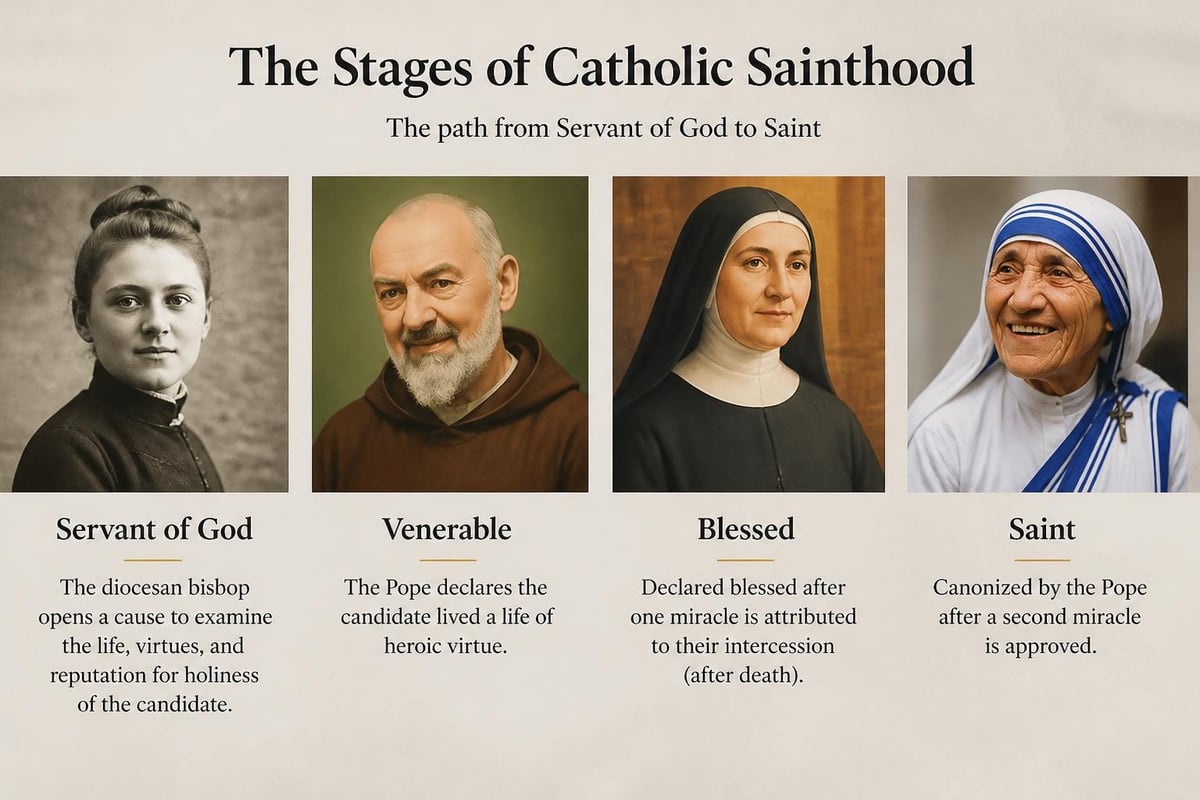
Pope Urban VIII established strict procedures in 1634 that fundamentally changed how the Church determines the number of catholic saints. The modern process requires extensive investigation, documented miracles, and papal declaration.
| Stage | Requirements | Timeline |
|---|---|---|
| Servant of God | Diocese opens investigation | 5+ years after death |
| Venerable | Pope declares heroic virtue | Varies widely |
| Blessed | One miracle verified (martyrs exempt) | Beatification ceremony |
| Saint | Second miracle verified | Canonization ceremony |
The Congregation for the Causes of Saints reviews each case with scholarly precision. Medical experts, theologians, and historians examine evidence. This rigorous approach ensures that additions to the number of catholic saints meet the highest standards of verification.
Modern Acceleration of Canonizations
Pope John Paul II canonized 482 saints during his pontificate, more than all his predecessors combined in the previous 400 years. This dramatic increase expanded the number of catholic saints significantly. His approach emphasized diverse representation including laypeople, martyrs from modern persecutions, and saints from non-European cultures.
Pope Francis has continued this trend, recognizing saints from every continent. The 2026 calendar includes saints from Africa, Asia, Latin America, and Oceania, reflecting the Church's universal character.
Brought to you by Journeys of Faith Founded by Bob and Penny Lord - We are an Augustinian Secular Institute - Cyber Apostles - Our Mission is Evangelization through Media.
Categories Within the Number of Catholic Saints
The Church organizes saints into various categories, each contributing to the total number of catholic saints in distinct ways. Understanding these classifications helps Catholics appreciate the diversity of holiness.
Martyrs
Martyrs represent the largest single category. The Roman persecutions alone produced thousands of martyrs. Modern persecution, particularly in the 20th and 21st centuries, has added significantly to this number. The Church recognizes both individual martyrs and groups who died together for their faith.
Recent canonizations include the Martyrs of the Spanish Civil War and victims of Nazi and Communist regimes. These additions remind Catholics that martyrdom remains a contemporary reality, not merely ancient history.
Doctors of the Church
Only 37 individuals hold the title Doctor of the Church, representing those whose writings significantly advanced theological understanding. While small in number compared to the overall number of catholic saints, these doctors exercise disproportionate influence on Catholic thought and spirituality.
Patron Saints
The Church designates certain saints as patrons of countries, professions, causes, and conditions. St. Joseph serves as patron of workers and the universal Church. St. Francis of Assisi is patron of ecology. These patronages help Catholics connect with specific saints whose intercession relates to their circumstances.
Unknown Saints and the Communion of Saints
The theological reality of sainthood extends far beyond official counts. The number of catholic saints officially recognized represents a tiny fraction of those in heaven. The Church teaches that countless baptized Christians who died in God's grace have entered eternal life without formal canonization.
The Communion of Saints includes:
- All souls in heaven, known and unknown
- Those undergoing purification in purgatory
- The faithful on earth
This expansive understanding means the actual number of catholic saints infinitely exceeds recorded names. Every faithful Catholic who dies in grace becomes a saint, whether or not the Church formally recognizes them.
Regional and Unrecorded Saints
Many local saints received veneration in specific regions but never gained universal recognition. Ireland alone claims thousands of local saints from its early Christian period. Eastern Catholic Churches maintain their own calendars with saints unknown in the Latin tradition.
Documentation losses through wars, fires, and persecution mean many early saints' stories disappeared from historical record. The Visionaries, Mystics and Stigmatists book explores how some extraordinary saints nearly slipped through the cracks of history.
Gender and Diversity in the Number of Catholic Saints
Historical patterns show significant gender imbalance in the number of catholic saints. Approximately 75-80% of canonized saints are male, reflecting historical limitations on women's public religious roles and the documentation bias favoring male religious communities.
Recent canonizations attempt to address this imbalance. Pope John Paul II canonized more women than any previous pope. Contemporary causes increasingly highlight laywoman saints, married saints, and mothers. The recognition of St. Gianna Beretta Molla, a pediatrician and mother, exemplifies this shift.
Cultural Representation
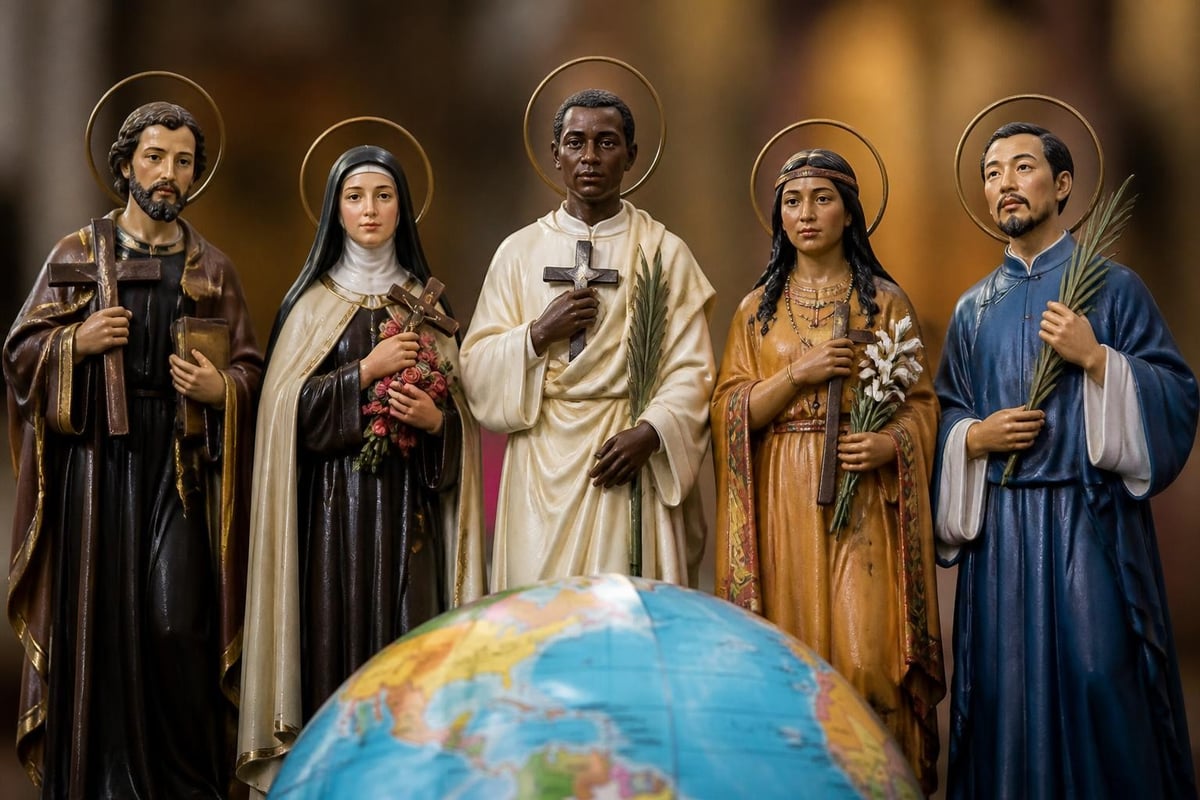
Early canonizations overwhelmingly featured European saints. The missionary era added saints from colonized regions, though often European missionaries rather than indigenous converts. The 20th and 21st centuries have seen conscious efforts to recognize saints from every culture.
| Region | Historical % | Modern Trend |
|---|---|---|
| Europe | ~85% | Declining share |
| Americas | ~8% | Increasing |
| Asia | ~4% | Rapidly growing |
| Africa | ~2% | Rapidly growing |
| Oceania | ~1% | Emerging |
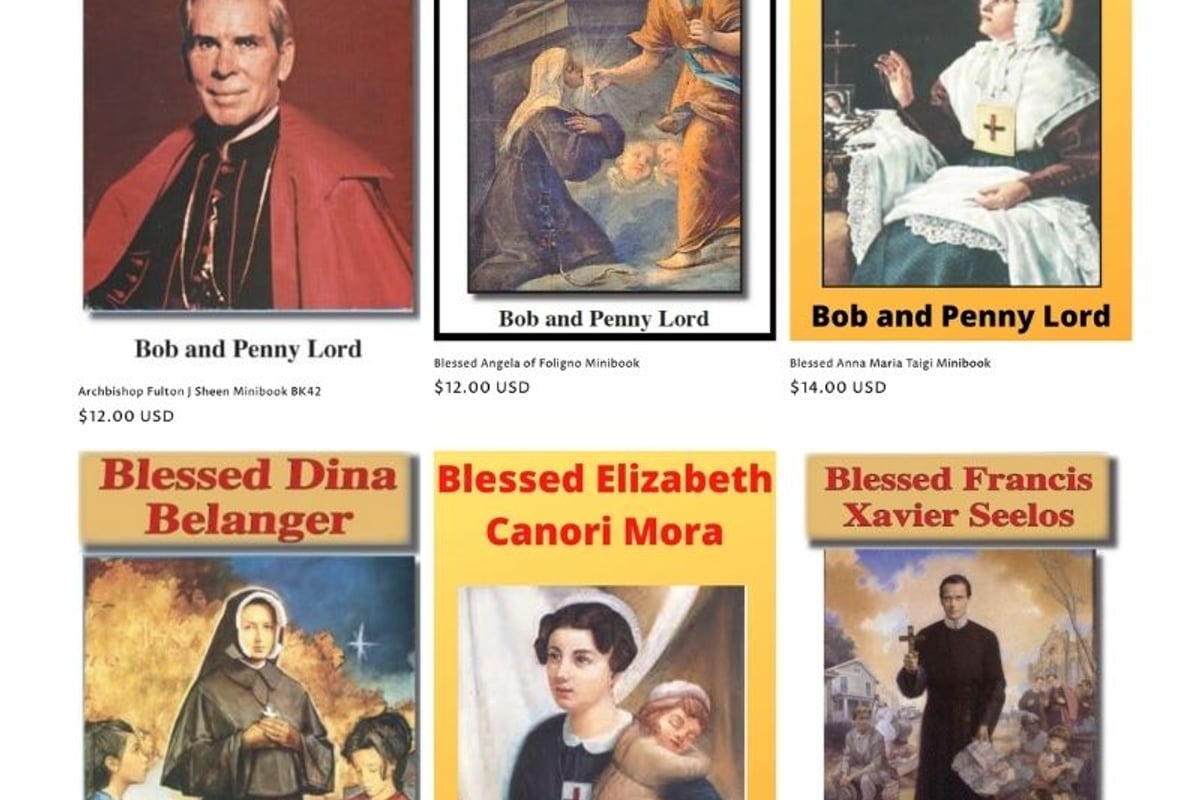
The Catholic Saints Minibooks collection includes stories of saints from diverse backgrounds, making their witnesses accessible to contemporary readers seeking models of holiness from various cultures.
Impact of Record-Keeping on Known Numbers
The documented number of catholic saints depends heavily on historical record-keeping practices. Ancient church records suffered destruction through persecution, natural disasters, and simple neglect. The library of Alexandria's destruction eliminated countless Christian documents. Viking raids destroyed Irish monastic records. Ottoman conquests erased Middle Eastern Christian documentation.
Modern record-keeping ensures future additions to the number of catholic saints will be better documented. The Congregation for the Causes of Saints maintains extensive archives. Digital preservation protects evidence for ongoing and future causes.
The Question of Early Church Saints
The first three centuries of Christianity produced numerous martyrs and holy figures. However, formal records rarely existed. Many entered the liturgical calendar through oral tradition and local veneration. Scholars estimate thousands of early martyrs whose names are completely lost to history.
The Saints and Other Powerful Women in the Church explores how many early female saints left minimal historical footprints yet profoundly influenced Christian communities.
Contemporary Growth in the Number of Catholic Saints
The 20th century witnessed unprecedented growth in formally recognized saints. Several factors contributed to this acceleration beyond papal initiative.
Key factors driving increased canonizations:
- Improved global communication enabling evidence gathering
- Medical documentation allowing miracle verification
- Greater awareness of diverse holiness models
- Emphasis on contemporary witnesses
- Streamlined investigation procedures
Pope Benedict XVI canonized 45 saints. Pope Francis, through mid-2026, has canonized over 900 individuals, many in group canonizations of martyrs. This rapid increase substantially affects the current number of catholic saints.
The Role of Causes in Progress
Currently, thousands of causes for canonization are in various stages. The Congregation for the Causes of Saints maintains active investigations on approximately 1,500 individuals. Each year, new causes open while others advance through stages.
This pipeline ensures the number of catholic saints will continue growing. However, the process deliberately proceeds slowly to ensure thorough investigation and authentic holiness verification.
Saints as Models for Evangelization
The number of catholic saints matters less than their collective witness to Christ. Each saint offers a unique path to holiness, showing that sanctity takes countless forms. The sheer variety of saints demonstrates that everyone, regardless of circumstances, can achieve holiness.
Saints provide models for:
- Different vocations: marriage, religious life, priesthood, single life
- Various professions: scholars, soldiers, merchants, artists
- Diverse temperaments: contemplatives, activists, mystics, practical servants
- All ages: children, youth, adults, elderly
The Journey to Sainthood resource examines how ordinary people achieved extraordinary holiness, offering hope to contemporary Catholics seeking sanctity.
Theological Significance Beyond Numbers
While curiosity about the number of catholic saints is natural, the Church emphasizes qualitative rather than quantitative measures. One saint's intercession holds infinite value. The communion of all saints, numbered or unnumbered, supports the pilgrim Church on earth.
Intercessory Power of the Saints
Catholics invoke saints' intercession believing their prayers carry special efficacy. The number of catholic saints available as intercessors provides abundant spiritual resources. Whether seeking help for specific needs or general guidance, Catholics can find saints whose earthly experiences relate to their situations.
This practical dimension of sainthood explains why the Church continues canonizing new saints. Contemporary believers need witnesses from their own times facing modern challenges. The martyrs of communist persecution speak to those experiencing religious restriction today. Saints who struggled with secular culture offer guidance for navigating today's challenges.
Feast Days and Liturgical Limitations
The Roman calendar contains only 365 days, creating practical limits on commemorating the thousands comprising the number of catholic saints. Multiple saints often share feast days. Many saints lack individual commemoration, remembered instead on All Saints Day.
The universal liturgical calendar features approximately 173 fixed celebrations, including both saints' feast days and other solemnities. National and diocesan calendars add local saints. Religious orders celebrate their own founders and notable members.
The Reform of the Liturgical Calendar
The Second Vatican Council reformed the liturgical calendar, reducing some saint commemorations to emphasize the temporal cycle of Christ's life. This reform recognized that excessive saint celebrations could overshadow the fundamental mysteries of faith. However, the Defenders of the Faith continued receiving appropriate liturgical honor.
Resources for Learning About Catholic Saints
Given the vast number of catholic saints, comprehensive knowledge proves impossible for any individual. However, numerous resources help Catholics discover saints relevant to their lives and circumstances.
Types of saint resources:
- Comprehensive references like Butler's Lives of the Saints
- Specialized collections focusing on particular categories
- Children's saint books introducing young Catholics to holy witnesses
- Digital databases allowing searchable access
- Devotional literature combining biography with prayers
The Saints and Other Powerful Men in the Church provides accessible introductions to male saints whose lives inspire contemporary Catholics.
Future Trends in Saint Recognition
The number of catholic saints will certainly continue growing. Several trends will likely shape future canonizations and affect the overall count.
Increasing recognition of laity marks a significant shift. Historically, religious and clergy dominated canonizations. Contemporary causes increasingly feature married couples, parents, professionals, and single laypeople. This reflects the Second Vatican Council's universal call to holiness.
Geographic diversity will expand. As the Church's center of gravity shifts toward the Global South, expect more African, Asian, and Latin American canonizations. These saints will enrich the Church's understanding of holiness beyond Western cultural expressions.
Technology enables better documentation of contemporary holy lives. Future historians investigating causes will access extensive digital records, social media archives, and video documentation unavailable for earlier periods.
The number of catholic saints officially recognized by the Church reaches into the thousands, yet represents only a fraction of the holy souls in heaven whose names remain known only to God. Understanding both the documented count and the theological reality of countless unnamed saints enriches Catholic appreciation for the communion of saints. Whether you're seeking to deepen your devotion to particular saints, looking for intercessors whose experiences mirror your own, or simply wanting to explore the remarkable diversity of holiness, Journeys of Faith offers extensive resources to support your spiritual journey. Explore the Journeys of Faith online store with thousands of Catholic items including books, prayer cards, and devotional materials that bring you closer to the saints. Journeys of Faith is blessed to provide Catholic media, including podcasts and inspirational content, free of charge across multiple media platforms for viewers and listeners around the world. While access to this content remains free, there are significant and continually increasing costs associated with producing, hosting, and distributing these programs. Your support helps us continue sharing the beauty of the Catholic faith with souls. Please make a donation to support our evangelization mission through media.
