
The Catholic Church offers countless devotions that provide comfort, hope, and spiritual guidance during life's most challenging moments. Among these treasured practices, the devotion to our lady undoer of knots has experienced remarkable growth in recent decades, touching millions of hearts worldwide. This powerful Marian devotion invites believers to present their most tangled situations to the Blessed Mother, trusting in her maternal intercession to bring peace, resolution, and divine grace where human effort alone falls short.
The Historical Origins of Our Lady Undoer of Knots
The devotion traces its roots to 17th-century Germany, where a couple's troubled marriage led to a miraculous intervention. Wolfgang Langenmantel and his wife Sophie Imhoff faced such severe marital discord that separation seemed inevitable. In desperation, Wolfgang sought counsel from Father Jakob Rem, a Jesuit priest known for his spiritual wisdom and devotion to the Blessed Virgin Mary.
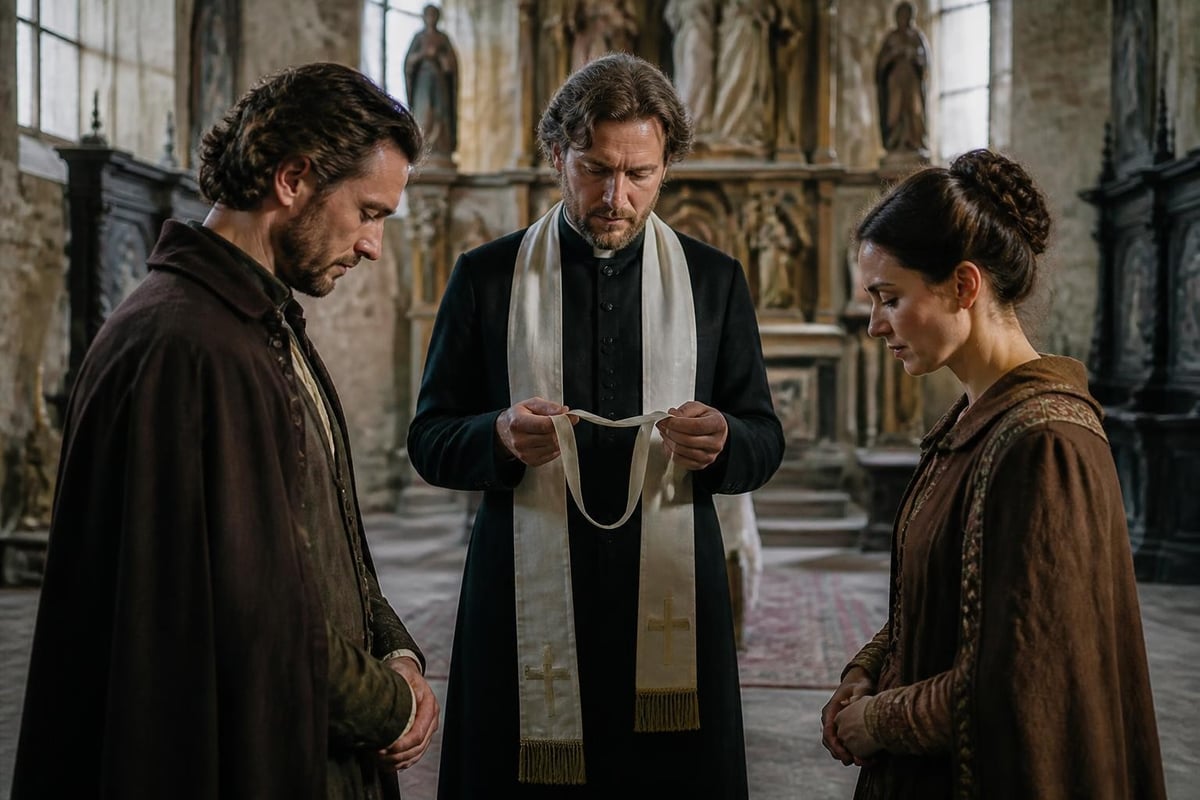
Father Rem suggested an unusual approach. He took the couple's wedding ribbon and, while praying fervently to Mary, systematically worked through each knot in the fabric. As he prayed and untied each physical knot, he asked the Blessed Mother to untie the spiritual and emotional knots binding the couple's marriage. The intervention proved transformative, and the Langenmantel marriage was completely restored.
The Commission of the Sacred Painting
Overwhelmed with gratitude for their restored marriage, Wolfgang Langenmantel commissioned artist Johann Georg Schmidtner to create a painting commemorating this miracle. Completed around 1700, the artwork depicts Mary standing on a crescent moon, surrounded by angels, as she carefully unties knots from a long white ribbon. The painting was placed in the Church of St. Peter am Perlach in Augsburg, Germany, where it remained relatively unknown for centuries.
The historical background of this devotion reveals layers of theological depth. The imagery draws inspiration from St. Irenaeus of Lyon, a second-century Church Father who wrote that "the knot of Eve's disobedience was loosed by the obedience of Mary." This theological connection establishes Mary as the new Eve, whose "yes" to God untied the knot of sin that Eve's disobedience had created.
Brought to you by Journeys of Faith. Founded by Bob and Penny Lord, we are an Augustinian Secular Institute and Cyber Apostles. Our Mission is Evangelization through Media.
Understanding the Symbolism of Knots
The knots in this devotion represent far more than simple tangles. They symbolize the complex problems, sins, difficulties, and entanglements that complicate our lives and relationships. Each knot may represent different struggles: broken relationships, addictions, financial hardship, spiritual dryness, health crises, or generational patterns of dysfunction.
Categories of Spiritual Knots
| Type of Knot | Common Examples | Prayer Focus |
|---|---|---|
| Relational Knots | Marriage conflicts, family estrangement, broken friendships | Healing, forgiveness, reconciliation |
| Spiritual Knots | Doubt, loss of faith, inability to pray, religious indifference | Renewed faith, spiritual fervor, trust |
| Behavioral Knots | Addictions, compulsions, destructive habits, repeated sins | Freedom, self-control, conversion |
| Emotional Knots | Anxiety, depression, unresolved trauma, bitterness | Peace, healing, emotional wholeness |
| Material Knots | Financial distress, unemployment, legal problems | Providence, wisdom, practical solutions |
The symbolism behind the knots extends to the ribbon itself, which represents the thread of our lives woven by God's providence. When knots form through sin, poor choices, or life circumstances, that thread becomes tangled and constrained. Mary's role as undoer of knots doesn't eliminate our free will or absolve us of responsibility; rather, her intercession obtains graces that enable us to cooperate with God's healing work.
The Modern Resurgence Through Pope Francis
For nearly three centuries, the devotion remained largely confined to Augsburg. Everything changed in the 1980s when a young Jesuit priest from Argentina, Jorge Mario Bergoglio, studied theology in Germany. During his time there, he discovered the painting and developed a profound devotion to our lady undoer of knots. He brought prayer cards back to Argentina and actively promoted the devotion throughout his ministry.
When Father Bergoglio became Archbishop of Buenos Aires and later Cardinal, he continued championing this devotion. The practice spread rapidly throughout South America, with churches dedicated to Our Lady Undoer of Knots appearing across Argentina and neighboring countries. When Cardinal Bergoglio became Pope Francis in 2013, global interest in the devotion exploded, reaching every continent.
Pope Francis's Personal Devotion
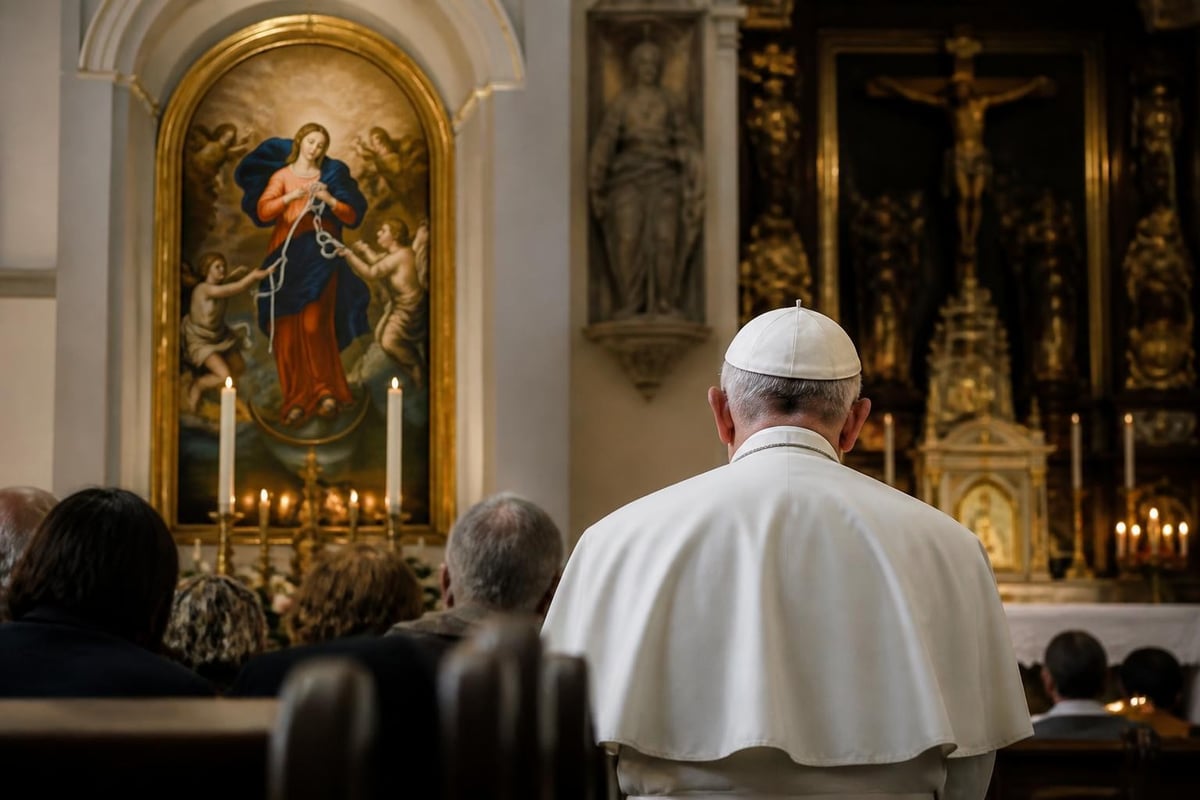
Pope Francis has frequently referenced this devotion in his homilies and writings. He emphasizes Mary's maternal care in helping believers navigate life's complexities, particularly in marriage and family life. His personal testimony has inspired countless Catholics to turn to our lady undoer of knots during their most desperate moments, trusting in Mary's powerful intercession.
The comprehensive history documented by the Catholic Medical Association demonstrates how papal endorsement accelerated the devotion's spread. Churches worldwide now display copies of the original painting, and millions pray the associated novena seeking Mary's help with their specific knots.
Praying the Novena to Our Lady Undoer of Knots
The traditional novena consists of nine consecutive days of prayer, during which the faithful identify specific knots in their lives and entrust them to Mary's maternal care. Each day follows a structured format that includes Scripture reading, meditation, specific prayers, and personal petitions.
Structure of the Daily Novena Prayer
- Begin with the Sign of the Cross and an act of contrition
- Pray three Hail Marys, inviting Mary's presence
- Read the meditation for that particular day
- Name the specific knot you're presenting to Mary
- Pray the novena prayer for our lady undoer of knots
- Pray one Our Father, seven Hail Marys, and one Glory Be
- Close with a final prayer of thanksgiving
The novena progression follows a deliberate spiritual journey. Early days focus on acknowledging our knots and recognizing our inability to untie them alone. Middle days emphasize trust, surrender, and Mary's maternal compassion. Final days celebrate gratitude, even before seeing visible results, trusting that Mary is already working on our behalf.
Many Catholics integrate prayer cards and devotional materials into their novena practice, finding that tangible reminders help maintain focus during the nine-day commitment. These resources serve as companions to prayer, keeping the devotion present in daily consciousness.
Testimonies of Miraculous Interventions
Countless believers worldwide attribute dramatic life changes, healings, and resolutions to our lady undoer of knots. While the Church carefully examines claims of miracles, the personal testimonies reveal consistent patterns of transformation, hope, and renewed faith.
Common Themes in Answered Prayers
- Restored marriages on the brink of divorce
- Reconciliation between estranged family members after years of silence
- Freedom from addiction after multiple failed attempts at recovery
- Financial breakthroughs when bankruptcy seemed inevitable
- Healing from physical and emotional afflictions
- Conversion of loved ones who had abandoned their faith
- Peace replacing anxiety in overwhelming circumstances
One documented account involves a mother who prayed the novena for her son's drug addiction. After completing three consecutive novenas over nine weeks, her son voluntarily entered rehabilitation and achieved lasting sobriety. Another testimony describes a couple facing foreclosure who, through the novena, received an unexpected job offer that saved their home.
These stories of divine intervention don't suggest magical solutions or guaranteed outcomes. Rather, they demonstrate how Mary's intercession opens hearts to grace, creates opportunities for healing, and strengthens faith to persevere through trials.
Theological Foundation and Church Teaching
The devotion to our lady undoer of knots aligns perfectly with Catholic teaching on Mary's role as Mediatrix and her intercessory power. The Church has consistently taught that all Marian devotion ultimately leads believers closer to Christ, never away from Him.
Mary's Unique Role in Salvation History
The Second Vatican Council's document Lumen Gentium affirms Mary's maternal mediation: "By her maternal charity, she cares for the brethren of her Son, who still journey on earth surrounded by dangers and difficulties, until they are led into their blessed home." This theological reality underpins the devotion to our lady undoer of knots.
Key Theological Principles:
- Mary's intercession is subordinate to Christ's unique mediation
- Her prayers have special efficacy due to her singular holiness
- She cooperates with divine grace; she doesn't replace it
- Devotion to Mary strengthens, rather than diminishes, faith in Christ
- Her maternal care extends to all humanity, not just Catholics
The devotional practices and prayers recommended by the Church emphasize this Christocentric focus. Each petition to Mary acknowledges Christ as the true source of healing and grace, with Mary serving as our advocate before her Son.
Practical Ways to Deepen the Devotion
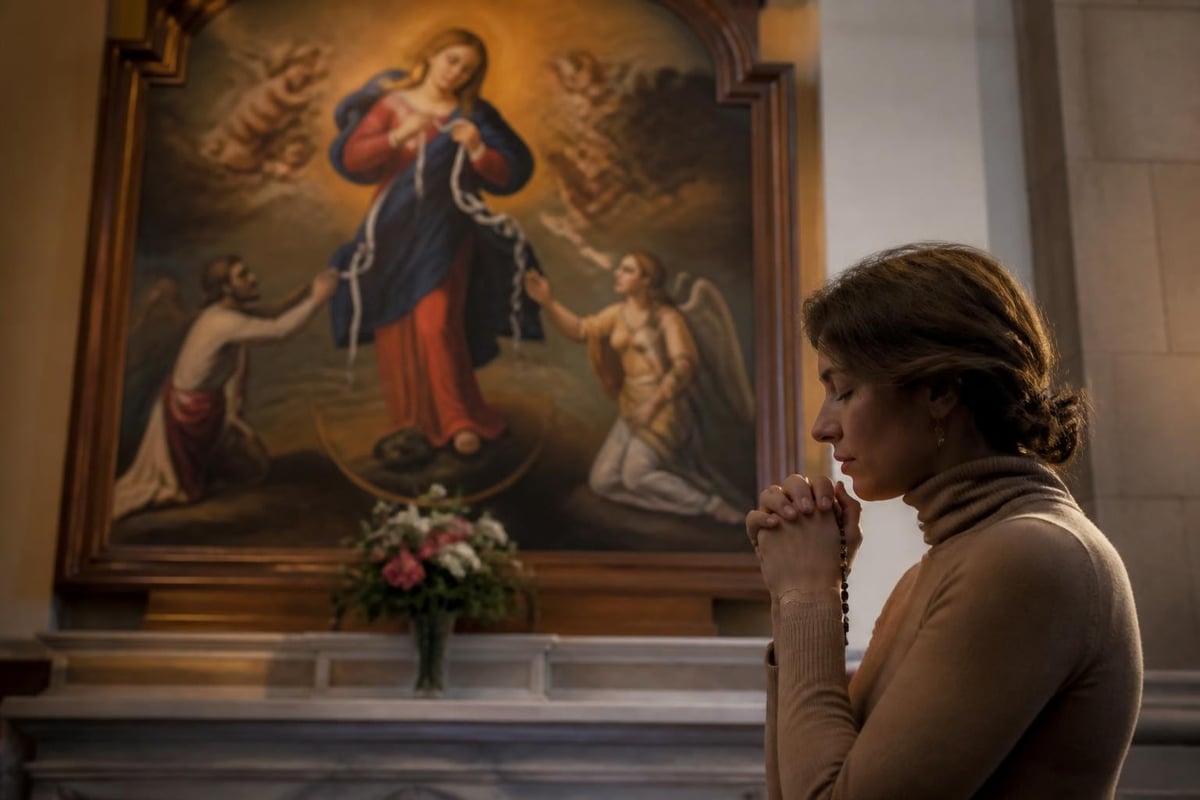
Beyond praying the traditional novena, Catholics can integrate this devotion into daily spiritual practice through various concrete actions. These practices help maintain awareness of Mary's ongoing work in our lives and cultivate deeper trust in her maternal care.
Daily Practices to Enhance Your Devotion
Morning Consecration: Begin each day by briefly entrusting specific knots to Mary, acknowledging your dependence on her intercession.
Examination of Conscience: During evening prayer, identify new knots that formed during the day (harsh words, impatience, fear) and immediately ask Mary to begin untying them.
Visual Reminders: Place images of our lady undoer of knots in your home, workspace, or vehicle as prompts for brief prayers throughout the day.
Gratitude Journal: Record instances where you notice knots loosening, even slightly, cultivating awareness of Mary's active presence.
Communal Prayer: Gather family members or prayer groups to pray the novena together, creating accountability and shared faith.
Combining Devotions for Deeper Spiritual Growth
The devotion to our lady undoer of knots complements other Marian practices beautifully. Many Catholics combine it with:
- Daily Rosary, offering intentions for specific knots with each decade
- First Saturday devotions honoring the Immaculate Heart of Mary
- Wearing the Miraculous Medal as a constant sign of Marian protection
- Marian consecration according to St. Louis de Montfort or St. Maximilian Kolbe
Those seeking to deepen their understanding of Marian apparitions and devotions will find this practice enriches their overall relationship with the Blessed Mother while providing practical tools for addressing life's challenges.
Teaching Children About Our Lady Undoer of Knots
Introducing young people to this devotion offers powerful lessons about prayer, trust, and Mary's maternal love. Children naturally understand the frustration of tangled things-shoelaces, necklaces, hair-making the knot metaphor immediately accessible.
Age-Appropriate Approaches
| Age Group | Teaching Method | Sample Activities |
|---|---|---|
| Ages 3-6 | Simple stories and tangible objects | Use actual ribbon with knots; pray together while untying |
| Ages 7-10 | Basic theology and personal application | Draw pictures of "knots" (problems); create prayer intentions |
| Ages 11-14 | Deeper understanding and novena participation | Pray full novena together; discuss real-life applications |
| Ages 15-18 | Theological depth and independent practice | Study Church teaching; maintain personal novena journal |
Parents can create "knot jars" where family members write problems on paper, tie them in knots, and place them in a jar before Mary's image. As prayers are answered, knots are ceremonially untied and prayers of thanksgiving offered. This concrete practice makes the invisible spiritual reality visible and memorable for children.
Common Questions and Misconceptions
Despite its growing popularity, some Catholics remain uncertain about this devotion or harbor misconceptions about its practice and theology.
Addressing Frequent Concerns
Is this devotion officially approved by the Church? While not formally canonized through a specific Vatican decree, the devotion enjoys widespread episcopal support and has been publicly endorsed by Pope Francis. Local bishops worldwide have approved its practice in their dioceses.
Must knots be untied in a specific order? No prescribed order exists. Some believers present their most urgent knot first, while others start with smaller knots to build faith. The Holy Spirit guides this discernment.
What if prayers seem unanswered? Mary always intercedes, but God's timing and methods may differ from our expectations. Apparent "unanswered" prayers often represent God working differently than we envisioned or preparing our hearts before granting the request.
Can non-Catholics practice this devotion? While rooted in Catholic theology regarding Mary's role, Christians from various traditions report blessing from asking Mary's intercession. However, the full theological context is distinctly Catholic.
Is there a danger of superstition? As with any devotion, proper catechesis prevents superstitious misuse. Mary doesn't possess magical powers; she intercedes with her Son, who acts according to divine wisdom and providence.
The Devotion in Contemporary Catholic Life
In 2026, the devotion to our lady undoer of knots continues gaining momentum, particularly among young adults navigating unprecedented cultural challenges. Social media has accelerated its spread, with hashtags and online prayer groups connecting believers globally.
Modern Applications and Adaptations
Contemporary Catholics apply this ancient devotion to distinctly modern knots:
- Digital addiction and technology overuse
- Career anxiety in unstable economic conditions
- Social media toxicity and comparison culture
- Political division within families and communities
- Environmental anxiety about climate and future generations
- Identity confusion in fluid cultural contexts
- Pandemic aftermath including health anxiety and isolation
The comprehensive resources available through Catholic media help believers access this devotion through books, prayer cards, online novenas, and devotional guides. These materials make it easier than ever to begin and maintain the practice.
Parish communities increasingly offer group novenas during Advent, Lent, or Marian feast days. These communal practices build solidarity, normalize vulnerability about life's struggles, and witness to Mary's ongoing maternal care for the Church.
Integrating Our Lady Undoer of Knots with Sacramental Life
The devotion achieves maximum spiritual fruitfulness when integrated with regular sacramental practice. Private devotions never replace the sacraments but rather prepare hearts to receive their graces more fully.
Sacramental Connections
The Eucharist: Receiving Jesus in Holy Communion strengthens us to cooperate with the graces Mary's intercession obtains. Many devotees attend daily Mass during their novena.
Reconciliation: The Sacrament of Confession unties knots of sin definitively. Praying to our lady undoer of knots before confession can reveal hidden sins and increase contrition.
Marriage: Couples struggling in their vocations find particular hope in this devotion's origins in marital healing. Regular reception of the sacraments, combined with this Marian practice, provides powerful support.
Anointing of the Sick: Those facing serious illness pray the novena while preparing for this sacrament, asking Mary to untie knots of fear, despair, or spiritual confusion.
The devotion reminds us that Mary always points toward the sacraments, never away from them. Her intercession prepares us to encounter Christ more deeply in the Church's sacred mysteries.
Resources for Deepening Your Practice
Numerous resources support those beginning or deepening their devotion to our lady undoer of knots. Quality materials provide proper theological grounding while offering practical guidance for daily prayer.
Recommended Resources:
- Comprehensive books with guided meditations and novena prayers
- Prayer cards for wallet or purse as daily reminders
- Devotional artwork reproducing the original painting
- Audio recordings of the novena for those with visual impairments
- Online communities for shared prayer and testimony
- Parish study groups exploring Marian theology
The detailed exploration of the devotion's history provides context that enriches personal practice. Understanding the theological foundations transforms the devotion from mere petition into genuine relationship with Mary.
The Universal Appeal Across Cultures
What makes our lady undoer of knots particularly powerful is its universal resonance across cultural boundaries. Every culture, language, and community experiences knots-the metaphor transcends specific contexts while remaining deeply personal.
In the Philippines, devotees emphasize family reconciliation knots. In Poland, prayer focuses on national healing and historical trauma. African communities bring knots of poverty and injustice. Asian Catholics present knots of family pressure and religious persecution. Western believers struggle with materialism and secularism knots.
Despite these variations, the fundamental trust in Mary's maternal intercession remains constant. She accompanies all her children through their unique struggles, adapting her maternal care to each person's needs while pointing everyone toward her Son.
This universality explains the devotion's rapid global spread and its particular appeal in our interconnected but fragmented world. Understanding Marian devotions across cultures reveals how Mary unites humanity in shared dependence on divine grace.
The devotion to our lady undoer of knots offers concrete hope for anyone facing life's tangled circumstances, from broken relationships to persistent struggles with sin. By entrusting our knots to Mary's maternal care through consistent prayer, we open ourselves to divine grace that transforms even our most impossible situations.
Explore Resources: Deepen your spiritual journey by discovering Journeys of Faith's extensive online collection featuring thousands of Catholic items including prayer cards, devotional materials, and resources for growing in faith. Journeys of Faith is blessed to provide Catholic media, including podcasts and inspirational content, free of charge across multiple media platforms for viewers and listeners around the world. While access to this content remains free, there are significant and continually increasing costs associated with producing, hosting, and distributing these programs. Your support helps us continue sharing the beauty of the Catholic faith with souls. Please make a donation to support this vital evangelization mission. Whether you're beginning your first novena or deepening an established devotion, Journeys of Faith provides the tools and inspiration you need to grow closer to Christ through Mary's powerful intercession.