

The religious Virgin Mary stands as a central figure in Catholic faith and devotion, bridging the earthly and divine realms through her unique role in salvation history. As the Mother of God, she occupies a position unparalleled among saints and believers. Her "yes" to God's plan changed the course of human history, making the Incarnation possible and demonstrating perfect discipleship. Understanding the religious Virgin Mary requires examining her biblical foundations, theological significance, and the devotional practices that have flourished throughout two millennia of Christian tradition.
The Biblical Foundations of the Religious Virgin Mary
The scriptural witness to the religious Virgin Mary begins in the Old Testament with prophetic foreshadowing and reaches its fulfillment in the New Testament narratives. The prophet Isaiah proclaimed that "a virgin shall conceive and bear a son" (Isaiah 7:14), a prophecy that Christians understand as pointing directly to Mary. This virgin birth stands as a cornerstone of Catholic theology, affirming both the divinity of Christ and the unique calling of his mother.
Mary's Annunciation and Fiat
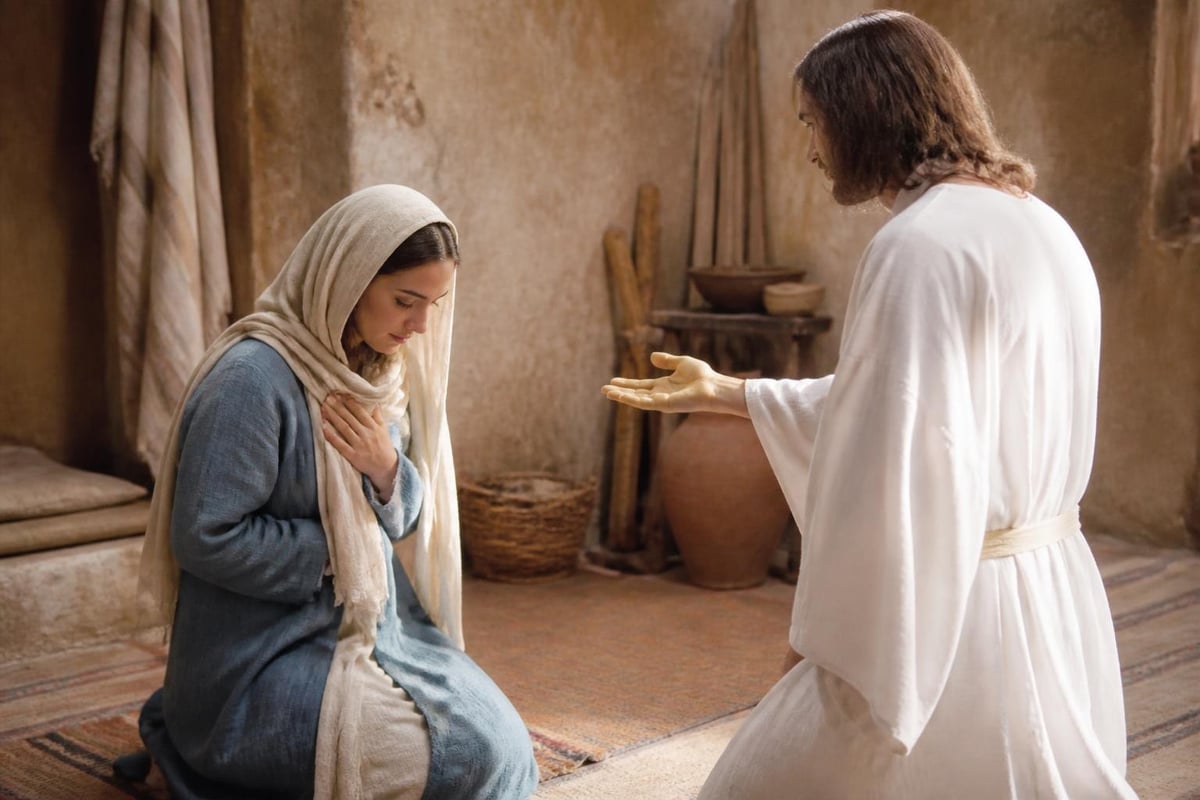
The Gospel of Luke presents the most detailed account of Mary's calling. When the angel Gabriel appeared to her in Nazareth, he greeted her as "full of grace" and announced that she would conceive the Son of God. The United States Conference of Catholic Bishops provides detailed answers about this pivotal moment and its theological implications. Mary's response, "Let it be done to me according to your word," represents the perfect model of surrender to God's will.
This moment of acceptance, known as the fiat, demonstrates several crucial aspects of the religious Virgin Mary's character:
- Humility: Despite being chosen for an extraordinary mission, Mary remained humble
- Faith: She believed God's promise even when it defied human understanding
- Obedience: Her willing submission to God's plan exemplified perfect discipleship
- Trust: Mary placed complete confidence in God's providence
The Annunciation transformed not only Mary's life but the entire trajectory of salvation history. National Geographic's historical exploration offers valuable context about Mary as a young Jewish woman in first-century Palestine, helping modern believers understand the radical nature of her calling.
The Theological Significance of the Religious Virgin Mary
Catholic theology has developed a rich understanding of the religious Virgin Mary's role in God's plan of salvation. The Council of Ephesus in 431 AD declared Mary to be Theotokos, or "God-bearer," affirming that she is truly the Mother of God. This title doesn't suggest that Mary existed before God or gave God his divine nature, but rather acknowledges that the child she bore was fully divine as well as fully human.
Four Major Marian Dogmas
The Catholic Church has defined four dogmas specifically concerning the religious Virgin Mary:
| Dogma | Year Defined | Core Teaching |
|---|---|---|
| Divine Motherhood | 431 AD | Mary is the Mother of God (Theotokos) |
| Perpetual Virginity | 553 AD | Mary remained a virgin before, during, and after Christ's birth |
| Immaculate Conception | 1854 | Mary was conceived without original sin |
| Assumption | 1950 | Mary was assumed body and soul into heaven |
These dogmas establish the unique position of the religious Virgin Mary within salvation history. The Immaculate Conception prepared her to be a worthy dwelling place for the Son of God, while her Assumption reflects the glory that awaits all faithful believers. Understanding these teachings helps Catholics appreciate why devotion to the Virgin Mary holds special importance within Church practice.
Brought to you by Journeys of Faith Founded by Bob and Penny Lord - We are an Augustinian Secular Institute - Cyber Apostles - Our Mission is Evangelization through Media.
Mary as Mediatrix and Co-Redemptrix
Theological discussions about the religious Virgin Mary often address her role as Mediatrix and Co-Redemptrix. These terms require careful understanding. Mary's mediation is subordinate to Christ's unique mediation between God and humanity. She doesn't replace Christ but cooperates with his redemptive work. As Pope Paul VI explained, Mary's cooperation was through her consent at the Annunciation, her suffering at the Cross, and her ongoing intercession.
The title Co-Redemptrix doesn't mean Mary is equal to Christ in redemption. Rather, it acknowledges that she uniquely cooperated with the Redeemer by giving him his human nature and uniting herself to his sacrifice. Her "yes" made possible what God desired to accomplish through the Incarnation.
Marian Devotions and Practices
The religious Virgin Mary inspires numerous devotional practices that have enriched Catholic spiritual life for centuries. These devotions don't worship Mary but honor her and seek her intercession with her Son. The distinction between worship (which belongs to God alone) and veneration (appropriate for saints, especially Mary) remains crucial in Catholic teaching.
The Rosary: A Powerful Marian Prayer
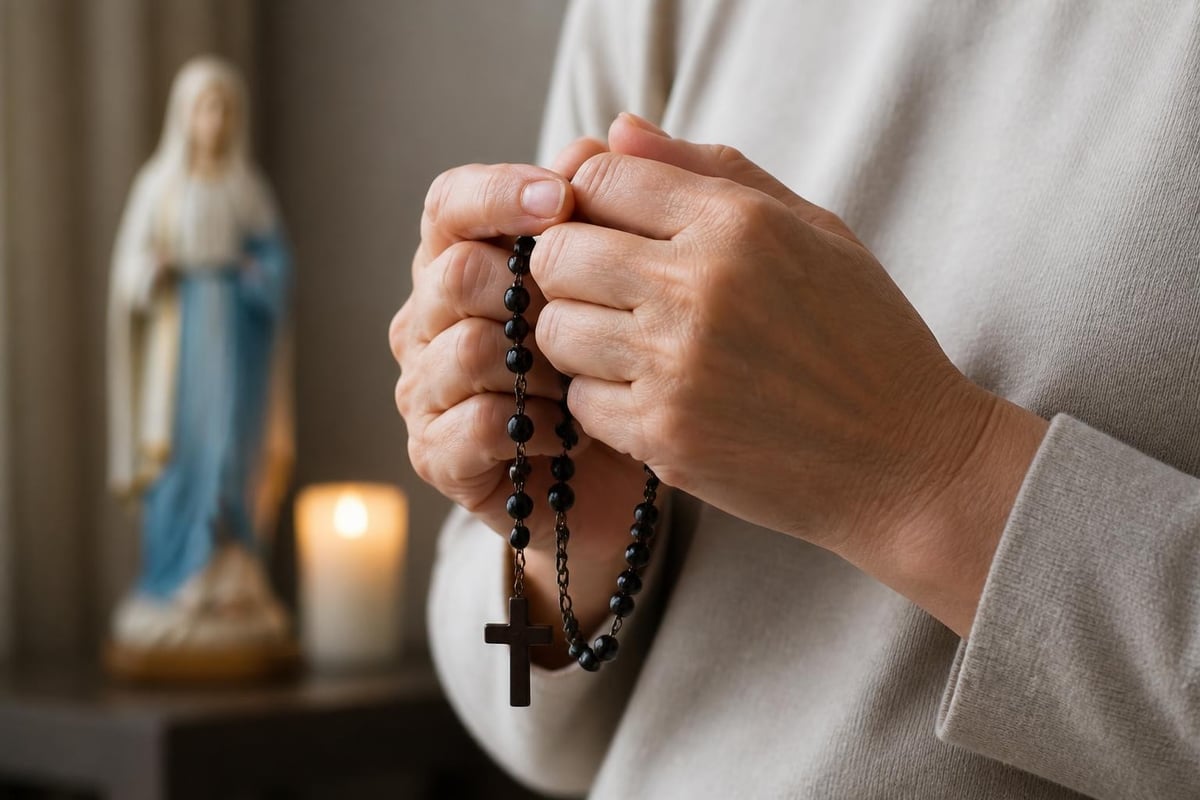
The rosary stands as perhaps the most popular Marian devotion. This meditative prayer combines vocal prayers with contemplation of the mysteries of Christ's life, death, and resurrection. The repetitive structure calms the mind while the mysteries engage the heart with the Gospel narrative.
The rosary's structure includes:
- The Apostles' Creed and opening prayers
- Five decades of Hail Marys, each preceded by an Our Father
- Meditation on a specific mystery from Christ's life
- Concluding prayers including the Hail Holy Queen
Praying the rosary allows believers to enter into the life of Christ through the eyes of his mother. The religious Virgin Mary witnessed his birth, ministry, passion, and resurrection, making her the perfect guide for contemplating these saving events.
Novenas and Special Prayers to Mary
Novenas dedicated to the religious Virgin Mary provide structured nine-day prayer periods for specific intentions. These prayers often commemorate important events in Mary's life or significant apparitions. The practice of novenas dates to the early Church, when the apostles and Mary prayed together for nine days between the Ascension and Pentecost.
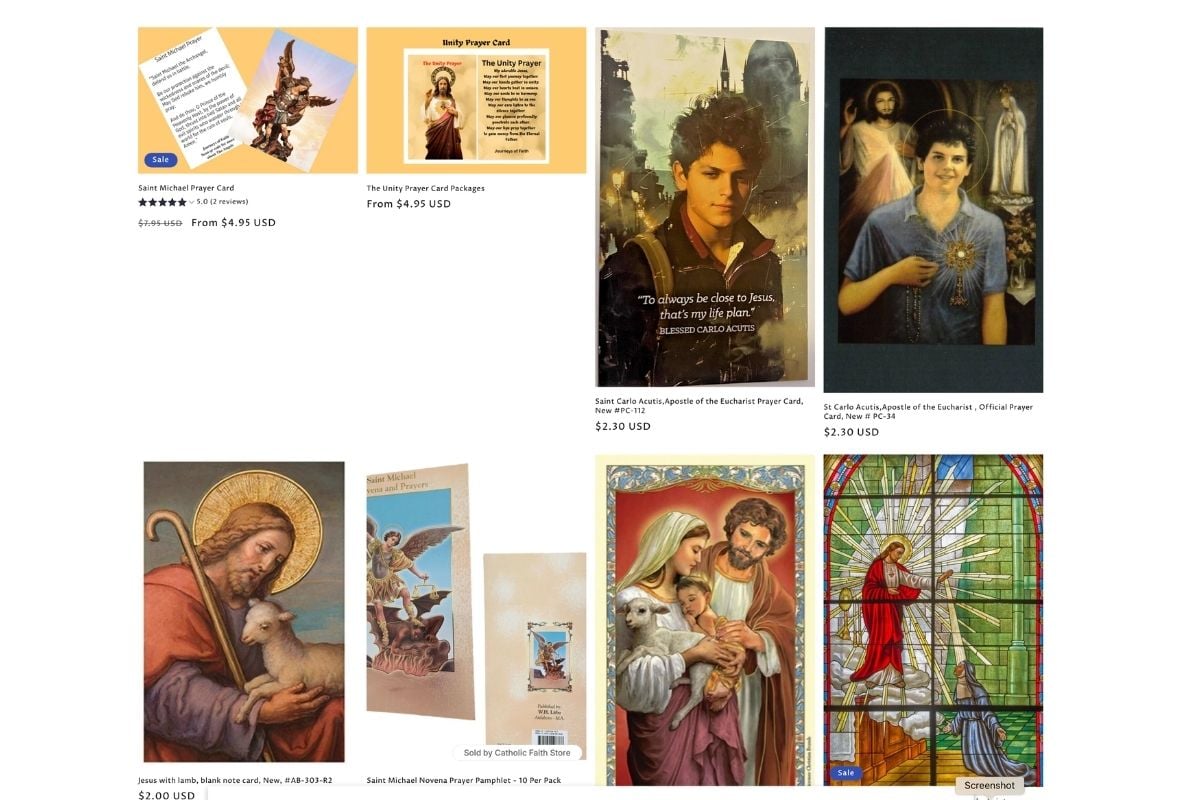
Many Catholics find comfort in carrying prayer cards that feature Marian prayers and images. These portable devotional aids serve as reminders of Mary's constant intercession and provide ready access to traditional prayers. When seeking to deepen your devotion to the religious Virgin Mary, prayer cards and novenas offer accessible ways to maintain a consistent prayer practice, whether alone or in community settings.
Marian Apparitions and Shrines
Throughout history, the religious Virgin Mary has appeared to believers at various locations worldwide. These apparitions, when approved by Church authority, carry messages of prayer, conversion, and hope. Major approved apparitions include:
- Our Lady of Guadalupe (1531, Mexico)
- Our Lady of Lourdes (1858, France)
- Our Lady of Fatima (1917, Portugal)
- Our Lady of Akita (1973, Japan)
Each apparition site has become a pilgrimage destination where millions seek the religious Virgin Mary's intercession. The remarkable apparitions of Mary demonstrate her ongoing maternal care for God's people and her desire to lead souls to her Son.
The messages from these apparitions consistently emphasize prayer, penance, conversion, and devotion to the Eucharist. Mary never draws attention to herself but always points toward Christ and the need for repentance and spiritual renewal.
Mary's Titles and Cultural Expressions
The religious Virgin Mary is known by numerous titles that reflect different aspects of her role and the diverse cultural expressions of devotion. These titles emerged from Scripture, theological reflection, and popular devotion across centuries and continents.
Biblical and Traditional Titles
Some titles come directly from Scripture or early Church tradition:
| Title | Origin | Significance |
|---|---|---|
| Mother of God (Theotokos) | Council of Ephesus, 431 | Affirms Christ's divinity |
| Queen of Heaven | Revelation 12 | Reflects her glorified state |
| New Eve | Early Church Fathers | Parallels her role in redemption to Eve's role in the Fall |
| Ark of the Covenant | Luke 1:35-43 | Mary carried Christ as the Ark carried God's presence |
| Star of the Sea | Medieval devotion | Guides believers through life's storms |
These titles enrich understanding of the religious Virgin Mary's multifaceted role in salvation history and Christian life. Each reveals different dimensions of her cooperation with God's plan and her ongoing intercession for believers.
Cultural Expressions of Marian Devotion
National Geographic's examination of Mary as a global icon demonstrates how the religious Virgin Mary transcends cultural boundaries while being deeply rooted in local contexts. Different cultures have developed unique ways of honoring Mary that reflect their particular histories and spiritual insights.
In Latin America, devotion to Our Lady of Guadalupe unites indigenous and Spanish Catholic traditions. African communities emphasize Mary's protective maternal care. Asian Catholics often highlight her humility and obedience. European traditions maintain strong connections to medieval Marian devotion through art, music, and pilgrimage sites.
These varied expressions don't dilute Marian devotion but demonstrate its universal appeal. The religious Virgin Mary serves as a mother to all peoples, meeting them within their cultural contexts while leading them to the same Christ.
Living Marian Spirituality Today
Contemporary Catholics can integrate devotion to the religious Virgin Mary into daily life through various practical approaches. Marian spirituality isn't merely about praying specific prayers but involves modeling one's life on her virtues and responding to God's will with similar faith and generosity.
Practical Steps for Marian Devotion
Beginning or deepening a relationship with the religious Virgin Mary can involve several approaches:
- Consecration to Mary: Formally entrusting oneself to Mary's maternal care
- Daily Rosary: Establishing a regular rosary practice, even just one decade
- Saturday Devotions: Observing Saturdays as especially dedicated to Mary
- Wearing the Scapular: Using sacramentals that express Marian devotion
- Reading Marian Literature: Studying books about Mary's life and role
These practices work best when integrated organically into existing prayer routines rather than added as burdens. The goal is to develop a genuine relationship with the religious Virgin Mary that enhances one's relationship with Christ.
Mary as Model of Discipleship
Beyond specific devotional practices, the religious Virgin Mary offers a powerful model for Christian discipleship. Her virtues provide concrete examples for believers seeking to grow in holiness:
Faith: Mary believed God's promise even when it seemed impossible. Modern believers face different challenges but need the same trust in God's faithfulness.
Humility: Despite her unique calling, Mary identified as God's humble servant. In an age of self-promotion, her example offers a counter-cultural witness.
Contemplation: Mary "kept all these things, pondering them in her heart" (Luke 2:19). This contemplative approach to life's events models how to find God's presence in daily circumstances.
Perseverance: Standing at the foot of the Cross, Mary remained faithful through unimaginable suffering. Her example strengthens believers facing their own trials.
The Religious Virgin Mary in Ecumenical Context
While devotion to the religious Virgin Mary finds its fullest expression in Catholic and Orthodox traditions, understanding develops through examining how different Christian communities view Mary. Various Christian traditions accord different roles and statuses to Mary, reflecting theological emphases and historical developments.
Shared Foundations
All mainstream Christian traditions affirm certain core beliefs about the religious Virgin Mary:
- Her virginal conception of Jesus through the Holy Spirit
- Her role as Mother of Jesus
- Her exemplary faith and discipleship
- Her presence at key moments in Jesus' ministry
These shared beliefs provide common ground for ecumenical dialogue while respecting genuine theological differences.
Points of Divergence
Protestant traditions generally limit Marian doctrine to explicit biblical statements, while Catholics and Orthodox Christians include Sacred Tradition in understanding Mary's role. These differences don't necessarily create unbridgeable divides but require mutual respect and careful explanation.
Recent decades have seen increased ecumenical conversation about the religious Virgin Mary. Some Protestant scholars have rediscovered Mary's significance, while Catholic theologians have worked to explain Marian teaching in biblically grounded terms that address Protestant concerns.
Mary's Ongoing Maternal Care
The religious Virgin Mary's role didn't end with Christ's ascension. Catholic teaching holds that she continues to exercise maternal care for all believers from her place in heaven. This ongoing intercession manifests through answered prayers, protection in dangers, and gentle guidance toward holiness.
Mary's Intercession in Practice
Countless believers throughout history have experienced the religious Virgin Mary's intercession in tangible ways. These experiences range from physical healings at pilgrimage sites to interior conversions and spiritual breakthroughs. While individual experiences vary, they consistently point to Mary's desire to lead souls to her Son.
The Church carefully examines claims of miracles attributed to Mary's intercession, ensuring authenticity while remaining open to God's action through his Mother. Approved miracles strengthen faith and demonstrate that the God who worked wonders through Mary during Christ's earthly ministry continues to work through her intercession today.
Mary and the Saints
The religious Virgin Mary holds a unique position among the saints. While all saints intercede for the faithful, Mary's prayers carry special weight because of her unique relationship to Christ as his Mother. The Church describes her as "Queen of All Saints," acknowledging her preeminence while affirming the communion of saints as a whole.
This understanding prevents any suggestion that devotion to Mary diminishes honor owed to other saints. Rather, Marian devotion enhances appreciation for all the holy men and women who have followed Christ. Mary stands as the first and greatest disciple, showing others the path to sanctity.
Theological Depth of Marian Teaching
Contemporary theology continues exploring the religious Virgin Mary's significance for modern believers. Historical development of Marian doctrine shows how the Church's understanding has deepened over time while remaining rooted in apostolic teaching.
Mary in Salvation History
Understanding the religious Virgin Mary requires seeing her within the complete narrative of salvation history. From the protoevangelium in Genesis 3:15, where God promises that the woman's offspring will crush the serpent's head, through the woman clothed with the sun in Revelation 12, Scripture presents Mary as integral to God's plan.
This biblical framework reveals that Mary's role wasn't an afterthought but part of God's eternal design. Just as the Fall involved both a man and woman, redemption involves the New Adam (Christ) and the New Eve (Mary). This parallel helps explain why Catholic tradition assigns such significance to the religious Virgin Mary.
Modern Challenges and Opportunities
Contemporary culture presents both challenges and opportunities for Marian devotion. Secularization has diminished religious practice in many regions, yet interest in Mary often persists even among those distant from institutional Church life. Her maternal image appeals to fundamental human needs for love, protection, and intercession.
Modern feminism has prompted fresh examination of the religious Virgin Mary as a model for women. While some criticize traditional presentations as too passive, others discover in Mary a strong woman who exercised agency in saying "yes" to God and who prophesied about God's justice in the Magnificat. These diverse perspectives enrich contemporary Marian theology.
The religious Virgin Mary remains a central figure in Catholic faith, offering believers a model of discipleship, a source of intercession, and a maternal guide toward Christ. Her biblical foundations, theological significance, and devotional practices provide rich resources for spiritual growth. Whether through the rosary, novenas, or simply contemplating her virtues, Catholics find in Mary a constant companion on the journey of faith. Journeys of Faith offers extensive resources to help deepen your understanding and devotion to the Mother of God through books, prayer materials, and media content that bring her story to life. Explore Journeys of Faith's online store with thousands of Catholic items to find resources that support your Marian devotion. Journeys of Faith is blessed to provide Catholic media, including podcasts and inspirational content, free of charge across multiple media platforms for viewers and listeners around the world. While access to this content remains free, there are significant and continually increasing costs associated with producing, hosting, and distributing these programs. Your support helps us continue sharing the beauty of the Catholic faith with souls. Please make a donation to support this important evangelization work.
