

Saint Alphonsus Liguori stands as one of the most influential figures in Catholic history, revered as a Doctor of the Church whose contributions to moral theology and spiritual devotion continue to shape Catholic life today. Born in 1696 in Naples, Italy, this remarkable saint combined brilliant legal training with profound mystical insight to become a champion of the poor, a defender of sound moral teaching, and the founder of the Redemptorist Congregation. His life demonstrates how intellectual rigor and tender compassion can unite to serve God's people, offering guidance that remains remarkably relevant for Catholics navigating moral questions in 2026. Understanding saint alphonsus liguori means exploring not just historical facts, but the living legacy of a man who transformed Catholic spirituality through his writings, his missionary zeal, and his unwavering commitment to making salvation accessible to all.
Early Life and Conversion
Saint Alphonsus Liguori began his earthly journey in the aristocratic Liguori family of Naples, where expectations ran high for their gifted son. His father, a naval officer and nobleman, ensured young Alphonsus received the finest education available in 18th-century Italy.
By age sixteen, Alphonsus had already earned doctorates in both civil and canon law, showcasing intellectual abilities that positioned him for a brilliant legal career. For eight years, he practiced law with remarkable success, losing only one case during his entire career. That single loss, however, would become the catalyst for his conversion.
The devastating court defeat in 1723 shook Alphonsus to his core, revealing the vanity of worldly ambition. During this crisis, he experienced a profound spiritual awakening while praying before the Blessed Sacrament. He heard an interior voice calling him to abandon the legal profession and dedicate himself entirely to God's service.

Despite fierce opposition from his father, who had invested heavily in his son's legal education, Alphonsus persisted in pursuing ordination. He was ordained to the priesthood in 1726 at age thirty, beginning a ministry that would revolutionize Catholic moral theology and pastoral care.
Brought to you by Journeys of Faith, founded by Bob and Penny Lord. We are an Augustinian Secular Institute and Cyber Apostles whose mission is evangelization through media.
Ministry to the Poor and Marginalized
The newly ordained Father Alphonsus immediately gravitated toward those society ignored. He joined the association of apostolic missionaries in Naples, dedicating himself to evangelizing the poorest neighborhoods and rural areas where spiritual care was scarce.
His work among the shepherds and peasants of the Kingdom of Naples revealed the desperate need for accessible religious instruction. Many rural Catholics had never received proper catechesis or had access to the sacraments. Saint alphonsus liguori recognized that the Church's mission required meeting people where they were, both geographically and spiritually.
This pastoral experience shaped his entire theological approach. Unlike theologians who wrote from ivory towers, Alphonsus developed his moral teaching through direct engagement with real people facing real struggles. His confessional became a laboratory where theory met practice, where abstract principles encountered concrete human situations.
Founding the Redemptorists
In 1732, saint alphonsus liguori founded the Congregation of the Most Holy Redeemer, known as the Redemptorists. This religious order emerged from his vision of a missionary community dedicated to evangelizing the most abandoned souls, particularly the rural poor.
The early years tested the founder's resolve severely. Internal conflicts, misunderstandings with Church authorities, and material poverty threatened the congregation's survival. Several members departed, and at one point, Alphonsus found himself virtually alone in supporting the mission.
Core Charism and Mission
The Redemptorist charism centers on three essential elements:
- Missionary preaching focused on conversion and renewal
- Devotion to the Blessed Sacrament as the source of spiritual strength
- Service to the most abandoned souls who lack pastoral care
| Redemptorist Priority | Practical Expression | Lasting Impact |
|---|---|---|
| Popular Missions | Traveling preachers conducting parish revivals | Renewed sacramental life in rural areas |
| Moral Guidance | Accessible confession and spiritual direction | Balanced approach to moral theology |
| Marian Devotion | Promoting devotion to Our Lady of Perpetual Help | Widespread popular piety |
The congregation eventually stabilized and grew, spreading throughout Italy and eventually worldwide. Today, Redemptorists continue the mission saint alphonsus liguori established, serving in over 80 countries and carrying forward his emphasis on reaching those most in need of redemption.
Theological Contributions and Writings
Saint Alphonsus Liguori's theological legacy rests primarily on his groundbreaking work in moral theology. During his lifetime, Catholic moral teaching was torn between two extremes: rigorism, which made salvation seem nearly impossible, and laxism, which minimized sin's seriousness.
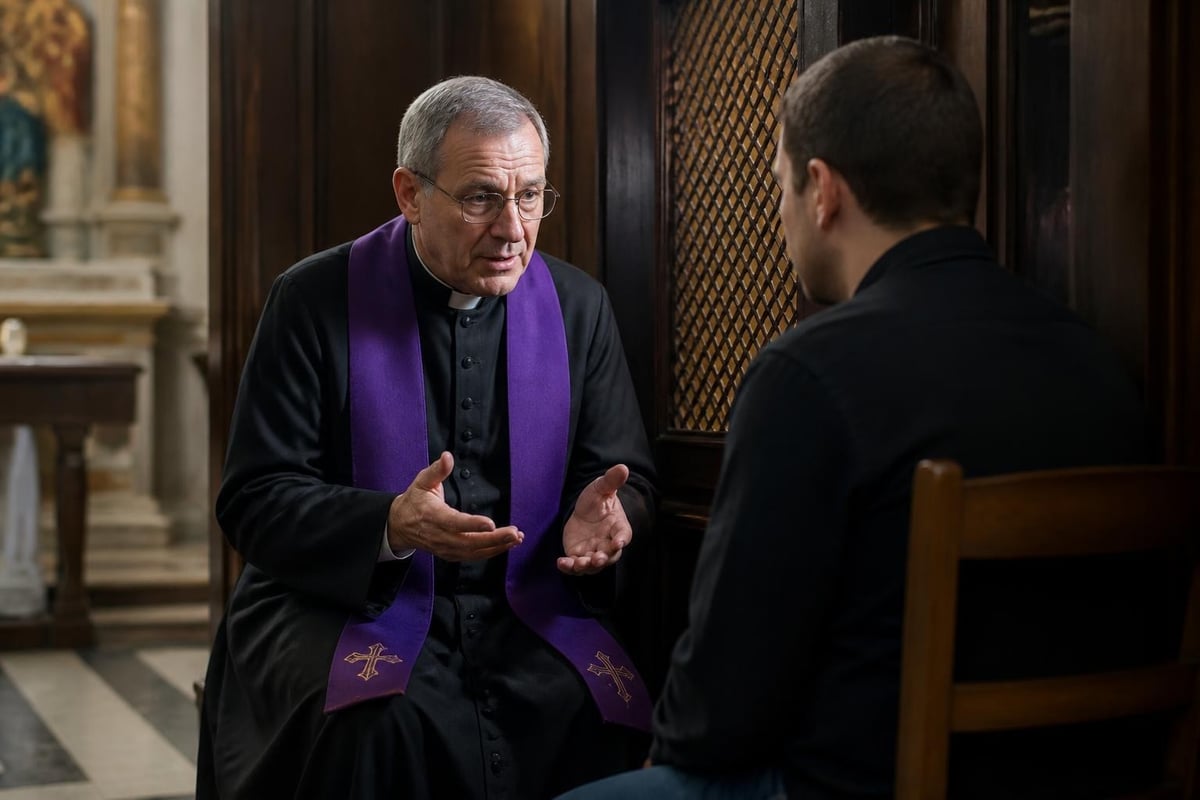
His masterwork, "Moral Theology," presented a balanced middle path called equiprobabilism. This approach acknowledged both the demands of God's law and the reality of human weakness, providing confessors with practical guidance for helping souls grow in holiness without crushing them under impossible burdens.
Major Works and Their Impact
Beyond moral theology, saint alphonsus liguori authored over 100 books and pamphlets addressing various aspects of Catholic life:
Devotional Works:
- "The Glories of Mary" remains one of the most influential Marian texts ever written
- "Visits to the Blessed Sacrament" continues to guide Eucharistic adoration
- "The Way of the Cross" popularized this devotion throughout the Catholic world
- "Preparation for Death" offers profound meditation on the four last things
Theological Treatises:
- "Moral Theology" became the standard text for seminary formation
- "The Great Means of Prayer" explores the necessity of prayer for salvation
- "The True Spouse of Jesus Christ" guides consecrated women in religious life
His writing style deliberately avoided academic jargon, making profound theological truths accessible to ordinary Catholics. This democratic approach to spirituality reflected his conviction that holiness was not reserved for an elite few but offered to everyone.
For those seeking to deepen their understanding of the saints and their teachings, exploring resources like Catholic Saints books can provide valuable insights into these spiritual giants who have shaped our faith.
Episcopal Ministry and Trials
In 1762, despite his protests and poor health, Pope Clement XIII appointed saint alphonsus liguori as Bishop of Sant'Agata dei Goti, a small diocese near Naples. He was sixty-six years old and suffering from severe arthritis that had begun to deform his body.
As bishop, Alphonsus applied the same pastoral principles that had guided his missionary work. He lived simply, visited every parish in his diocese personally, and insisted that priests prioritize the spiritual needs of their flocks over material concerns.
His episcopal reforms focused on practical improvements:
- Established rigorous standards for seminary formation
- Required regular catechetical instruction in all parishes
- Promoted frequent reception of the sacraments
- Addressed clerical abuses with firm but compassionate correction
- Personally heard confessions regularly despite his deteriorating health
Physical Suffering and Spiritual Trials
The final decades of saint alphonsus liguori's life involved intense suffering. Severe rheumatoid arthritis bent his body until his chin pressed permanently against his chest. He could barely move without assistance and endured constant pain.
Yet physical suffering paled beside the spiritual trials he endured. In 1775, while incapacitated by illness, he was tricked into signing documents that altered the Redemptorist rule in ways that contradicted papal approval. This mistake led to his own congregation's rejection of him and a painful period of alienation from the community he founded.
| Trial | Duration | Resolution |
|---|---|---|
| Severe arthritis | 30+ years | Accepted as participation in Christ's passion |
| Scrupulosity and darkness | Periodic episodes | Deepened trust in God's mercy |
| Rejection by Redemptorists | 1777-1780 | Reconciliation before death |
| Loss of episcopal faculties | 1775-1787 | Faithful acceptance of God's will |
These trials purified the saint's soul and demonstrated that his teachings on trusting God's mercy were not mere theory but hard-won wisdom forged in the crucible of suffering.
Devotional Legacy and Spiritual Practices
Saint alphonsus liguori's influence on Catholic devotional life extends far beyond his theological writings. He championed several practices that became central to Catholic spirituality and remain vital today.
Eucharistic Devotion
No aspect of Catholic life received more attention from saint alphonsus liguori than devotion to the Blessed Sacrament. He wrote extensively about the Real Presence and promoted frequent visits to Jesus in the tabernacle. His "Visits to the Blessed Sacrament and the Blessed Virgin Mary" provides structured meditations for spending time in Eucharistic adoration, a practice he considered essential for spiritual growth.
The Eucharist stood at the center of his theology because he recognized it as the source and summit of Christian life. For Alphonsus, time spent before the Blessed Sacrament wasn't optional but necessary for anyone serious about growing closer to Christ. This emphasis resonates powerfully with contemporary Catholics rediscovering the transformative power of Eucharistic adoration.
Those interested in exploring Eucharistic miracles and devotion further can find valuable resources through Miracles of the Eucharist materials that document extraordinary manifestations of Christ's Real Presence.
Marian Spirituality
"The Glories of Mary" represents saint alphonsus liguori's greatest contribution to Marian theology and devotion. This comprehensive work examines Mary's role in salvation history, her intercessory power, and the various ways Catholics can honor the Mother of God.
Key themes in Alphonsus's Marian teaching include:
- Mary as Mediatrix of all graces
- The power of the Rosary for spiritual warfare
- Devotion to Our Lady as a sign of predestination
- Mary's maternal care for sinners seeking conversion
His Marian devotion never competed with Christ-centered faith but rather led believers more deeply into relationship with Jesus through His mother. This balanced approach avoided both the excess of Mariolatry and the impoverishment of Marian minimalism.
The influence of saint alphonsus liguori on Marian devotion can be traced through subsequent papal teachings, the promotion of various Marian titles, and the widespread practice of consecration to Mary. Understanding apparitions of Mary helps contextualize how Alphonsus's theological insights prepared the Church to receive and understand subsequent Marian revelations.
Moral Theology and Pastoral Guidance
The genius of saint alphonsus liguori's moral theology lies in its pastoral sensitivity combined with doctrinal orthodoxy. He navigated between the Scylla of rigorism and the Charybdis of laxism, offering confessors practical wisdom for guiding souls.
Equiprobabilism Explained
Alphonsus developed equiprobabilism as a middle way in moral decision-making. When faced with moral uncertainty about whether an action is sinful, this system weighs the probability of different opinions. If the opinion favoring liberty (that the action is permissible) is equally or more probable than the opinion favoring law (that it's forbidden), one may follow the freer opinion.
This approach recognizes several important truths:
- Human conscience deserves respect even in uncertainty
- God's law should not be multiplied beyond what revelation and reason clearly establish
- Moral growth happens through reasonable challenge, not impossible demands
- Pastoral care requires balancing justice with mercy
The impact of this teaching transformed the confessional from a place of fear to a genuine encounter with Christ's mercy. Countless souls found freedom from scrupulosity and despair through the balanced guidance saint alphonsus liguori provided.
Practical Application for Modern Catholics
While saint alphonsus liguori wrote for 18th-century Italy, his moral principles remain remarkably applicable to contemporary ethical challenges. His insistence that moral theology serve pastoral needs rather than academic speculation ensures his work's enduring relevance.
Modern Catholics facing complex bioethical questions, workplace dilemmas, or family challenges can apply Alphonsian principles by:
- Seeking sound theological guidance rather than relying solely on personal opinion
- Forming conscience through prayer, study, and consultation with wise spiritual directors
- Avoiding both excessive scrupulosity and cavalier dismissal of moral norms
- Recognizing that genuine love sometimes requires difficult moral stands
- Trusting in God's mercy while taking moral responsibility seriously
Catholic resources that help believers grow in understanding the saints' wisdom, such as Prayer Cards and Novenas, offer accessible ways to integrate the spiritual insights of figures like saint alphonsus liguori into daily life.


Canonization and Doctor of the Church
Saint alphonsus liguori died on August 1, 1787, at the age of ninety. Despite decades of suffering, he maintained clarity of mind and devotion to the end, passing peacefully as the Angelus bells rang.
The process of recognizing his sanctity moved with unusual speed. Pope Pius VII beatified him in 1816, and Pope Gregory XVI canonized him on May 26, 1839. These recognitions acknowledged not only his personal holiness but also the extraordinary fruit his ministry had produced.
Declaration as Doctor of the Church
In 1871, Pope Pius IX declared saint alphonsus liguori a Doctor of the Church, the highest honor the Catholic Church can bestow on a theologian and spiritual writer. This declaration affirmed that his teaching possessed:
- Eminent doctrine: Theological insight of exceptional depth and clarity
- Outstanding sanctity: Personal holiness validating his teaching
- Church proclamation: Official recognition of universal benefit to the faithful
Among the 37 Doctors of the Church recognized as of 2026, saint alphonsus liguori holds a unique position as the patron of moral theologians and confessors. His feast day, celebrated on August 1, reminds Catholics worldwide of the importance of balanced moral teaching and pastoral compassion.
| Recognition | Date | Significance |
|---|---|---|
| Beatification | September 15, 1816 | Acknowledgment of heroic virtue |
| Canonization | May 26, 1839 | Universal recognition of sanctity |
| Doctor of the Church | March 23, 1871 | Authority in theological teaching |
| Patron Saint | Moral theologians, confessors, arthritis sufferers | Special intercessory role |
Continued Relevance for Contemporary Catholics
The teachings of saint alphonsus liguori speak powerfully to Catholics navigating the moral complexities of modern life. His emphasis on accessible spirituality challenges the tendency to make holiness seem impossibly distant from ordinary experience.
Addressing Modern Challenges
Contemporary Catholics face ethical questions Alphonsus never imagined: bioethical dilemmas, digital privacy concerns, environmental responsibilities, and complex workplace situations. Yet his methodological principles provide a framework for addressing these new challenges:
His approach teaches us to:
- Ground moral reasoning in Scripture, Tradition, and sound philosophy
- Consider both universal principles and particular circumstances
- Consult experts while ultimately forming one's own conscience
- Seek the good of persons over abstract ideological purity
- Trust God's mercy while taking moral responsibility seriously
The pastoral sensitivity saint alphonsus liguori demonstrated remains essential in an age when many feel alienated from institutional religion. His conviction that the Church exists to serve souls, not the reverse, offers a corrective to clericalism and bureaucratic coldness.
Living Alphonsian Spirituality Today
Catholics seeking to incorporate saint alphonsus liguori's spirituality into contemporary life can adopt several practices he championed:
- Make regular visits to the Blessed Sacrament, even if brief
- Pray the Rosary with attention to Mary's role in salvation
- Examine conscience daily with honesty but without scrupulosity
- Seek regular confession as a means of growth, not merely obligation
- Study the faith seriously while maintaining humble docility
- Serve the poor and marginalized as Christ's special friends
His life demonstrates that intellectual brilliance and simple faith need not conflict. The same man who wrote sophisticated treatises on moral theology also composed popular hymns and simple prayers that touched ordinary hearts.
For those seeking to deepen their knowledge of Catholic spirituality and the saints who have shaped our faith, Journeys of Faith offers extensive resources including books, media, and devotional materials that make these treasures accessible to modern Catholics.
The Enduring Gift of Saint Alphonsus Liguori
Saint alphonsus liguori's legacy extends far beyond historical interest. His writings continue to form seminarians in moral theology, his devotional works nourish millions of souls, and his Redemptorist congregation carries forward his missionary zeal across the globe.
Perhaps his greatest gift to the Church is demonstrating that rigorous theology and tender pastoral care belong together. He refused to sacrifice either doctrinal clarity or merciful compassion, showing that authentic Catholicism embraces both truth and love without compromise.
His own suffering, particularly in his final years when even his own congregation rejected him, reveals the cost of prophetic witness. Yet through these trials, saint alphonsus liguori learned the lessons he taught others: that God's mercy sustains us when everything else fails, that suffering can purify and perfect love, and that humble trust ultimately triumphs over all adversity.
The Church's recognition of saint alphonsus liguori as a Doctor continues to bear fruit in every generation. His balanced moral teaching helps Catholics avoid the twin pitfalls of scrupulosity and laxity. His Eucharistic devotion draws believers into deeper communion with Christ. His Marian spirituality opens hearts to receive grace through Mary's intercession.
As Catholics in 2026 face unprecedented challenges to faith and morals, the wisdom of saint alphonsus liguori offers both guidance and encouragement. His life proves that holiness is achievable not through superhuman effort but through humble cooperation with grace, faithful prayer, and merciful love for all God's children.
Saint Alphonsus Liguori's profound contributions to moral theology, Eucharistic devotion, and Marian spirituality continue to guide Catholics seeking to grow in holiness while navigating contemporary moral challenges. His balanced approach offers wisdom for confession, daily prayer, and living out the Gospel with both conviction and compassion. To explore more about the lives of saints who have shaped Catholic faith and practice, along with resources that bring their wisdom into your daily spiritual journey, visit Journeys of Faith. Discover thousands of Catholic items including books, prayer cards, and devotional materials at the Journeys of Faith online store. Journeys of Faith is blessed to provide Catholic media, including podcasts and inspirational content, free of charge across multiple media platforms for viewers and listeners around the world. While access to this content remains free, there are significant and continually increasing costs associated with producing, hosting, and distributing these programs. Your support helps us continue sharing the beauty of the Catholic faith with souls. Please make a donation to support this vital mission of evangelization through media.
