

Throughout Catholic tradition, the faithful have turned to holy intercessors during times of illness and suffering. These spiritual companions, known as patron saints, offer comfort and hope to those facing physical, emotional, and spiritual challenges. Understanding which saint for the sick applies to specific situations can deepen prayer life and provide strength during difficult medical journeys. The communion of saints represents a powerful network of heavenly advocates who understand human suffering and bring our petitions before God's throne.
Understanding Patron Saints of Healing
The Catholic Church recognizes numerous saints who dedicated their lives to serving the sick or experienced miraculous healings themselves. These holy men and women serve as powerful intercessors for those battling illness today. When we invoke a saint for the sick, we're not worshipping them but asking them to pray alongside us, just as we might ask a trusted friend to pray for our intentions.
St. Camillus de Lellis stands as one of the most prominent patron saints of hospitals, nurses, and the sick. Born in 1550, Camillus transformed from a soldier and gambler into a compassionate caregiver after experiencing his own conversion. He founded the Order of Clerks Regular, Ministers of the Infirm, specifically dedicated to caring for those suffering from disease. His ministry emphasized dignity, compassion, and spiritual care alongside medical treatment. Today, St. Camillus de Lellis continues to inspire healthcare workers and patients facing serious medical challenges.
Archangel Raphael: Divine Physician
St. Raphael the Archangel holds a unique position as the patron saint of healing, serving as God's instrument of physical and spiritual restoration. His name literally means "God heals," and Scripture reveals his role in the Book of Tobit, where he guides Tobias and heals Tobit's blindness. Many Catholics invoke St. Raphael when seeking healing, whether for chronic conditions, surgical procedures, or recovery from injury.
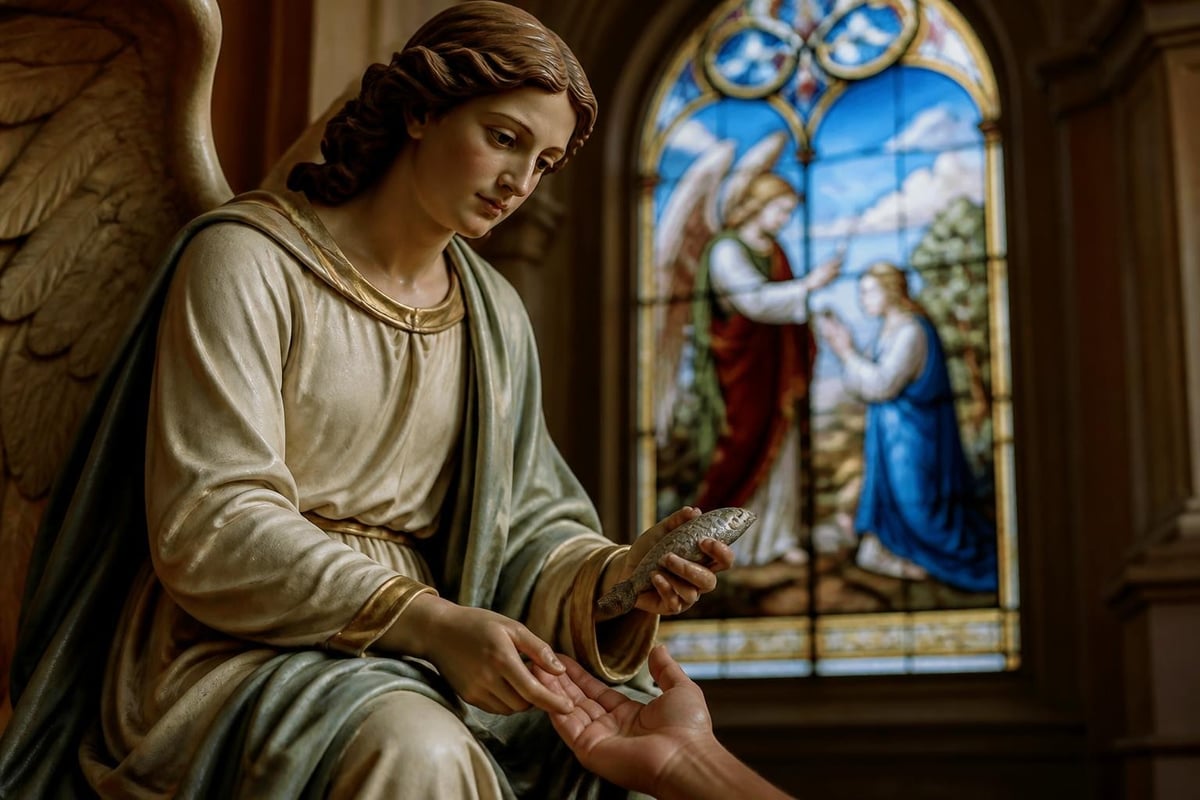
The prayers for healing through St. Raphael's intercession have sustained faithful Catholics for centuries. His feast day on September 29th provides an annual opportunity to seek his powerful advocacy for health concerns.
Saints for Specific Illnesses and Conditions
Catholic tradition assigns particular saints to intercede for specific medical conditions based on their life experiences or miraculous healings. This specificity allows the faithful to connect with a saint for the sick who personally understands their struggle.
Brought to you by Journeys of Faith Founded by Bob and Penny Lord. We are an Augustinian Secular Institute, Cyber Apostles. Our Mission is Evangelization through Media.
Cancer and Serious Disease
| Saint | Specific Patronage | Feast Day |
|---|---|---|
| St. Peregrine Laziosi | Cancer patients | May 1 |
| St. Giles | Cancer, epilepsy | September 1 |
| St. Rita of Cascia | Impossible cases, cancer | May 22 |
| St. Nektarios | Cancer healing | November 9 |
St. Peregrine Laziosi experienced a miraculous cure from cancer in his leg after years of prayer and penance. His story resonates powerfully with modern cancer patients seeking hope. Many hospitals and cancer treatment centers maintain shrines or prayer cards dedicated to this beloved saint for the sick.
St. Rita of Cascia, known as the saint of impossible causes, also serves as a powerful intercessor for those facing cancer diagnoses. Her willingness to endure suffering transforms her into a companion for those walking through medical trials. Through St. Rita's intercession, countless faithful report experiencing peace, strength, and sometimes physical healing.
Mental and Emotional Health
The Church recognizes that wellness extends beyond physical health. Several saints serve as advocates for mental health struggles, anxiety, and depression:
- St. Dymphna: Patron of mental illness, anxiety, and nervous disorders
- St. Benedict Joseph Labre: Depression and mental afflictions
- St. Vitus: Epilepsy and nervous system disorders
- St. Bibiana: Mental illness and headaches
St. Dymphna's story as a young Irish princess who fled her mentally ill father demonstrates her deep understanding of psychological suffering. Modern mental health facilities often invoke her patronage, recognizing that spiritual support complements professional psychiatric care.
Traditional Prayers to Saints for Healing
Prayer remains the primary method of invoking saintly intercession. The Catholic tradition offers structured prayers and novenas specifically designed to seek healing through holy advocates. These prayers acknowledge God as the ultimate healer while requesting the saint's powerful intercession.
Novena Prayers
A novena consists of nine consecutive days of prayer directed toward a specific intention. This practice mirrors the nine days the apostles spent in prayer between Christ's Ascension and Pentecost. When praying a novena to a saint for the sick, Catholics demonstrate persistent faith and trust in God's providence.
The structure typically includes:
- Opening prayers (Sign of the Cross, Act of Contrition)
- Specific novena prayer to the chosen saint
- Personal petitions for healing
- Closing prayers (Our Father, Hail Mary, Glory Be)
- Additional prayers specific to the saint's charism
Many faithful Catholics find that novena prayers provide structure and hope during uncertain medical situations. The repetition creates spiritual rhythm during chaotic times.
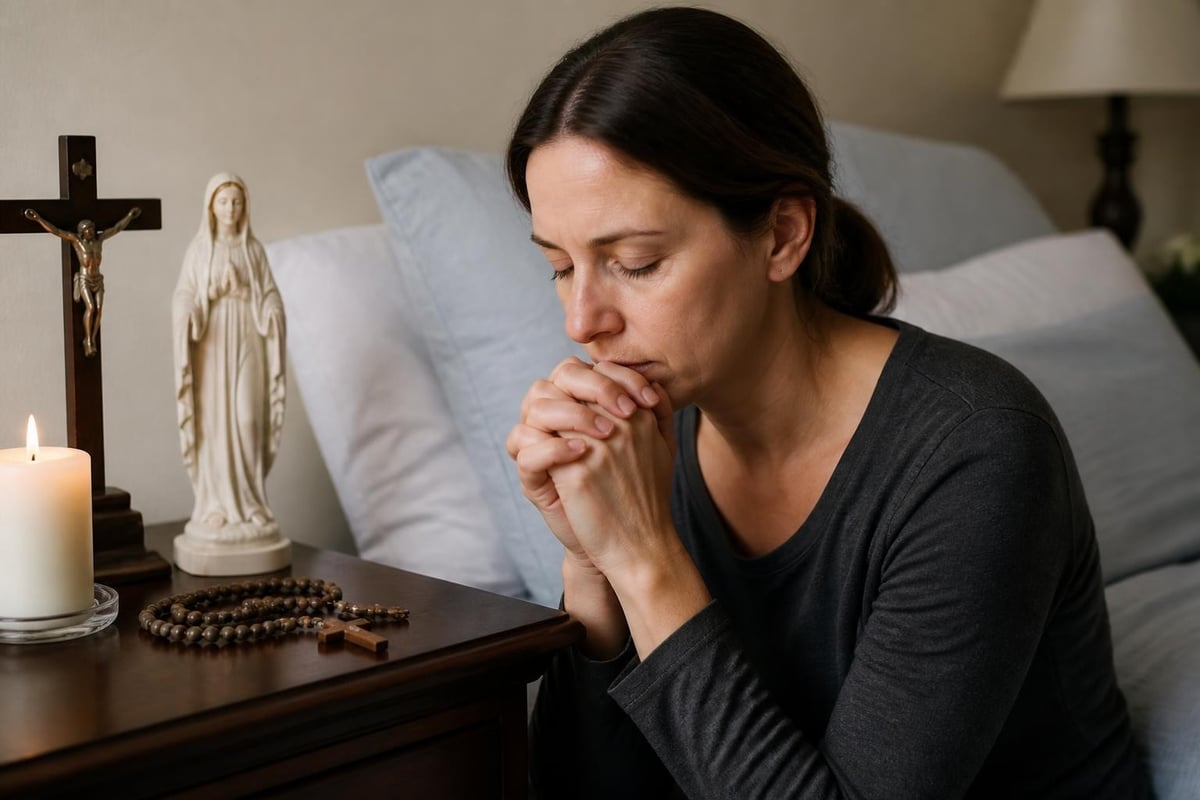
Short Daily Prayers
Not everyone can commit to lengthy novenas during health crises. Short, powerful prayers to a saint for the sick offer immediate spiritual support:
Prayer to St. Camillus de Lellis: "St. Camillus, patron of the sick and those who care for them, intercede for [name] that God may grant healing, patience in suffering, and grace to accept His will. Amen."
Prayer to St. Peregrine: "St. Peregrine, you who were miraculously cured of cancer, obtain for us from God the grace of healing. May our faith sustain us through this trial. Amen."
These concise invocations can be repeated throughout the day, especially during medical procedures, treatments, or moments of pain.
The Role of Sacramentals in Healing
Catholic tradition enriches prayer life through sacramentals-physical objects blessed by the Church that dispose believers to receive grace. When seeking the intercession of a saint for the sick, sacramentals provide tangible connections to spiritual realities.
Prayer Cards and Holy Images
Prayer cards featuring patron saints of healing serve multiple purposes. They provide:
- Immediate prayer access: Cards include specific prayers and novenas
- Visual focus: Images help concentrate wandering thoughts during pain
- Portable devotion: Easily carried to medical appointments or treatments
- Shareable faith: Cards can be distributed to others facing similar struggles
For those seeking spiritual support during illness, prayer cards dedicated to healing saints offer accessible devotional tools. These cards become treasured companions through long hospital stays and recovery periods.
Medals and Relics
St. Raphael medals, St. Peregrine medals, and other saintly tokens have accompanied Catholics through medical challenges for centuries. While the Church teaches that these objects hold no magical power, they serve as reminders of God's presence and the saint's intercession. Wearing a medal of a saint for the sick demonstrates faith and provides comfort during uncertainty.
Relics-physical remains or personal items of saints-hold special significance in Catholic tradition. Third-class relics (items touched to first or second-class relics) are often available through religious goods suppliers and can be reverently applied during prayers for complete healing.
Modern Healthcare and Traditional Devotion
The 2026 medical landscape features unprecedented technological advancement alongside ongoing spiritual needs. Catholic teaching embraces both scientific medicine and faith-based healing practices, recognizing that God works through human hands and divine intervention alike.
Integrating Faith in Medical Settings
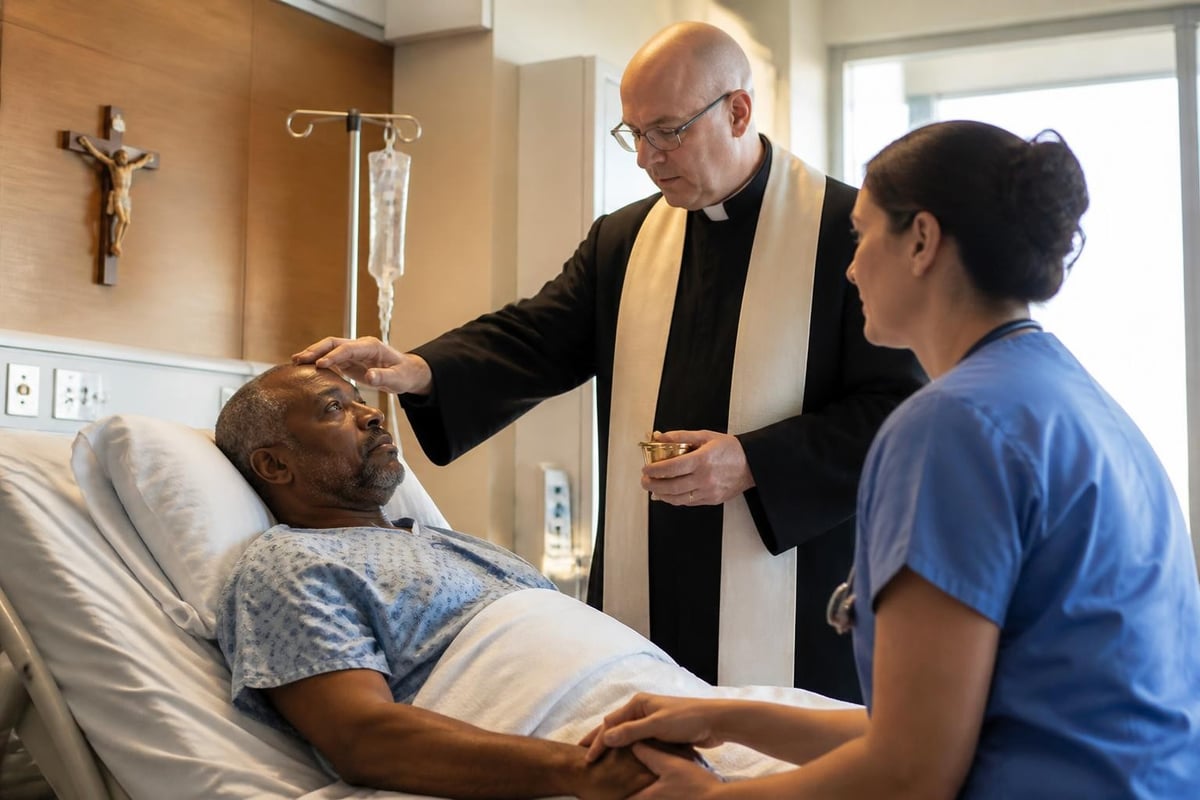
Many Catholic hospitals maintain chapels, employ chaplains, and encourage sacramental life for patients. The Anointing of the Sick, one of the seven sacraments, specifically addresses serious illness. This sacrament strengthens the soul, sometimes brings physical healing, and prepares individuals for potential death.
Healthcare providers increasingly recognize the importance of addressing spiritual needs alongside physical symptoms. Studies demonstrate that patients who maintain active prayer lives and spiritual connections often experience:
- Better pain management
- Improved emotional resilience
- Enhanced recovery outcomes
- Greater acceptance of medical limitations
- Reduced anxiety and depression
When patients invoke a saint for the sick while receiving medical treatment, they acknowledge both divine providence and human expertise. This integration represents authentic Catholic spirituality.
Supporting Sick Family Members
Caring for ill loved ones creates tremendous emotional and spiritual strain. Catholics supporting sick family members can invoke patron saints not only for the patient but for themselves as caregivers. St. Louise de Marillac, founder of the Daughters of Charity, serves as patron of social workers and those caring for the sick at home.
Practical ways to incorporate devotion to a saint for the sick while caregiving include:
- Morning offering: Dedicate the day's challenges to the chosen saint's intercession
- Bedside prayers: Recite brief invocations during medication administration or treatments
- Shrine creation: Establish a small prayer corner with candles, images, and prayer cards
- Community support: Join prayer groups focused on healing intercession
- Sacramental life: Ensure the sick person receives regular Communion and Confession when possible
Saints Who Suffered Illness Themselves
Some of the most powerful intercessors for the sick are those who endured chronic illness or disability during their earthly lives. Their personal experience with suffering creates intimate understanding of patients' struggles.
St. Bernadette Soubirous, to whom Our Lady appeared at Lourdes, suffered from tuberculosis of the bone and asthma throughout her life. Despite witnessing miraculous healings at the Lourdes grotto, she never received physical healing herself. Her willingness to unite suffering with Christ's passion makes her a compelling saint for the sick who may not receive the healing they desire.
St. Lydwine of Schiedam experienced a skating accident at age 15 that led to progressive disabilities, eventually becoming paralyzed and blind. Rather than despair, she offered her suffering for the conversion of sinners. Her mystical experiences during illness demonstrate how God can work through physical limitation.
The Theology of Redemptive Suffering
Catholic teaching on redemptive suffering provides meaning to illness that secular medicine cannot address. When united with Christ's passion, human suffering gains salvific value. This doesn't diminish the importance of seeking medical treatment or praying for healing through a saint for the sick. Rather, it acknowledges that not all prayers for physical healing receive affirmative answers, yet all suffering can bear spiritual fruit.
| Aspect of Suffering | Redemptive Value | Scriptural Basis |
|---|---|---|
| Physical pain | Purification of soul | 1 Peter 4:1 |
| Limitation and disability | Witness to God's strength | 2 Corinthians 12:9 |
| Terminal illness | Preparation for eternal life | Philippians 1:21 |
| Chronic conditions | Patience and perseverance | Romans 5:3-4 |
Understanding this theology helps Catholics accept when healing doesn't occur despite fervent prayer to a saint for the sick. The goal shifts from mere physical restoration to spiritual transformation and union with God's will.
Healing Pilgrimages and Sacred Sites
Throughout Catholic history, certain locations have become associated with miraculous healings through saintly intercession. These pilgrimage sites continue drawing millions of sick and suffering faithful annually.
Lourdes, France remains the most famous healing shrine, where St. Bernadette received visions of Our Lady. Since 1858, the Catholic Church has verified 70 miraculous cures among thousands of reported healings. Pilgrims immerse themselves in the spring water, attend Mass, and pray the Rosary while invoking Mary's intercession as the ultimate saint for the sick.
Sanctuary of St. Peregrine in Forli, Italy, attracts cancer patients worldwide seeking his powerful intercession. The saint's tomb has become a place of prayer and hope for those facing oncological diagnoses.
Other significant healing shrines include:
- St. Anne de Beaupré, Quebec: Joint ailments and arthritis
- National Shrine of St. Jude, Chicago: Hopeless cases
- Shrine of St. Rita, Philadelphia: Impossible causes and cancer
While physical pilgrimage provides spiritual benefits, those too sick to travel can participate through virtual pilgrimages, prayer services broadcast from these sites, or by obtaining blessed water and items from these locations. The lives of the saints demonstrate that physical presence at shrines, while beneficial, isn't necessary for receiving healing grace.
Eastern Catholic and Orthodox Perspectives
Eastern Christian traditions maintain particularly strong devotion to healing saints, with some variations from Roman Catholic practice. St. Nektarios of Aegina, an Orthodox saint, has become widely venerated for cancer healing intercession. His tomb on the Greek island of Aegina reports continuous miraculous healings, and prayers to St. Nektarios have spread throughout global Christianity.
The Unmercenaries-saints who provided medical care without accepting payment-hold special significance in Eastern tradition. These include:
- Ss. Cosmas and Damian: Twin physician brothers martyred in the 4th century
- St. Panteleimon: Physician who treated poor patients freely
- St. Hermolaus: Teacher of St. Panteleimon
Eastern Christian healing prayers often incorporate multiple saints simultaneously, recognizing the communion of saints as a collective intercessory body. This approach enriches Western Catholic practice by emphasizing community over individualism when invoking a saint for the sick.
Teaching Children About Healing Saints
Introducing young Catholics to the concept of a saint for the sick builds faith foundation and provides comfort during childhood illnesses. Age-appropriate catechesis helps children understand saintly intercession without creating superstition.
Story-Based Learning
Children connect with saints through narrative. St. Raphael's story from the Book of Tobit, with its adventure elements and happy ending, captivates young imaginations while teaching about healing prayer. St. Peregrine's transformation from angry young man to compassionate servant demonstrates redemption alongside healing.
Parents can create simple devotions by:
- Reading illustrated saint stories before bedtime
- Keeping holy cards in children's prayer books
- Visiting Catholic shrines as family outings
- Praying brief invocations during minor illnesses
- Explaining that saints are friends in heaven who care about us
Resources for families include children's books about healing saints, prayer cards designed for young readers, and saint medals that children can wear. These tangible items make abstract theological concepts concrete for developing minds.
Discernment and Medical Ethics
While devotion to a saint for the sick represents authentic Catholic practice, the Church cautions against replacing medical treatment with prayer alone. Catholic medical ethics emphasizes that faith and reason work together, not in opposition.
Ordinary versus extraordinary means: Catholic teaching distinguishes between treatments that offer reasonable hope of benefit (which should ordinarily be pursued) and those that impose excessive burden without proportionate benefit. Prayer to healing saints should accompany appropriate medical care, not substitute for it.
When facing difficult medical decisions, Catholics should:
- Consult qualified healthcare professionals
- Seek spiritual direction from knowledgeable clergy
- Pray for wisdom and guidance through saintly intercession
- Consider quality of life alongside longevity
- Respect the dignity of human life while accepting mortality
The comprehensive Catholic approach to healing addresses body, mind, and spirit without neglecting any dimension.
Building a Personal Devotion to Healing Saints
Developing consistent devotion to a saint for the sick creates spiritual resilience before crisis occurs. Rather than treating saints as emergency contacts, Catholics benefit from cultivating ongoing relationships with heavenly intercessors.
Choosing Your Patron
Selection criteria might include:
- Personal connection: Life circumstances that mirror your own
- Specific condition: Saints associated with your health concerns
- Spiritual attraction: Natural affinity for particular saints' spirituality
- Cultural heritage: Saints from your ethnic or national background
- Name patron: The saint whose name you bear
Once chosen, deepen the relationship through biography reading, daily prayer, celebration of the saint's feast day, and integration into family devotional life. This creates a spiritual friendship that provides strength during both health and illness.
Creating Prayer Routines
Consistent prayer patterns establish spiritual discipline that sustains faith during medical challenges. A simple daily practice might include:
Morning: Brief invocation to your patron saint for the sick, offering the day's activities and challenges
Midday: Angelus or brief mental prayer, remembering those currently suffering
Evening: Examination of conscience, gratitude for the day's graces, petition for those facing nighttime pain or anxiety
Weekly: Attendance at Mass, reception of sacraments, extended prayer time with saint biographies or meditation
Contemporary Witnesses and Testimonies
Modern accounts of healing through saintly intercession continue enriching Catholic faith. While the Church carefully investigates claimed miracles, personal testimonies of comfort, strength, and occasionally physical healing inspire believers facing their own health struggles.
Online communities dedicated to specific healing saints share experiences ranging from cancer remissions following novenas to St. Peregrine, to emotional healing through St. Dymphna's intercession. These stories don't replace medical documentation but provide encouragement and hope.
The patron saints of healing inspire not through guaranteed physical cures but through their witness to God's presence in suffering. Their lives demonstrate that holiness flourishes even amid illness, disability, and pain.
Liturgical Celebrations and Feast Days
The Church's liturgical calendar incorporates feast days honoring healing saints, providing annual opportunities for focused devotion. These celebrations connect individual prayer to the universal Church's worship.
Major feast days for patron saints of the sick include:
- July 14: St. Camillus de Lellis
- September 29: St. Raphael the Archangel (with Michael and Gabriel)
- May 1: St. Peregrine Laziosi
- May 15: St. Dymphna
- May 22: St. Rita of Cascia
Parish communities often organize special Masses, healing services, or Anointing of the Sick celebrations on these dates. Hospitals and healthcare facilities with Catholic sponsorship may conduct blessing ceremonies or prayer services honoring their patron saint for the sick.
Participating in communal celebrations reinforces that illness and healing concern not just individuals but the entire Body of Christ. When one member suffers, all members suffer together and support one another through prayer.
Resources for Deepening Devotion
Catholics seeking to strengthen their relationship with a saint for the sick benefit from quality resources that combine accurate information with spiritual nourishment. Books, prayer cards, and media offerings provide ongoing formation.
Catholic publishers offer extensive materials on healing saints, including:
- Biographies with historical documentation
- Illustrated children's books
- Prayer card collections with novenas
- Meditation guides for extended reflection
- Audio recordings of saint stories
For those interested in exploring Catholic saints' lives and intercession, comprehensive resources provide deeper understanding of these holy advocates. Quality materials distinguish authentic Catholic devotion from superstition or folk religion.
Study groups focused on particular saints create community support while deepening theological understanding. These gatherings might incorporate Scripture study, saint biography discussion, shared prayer, and practical application of saintly virtues to contemporary challenges.
The rich Catholic tradition of invoking a saint for the sick offers profound spiritual support during life's most challenging moments, connecting earthly suffering with heavenly intercession through the communion of saints. Whether seeking physical healing, emotional strength, or spiritual peace, these holy advocates walk alongside the faithful as powerful friends and prayer partners. Journeys of Faith provides extensive resources to deepen your understanding of the saints and strengthen your prayer life through books, prayer cards, and devotional materials that bring these heavenly companions closer to your daily journey.
- Explore Journeys of Faith online store with thousands of Catholic items at https://journeysoffaith.com/collections
- Journeys of Faith is blessed to provide Catholic media, including podcasts and inspirational content, free of charge across multiple media platforms for viewers and listeners around the world. While access to this content remains free, there are significant and continually increasing costs associated with producing, hosting, and distributing these programs. Your support helps us continue sharing the beauty of the Catholic faith with souls. Please make a donation at https://journeysoffaith.com/pages/donate
