

Saint statues have adorned Catholic churches, shrines, and homes for centuries, serving as powerful reminders of the communion of saints and our spiritual heritage. These sacred sculptures transcend mere decoration, offering believers tangible connections to the holy men and women who walked before us. In 2026, as technology reshapes how we experience faith, these traditional representations continue to play an irreplaceable role in Catholic devotion, teaching, and evangelization. Understanding the profound purpose behind these statues enriches our spiritual lives and deepens our appreciation for the artistic traditions that preserve our faith.
The Theological Foundation of Saint Statues
The presence of saint statues in Catholic worship spaces reflects a rich theological understanding of the communion of saints and the incarnational nature of our faith. Unlike abstract spirituality, Catholicism embraces the physical world as a vehicle for grace, recognizing that material objects can lead us to deeper spiritual truths. These sculptures serve as visual catechesis, teaching the faithful about virtue, holiness, and the diverse paths to sanctity.
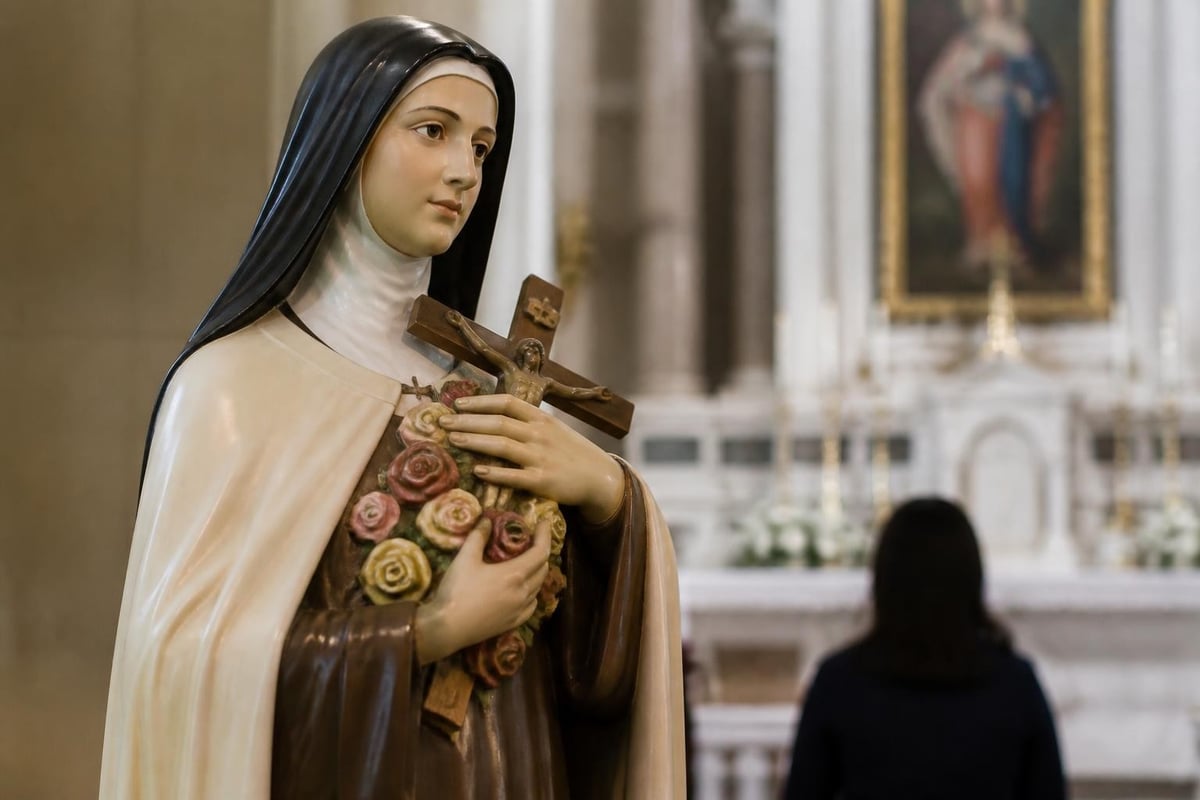
The Second Council of Nicaea in 787 AD definitively addressed the veneration of sacred images, distinguishing between worship reserved for God alone and the honor given to saints through their representations. This theological distinction remains crucial today, as saint statues function as windows into heaven rather than objects of worship themselves. When we place flowers before a statue of Saint Francis or light a candle near an image of Saint Thérèse, we're not praying to the statue itself but asking for the intercession of the saint it represents.
Materials and Craftsmanship Through the Ages
Traditional saint statues have been crafted from diverse materials, each chosen for its symbolic significance and practical durability. Stone, wood, bronze, and plaster have served as the primary mediums for these sacred sculptures, with regional traditions developing distinctive styles and techniques.
| Material | Characteristics | Common Uses | Preservation Needs |
|---|---|---|---|
| Carrara Marble | Luminous, fine-grained | Major church installations | Professional cleaning, climate control |
| Wood (Oak, Cedar) | Warm, detailed carving | Smaller devotional pieces | Humidity control, pest prevention |
| Bronze | Weather-resistant, durable | Outdoor shrines | Patina maintenance |
| Plaster | Affordable, versatile | Parish churches, schools | Careful handling, repair expertise |
The Santo art tradition in Latin America and the Philippines exemplifies how cultural contexts shape the creation of saint statues, blending indigenous artistic techniques with Catholic iconography. These regional variations demonstrate the universal Church's ability to embrace diverse expressions of faith while maintaining theological consistency.
Brought to you by Journeys of Faith, founded by Bob and Penny Lord. We are an Augustinian Secular Institute and Cyber Apostles whose mission is evangelization through media.
Restoration and Preservation of Sacred Sculptures
The careful restoration of saint statues represents more than historical preservation; it's an act of honoring our spiritual ancestors and maintaining the continuity of Catholic tradition. Churches across the world face the challenge of maintaining aging statues that have witnessed generations of prayers, processions, and devotions.
Professional restoration requires both artistic skill and theological sensitivity. Experts must understand traditional restoration techniques that honor the original artisan's vision while addressing structural damage, paint loss, and environmental deterioration. The process typically involves detailed documentation, careful cleaning, structural stabilization, and meticulous refinishing.
The Restoration Process
- Assessment and Documentation: Photographing damage, analyzing materials, reviewing historical records
- Structural Stabilization: Addressing cracks, loose components, and foundational issues
- Surface Preparation: Removing dirt, old varnish, and unstable paint layers
- Gesso Application: Rebuilding damaged details with traditional lime putty or gesso
- Color Matching: Analyzing original pigments and hand-mixing authentic colors
- Protective Finishing: Applying conservation-grade sealants and varnishes
The statue restoration process demonstrates remarkable attention to detail, with artisans often spending months on a single piece. This dedication mirrors the original sculptors' commitment to creating worthy representations of the saints they depicted. Milan's Duomo Cathedral launched an "Adopt a Statue" program that allows faithful supporters to sponsor the restoration of specific saint statues, connecting contemporary Catholics with centuries-old artistic treasures.
Choosing and Placing Saint Statues in Sacred Spaces
Selecting appropriate saint statues for churches, chapels, or home prayer spaces requires thoughtful consideration of several factors. Size, material, artistic style, and the saint's particular patronage all influence which statue best serves a community's spiritual needs. Parish communities often choose patron saint statues that reflect their unique identity, such as Saint Patrick for Irish congregations or Saint Juan Diego for Hispanic communities. If you're looking to begin or add to your own collection, our Inspirational Catholic Statues collection offers hand-painted resin statues of many beloved saints.
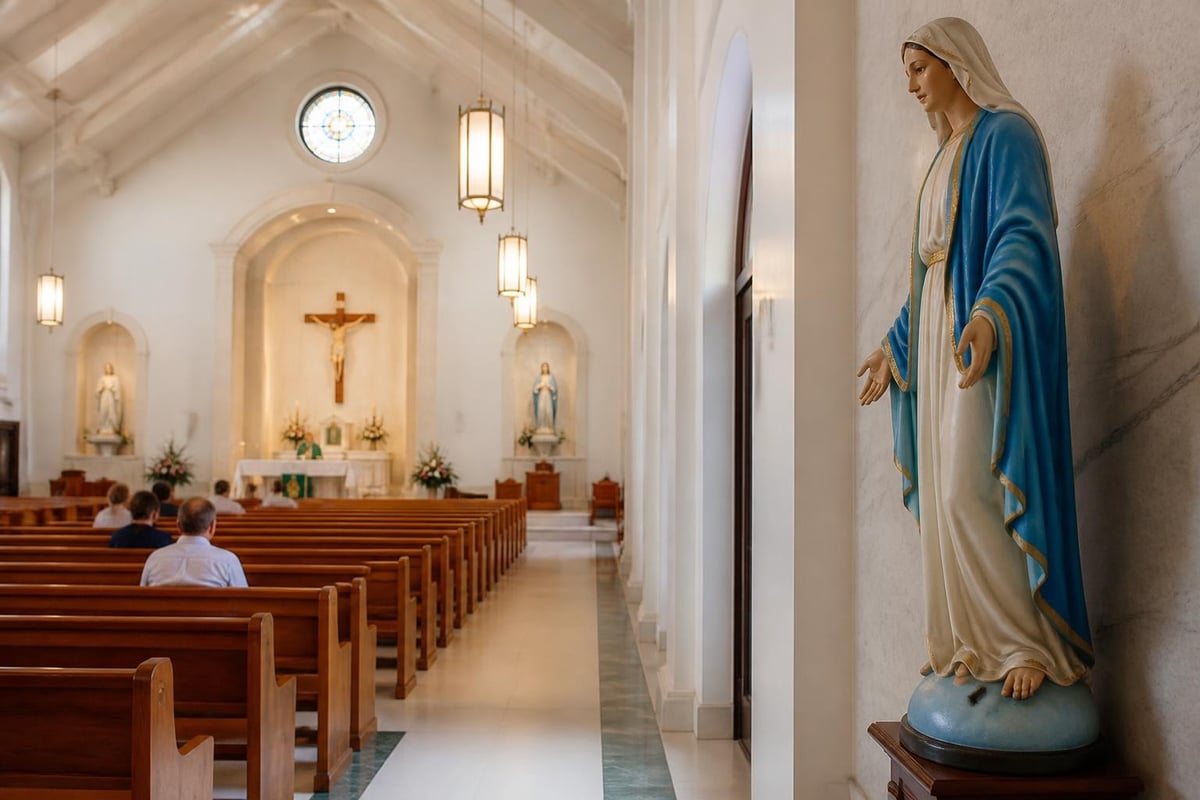
The placement of saint statues within a church follows liturgical guidelines that respect the hierarchical nature of Catholic worship. The central sanctuary remains focused on the altar, tabernacle, and crucifix, with saint statues positioned in side chapels, alcoves, or along the nave. This arrangement visually communicates theological priorities while still honoring the saints' role as intercessors and examples.
Home Devotional Statues
In domestic settings, saint statues create sacred focal points for family prayer and personal devotion. Many Catholic families maintain small shrines featuring statues of the Blessed Mother, patron saints, or favorite intercessors. A Saint Joseph statue is a fitting centerpiece for a family home altar. These home altars often include:
- Prayer cards providing novenas and biographical information
- Candles for lighting during prayer time
- Fresh flowers or seasonal decorations
- Religious medals or rosaries
- Holy water fonts for blessing
For those seeking to deepen their understanding of particular saints, resources like Catholic saints minibooks provide accessible biographical information and prayers that complement devotional statues. These compact resources make excellent companions to saint statues, offering the stories behind the sacred images.

The Educational Role of Saint Statues
Saint statues function as three-dimensional textbooks, teaching theology, Church history, and moral virtue through visual symbolism. Each detail in a well-crafted statue carries meaning: Saint Peter's keys, Saint Catherine's wheel, Saint Sebastian's arrows, and Saint Michael's sword all communicate specific aspects of these saints' lives and patronage.
| Saint | Common Symbol | Meaning | Teaching Value |
|---|---|---|---|
| Saint Joseph | Carpenter's tools, lily | Protector, purity | Fatherhood, holy work |
| Saint Anthony | Child Jesus, book | Divine wisdom | Finding what's lost |
| Saint Lucy | Eyes on a plate | Vision, martyrdom | Sight, faith in darkness |
| Saint Cecilia | Musical instrument | Heavenly harmony | Sacred music, arts |
Children especially benefit from the visual catechesis provided by saint statues. Rather than abstract concepts, they encounter concrete examples of holiness embodied in human lives. A child who regularly passes a statue of Saint Francis with birds may internalize lessons about creation care and simplicity without formal instruction. The lives of the saints provide rich material for parents and educators to explore these visual teachings more deeply.
Liturgical Seasons and Processional Use
Throughout the liturgical year, saint statues take on heightened significance during specific celebrations. Feast days often feature special decorations around relevant statues, processions carrying portable images through streets, and particular prayers offered before these sacred representations. This cyclical attention helps communities mark sacred time and maintain connection with the Church's universal calendar.
Devotional Practices Centered on Saint Statues
The Catholic tradition includes numerous devotional practices that incorporate saint statues as focal points for prayer and meditation. Novenas, litanies, and feast day celebrations often take place before specific statues, creating associations between physical locations and spiritual experiences. Pilgrims journey to shrines housing renowned statues, seeking the intercession of particular saints for healing, guidance, or thanksgiving.
Popular devotions demonstrate the living relationship between Catholics and their heavenly intercessors:
- Lighting votive candles before favorite saint statues
- Touching or kissing statues as acts of veneration
- Placing prayer petitions near statues
- Decorating statues for feast days
- Crowning Marian statues during May processions
These practices, passed down through generations, maintain continuity with historical Catholic spirituality while adapting to contemporary contexts. The physical interaction with saint statues grounds abstract faith in concrete actions, making theology experiential rather than merely intellectual.
Marian Statues and Apparitions
Statues of the Blessed Virgin Mary hold special prominence in Catholic devotion, often commemorating specific apparition sites or emphasizing particular titles of Our Lady. From Our Lady of Lourdes to Our Lady of Guadalupe, these statues connect local communities with universal Marian devotion. The Marian apparitions recognized by the Church have inspired countless statues that help the faithful remember and honor Mary's maternal intercession.
Contemporary Challenges and Opportunities
Modern Catholic communities face unique challenges regarding saint statues, from declining craftsmanship in traditional techniques to questions about artistic styles that resonate with younger generations. Some parishes struggle with basic restoration needs due to budget constraints, while others debate whether contemporary artistic styles better serve evangelization than traditional representations.
The digital age presents both challenges and opportunities for devotion centered on saint statues. Virtual tours allow global audiences to experience famous statues they may never visit in person, while 3D printing technology enables reproduction of rare or inaccessible works. However, these technological advances cannot replace the spiritual impact of physical presence before a sacred statue in a space consecrated for worship.
Quality and Authenticity Concerns
The marketplace for saint statues varies dramatically in quality, from mass-produced resin imports to handcrafted masterpieces by skilled artisans. Discerning buyers should consider:
- Material authenticity and durability
- Theological accuracy in symbolism and attributes
- Artistic merit and craftsmanship quality
- Appropriate scale for intended placement
- Source reliability and fair labor practices
Catholic institutions bear responsibility to commission and purchase statues that truly serve catechetical purposes rather than settling for poorly made representations that may inadvertently teach error through inaccurate symbolism or inappropriate aesthetics.
Integrating Saint Statues into Modern Evangelization
In an era when many Catholics seek deeper spiritual roots and tangible connections to tradition, saint statues offer unique evangelization opportunities. These sacred sculptures can initiate conversations about faith, provide visual anchors for teaching moments, and create memorable encounters with holiness. Youth ministers, religious educators, and parish leaders increasingly recognize the power of these traditional devotional aids to complement contemporary catechetical methods.
Effective integration strategies include:
- Saint statue tours for religious education classes
- Photography projects documenting parish statuary
- Artist talks explaining symbolism and techniques
- Restoration fundraising engaging community investment
- Social media posts featuring daily saint statue reflections
The tangible nature of saint statues makes them particularly effective in family catechesis. Parents can point to specific saints during church visits, sharing stories that connect visual images with moral lessons. This multi-sensory approach to faith formation aligns with contemporary understanding of diverse learning styles while maintaining ancient Catholic practices.
Multicultural Considerations
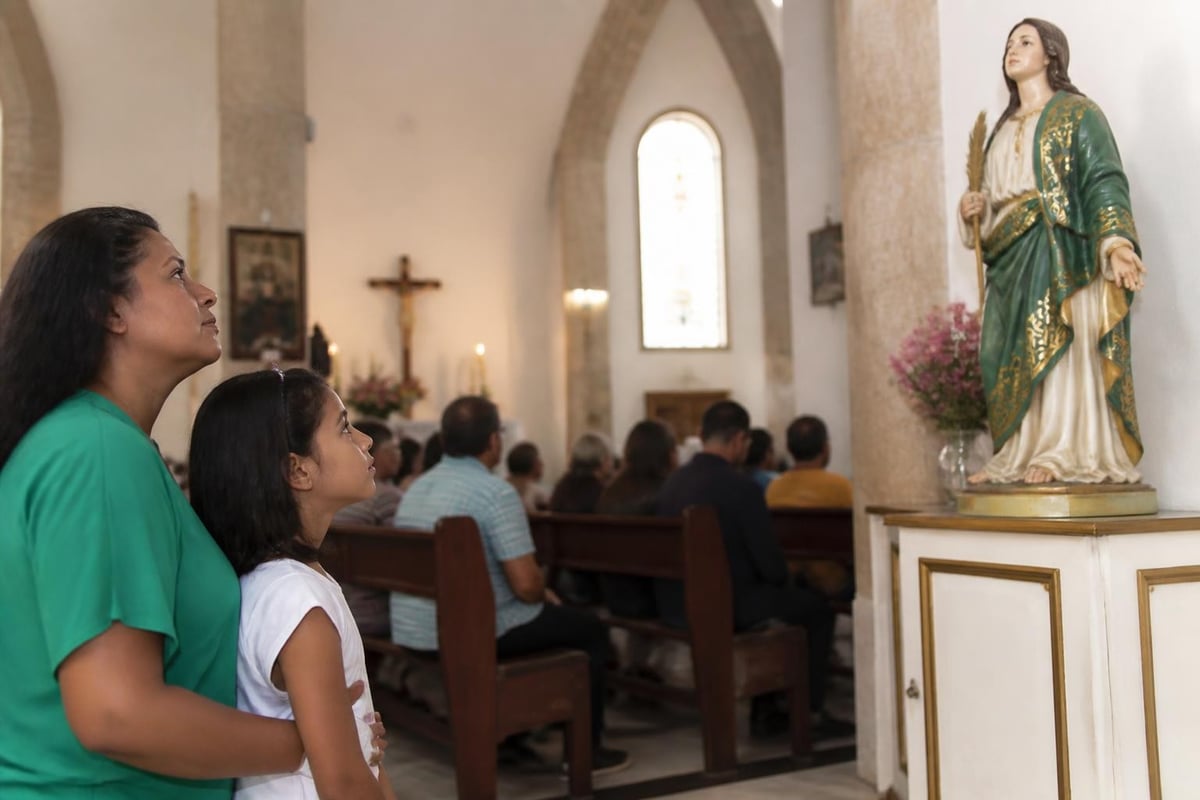
The global Church's diversity finds beautiful expression in regional variations of saint statues. Hispanic communities might prefer warmly colored polychrome statues with elaborate vestments, while Irish parishes may favor simpler stone representations. Vietnamese Catholics bring distinctive artistic traditions to their saint statues, and African communities increasingly commission statues reflecting local artistic heritage.
This diversity enriches the universal Church, demonstrating that holiness transcends culture while taking root within specific contexts. Parishes serving multicultural communities might thoughtfully include saint statues representing various traditions, creating visual testimony to Catholic unity amid beautiful diversity.
Care, Handling, and Reverence
Proper care of saint statues extends beyond physical maintenance to include the reverence with which we approach these sacred objects. While statues themselves are not holy in essence, they've been blessed and set apart for sacred purposes, deserving respectful treatment. Guidance on handling damaged statues emphasizes the importance of proper assessment before attempting repairs, principles equally applicable to Catholic statuary.
Regular maintenance preserves saint statues for future generations:
- Gentle dusting with soft cloths or brushes
- Avoiding harsh chemicals that damage finishes
- Monitoring environmental conditions (humidity, temperature, light exposure)
- Securing outdoor statues against weather and vandalism
- Professional consultation for any repair needs
When saint statues become too damaged for restoration or when replacing older pieces, proper disposal requires blessing removal through a simple prayer by a priest, followed by respectful burial or burning of materials. Recognizable fragments should never be discarded in regular trash, honoring the sacred purposes these objects served.
Blessing and Dedication of New Statues
The introduction of new saint statues into worship spaces follows formal blessing protocols. Priests use specific prayers from the Book of Blessings, asking God to sanctify the statue for its intended devotional purpose. This blessing distinguishes sacred statues from mere artwork, setting them apart as aids to prayer and devotion within the Catholic sacramental system.
Dedication ceremonies might include:
- Procession bringing the statue to its designated location
- Reading relevant Scripture passages
- Prayer of blessing by the presiding priest
- Sprinkling with holy water
- Veneration by the faithful
- Celebration of Mass honoring the depicted saint
These ceremonies create community ownership and spiritual connection with new additions to parish devotional life, transforming simple objects into cherished focal points for prayer.
Saint statues remain powerful instruments of faith formation, devotion, and evangelization in contemporary Catholic life, bridging tangible artistry with transcendent spiritual realities. Whether you're seeking to deepen your understanding of the saints, enhance your home prayer space, or support parish efforts to preserve sacred art, Journeys of Faith offers comprehensive resources to support your spiritual journey. Explore our extensive online store with thousands of Catholic items, including books, prayer cards, and devotional materials that complement your reverence for the communion of saints. Journeys of Faith is blessed to provide Catholic media, including podcasts and inspirational content, free of charge across multiple media platforms for viewers and listeners around the world. While access to this content remains free, there are significant and continually increasing costs associated with producing, hosting, and distributing these programs. Your support helps us continue sharing the beauty of the Catholic faith with souls. Please make a donation to support our evangelization mission.
Shop Saint Statues
Bring the communion of saints into your home or parish with these hand-painted resin statues from our store:
- Inspirational Catholic Statues Collection — Browse our full range of saint statues in many sizes and styles.
- Saint Joseph with Child Statue — A beautiful protector for the family home altar.
- Saint Michael the Archangel Statue — A hand-painted image of the great defender against evil.
- Saint Francis of Assisi Statue — A reminder of simplicity, peace, and care for creation.
