

The story of st gonzaga resonates powerfully with Catholics seeking authentic holiness in an increasingly secular world. Born into Italian nobility during the Renaissance, Aloysius Gonzaga renounced privilege and comfort to serve God and humanity with extraordinary dedication. His brief yet impactful life demonstrates that sanctity isn't measured in years but in the depth of one's commitment to faith, charity, and self-sacrifice. Today, st gonzaga stands as the patron saint of youth, students, and those battling for purity, offering a compelling model for contemporary believers navigating modern challenges.
The Early Life and Noble Heritage of St Gonzaga
St gonzaga entered the world on March 9, 1568, in Castiglione delle Stiviere, a small town in northern Italy. His father, Ferrante Gonzaga, was the Marquis of Castiglione and a military commander who envisioned his firstborn son following in his footsteps. The Gonzaga family held significant political power, with connections to the ruling houses of Italy and Spain. From his earliest years, Aloysius was groomed for military and diplomatic service, trained in courtly manners, and exposed to the Renaissance courts' sophistication and splendor.
Despite his family's expectations, st gonzaga displayed an unusual spiritual inclination from childhood. At age seven, he began practicing meditation and reciting the Office of Our Lady daily. His mother, Marta Tana di Santena, noticed her son's deep devotion and encouraged his prayer life, even as his father attempted to shape him into a warrior. The young nobleman's spiritual awakening occurred during his service as a page at the Medici court in Florence, where he witnessed the corruption and moral decay that often accompanied wealth and power.
Brought to you by Journeys of Faith, founded by Bob and Penny Lord. We are an Augustinian Secular Institute and Cyber Apostles. Our Mission is Evangelization through Media.
A Call to Religious Life
The tension between worldly expectations and divine calling intensified as st gonzaga matured. At age nine, he made a private vow of chastity, recognizing that God was inviting him to a different path than his father planned. During his time serving as a page to Prince Diego of Asturias in Spain, he encountered Jesuit priests whose dedication to education and evangelization captivated his imagination. The Society of Jesus, founded by St. Ignatius of Loyola just decades earlier, represented a revolutionary approach to religious life that combined rigorous intellectual formation with active service to the poor and marginalized.
His decision to join the Jesuits provoked fierce opposition from his father. Ferrante Gonzaga refused to accept that his heir would abandon the family's military and political legacy. The conflict escalated over two years, with st gonzaga remaining steadfast despite tremendous pressure. He eventually renounced his inheritance in favor of his younger brother, removing the final obstacle to his religious vocation. This sacrifice demonstrated the depth of his commitment and foreshadowed the radical generosity that would characterize his brief religious life.

Jesuit Formation and Spiritual Development
St gonzaga entered the Jesuit novitiate in Rome on November 25, 1585, at age seventeen. The rigorous formation program challenged him physically, intellectually, and spiritually. His novice master recognized both his exceptional holiness and his tendency toward excessive mortification, frequently moderating his penances to prevent harm to his health. During this period, st gonzaga studied philosophy and theology while developing the pastoral skills that would serve him in ministry.
His spiritual life centered on the Eucharist and devotion to the Blessed Virgin Mary. St gonzaga understood that authentic holiness required both contemplative prayer and active charity. He spent hours in adoration before the Blessed Sacrament, drawing strength for service to others. His fellow Jesuits noted his gentle demeanor, humility, and unwavering commitment to the religious rule. Unlike some who entered religious life from noble families, he never sought privilege or special treatment.
Academic Excellence and Pastoral Preparation
The Jesuit educational system demanded intellectual rigor alongside spiritual formation. St gonzaga excelled in his studies, demonstrating particular aptitude for theology and philosophy. His notebooks reveal a brilliant mind grappling with complex theological questions, always seeking to understand God's will more fully. He approached learning as a form of prayer, recognizing that knowledge should serve love and ultimately lead souls to Christ.
| Aspect of Formation | St Gonzaga's Approach | Impact on Ministry |
|---|---|---|
| Prayer Life | Daily meditation, Eucharistic adoration | Deep spiritual foundation |
| Academic Study | Excellence in theology and philosophy | Intellectual preparation for priesthood |
| Community Life | Humility, obedience, fraternal charity | Model for fellow Jesuits |
| Apostolic Work | Service to the poor and sick | Practical expression of faith |
His preparation for priesthood included pastoral assignments that brought him into contact with Rome's poorest residents. St gonzaga served in hospitals and visited the homebound, bringing both material assistance and spiritual consolation. These experiences deepened his understanding of human suffering and strengthened his resolve to serve those society often overlooked. The Society of Jesus celebrates his feast day on June 21, honoring his commitment to Jesuit ideals.
The Plague of Rome and Ultimate Sacrifice
In 1591, a devastating plague struck Rome, claiming thousands of lives and overwhelming the city's medical infrastructure. The disease spread rapidly through crowded neighborhoods, creating widespread panic and despair. Many fled the city, while others barricaded themselves in their homes. The Jesuits, however, responded with characteristic courage, establishing hospitals and organizing relief efforts. St gonzaga volunteered immediately, despite not yet having completed his theological studies or been ordained to the priesthood.
His superiors initially hesitated, concerned about exposing such a promising young religious to mortal danger. St gonzaga persisted, arguing that Christian charity demanded risk and self-sacrifice. He received permission to serve in the plague hospitals, where conditions were horrific. The young Jesuit carried infected victims from the streets, washed their wounds, prepared their meals, and comforted them in their final hours. His fearlessness inspired other Jesuits and lay volunteers to join the relief efforts.
Contracting the Disease and Final Days
On March 3, 1591, st gonzaga contracted the plague while carrying a dying man to the hospital. The illness manifested initially as a mild fever, and he continued his charitable work for several days before the disease's severity became apparent. His superiors immediately removed him from the hospital and provided the best medical care available. The young saint accepted his condition with remarkable peace, recognizing that death might be approaching.
During his illness, st gonzaga's holiness became even more evident to those around him. He spent his remaining strength in prayer, received the sacraments with deep devotion, and offered counsel to fellow Jesuits who visited him. When asked about his impending death, he expressed joy at the prospect of meeting Christ face-to-face. His physical suffering was intense, but his spiritual serenity never wavered. He died on June 21, 1591, just shy of his twenty-third birthday, having lived as a Jesuit for less than six years.

Canonization and Enduring Legacy
The process of recognizing st gonzaga's sanctity began remarkably soon after his death. Testimonies from Jesuits who knew him, along with reports of miracles attributed to his intercession, convinced Church authorities of his heroic virtue. Pope Paul V beatified him in 1605, and Pope Benedict XIII canonized him in 1726. His rapid recognition as a saint reflected the widespread conviction that his life exemplified authentic Christian discipleship.
St gonzaga's designation as patron saint of youth and students carries profound significance. His life demonstrates that young people can achieve extraordinary holiness without waiting for advanced age or extensive experience. He faced the temptations common to youth-pride, sensuality, ambition-and overcame them through prayer, discipline, and grace. His patronage extends to young students who seek to balance academic excellence with spiritual growth.
Devotion Through the Centuries
Catholic families, schools, and parishes have embraced st gonzaga as a model of purity and dedication for over four centuries. His feast day on June 21 provides an annual opportunity to reflect on his virtues and seek his intercession. Many Catholic educational institutions bear his name, recognizing his commitment to learning as a path to serving God. His story has been retold in countless books, films, and artistic representations, each generation finding new relevance in his brief but powerful witness.
The challenges facing young Catholics in 2026 differ from those st gonzaga encountered in Renaissance Italy, yet his fundamental message remains timeless. Modern youth contend with digital distractions, moral relativism, and intense academic and social pressures. St gonzaga's example offers a counter-cultural vision of success defined not by achievement or popularity but by faithfulness to God's call. His willingness to sacrifice worldly advantage for spiritual authenticity speaks powerfully to those discerning their vocations.
For those seeking to deepen their understanding of the saints' lives and their connection to authentic Catholic devotion, exploring the lives of Catholic saints provides valuable spiritual nourishment and practical wisdom.
Virtues and Spiritual Lessons from St Gonzaga
The life of st gonzaga illustrates several key virtues that Catholic spirituality recognizes as essential for holiness. Understanding these characteristics helps contemporary believers apply his example to their own circumstances.
Purity of Heart and Mind
St gonzaga's commitment to chastity began in childhood and intensified throughout his life. This virtue wasn't merely about avoiding sin but about directing all his affections toward God. In an era of widespread moral confusion, his witness reminds Catholics that purity enables authentic love and spiritual freedom. He understood that guarding one's senses and thoughts creates space for divine grace to work more effectively.
Radical Obedience
His submission to religious authority, even when it seemed to contradict his desires, demonstrated profound trust in God's providence. St gonzaga never sought special privileges or exceptions to the religious rule. This obedience wasn't passive compliance but active cooperation with God's will as mediated through legitimate superiors. Modern Catholics struggling with authority can learn from his example of respectful, cheerful submission.
Sacrificial Charity
The decision to serve plague victims knowing the mortal risk exemplified authentic Christian love. St gonzaga didn't merely feel compassion for the suffering; he translated that feeling into concrete action regardless of personal cost. This charity extended beyond dramatic gestures to include daily kindnesses toward fellow Jesuits and anyone he encountered. His life challenges contemporary Catholics to move beyond comfortable charity to genuine self-gift.
Detachment from Worldly Status
Renouncing his inheritance and noble privileges required tremendous courage and detachment. St gonzaga recognized that worldly success could become an obstacle to spiritual growth. His willingness to embrace obscurity and poverty for Christ's sake offers a powerful antidote to contemporary culture's obsession with status, wealth, and recognition.
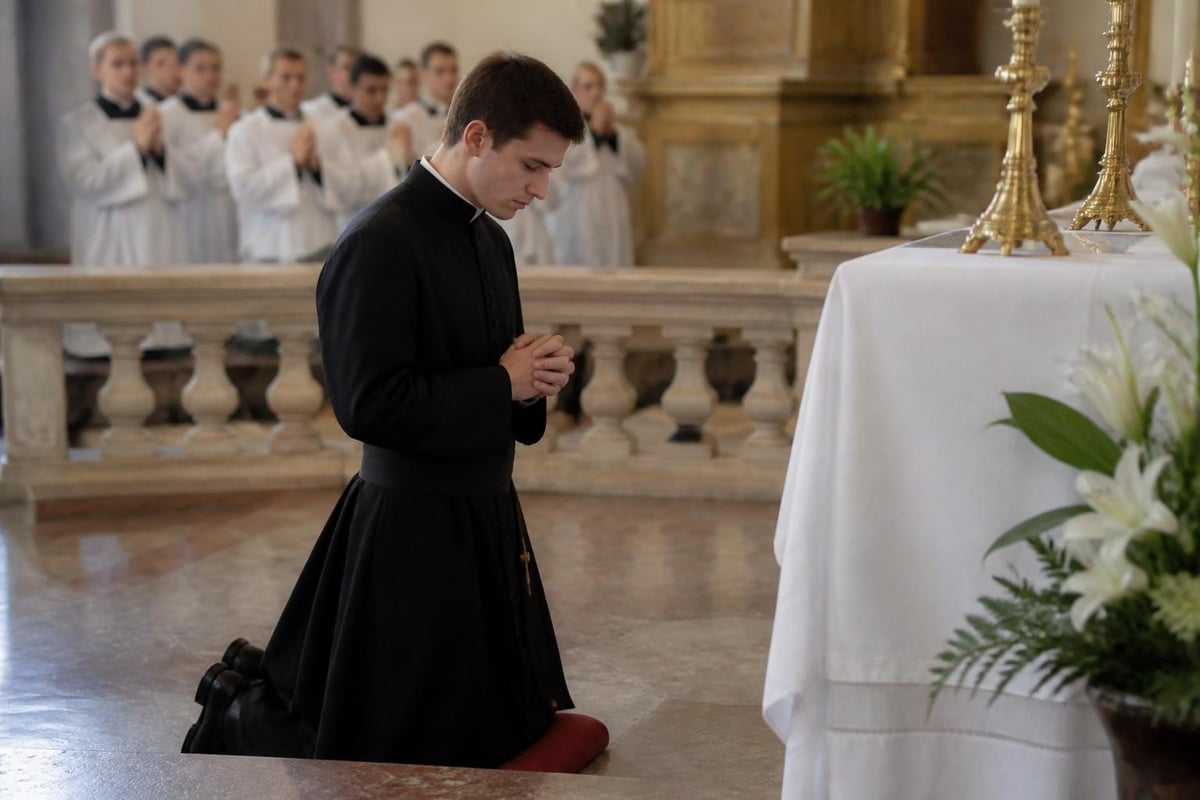
St Gonzaga in Contemporary Catholic Life
Modern devotion to st gonzaga takes various forms, from personal prayer to communal celebrations. Catholic schools often incorporate his feast day into their academic calendars, using the occasion to emphasize the connection between learning and holiness. Youth groups invoke his intercession for students facing examinations, those discerning vocations, and young people struggling with purity in a hypersexualized culture.
Many Catholics maintain prayer cards or holy images of st gonzaga in their homes, cars, or workplaces. These physical reminders serve as prompts for intercessory prayer and sources of inspiration during difficult moments. The practice of keeping sacred images connects to the broader Catholic tradition of using sacramentals to deepen devotional life and maintain spiritual focus amid daily distractions.
For Catholics seeking tangible ways to honor st gonzaga and incorporate his intercession into their prayer life, resources like Catholic prayer cards and novenas offer accessible tools for personal devotion.

Prayer and Intercession
Countless Catholics have experienced st gonzaga's powerful intercession, particularly in matters related to youth, education, and moral struggles. Parents pray for his protection over their children, asking that young people develop similar dedication to faith despite cultural pressures. Students invoke his help during academic challenges, trusting that his intercession can bring both supernatural assistance and natural discipline.
A traditional prayer to st gonzaga emphasizes his purity and asks for his intercession in maintaining chastity:
Prayer to St Gonzaga:
- "Dear St. Aloysius Gonzaga, you resigned the honors of the world to enter the Society of Jesus."
- "Obtain for me from God a pure heart and an abiding horror of all that is sinful."
- "Help me to imitate your angelic purity and to guard my eyes, the windows of my soul."
- "Through your intercession, may I remain faithful to Christ and His Church all the days of my life."
Educational Apostolates and Youth Ministry
Catholic schools and universities named after st gonzaga carry a special responsibility to embody his values in their educational mission. These institutions recognize that academic excellence divorced from moral formation produces incomplete education. By integrating faith and reason, they attempt to model the holistic approach to learning that characterized Jesuit education in st gonzaga's era and continues today.
Youth ministers frequently reference st gonzaga when addressing topics like dating, sexuality, and vocational discernment. His example proves that young people can achieve heroic virtue without waiting for adulthood. Programs designed around his life help teenagers understand that holiness isn't boring or restrictive but liberating and adventurous. The Archdiocese of Newark provides resources for parishes seeking to promote devotion to this patron of youth.
Historical Context and Cultural Impact
Understanding st gonzaga requires appreciating the Renaissance world he inhabited. The late sixteenth century witnessed tremendous cultural, political, and religious upheaval. The Protestant Reformation had fractured Christian unity, prompting the Catholic Church to undertake significant reforms through the Council of Trent. New religious orders like the Jesuits emerged to meet unprecedented challenges through education, missionary work, and spiritual formation.
The Italian nobility into which st gonzaga was born wielded enormous power but often exemplified moral decadence. Court life combined artistic sophistication with political intrigue, religious devotion with scandalous behavior. His decision to reject this world for religious poverty appeared foolish to many contemporaries who valued honor, wealth, and influence above spiritual goods. Yet his choice reflected a deeper wisdom that recognized earthly glory's transience.
Renaissance Spirituality and Reform
The Catholic Reformation produced numerous saints whose lives demonstrated renewed commitment to Gospel values. St gonzaga belonged to a generation that included St. Philip Neri, St. Charles Borromeo, and St. Francis de Sales-all of whom worked to reform the Church from within through personal holiness and active ministry. These saints shared common characteristics: deep Eucharistic devotion, commitment to the poor, and rejection of worldly compromise.
The Jesuit order specifically attracted idealistic young men seeking to combine intellectual rigor with apostolic zeal. St. Ignatius of Loyola's Spiritual Exercises provided a formation method that st gonzaga embraced wholeheartedly. The Ignatian emphasis on finding God in all things, discerning spirits, and serving "for the greater glory of God" shaped his approach to religious life and continues to influence Catholic spirituality today.
| Historical Period | Key Characteristics | St Gonzaga's Response |
|---|---|---|
| Renaissance Culture | Humanism, artistic achievement, moral ambiguity | Appreciation for learning, rejection of moral compromise |
| Protestant Reformation | Religious division, theological controversy | Committed Catholic orthodoxy, Jesuit formation |
| Catholic Reformation | Internal renewal, new religious orders | Embraced reform through personal holiness |
| Italian Politics | Family alliances, military power, diplomatic intrigue | Renunciation of political ambitions for religious vocation |
Artistic Representations and Cultural Memory
Artists have depicted st gonzaga throughout Catholic art history, typically showing him as a young man in Jesuit robes, often holding a crucifix or lily symbolizing purity. These images capture his youthful idealism and spiritual intensity. Major works include paintings by Guido Reni, whose portrayal emphasizes the saint's serene contemplation, and numerous baroque sculptures adorning Jesuit churches worldwide.
The iconography associated with st gonzaga carries theological significance. The lily represents his commitment to chastity and purity of intention. The skull often appearing in his portraits reminds viewers of life's brevity and the importance of eternal perspective. The crucifix demonstrates that his holiness centered on Christ's redemptive sacrifice rather than mere moral achievement.
Catholic literature has preserved his memory through biographies, spiritual reflections, and devotional materials. Early accounts by fellow Jesuits who knew him personally provide invaluable historical detail while conveying the spiritual impact he made on contemporaries. Modern biographies attempt to make his example accessible to readers unfamiliar with Renaissance culture or traditional Catholic spirituality. Wikipedia provides extensive documentation of his life and historical context.
St Gonzaga and Vocational Discernment
Young Catholics exploring religious vocations often find inspiration in st gonzaga's decisive response to God's call. His story illustrates several principles essential for discernment. First, authentic vocations typically involve sacrifice-leaving behind legitimate goods for something greater. Second, opposition from family or friends doesn't necessarily indicate a false calling; sometimes it tests the depth of one's commitment. Third, vocational clarity often develops gradually through prayer, spiritual direction, and concrete steps toward the desired goal.
His renunciation of inheritance demonstrates that following Christ sometimes requires rejecting society's definition of success. In contemporary terms, this might mean choosing religious life or priesthood over lucrative careers, missionary service over comfortable stability, or sacrificial ministry over personal ambition. St gonzaga's example reminds discerners that vocational authenticity matters more than worldly approval.
Guidance for Parents and Educators
Those responsible for forming young people can learn from how st gonzaga's mother supported his spiritual inclinations despite her husband's opposition. Marta Tana recognized grace working in her son and facilitated his prayer life even when it contradicted family expectations. Contemporary parents face similar challenges when children express religious vocations that don't align with parental hopes or cultural norms.
Educators and youth ministers serve crucial roles in vocational discernment by:
- Creating environments where young people encounter authentic Catholic witness
- Providing opportunities for service that reveal God's call through concrete action
- Offering spiritual direction that helps discerners distinguish divine inspiration from emotional impulses
- Supporting those facing opposition or doubt during the discernment process
- Modeling joyful commitment to one's own vocation, whatever form it takes
For parishes and families seeking to introduce young people to inspiring examples of sanctity, excellent homeschooling resources on patron saints for youth provide accessible materials for various age groups.
Medical and Scientific Perspectives on the Plague
Understanding the historical context of st gonzaga's death requires appreciating the devastating impact of plague on Renaissance Europe. The disease, likely bubonic plague caused by the bacterium Yersinia pestis, killed millions throughout the medieval and early modern periods. Rome's 1591 outbreak occurred during a broader epidemic that swept through Italy, overwhelming medical knowledge and infrastructure.
Contemporary physicians had limited understanding of disease transmission and no effective treatments. Quarantine represented the primary public health response, though enforcement proved difficult in densely populated urban areas. The mortality rate among those who contracted plague ranged from 30% to 90%, depending on the specific form and available care. Medical practitioners who treated plague victims faced extraordinary risk, as did clergy and religious who provided spiritual care.
St gonzaga's willingness to serve plague victims knowing the likely outcome demonstrates courage rooted in supernatural faith. He didn't minimize the danger or assume divine protection would prevent infection. Rather, he accepted death as a possible consequence of Christian charity and believed eternal life with Christ outweighed earthly preservation. This perspective challenges modern cultures that often prioritize safety and longevity above all other values.
The Universal Call to Holiness
While st gonzaga's specific circumstances-Renaissance nobility, Jesuit formation, plague service-seem remote from contemporary experience, his fundamental message applies universally. Every baptized Christian receives a call to holiness that requires sacrifice, courage, and abandonment to divine providence. The Second Vatican Council's teaching on the universal call to holiness in Lumen Gentium echoes what st gonzaga embodied centuries earlier.
Holiness doesn't require dramatic gestures or extraordinary circumstances. Most Catholics pursue sanctity through faithfulness in ordinary duties-raising children, maintaining marriages, working honestly, serving parishes, and practicing daily prayer. St gonzaga's example scales to any vocation by emphasizing interior transformation, generous love, and consistent commitment to God's will.
Practical Applications for Modern Catholics
Contemporary Catholics can imitate st gonzaga by:
- Prioritizing prayer: Establishing consistent daily prayer habits despite busy schedules
- Practicing purity: Guarding senses and thoughts in a sexually saturated culture
- Serving sacrificially: Volunteering time and resources for those in need
- Accepting suffering: Uniting personal trials to Christ's redemptive sacrifice
- Pursuing excellence: Approaching work and study as forms of worship
- Maintaining humility: Resisting pride and seeking obscurity rather than recognition
These practices translate st gonzaga's sixteenth-century witness into twenty-first-century discipleship. While cultural contexts differ dramatically, human nature and God's grace remain constant. The same spiritual principles that formed a young Italian nobleman into a saint can transform any soul willing to cooperate with divine action.
St Gonzaga and Eucharistic Devotion
St gonzaga's spiritual life centered on the Eucharist, reflecting broader Catholic teaching about this sacrament's centrality. He approached Holy Communion with profound reverence, preparing carefully and spending extended time in thanksgiving afterward. His devotion to the Blessed Sacrament shaped his understanding of charity-recognizing Christ present in the Eucharist helped him see Christ present in the poor and sick.
Eucharistic adoration provided strength for his demanding apostolic work. Time spent silently before the tabernacle wasn't escape from service but preparation for it. This pattern reflects classic Catholic spirituality's rhythm of contemplation and action, withdrawal and engagement, receiving and giving. St gonzaga's example encourages modern Catholics to root their service in sacramental grace rather than merely human effort.
For those seeking to deepen their understanding of Eucharistic spirituality and the miraculous history of this central sacrament, resources on Eucharistic miracles provide inspiring accounts of supernatural confirmations of Christ's Real Presence.
The profound connection between Eucharistic devotion and active charity that characterized st gonzaga's life challenges Catholics today to recognize that authentic worship necessarily flows into service. Reception of Holy Communion should produce concrete love for neighbors, especially those most in need. This integration of sacramental life and charitable action represents the heart of Catholic social teaching.
St gonzaga's brief but extraordinary life continues inspiring Catholics four centuries after his death, demonstrating that authentic holiness transcends historical periods and cultural contexts. His witness to purity, obedience, charity, and devotion offers practical guidance for contemporary believers navigating modern challenges while remaining faithful to timeless truths.
At Journeys of Faith, founded by Bob and Penny Lord, we are dedicated to evangelization through media, sharing the stories of saints like st gonzaga who inspire deeper faith and commitment. Our extensive collection of books, prayer resources, and educational materials helps Catholics encounter the transforming power of authentic witness. Whether you're seeking resources for personal devotion, family formation, or parish ministry, we invite you to explore our offerings and join us in spreading the Gospel message.
Resources:
-
Explore Journeys of Faith Online store with thousands of Catholic items at https://journeysoffaith.com/collections
-
Journeys of Faith is blessed to provide Catholic media, including podcasts and inspirational content, free of charge across multiple media platforms for viewers and listeners around the world. While access to this content remains free, there are significant and continually increasing costs associated with producing, hosting, and distributing these programs. Your support helps us continue sharing the beauty of the Catholic faith with souls. Please make a donation at https://journeysoffaith.com/pages/donate
