

The figure of st miguel archangel stands as one of the most revered and powerful beings in Catholic tradition, recognized across centuries as the defender of God's people and the leader of the heavenly hosts. His presence in Scripture, liturgy, and devotional practice reveals a celestial warrior whose mission extends from the beginning of creation through the final judgment. Understanding the significance of this mighty archangel enriches our faith and provides a model of unwavering loyalty to God's will in times of spiritual warfare and personal struggle.
Biblical Foundation of St Miguel Archangel
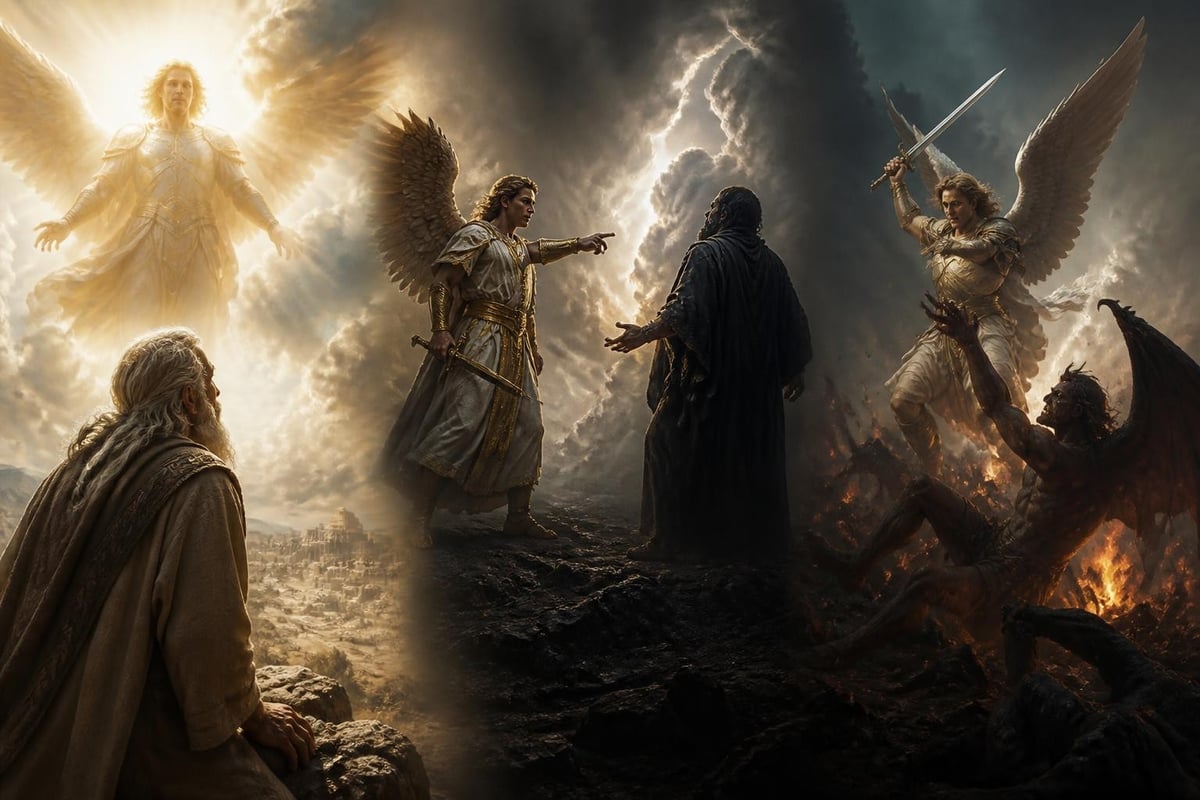
The scriptural evidence for st miguel archangel appears in both the Old and New Testaments, establishing his role as a principal defender of God's people. The Book of Daniel presents him as the protector of Israel, standing guard over God's chosen nation during times of persecution and exile. In Daniel 10:13, he is described as "one of the chief princes" who comes to assist in spiritual battle, while Daniel 12:1 proclaims him as "the great prince who has charge of your people."
The New Testament continues this narrative with even greater clarity. In the Letter of Jude, verse 9, st miguel archangel disputes with Satan over the body of Moses, demonstrating his authority over demonic forces. This brief but powerful passage reveals the archangel's role as one who confronts evil directly, yet does so with respect for God's ultimate authority by saying, "The Lord rebuke you."
The Book of Revelation provides the most dramatic account of St Miguel's cosmic battle. Revelation 12:7-9 describes the war in heaven where "Michael and his angels fought against the dragon." This passage has inspired countless artistic representations and theological reflections throughout Church history. The Vatican News provides comprehensive coverage of how this biblical foundation shapes Catholic understanding of the archangel's role.
The Name and Its Meaning
The very name "Michael" carries profound theological significance. Derived from the Hebrew phrase "Mi-ka-el," it translates to "Who is like God?" This rhetorical question serves as both a battle cry and a declaration of monotheistic faith. When st miguel archangel confronted Lucifer's pride and rebellion, this question challenged the fallen angel's presumption to equality with the Creator.
This humble yet powerful question reminds believers that no created being, regardless of their power or beauty, can compare to God's infinite majesty. The name itself becomes a prayer and a weapon against pride, self-sufficiency, and the temptation to place anything above the worship of the one true God.
Historical Development of Devotion
Early Christian communities quickly embraced devotion to st miguel archangel, recognizing his powerful intercession in times of danger. The fourth century saw the construction of numerous churches and shrines dedicated to him, particularly in the Eastern Roman Empire. The famous Michaelion shrine near Constantinople became a center of pilgrimage where countless healings and miracles were reported.
Brought to you by Journeys of Faith, founded by Bob and Penny Lord. We are an Augustinian Secular Institute, Cyber Apostles. Our mission is evangelization through media.
In Western Christianity, devotion flourished with equal intensity. Pope St. Gregory the Great reported a vision of st miguel archangel appearing atop the Castel Sant'Angelo in Rome during a plague in 590 AD, sheathing his sword to signal the end of the pestilence. This event transformed the ancient mausoleum into a monument to the archangel and reinforced his role as protector against disease and death.
Medieval Europe witnessed an explosion of devotion through the establishment of Mont-Saint-Michel in France and St. Michael's Mount in England. These dramatic island monasteries, accessible only at low tide, symbolized the archangel's role as a bridge between heaven and earth, the natural and supernatural realms.
| Period | Region | Notable Shrine | Significance |
|---|---|---|---|
| 4th Century | Constantinople | Michaelion | Healing miracles |
| 6th Century | Rome | Castel Sant'Angelo | Plague protection |
| 8th Century | Italy | Monte Gargano | Apparition site |
| 11th Century | France | Mont-Saint-Michel | Pilgrimage center |
Patronages and Intercessions
The Catholic Church recognizes st miguel archangel as patron of numerous causes, professions, and circumstances. His primary role as patron of the universal Church reflects his biblical mandate to defend God's people against spiritual attacks. Catholic Online documents his extensive patronages that have developed over centuries of faithful devotion.
Professional Patronages
St Miguel serves as patron saint of:
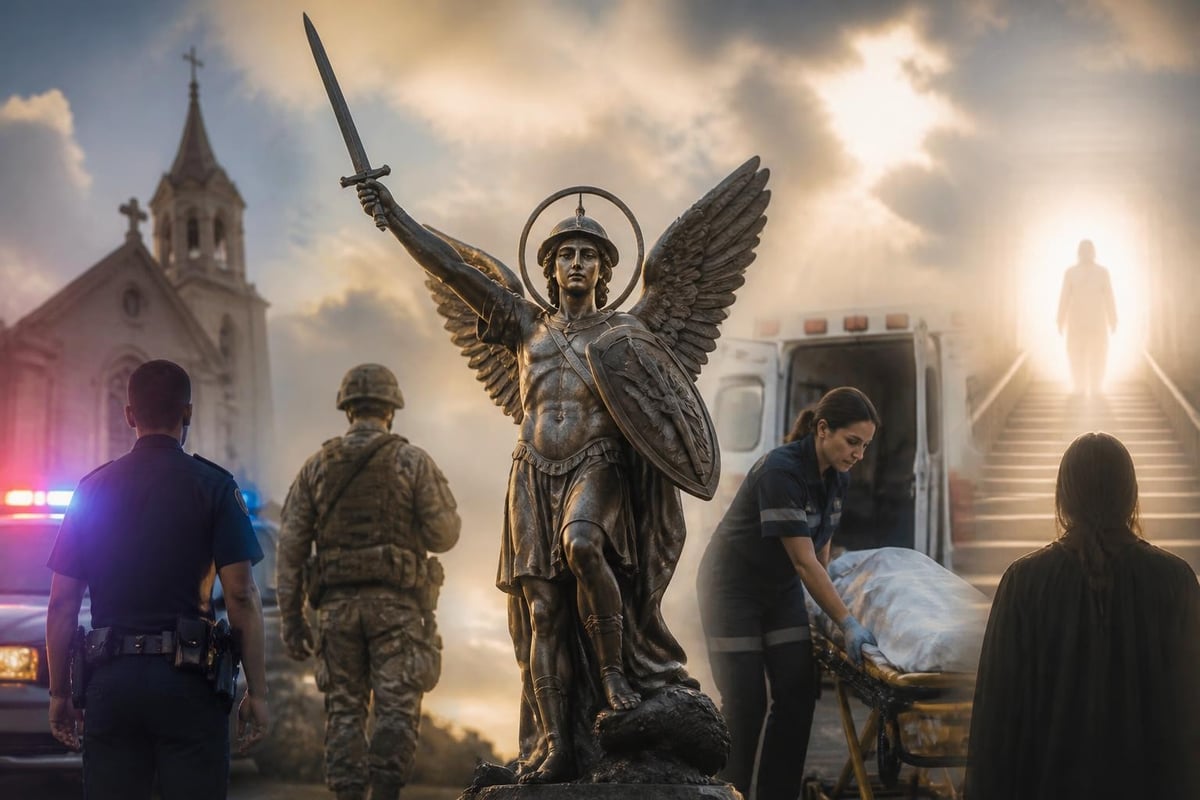
- Police officers and law enforcement personnel who protect communities from harm
- Military personnel across all branches of armed services
- Paramedics and emergency medical technicians who respond to crises
- Radiologists who use technology to diagnose illness
- Grocers who provide sustenance to communities
Each patronage reflects an aspect of the archangel's protective and defensive nature. Just as he defends souls from spiritual danger, those under his patronage defend others from physical, social, or medical threats.
Spiritual Intercessions
Faithful Catholics invoke st miguel archangel for protection against:
- Demonic attacks and spiritual warfare
- Temptation and occasions of sin
- Fear and anxiety in dangerous situations
- The moment of death and particular judgment
- Natural disasters and catastrophic events
The famous St. Michael Prayer, composed by Pope Leo XIII in 1886, encapsulates these intercessions. According to tradition, the pope received a terrifying vision of Satan's assault on the Church and immediately composed this powerful prayer asking the archangel to "defend us in battle" and "thrust into hell Satan and all evil spirits who prowl about the world seeking the ruin of souls."
Liturgical Celebrations and Feast Days
The liturgical calendar honors st miguel archangel on September 29th, a feast day known as Michaelmas in many English-speaking countries. This celebration, officially titled the Feast of Saints Michael, Gabriel, and Raphael, Archangels, has ancient roots dating to the sixth century. The date commemorates the dedication of the Basilica of St. Michael and All Angels on the Salarian Way in Rome.
Traditional Michaelmas celebrations include special Masses, processions, and the blessing of homes against evil influences. In many cultures, this feast marks the beginning of autumn and the harvest season, symbolically connecting the archangel's protective power with God's providential care for creation.
The Church also recognizes May 8th as a commemoration of St. Michael's apparition at Monte Gargano, Italy, in 490 AD. This event, where the archangel appeared to local shepherds and requested a shrine in his honor, established one of the oldest pilgrimage sites dedicated to st miguel archangel in Western Christianity.
Prayer and Devotional Practices
Daily devotion to st miguel archangel takes many forms within Catholic spirituality. The Chaplet of St. Michael, composed of nine salutations corresponding to the nine choirs of angels, offers a structured meditation on the archangel's virtues and heavenly companions. Each salutation honors a different angelic choir and asks st miguel's intercession.
The practice of praying the St. Michael Prayer after Mass, once universal but now optional, continues in many traditional and reverent parishes. This brief but powerful invocation reminds the faithful that the spiritual battle extends beyond the liturgy into daily life.
For those seeking to deepen their understanding of heavenly defenders and their role in Church history, resources like those available through Journeys of Faith provide valuable insights into the saints and their intercession. Their extensive collection includes materials that explore the lives and missions of various holy figures who, like St. Michael, devoted themselves entirely to God's service.
Theological Significance in Catholic Doctrine
The veneration of st miguel archangel illuminates important theological truths about creation, free will, and the cosmic drama of salvation history. His unwavering loyalty to God during the angelic rebellion demonstrates that even the most powerful created beings possess free will and must choose to serve their Creator. The angels' test occurred before human history began, establishing a precedent for the choice between obedience and pride that every soul must face.
St. Thomas Aquinas devoted considerable attention to the nature and hierarchy of angels in his Summa Theologica. He identified st miguel archangel as the highest of the seraphim, the angels closest to God's throne who burn with divine love. This theological framework helps Catholics understand that Michael's power derives entirely from his perfect union with God's will, not from any inherent independence or autonomy.
The archangel's role in eschatology remains particularly significant. Christian tradition identifies him as the angel who will sound the trumpet at the Last Judgment, calling forth the dead from their graves. He is also understood as the one who weighs souls, presenting them before God's throne for final judgment. These roles emphasize both justice and mercy, as st miguel archangel serves God's perfect will in determining each soul's eternal destiny.
Angelic Hierarchy and Michael's Position
| Choir | Proximity to God | St. Michael's Rank |
|---|---|---|
| Seraphim | Highest | Chief of this choir |
| Cherubim | Second | Commands these |
| Thrones | Third | Leads these |
| Remaining Choirs | Lower orders | Supreme commander |
Cultural Impact and Artistic Representations
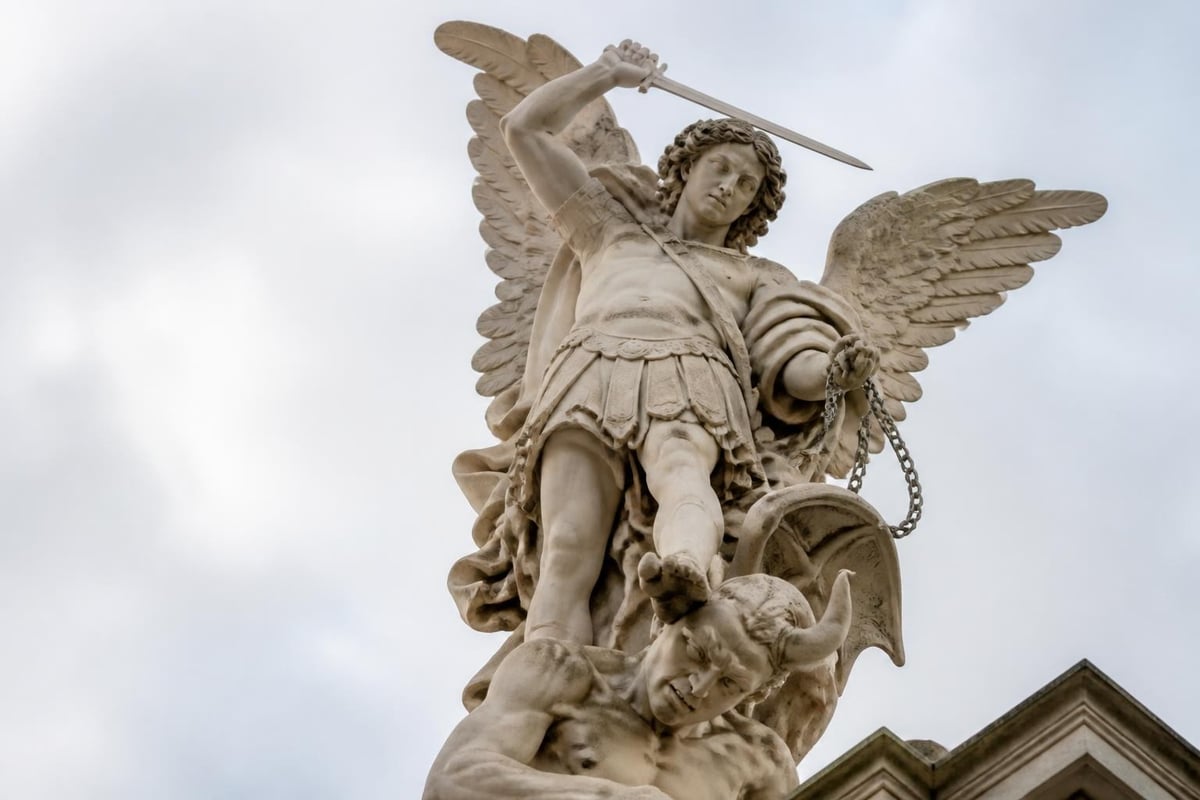
Throughout Christian history, st miguel archangel has inspired countless artistic masterpieces. Medieval and Renaissance painters depicted him in gleaming armor, often with a sword or spear, standing triumphant over a defeated Satan. These images served both aesthetic and catechetical purposes, teaching the faithful about spiritual warfare through visual narrative.
Michelangelo's fresco in the Sistine Chapel, Guido Reni's dynamic baroque painting, and countless Gothic sculptures all present distinctive interpretations of the archangel's victory over evil. Each artistic tradition emphasizes different aspects of his character: warrior, judge, protector, or intercessor. Christianity.com explores these varied representations and their theological implications.
In Eastern Orthodox iconography, st miguel archangel appears as the "Archistrategos," the supreme commander of the heavenly hosts. These icons often show him in Byzantine imperial regalia, emphasizing his authority and dignity. The Eastern tradition particularly venerates him as psychopomp, the guide of souls departing this life, a role that brings comfort to the dying and bereaved.
Literary and Musical Tributes
The archangel's influence extends beyond visual arts into literature and music. John Milton's Paradise Lost presents a dramatic account of Michael's battle with Satan, while countless hymns and liturgical compositions invoke his protection. The Gregorian chant "Factus est repente" recounts his victory, its solemn melody conveying both the terror of spiritual combat and the joy of celestial triumph.
Modern Catholic devotional writers continue to explore the relevance of st miguel archangel for contemporary spiritual challenges. His example of unwavering loyalty inspires believers facing persecution, doubt, or cultural pressure to compromise their faith.
Miracles and Apparitions
Documented apparitions of st miguel archangel span the entire history of Christianity, though the Church carefully discerns such claims. The Monte Gargano apparition in 490 AD remains one of the most significant, where the archangel requested a cave sanctuary and demonstrated his power through miraculous victories and healings. This shrine continues to attract pilgrims seeking the archangel's intercession.
In 1751, st miguel archangel reportedly appeared to Antonia d'Astonac, a Carmelite nun, requesting the establishment of a confraternity in his honor. This devotion, focused on honoring the nine choirs of angels, spread rapidly throughout Catholic Europe and continues today in various forms.
Miraculous protections attributed to st miguel archangel include military victories against overwhelming odds, protection from natural disasters, and deliverance from demonic oppression. While individual accounts vary in their level of Church approval, the consistent pattern across centuries and cultures testifies to deep-rooted faith in his powerful intercession.
Modern Testimonies
Contemporary Catholics report experiences of protection and intervention attributed to st miguel archangel. Exorcists frequently invoke his assistance during deliverances, reporting tangible effects when calling upon the archangel's aid. Military chaplains share accounts of soldiers finding courage and protection through prayers to their heavenly patron.
These modern testimonies, while lacking official Church investigation, contribute to the living tradition of devotion that keeps st miguel archangel relevant for each generation of believers facing their own spiritual battles.
Devotional Objects and Sacramentals
The Catholic tradition includes numerous sacramentals related to st miguel archangel, each serving as a physical reminder of spiritual realities. Medals bearing his image, often depicting him with sword and shield defeating Satan, are blessed and worn for protection. These medals don't possess magical properties but serve as expressions of faith and invitations for the archangel's intercession.
St. Michael statues occupy prominent places in Catholic churches, homes, and institutions. Traditional representations show him in Roman military attire with wings, his foot upon a serpent or defeated demon. Some Catholics place these statues near doorways as a symbol of spiritual protection for their households.
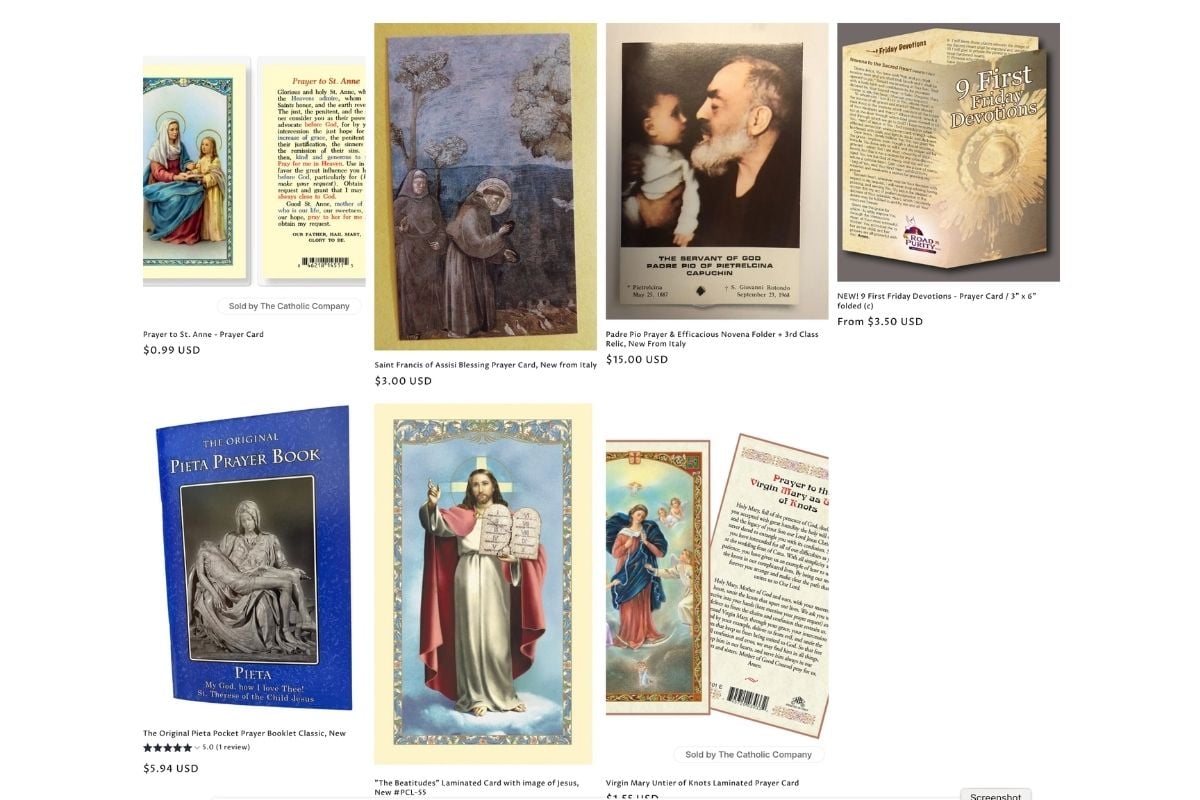
Prayer cards featuring st miguel archangel provide portable devotional aids. These cards typically include the St. Michael Prayer on one side and an image on the other, allowing believers to carry this powerful invocation wherever they go. Many Catholics keep these cards in their wallets, prayer books, or vehicles as a constant reminder of heavenly protection.
For those interested in deepening their devotional practice through sacred objects, prayer cards and other sacramentals offer tangible connections to the communion of saints. The Prayer Cards and Novenas collection provides various options for incorporating physical reminders into daily spiritual routines.
St Miguel in Interfaith Context
While devotion to st miguel archangel is particularly strong in Catholic and Orthodox traditions, his significance extends across various Christian denominations and even into Judaism and Islam. Jewish tradition recognizes Michael as Israel's guardian angel, a role reflected in the Book of Daniel. Islamic tradition honors him as Mika'il, one of the four archangels who carries out Allah's commands.
This shared reverence, though expressed differently across faith traditions, demonstrates the universal human recognition of spiritual hierarchy and the existence of beings who serve as intermediaries between the divine and human realms. St. Michael Antiochian Orthodox Christian Church discusses his significance in Orthodox Christianity, highlighting both common ground and distinctive emphases.
Ecumenical dialogue has found common ground in the figure of st miguel archangel. Protestant, Catholic, and Orthodox Christians can unite in recognizing his biblical role and his continuing service to God's purposes. While devotional practices may differ, the fundamental acknowledgment of his existence and power transcends denominational boundaries.
Spiritual Warfare and Contemporary Relevance
The concept of spiritual warfare, central to understanding st miguel archangel's mission, remains profoundly relevant for contemporary Catholics. St. Paul's exhortation in Ephesians 6:12 that "we do not wrestle against flesh and blood, but against principalities, against powers" articulates a reality that modern believers often neglect. The archangel's example reminds us that invisible spiritual forces actively oppose God's kingdom and seek the destruction of souls.
Contemporary spiritual challenges take forms unknown in previous centuries: digital addiction, pornography, ideological manipulation, and cultural hostility to faith. Yet these modern temptations represent the same ancient pride and rebellion that st miguel archangel defeated in heaven. His intercession remains as powerful against twenty-first century spiritual threats as it was against those of the first century.
Practical application of devotion to st miguel archangel includes:
- Daily recitation of the St. Michael Prayer
- Invoking his protection before difficult decisions or confrontations
- Wearing or carrying blessed medals as expressions of faith
- Studying Scripture passages that reveal his mission
- Participating in Michaelmas celebrations at parish level
Catholic parents increasingly teach their children about st miguel archangel as a defender who fights for their souls. This age-appropriate introduction to spiritual warfare helps young people understand that evil is real but that heaven provides powerful assistance against it.
The Archangel and Marian Devotion
Catholic tradition closely associates st miguel archangel with devotion to the Blessed Virgin Mary. The Book of Revelation presents both figures in dramatic opposition to the dragon of Satan. Mary, as the woman clothed with the sun, and Michael, as the commander of heavenly armies, together represent God's ultimate victory over evil. This complementary relationship enriches both Marian and angelic devotion.
Numerous Marian apparition sites report concurrent manifestations of st miguel archangel or references to his protective role. At Fatima, for example, the Angel of Portugal appeared to the shepherd children before Our Lady's visits, preparing them for the messages they would receive. While not explicitly identified as Michael, traditional interpretation suggests this angelic messenger held high rank, possibly even the archangel himself.
The connection between Mary and st miguel archangel reflects broader theological truths about the Incarnation and redemption. Just as Mary's "yes" to God brought the Savior into the world, Michael's unwavering "yes" during the angelic test preserved heaven's loyalty to God. Both demonstrate perfect submission to divine will, offering models for Christian discipleship. Exploring the intersection of angelic and Marian devotion reveals rich insights, much like studying Our Lady of Czestochowa reveals connections between faith, freedom, and supernatural protection.
Practical Prayers and Devotions
Incorporating devotion to st miguel archangel into daily spiritual practice strengthens both personal holiness and resistance to temptation. The traditional St. Michael Prayer, composed by Pope Leo XIII, serves as the foundation:
"St. Michael the Archangel, defend us in battle. Be our protection against the wickedness and snares of the devil. May God rebuke him, we humbly pray, and do thou, O Prince of the heavenly hosts, by the power of God, thrust into hell Satan, and all the evil spirits, who prowl about the world seeking the ruin of souls. Amen."
This brief but powerful prayer can be prayed morning and evening, before important decisions, during times of temptation, or when spiritual attack is evident. Many Catholics pray it immediately after receiving Holy Communion, asking the archangel to protect the sacred presence of Christ within their souls.
The Chaplet of St. Michael offers a more extended meditation, consisting of nine salutations to the archangel followed by one Our Father and three Hail Marys after each salutation. Each section honors one of the nine choirs of angels: Seraphim, Cherubim, Thrones, Dominions, Powers, Virtues, Principalities, Archangels, and Angels. This devotion takes approximately fifteen minutes and provides a comprehensive reflection on angelic ministry.
Family and Communal Devotions
St. Miguel archangel devotion adapts well to family prayer. Parents can teach children the St. Michael Prayer as soon as they learn basic prayers, introducing the concept of guardian angels and heavenly protectors. Family rosaries can include an invocation to the archangel for household protection.
Parish communities strengthen their spiritual defense through communal devotions. Some churches pray the St. Michael Prayer after every Mass, while others hold annual Michaelmas celebrations with special liturgies, processions, and blessings. These communal expressions witness to shared faith in spiritual realities and collective need for heavenly assistance.
St miguel archangel stands as an enduring witness to God's power, mercy, and ultimate victory over evil, offering believers across generations a model of unwavering faithfulness and a powerful intercessor in spiritual combat. Whether you're seeking resources to deepen your understanding of the saints, exploring Catholic devotional practices, or looking for materials to share with family and parish communities, Journeys of Faith provides extensive Catholic media designed to strengthen faith and inspire devotion. From books exploring angelic ministry to prayer resources that incorporate the wisdom of centuries, these materials support your journey toward deeper communion with God and His heavenly court.
Resources:
- Explore the Journeys of Faith online store with thousands of Catholic items at https://journeysoffaith.com/collections
- Journeys of Faith is blessed to provide Catholic media, including podcasts and inspirational content, free of charge across multiple media platforms for viewers and listeners around the world. While access to this content remains free, there are significant and continually increasing costs associated with producing, hosting, and distributing these programs. Your support helps us continue sharing the beauty of the Catholic faith with souls. Please make a donation at https://journeysoffaith.com/pages/donate