

For centuries, the catholic prayer book has served as a spiritual compass for believers seeking to deepen their relationship with God. These sacred volumes encompass everything from the Church's official Liturgy of the Hours to personal devotional collections that have guided countless souls through joy, suffering, and daily life. Whether bound in leather and centuries old or printed on modern cardstock, prayer books remain essential tools for Catholics who recognize that structured prayer provides both discipline and freedom in the spiritual journey.
Understanding the Foundation of Catholic Prayer Books
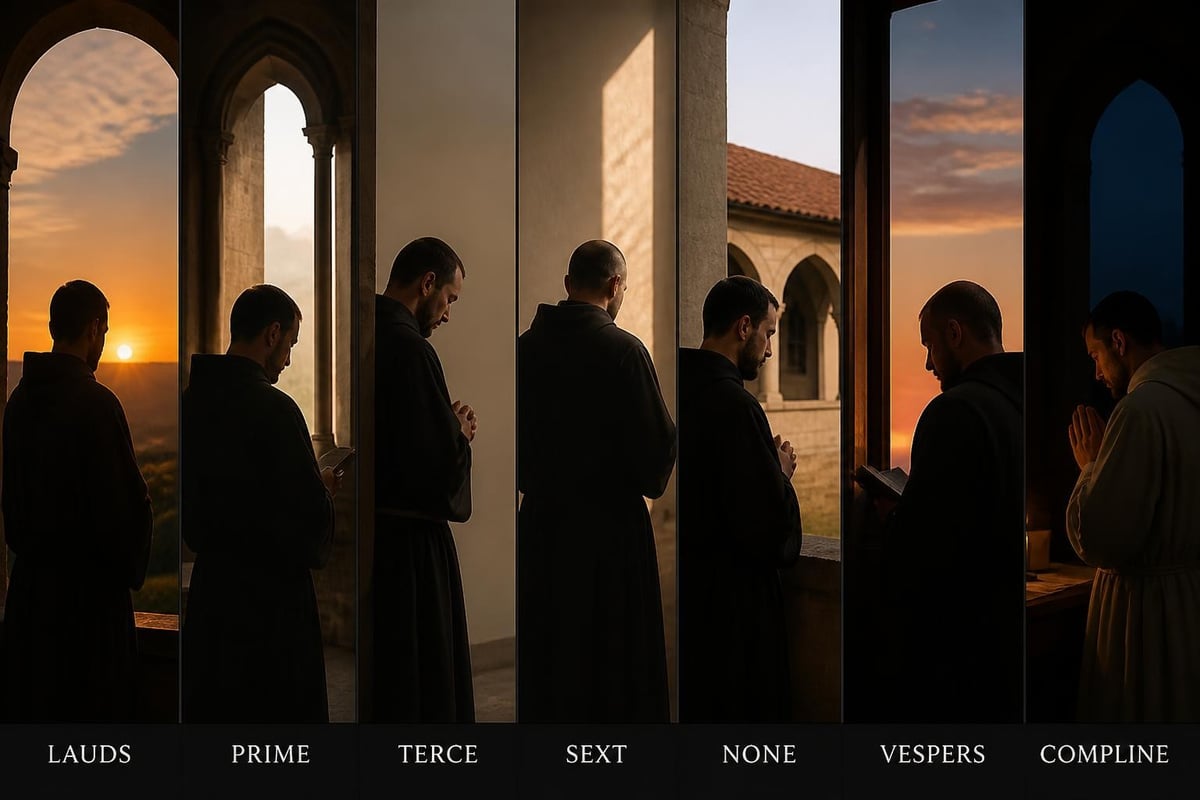
The catholic prayer book tradition finds its roots in the earliest days of Christianity, when believers gathered to recite psalms and prayers at fixed hours throughout the day. This practice evolved into what the Church now calls the Liturgy of the Hours, the official prayer book of the universal Church. The Divine Office, as it's also known, structures the day around seven prayer periods, sanctifying time itself through psalms, hymns, scripture readings, and intercessions.
Official Liturgical Prayer Books
The Church maintains strict standards for liturgical prayer books through guidelines established by the United States Conference of Catholic Bishops and the Vatican's Congregation for Divine Worship. These authoritative texts include:
- The Roman Breviary: The complete Liturgy of the Hours containing prayers for the entire liturgical year
- The Roman Missal: Contains the prayers and instructions for celebrating Mass
- The Ritual: Sacramental rites and blessings for specific occasions
- The Book of Gospels: Proclaimed during liturgical celebrations
Each official prayer book carries an imprimatur and nihil obstat, ecclesiastical approvals that confirm the text contains nothing contrary to faith or morals. The Vatican's Directory on Popular Piety and the Liturgy provides comprehensive guidance on how these official liturgical books relate to private devotional practices.
Personal Devotional Prayer Collections
Beyond the official liturgical books, the catholic prayer book tradition embraces personal devotionals that Catholics have treasured for generations. These collections serve different spiritual needs and reflect the rich diversity of Catholic spirituality.
Brought to you by Journeys of Faith, founded by Bob and Penny Lord. We are an Augustinian Secular Institute-Cyber Apostles. Our mission is evangelization through media.
| Prayer Book Type | Primary Focus | Common Contents |
|---|---|---|
| Novena Collections | Nine-day prayer cycles to saints and mysteries | Specific intentions, saint biographies, daily prayers |
| Marian Devotionals | Prayers to the Blessed Virgin Mary | Rosary variations, litanies, consecration prayers |
| Saint Anthologies | Prayers through saintly intercession | Lives of saints, feast day prayers, patron saint invocations |
| Morning/Evening Books | Daily prayer structure | Scripture, examination of conscience, gratitude prayers |
Historical Development Through the Centuries
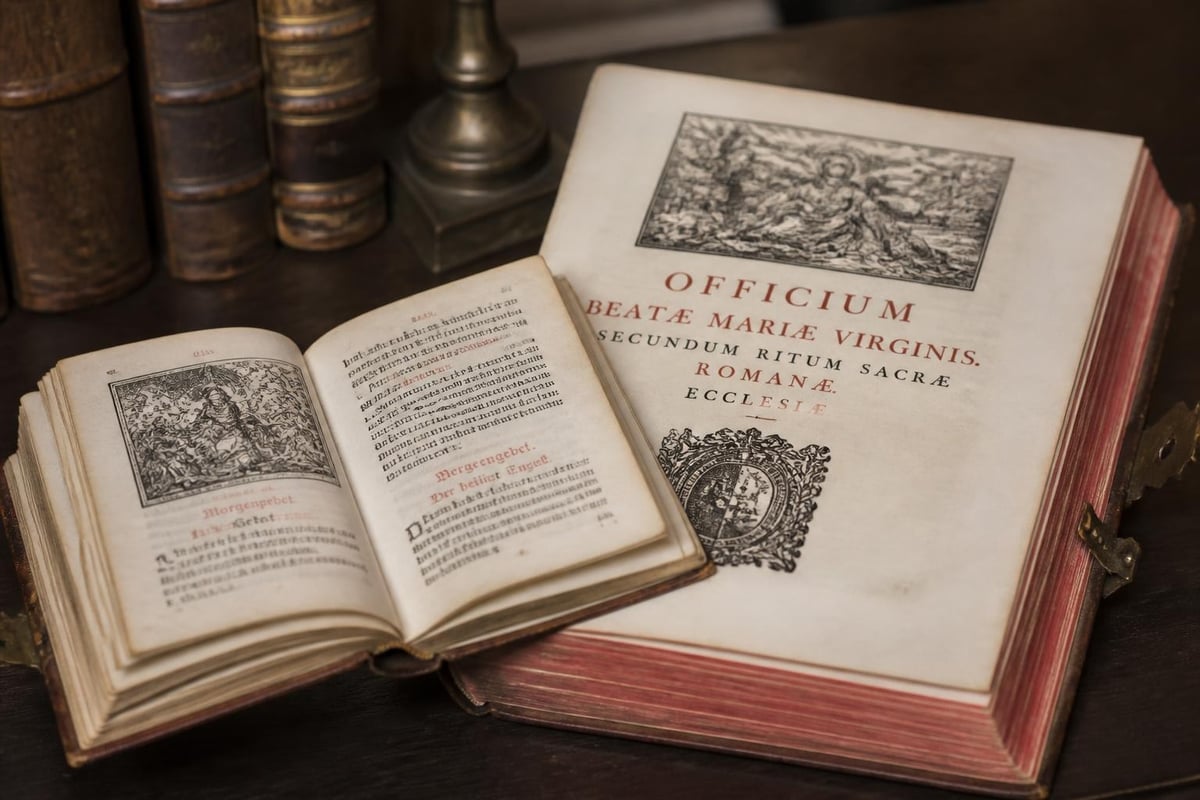
The evolution of the catholic prayer book reflects broader changes in Church history, literacy, technology, and devotional practice. During the Middle Ages, handwritten Books of Hours represented the pinnacle of prayer book artistry, though they remained accessible only to the wealthy and educated.
The Medieval Manuscript Tradition
Before the printing press revolutionized book production, prayer books existed as illuminated manuscripts painstakingly created by monastic scribes. Recent research from Cambridge University continues to uncover the provenance and significance of these precious volumes, revealing how personal prayer books reflected the owner's social status, theological leanings, and spiritual priorities.
The Book of Hours became the most popular prayer book format for lay Catholics in the later Middle Ages. These personalized volumes adapted monastic prayer rhythms for secular use, typically including:
- Psalms for each canonical hour
- The Little Office of the Blessed Virgin Mary
- Penitential psalms and litanies
- Calendar of feast days and saints
- Prayers for the dead
Wealthy patrons commissioned Books of Hours with exquisite illuminations that transformed prayer into visual meditation. The margins bloomed with gold leaf, biblical scenes, and symbolic imagery that helped illiterate owners navigate the text.
Reformation and Counter-Reformation Influences
The Protestant Reformation challenged Catholic prayer practices, prompting the Church to clarify and strengthen its devotional traditions. Academic research from Lund University demonstrates how sixteenth-century German Catholic prayer books functioned as instruments of confessional identity formation, helping believers maintain Catholic faith amid religious upheaval.
The Council of Trent (1545-1563) standardized liturgical books while encouraging personal devotions that complemented official worship. This period saw the proliferation of vernacular prayer books designed for ordinary Catholics, making structured prayer accessible beyond clergy and religious orders.
Types of Modern Catholic Prayer Books
Contemporary Catholics enjoy unprecedented access to prayer resources spanning traditional Latin texts to smartphone applications. Yet printed prayer books maintain their relevance as tangible devotional aids that disconnect users from digital distractions while connecting them to centuries of tradition.
The Liturgy of the Hours Today
The post-Vatican II revision of the Liturgy of the Hours made the Church's official prayer book more accessible to lay faithful. Published in a four-volume set covering the entire liturgical year, the modern edition balances ancient tradition with pastoral sensitivity. Scholarly research on the Liturgy of the Hours examines how this updated prayer book serves both monastic communities and busy laypeople seeking to sanctify their days.
Shorter editions like Christian Prayer (one-volume) and Shorter Christian Prayer provide abbreviated versions suitable for beginners. These accessible formats maintain the essential structure while reducing the complexity that can intimidate newcomers to liturgical prayer.
Specialized Devotional Collections
The catholic prayer book landscape includes numerous specialized volumes addressing particular spiritual needs:
Eucharistic Adoration Guides: These prayer books provide structured meditation during time before the Blessed Sacrament, incorporating scripture, silence, and traditional prayers. Journeys of Faith's extensive Eucharist collection offers resources that deepen appreciation for Christ's Real Presence.
Novena Booklets: Nine-day prayer cycles to specific saints, mysteries, or intentions remain popular. For those seeking portable devotional aids, prayer cards and novenas provide compact formats perfect for pockets, purses, or daily planners, offering a tangible connection to saintly intercession wherever life takes you.
Seasonal Prayer Books: Advent, Lent, and other liturgical seasons inspire dedicated prayer collections that guide believers through the Church year's spiritual rhythms.
Selecting the Right Prayer Book for Your Spiritual Journey
Choosing a catholic prayer book requires honest assessment of your current prayer life, spiritual goals, and daily rhythms. The perfect prayer book for a contemplative monastery differs dramatically from what serves a working parent with three children under five.
Assessing Your Prayer Experience
Begin by evaluating where you currently stand in your prayer journey:
- Beginners: Start with simple, structured formats containing familiar prayers like the Rosary, Divine Mercy Chaplet, and traditional Catholic prayers
- Intermediate: Progress to thematic collections focusing on specific devotions or saints that resonate with your spiritual needs
- Advanced: Consider the full Liturgy of the Hours or specialized contemplative prayer resources
- Varied practice: Maintain multiple prayer books for different contexts-bedside, commute, Eucharistic Adoration
Your prayer book should challenge you to grow without overwhelming your capacity. A prayer book that sits unused on the shelf serves no one.
Practical Considerations
Beyond spiritual content, practical factors influence whether a prayer book becomes a treasured companion or a forgotten purchase:
| Factor | Considerations |
|---|---|
| Size | Pocket-sized for portability vs. desk edition for home use |
| Typography | Large print for older eyes, compact text for younger readers |
| Binding | Leather for durability, paperback for affordability |
| Language | Latin for traditional liturgy, vernacular for accessibility |
| Ribbons | Multiple ribbons help navigate complex prayer schedules |
| Durability | Quality construction for daily use vs. occasional reference |
The best prayer book balances beauty and utility. A volume too precious to use defeats its purpose, while cheap construction that falls apart undermines the dignity prayer deserves.

The Spiritual Benefits of Structured Prayer
Regular use of the catholic prayer book transforms spiritual life through consistency, depth, and connection to the universal Church. These benefits extend beyond individual piety into communal and ecclesial dimensions.
Discipline and Consistency
The prayer book's greatest gift may be the discipline it imposes. When emotions fluctuate and motivation wanes, the prayer book provides words when we have none. Ancient psalms articulate anger, joy, fear, and praise with brutal honesty and transcendent beauty. The Church's wisdom, distilled through centuries, supplies prayers for circumstances we cannot yet imagine we'll face.
Fixed-hour prayer sanctifies time, creating sacred pauses throughout the day. Whether praying Morning Prayer before sunrise or Compline before bed, the rhythm establishes touchpoints with God that ground us amid life's chaos.
Connection Across Time and Space
When you pray the Liturgy of the Hours, you join countless believers worldwide praying identical psalms at the same hour. This cosmic chorus spans continents, cultures, and circumstances, uniting housewives in Ohio with monks in France and nurses in the Philippines.
The catholic prayer book also connects you temporally to believers across centuries. The same psalms King David composed three millennia ago still rise from contemporary lips. Saint Benedict's sixth-century monastic rule still structures the prayer of modern communities. Saints whose lives inspire us today prayed many of the same words we now speak.
Deepening Scriptural Knowledge
Most Catholic prayer books incorporate substantial scripture, particularly the Psalter. Regular use of the Liturgy of the Hours cycles through the entire book of Psalms monthly, embedding biblical poetry into the pray-er's consciousness. Over time, these verses become spiritual reflexes, surfacing precisely when needed.
Scripture readings integrated into morning and evening prayer expose Catholics to biblical narratives beyond the Sunday Mass lectionary. This broader engagement with God's Word enriches understanding and provides context for the Church's liturgical celebrations.
Contemporary Challenges and Opportunities
The digital age presents both threats and opportunities for the catholic prayer book tradition. While smartphones offer unprecedented access to prayer resources, they also introduce distractions that undermine contemplative focus.
Digital Prayer Resources
Numerous applications now provide the Liturgy of the Hours, daily readings, saint of the day features, and prayer reminders. These tools democratize access and accommodate modern schedules. A commuter can pray Morning Prayer on the subway; a student can access Evening Prayer between classes; a night-shift worker can maintain prayer rhythms despite unconventional hours.
Yet digital formats carry costs. The same device that delivers prayers also buzzes with notifications, emails, and social media. The intentionality required to open a physical book and set aside other concerns disappears when the prayer book and every worldly distraction share a screen.
Balancing Tradition and Innovation
The Church navigates between preserving timeless treasures and meeting contemporary needs. Recent liturgical scholarship published in peer-reviewed journals examines how the catholic prayer book evolves while maintaining continuity with tradition. This tension yields creative solutions like beautifully designed print editions that honor craftsmanship or audio versions that accommodate visual impairments and long commutes.
Innovation need not mean abandonment. New prayer book formats can coexist with ancient manuscripts, smartphone apps alongside illuminated breviaries. The diversity serves the Church's mission to meet souls where they are.
Building a Personal Prayer Book Collection
Serious Catholics often accumulate multiple prayer books over time, each serving different needs and spiritual seasons. This personal library becomes a spiritual autobiography, tracking growth, struggles, and the saints who accompanied particular life chapters.
Core Volumes
Every Catholic prayer book collection benefits from certain foundational texts:
- A complete or abbreviated Liturgy of the Hours
- A comprehensive collection of traditional Catholic prayers
- A Marian devotional focusing on Rosary and other Marian prayers
- A selection of saint biographies with associated prayers
- Seasonal guides for Advent and Lent
These core volumes provide the structure around which other specialized books gather.
Expanding Based on Devotions
As specific devotions develop, corresponding prayer books naturally join the collection. Someone developing devotion to Divine Mercy acquires prayer books focused on that spirituality. A person drawn to Franciscan spirituality collects prayer resources from that tradition. Parents seek prayer books appropriate for family use, perhaps discovering homeschooling resources focused on patron saints.
The collection grows organically, reflecting the pray-er's spiritual journey rather than following a predetermined checklist. Some volumes serve for years; others address temporary needs before finding new homes with other believers.
Sharing and Gifting Prayer Books
The catholic prayer book tradition thrives through sharing. Gifting a prayer book for Confirmation, First Communion, marriage, or difficult times plants spiritual seeds in receptive hearts. A parent's annotated prayer book passed to adult children carries both wisdom and witness.
Journeys of Faith offers extensive Catholic resources, including books and media that complement personal prayer practices. These materials support the mission of evangelization by making profound spiritual content accessible and affordable for believers seeking to deepen their faith.
The Prayer Book as Spiritual Director
For Catholics without access to regular spiritual direction, the catholic prayer book functions as a guide through the spiritual landscape. Its wisdom, drawn from saints, doctors, mystics, and the Magisterium, provides reliable counsel.
Structured Examination of Conscience
Many prayer books incorporate examinations of conscience, guiding believers through honest self-assessment before God. These structured reflections prevent both scrupulosity and laxity by applying Church teaching to daily choices, relationships, and interior movements.
Evening prayer traditions often include examination, bookending the day with gratitude for blessings and contrition for failures. This rhythm cultivates self-awareness without self-absorption, recognizing both sinfulness and God's mercy.
Prayers for Specific Circumstances
Comprehensive prayer books address life's full spectrum: illness and health, anxiety and peace, decision-making and contentment, loss and consolation. When personal words fail, the prayer book supplies language that articulates experiences we struggle to name.
This is particularly valuable during suffering. The psalms especially give voice to anguish, abandonment, and desperate pleading. They validate negative emotions while directing them toward God rather than into despair or bitterness.
Formation in Catholic Spirituality
Regular use of the catholic prayer book catechizes through immersion. Repeated prayers embed Church teaching about the Trinity, Incarnation, saints' intercession, and sacramental grace. Theological truths absorbed through prayer shape worldview and practice more effectively than abstract study alone.
The liturgical calendar reflected in prayer books also forms Catholics in the faith's narrative arc-Advent's expectant waiting, Christmas's joyful wonder, Lent's penitential preparation, Easter's triumphant celebration, and Ordinary Time's steady growth. Living this rhythm year after year internalizes salvation history.
Caring for Your Prayer Books
The catholic prayer book deserves reverent treatment befitting its sacred purpose. While these volumes aren't sacramentals requiring special blessing, they contain God's Word and the Church's official prayers, warranting respectful handling.
Physical Care and Maintenance
Quality prayer books represent significant investments that, with proper care, serve for decades:
- Store away from extreme temperatures and humidity
- Use bookmarks or ribbons rather than folding pages
- Keep dust jackets on hardcovers to preserve bindings
- Repair damaged pages promptly with archival materials
- Consider rebinding cherished volumes when worn
Some Catholics maintain special shelves or cases for prayer books, separating them from secular reading material. This practice honors the books' sacred content while making them readily accessible for daily use.
When Prayer Books Wear Out
Well-loved prayer books eventually deteriorate beyond repair. Disposing of them requires sensitivity, as they contain sacred texts and often carry personal significance. Options include:
- Burying in the ground (traditional disposal for blessed objects)
- Burning and burying the ashes
- Donating usable portions to Catholic charities
- Recycling non-sacred components after removing prayers and scripture
The method matters less than the intentionality. Recognizing a prayer book's sacred character even in disposal demonstrates the reverence it deserves.
The catholic prayer book stands as both ancient treasure and contemporary tool, connecting believers to centuries of Catholic spirituality while addressing modern spiritual needs. Whether you're drawn to the Church's official Liturgy of the Hours, focused novena prayers, or comprehensive devotional collections, the right prayer book becomes an irreplaceable companion on your faith journey. Journeys of Faith supports your spiritual growth through carefully curated Catholic media and resources, continuing Bob and Penny Lord's mission of evangelization through accessible, authentic content that brings the Eucharist, Mother Mary, and the saints into daily life.
Explore Journeys of Faith's online store with thousands of Catholic items at journeysoffaith.com/collections. Journeys of Faith is blessed to provide Catholic media, including podcasts and inspirational content, free of charge across multiple media platforms for viewers and listeners around the world. While access to this content remains free, there are significant and continually increasing costs associated with producing, hosting, and distributing these programs. Your support helps us continue sharing the beauty of the Catholic faith with souls. Please make a donation at journeysoffaith.com/pages/donate.
Shop Catholic Prayer Books & Devotional Resources
Enrich your daily prayer life with novenas, prayer cards, and devotional books from Journeys of Faith.
Browse All Prayer Cards & Novenas Catholic Prayer Card Set Surrender Novena Prayer Booklet Surrender Novena Trifold Cards How to Pray the Rosary Laminated Card Divine Mercy Novena & Chaplet Saint Faustina & Divine Mercy Audiobook The Many Faces of Mary Book II Journey to Sainthood eBook PDF
