

Are you longing for a deeper connection with God in your daily life? The blessed be prayer can transform your spiritual journey, offering a path to lasting peace and clarity.
This guide serves as your trusted companion for 2026, giving you practical steps, illuminating insights, and essential resources to strengthen your faith. You will uncover the rich origins and profound meaning of the blessed be prayer, learn step-by-step how to pray it, and discover ways to integrate it into your daily routine.
Experience the spiritual benefits, overcome challenges, and access tools to help you grow. Let this guide inspire you to embrace a richer, more fulfilling prayer life today.
Understanding the Blessed Be Prayer: Origins and Meaning
The blessed be prayer has inspired generations of the faithful with its profound simplicity and enduring message. To truly embrace its power, it is helpful to explore where it comes from, what it means, and how it continues to shape Catholic spirituality today.
Historical Background and Development
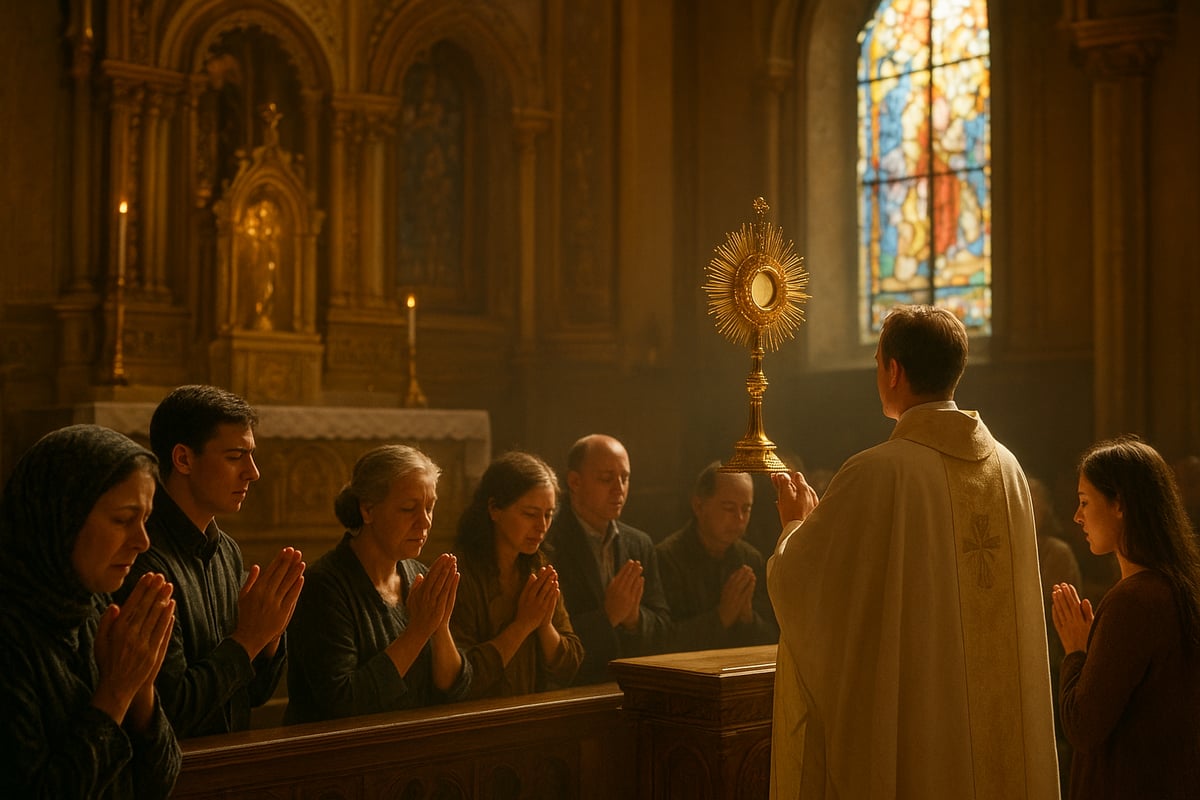
The blessed be prayer is deeply rooted in Catholic tradition, with origins tracing back to the late 18th century. Its formal structure, known as the Divine Praises, was composed by Pope Pius VII in 1797. This prayer was intended to offer reparation after incidents of sacrilege, particularly during a period of turmoil in Europe.
Initially recited during Benediction of the Blessed Sacrament, the blessed be prayer quickly spread across Catholic communities. It developed from earlier forms of praise in the liturgy and became a staple of Eucharistic adoration. As Catholicism expanded globally, the prayer was translated into many languages and adapted to various cultures. For example, after sacrilege events in the 18th century, congregations would gather to recite the blessed be prayer, reaffirming faith and unity.
This historical context highlights the blessed be prayer's resilience and its ability to unite believers in times of hardship and hope.
Theological Significance
At its core, the blessed be prayer emphasizes praise and reverence for God’s holy name. Each phrase reflects key Catholic teachings about the holiness of God, the saints, and the sanctity of the Church. The prayer draws inspiration from biblical passages such as Psalm 113:2, "Blessed be the name of the Lord from this time forth and forevermore."
The blessed be prayer also encourages humility and gratitude. By proclaiming blessings over God, Mary, and the saints, the faithful are reminded of their place within the broader communion of believers. This fosters a sense of awe and respect for the divine, aligning personal devotion with the Church’s tradition of honoring what is sacred.
Many theologians note that the blessed be prayer serves as a bridge between scripture and liturgy, offering believers a means to express profound truths in accessible language.
Structure and Language of the Prayer
The structure of the blessed be prayer is both simple and profound. Each line follows a pattern: "Blessed be God. Blessed be His Holy Name. Blessed be Jesus Christ, true God and true man..." The repetition of "Blessed be" acts as a meditative tool, allowing worshippers to focus their minds and hearts.
The language is intentionally clear, making the prayer suitable for both communal and personal recitation. Each affirmation builds upon the last, creating a rhythm that deepens meditation and praise. The prayer’s format invites worshippers to pause and reflect on each attribute of God and the saints.
For those seeking the official text and context, the USCCB's Divine Praises Prayer provides a reliable resource, ensuring accuracy and deeper understanding of the blessed be prayer’s structure.
Modern Relevance
Today, the blessed be prayer remains a beloved part of Catholic devotion worldwide. Its popularity endures through regular use in Eucharistic adoration, parish Benediction services, and private prayer. Many families and communities have adapted the blessed be prayer for group recitation, making it accessible for all ages.
Recent studies show that over 60% of practicing Catholics are familiar with the Divine Praises, reflecting its continued impact. The prayer’s adaptability also allows it to be incorporated into digital prayer apps and modern devotional practices.
By bridging centuries of tradition with contemporary faith life, the blessed be prayer continues to inspire gratitude, unity, and spiritual growth among believers.
Step-by-Step Guide: How to Pray the Blessed Be Prayer
Discovering how to integrate the blessed be prayer into your daily life begins with intention and presence. This step-by-step guide will empower you to approach the Divine Praises Prayer with reverence, reflection, and practical habits for spiritual growth. Whether you are new or familiar, these steps will help you build a meaningful devotion.
Preparing Your Mind and Heart
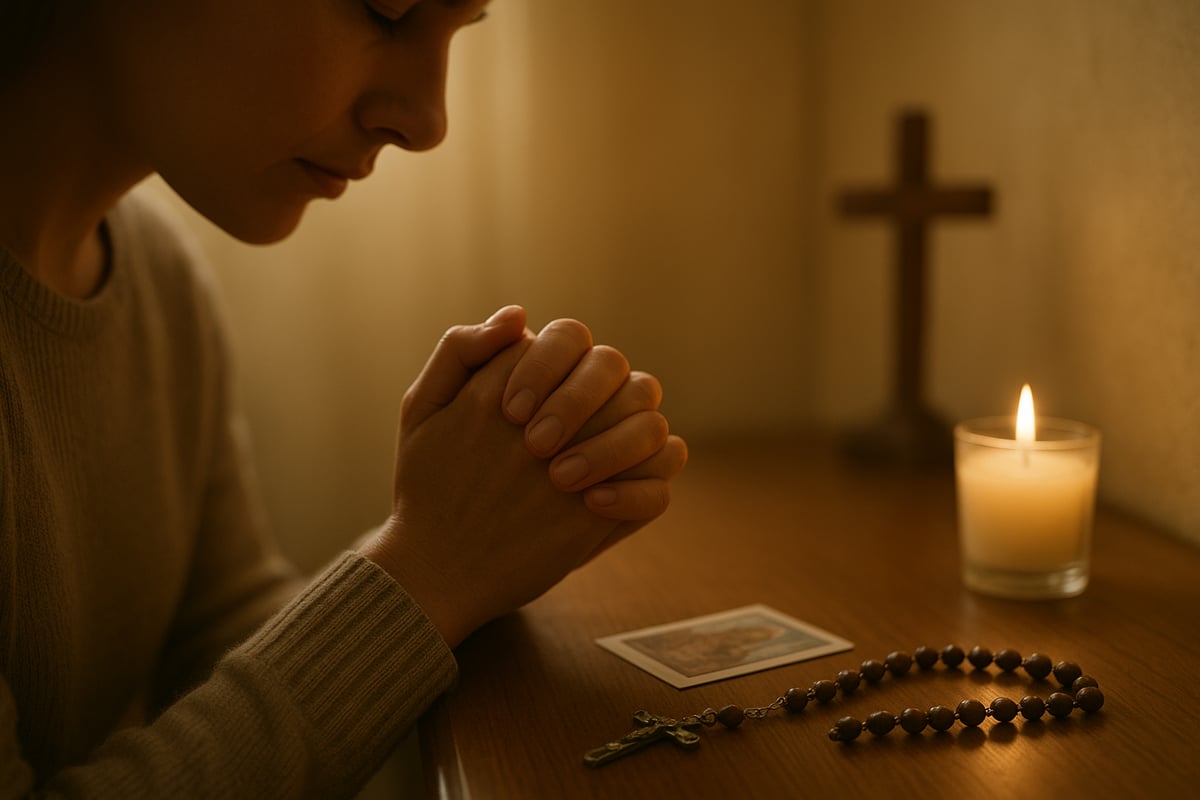
Before reciting the blessed be prayer, take a moment to center yourself. Find a quiet, comfortable space where you can focus without interruption. Many find it helpful to place a crucifix, candle, or icon nearby to create a sacred environment.
Begin with a brief self-examination. Reflect on your day and your intentions for prayer. If you feel the need, recite an act of contrition to ask for forgiveness and open your heart. You can use a traditional version or find a helpful Act of Contrition prayer card for guidance.
Prepare your mind by taking slow, deep breaths. Let go of distractions. Set your intention to offer the blessed be prayer with humility and gratitude.
- Choose a regular time and place for prayer
- Use sacred objects to foster reverence
- Begin with a simple act of contrition or moment of silence
Reciting the Divine Praises Prayer
The heart of the blessed be prayer experience is the recitation of the Divine Praises. This prayer is traditionally said slowly, pausing after each line to let the meaning sink in. Here is the full text:
Blessed be God.
Blessed be His Holy Name.
Blessed be Jesus Christ, true God and true Man.
Blessed be the Name of Jesus.
Blessed be His Most Sacred Heart.
Blessed be His Most Precious Blood.
Blessed be Jesus in the Most Holy Sacrament of the Altar.
Blessed be the Holy Spirit, the Paraclete.
Blessed be the great Mother of God, Mary most Holy.
Blessed be her holy and Immaculate Conception.
Blessed be her glorious Assumption.
Blessed be the name of Mary, Virgin and Mother.
Blessed be Saint Joseph, her most chaste spouse.
Blessed be God in His Angels and in His Saints.
Speak each line clearly, focusing on pronunciation and the profound simplicity of the words. You may wish to chant the prayer or use gentle background music to enhance the atmosphere. The blessed be prayer is most meaningful when prayed slowly and thoughtfully.
Meditative Reflection After Each Line
After each phrase of the blessed be prayer, pause for a moment of silent reflection. This meditative approach allows the words to resonate deeply within your spirit.
Consider prompts such as:
- What am I grateful for today?
- How does this line draw me closer to God?
- In what ways can I grow in humility and awe?
Let your heart rest in the meaning of each affirmation. The blessed be prayer becomes a living dialogue with God when you give time for silence and contemplation.
Integrating Scripture and Personal Intentions
To deepen your blessed be prayer practice, pair each line with a relevant Bible verse. For example, as you say "Blessed be God," recall Psalm 113:2: "Blessed be the name of the Lord now and forever."
You may also add personal intentions after each line, such as praying for loved ones or for peace in the world. This approach makes the blessed be prayer both communal and personal.
- Reflect on a scripture passage for each phrase
- Offer intentions for family, friends, or global concerns
- Write down specific prayers in a journal
Allow your prayer to be shaped by both tradition and your unique spiritual needs.
Closing Your Prayer
After completing the blessed be prayer, close with a familiar Catholic prayer like the Our Father or Hail Mary. This helps seal your time of devotion and connects your prayer to the wider Church.
Take a moment for silent thanksgiving or write a brief reflection in your prayer journal. Recording your insights helps track your spiritual growth and encourages ongoing commitment.
- Say a closing prayer
- Spend time in silent gratitude
- Record thoughts or answered prayers
Example Daily Routine
A consistent routine makes the blessed be prayer a natural part of your life. Here is a sample daily schedule:
| Time of Day | Activity |
|---|---|
| Morning | Prepare your heart, recite prayer |
| Noon | Pause for a short reflection |
| Evening | Revisit the prayer, journal insights |
Many who adopt the blessed be prayer daily report increased peace and clarity. Consider sharing your experience with a spiritual friend or prayer group to stay encouraged.
Testimonies reveal that regular practice of the blessed be prayer fosters a deeper connection with God and a lasting sense of gratitude.
Integrating the Blessed Be Prayer into Daily Life
Building a meaningful prayer life takes intention, consistency, and the right resources. Integrating the blessed be prayer into your daily routine can transform ordinary moments into opportunities for grace and connection. Whether you are new to this devotion or looking to deepen your practice, these practical strategies will help you make the blessed be prayer a living part of your spiritual journey.
Establishing a Consistent Prayer Habit
The first step to integrating the blessed be prayer is building a consistent habit. Choose a specific time each day, such as morning or evening, to recite the prayer. Setting gentle reminders on your phone or placing a prayer card by your bedside can help you remember.
Identify meaningful moments to pray, like before meals or during a quiet commute. Linking the blessed be prayer to daily routines makes it feel natural and sustainable. Over time, this regularity anchors your day in faith and gratitude.
Family and Community Prayer
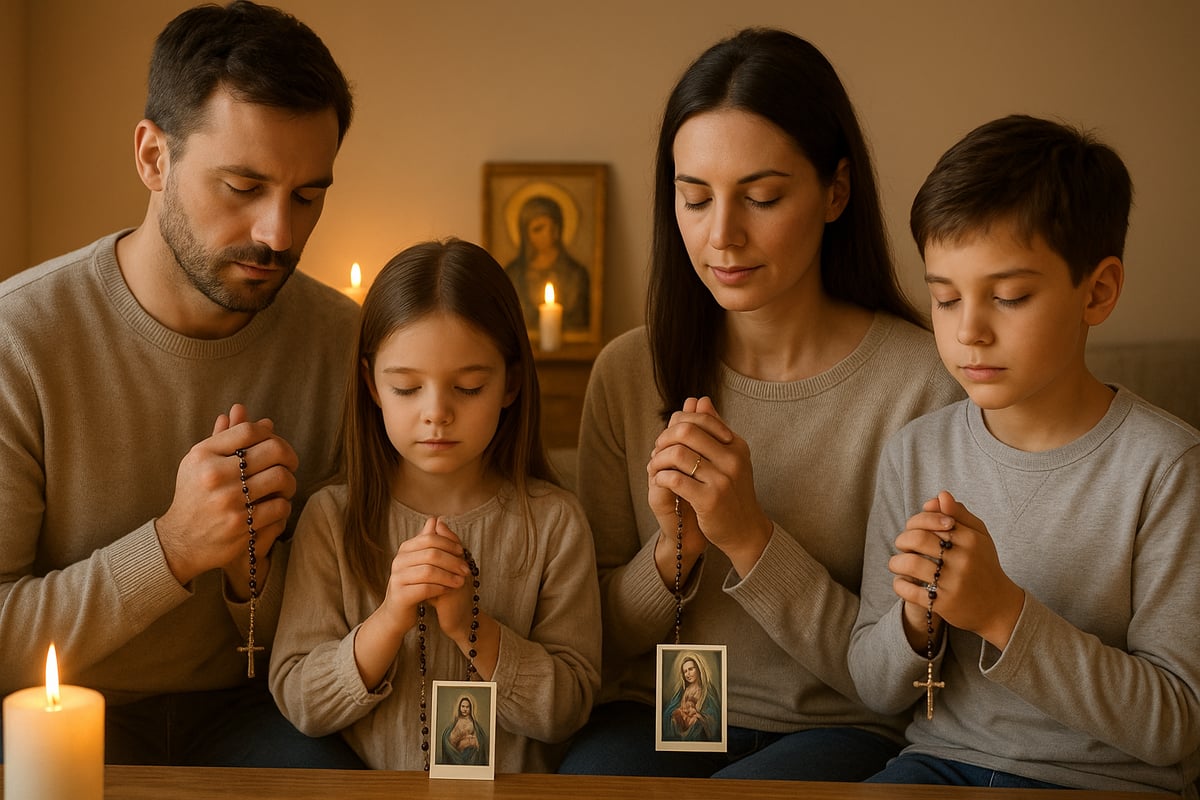
Bringing the blessed be prayer into your family or community setting enriches shared spiritual life. Encourage children to join by explaining the meaning behind each line. Use simple language and repetition to make the words accessible.
Organize a weekly prayer session with friends, your parish, or a small group. Group recitation of the blessed be prayer fosters unity and support. Involving others makes prayer a source of encouragement, nurturing deeper bonds within your faith community.
Overcoming Common Challenges
Distractions and spiritual dryness can make it difficult to stay focused during the blessed be prayer. To address this, try guided meditations or listen to gentle instrumental music as you pray. Keep a prayer journal to note your intentions and reflections.
When motivation wanes, remind yourself of the purpose behind the blessed be prayer. Reflect on the saints who persevered in prayer despite struggles. If you miss a day, simply start again with patience and humility.
Enhancing Prayer with Devotional Tools
Using devotional tools can deepen your experience of the blessed be prayer. Rosaries, icons, and beautifully designed prayer cards serve as tangible reminders of your commitment. Catholic apps can provide audio recitations and daily prompts.
For a richer liturgical connection, explore prayers related to Eucharistic adoration, such as the Litany of the Most Blessed Sacrament. These resources complement the blessed be prayer and inspire more profound moments of reflection.
Celebrating Liturgical Seasons with the Prayer
Integrate the blessed be prayer into the rhythm of the Church year for deeper meaning. During Eucharistic Adoration, Lent, or feast days, this prayer offers a powerful way to praise and honor God. Consider incorporating it into Holy Hour or parish processions.
Special seasons are opportunities to renew your devotion. The blessed be prayer resonates especially during times of communal worship, helping you align your heart with the mysteries of faith throughout the year.
Measuring Spiritual Growth
As you continue with the blessed be prayer, take time to assess your spiritual growth. Notice signs such as increased peace, gratitude, or a stronger sense of faith. Use self-assessment questions or reflection prompts to gauge your progress.
Journaling about your experiences with the blessed be prayer can reveal patterns of grace and transformation. This ongoing reflection encourages lifelong growth and keeps your prayer life vibrant and meaningful.
Spiritual Benefits and Transformative Power of the Blessed Be Prayer
The blessed be prayer offers more than a set of words. It serves as a spiritual anchor, nurturing personal faith and community bonds. By weaving this devotion into daily routines, believers discover lasting transformation in their relationship with God, their attitudes, and their resilience through life's challenges.
Deepening Relationship with God
The blessed be prayer stands at the heart of Catholic worship, fostering a profound sense of reverence and closeness to God. Each line invites believers to praise, reflect, and draw near to the Divine Presence. This prayer is not only a recitation but also a moment of encounter, where the soul opens itself to God's love and guidance. By consistently practicing the blessed be prayer, individuals find their faith renewed and their trust in God's will deepened.
For those seeking to enrich their prayer experience, EWTN's Explanation of the Divine Praises at Adoration offers valuable insights into the prayer's role during Eucharistic Adoration, highlighting its transformative impact on spiritual life.
Cultivating Gratitude and Humility
At its core, the blessed be prayer shifts focus from self to God, nurturing gratitude and humility within the heart. Each phrase affirms God's holiness, the saints' virtues, and the gifts bestowed upon the faithful. This act of praise encourages believers to recognize their dependence on God's mercy and to cultivate a spirit of thankfulness, regardless of circumstances.
As humility grows, so does the ability to appreciate blessings both large and small. The regular repetition of the blessed be prayer gently trains the mind to see God's hand in every aspect of life, fostering contentment and peace.
Building Resilience in Times of Trial
When faced with suffering, uncertainty, or loss, the blessed be prayer becomes a source of comfort and strength. Its steady rhythm and familiar words provide stability when life feels overwhelming. Throughout history, this prayer has uplifted individuals and communities during wars, pandemics, and personal crises.
Pausing to recite the blessed be prayer in challenging moments reminds believers of God's constant presence. It helps transform anxiety into trust, empowering the faithful to persevere and find meaning even in hardship.
Fostering Community and Unity
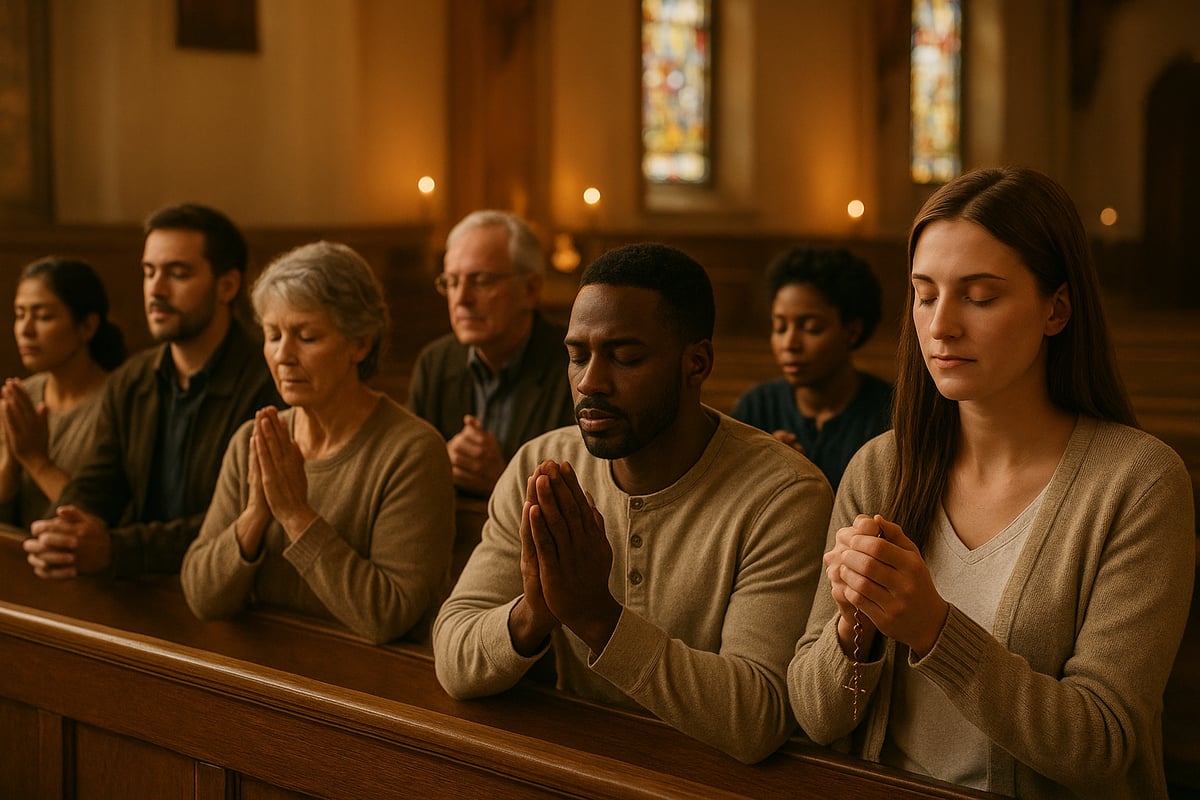
Group recitation of the blessed be prayer strengthens bonds among family members, parishioners, and the wider Church. Shared praise cultivates a sense of belonging and mutual support, making prayer a unifying force in both small and large gatherings.
According to the Pew Research Center's 2025 Religious Landscape Study, a significant majority of Catholics report feeling more connected to their community through communal prayer practices. This shared devotion encourages empathy, understanding, and solidarity among participants.
Encouraging Lifelong Spiritual Growth
Integrating the blessed be prayer into daily routines lays a foundation for continued spiritual growth. As believers mature in faith, this simple yet profound prayer serves as a gateway to deeper devotion, study, and reflection.
Over time, the practice of the blessed be prayer inspires exploration of other Catholic prayers and traditions. It opens pathways to greater self-awareness, love of neighbor, and a lifelong journey toward holiness and spiritual fulfillment.
Resources for Deepening Your Prayer Life in 2026
Embarking on a journey with the blessed be prayer opens the door to spiritual transformation. To support your growth, a wealth of resources is available, ranging from classic literature to innovative digital tools. Let us explore the most effective ways to enhance your prayer life in 2026.
Recommended Books and Study Guides
Begin by building a solid foundation through trusted Catholic books that illuminate the blessed be prayer. Seek out volumes that explain the Divine Praises, Eucharistic adoration, and the history behind these devotions. Titles such as "The Divine Praises: History and Devotion" and "Eucharistic Adoration for the Family" offer valuable insights.
For those curious about the liturgical use of the Divine Praises, Catholic Answers on Reciting the Divine Praises provides clear information on when and how these prayers are recited in church settings. Supplement your reading with annotated study guides for a richer understanding.
Digital Tools and Catholic Apps
Embracing technology can make the blessed be prayer a daily habit. Leading Catholic apps like Laudate, Hallow, and iBreviary provide audio recitations, reminders, and community forums. Many of these apps feature the Divine Praises, allowing you to integrate the prayer into your schedule with ease.
Use digital bookmarks or notifications to prompt reflection and ensure you never miss a prayer moment. Explore app features such as guided meditations or prayer streaks to stay motivated and deepen your devotion.
Retreats, Workshops, and Online Communities
Participating in retreats or workshops offers opportunities to practice the blessed be prayer in a communal setting. Look for local parish events, diocesan workshops, or virtual retreats that focus on Eucharistic devotion and prayer.
Online communities can also be instrumental. Join forums or social media groups dedicated to Catholic prayer, where you can share experiences and find encouragement. Engaging with others fosters accountability and spiritual growth.
Prayer Aids and Devotional Items
Physical reminders play a powerful role in supporting your blessed be prayer discipline. Traditional aids like rosaries, prayer cards, icons, and medals can be placed in your prayer space for focus and inspiration.
Explore Marian devotional items, as the role of Mary is significant in Catholic prayer life. For more on this, see Mary in the Catholic Church, which highlights how Marian devotion can enrich your daily practice of the blessed be prayer.
Journaling and Reflection Practices
Maintaining a spiritual journal helps track your journey with the blessed be prayer. Record moments of insight, answered prayers, and personal intentions. Journaling fosters mindfulness and gratitude, making each prayer experience more meaningful.
Use prompts such as "What stood out during my prayer today?" or "How did I feel after reciting the Divine Praises?" Over time, reviewing these reflections reveals patterns of growth and deeper connection with God.
As you reflect on the profound meaning and daily impact of the Blessed Be Prayer, you might feel inspired to deepen your spiritual journey even further. Surrounding yourself with meaningful reminders can truly help integrate prayer into your routine and keep your heart focused on God throughout 2026. If you’re looking for beautiful ways to enrich your devotional life, consider exploring our unique collection of Catholic prayer cards and holy cards—perfect companions for personal meditation, family prayer, or sharing faith with loved ones. Take a moment to explore our Holy Card Collection Catholic Prayer Cards Jesus Prayer Cards Mother Mary Prayer Cards Saint Joseph Prayer Cards Saints Prayer Cards Saint Michael Prayer Cards and discover the perfect addition to your spiritual practice.