

The concept of divine mercy miracles has captivated Catholic faithful for generations, revealing God's infinite compassion and willingness to transform lives through extraordinary interventions. These miraculous events range from physical healings to profound spiritual conversions, each testimony reinforcing the power of faith in Jesus Christ's boundless mercy. Through the devotion popularized by St. Faustina Kowalska, millions have witnessed the transformative impact of trusting completely in God's merciful love, discovering that no soul is beyond redemption when touched by divine grace.
The Foundation of Divine Mercy in St. Faustina's Visions
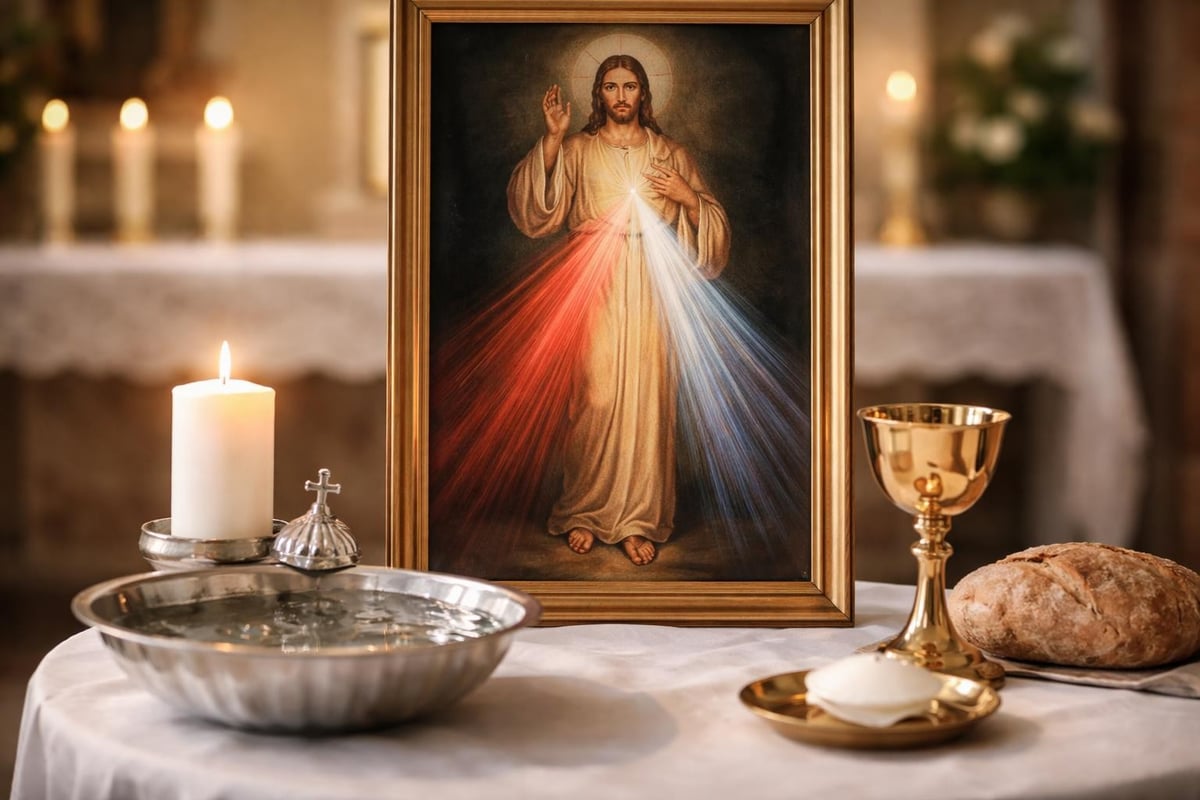
The modern understanding of divine mercy miracles begins with the mystical experiences of St. Maria Faustina Kowalska, a Polish nun who received extraordinary revelations from Jesus between 1931 and 1938. Her diary, "Divine Mercy in My Soul," documents over 100 encounters with Christ, during which He commissioned her to spread the message of His unfathomable mercy to the world. The Divine Mercy image that emerged from these visions-depicting Jesus with red and white rays streaming from His Sacred Heart-has become one of the most recognized symbols in contemporary Catholic devotion.
Jesus revealed to St. Faustina that these rays represented the blood and water that flowed from His pierced side, symbolizing the sacramental life of the Church. The red ray signifies the life of souls bathed in Christ's blood, while the white ray represents the water that makes souls righteous. This powerful imagery connects directly to the sacraments, particularly Baptism and the Eucharist, which form the foundation of Catholic spiritual life.
The Chaplet and Novena as Instruments of Miracles
Among the specific practices St. Faustina transmitted was the Divine Mercy Chaplet, a prayer recited on ordinary rosary beads that has become associated with countless miraculous interventions. Jesus promised that those who recite this chaplet would receive great graces, especially at the hour of death. Many families maintain that praying this chaplet has resulted in unexpected healings, peaceful deaths, and remarkable conversions among their loved ones.
Brought to you by Journeys of Faith, founded by Bob and Penny Lord. We are an Augustinian Secular Institute and Cyber Apostles. Our Mission is Evangelization through Media.
The nine-day Divine Mercy Novena, prayed in preparation for Divine Mercy Sunday, has similarly been connected to numerous divine mercy miracles worldwide. Each day of the novena focuses on a different group of souls-from sinners to priests to those who defend the faith-inviting participants to bring all humanity before God's throne of mercy. Devotees report experiencing profound interior peace, resolution of seemingly impossible situations, and physical healings during this novena period.
For those seeking to incorporate these powerful prayers into their daily lives, the Divine Mercy Novena and Chaplet provides a convenient resource for personal prayer or group devotions. These professionally printed prayer cards make it easy to share this devotion with family members, friends, and fellow parishioners.

Historical Accounts of Divine Mercy Miracles
Throughout the centuries, even before St. Faustina's visions, the Church has documented extraordinary manifestations of God's merciful intervention. The 1536 apparition of Our Lady of Mercy in Savona, Italy, demonstrated how the Blessed Mother intercedes to bring souls back to her Son's mercy. A simple farmer named Antonio Botta witnessed the Virgin Mary appearing in a field, and the subsequent healings and conversions that followed built one of Italy's most important Marian shrines.
Modern Testimonies from Around the World
In contemporary times, divine mercy miracles continue to touch lives in profound ways. The testimonies collected by Divine Mercy ministries include accounts of terminal illnesses reversed, addictions overcome, and families reconciled after years of estrangement. These stories share common elements: a moment of desperate prayer to Divine Mercy, an unexpected turn of events, and a deepening of faith that transforms not just circumstances but entire lives.
Notable Categories of Divine Mercy Miracles Include:
- Physical healings of cancer, heart disease, and neurological conditions
- Emotional and psychological restoration from trauma and depression
- Spiritual conversions of hardened sinners and lapsed Catholics
- Financial provision appearing at moments of greatest need
- Protection from accidents and life-threatening situations
- Reconciliation of broken relationships and families
The Philippines has become particularly known for reports of divine mercy miracles, with thousands of pilgrims visiting sites like Divine Mercy Hills. Witnesses describe phenomena such as the "Dancing Sun" and other celestial signs that they interpret as confirmations of God's merciful presence, drawing even skeptics into deeper faith.
The Sacrament of Reconciliation as the Greatest Miracle
While extraordinary physical healings capture attention, Catholic theology identifies the Sacrament of Reconciliation as the greatest miracle of Divine Mercy. This sacrament transforms souls from spiritual death to eternal life, accomplishing what no medical intervention could achieve. St. Faustina herself emphasized that souls approach this fountain of mercy too infrequently, missing the opportunity for radical transformation.
Understanding Spiritual Transformation
The miracle of confession operates on multiple levels simultaneously. At the supernatural level, mortal sins are forgiven and the soul restored to sanctifying grace. Psychologically, the act of confessing produces freedom from guilt and shame. Relationally, confession heals the breach between the penitent and God, between the individual and the Church community.
| Aspect of Reconciliation | Miraculous Effect | Duration |
|---|---|---|
| Sacramental Grace | Complete forgiveness of sins | Eternal |
| Psychological Healing | Relief from guilt and shame | Immediate |
| Spiritual Strength | Increased resistance to temptation | Ongoing |
| Relational Restoration | Renewed communion with Church | Permanent |
Those who regularly approach this sacrament often report experiencing what can only be described as divine mercy miracles in their daily lives: freedom from habitual sins that seemed unconquerable, peace in situations that previously caused anxiety, and the courage to forgive those who have caused deep wounds.
Documented Cases and Scientific Investigation
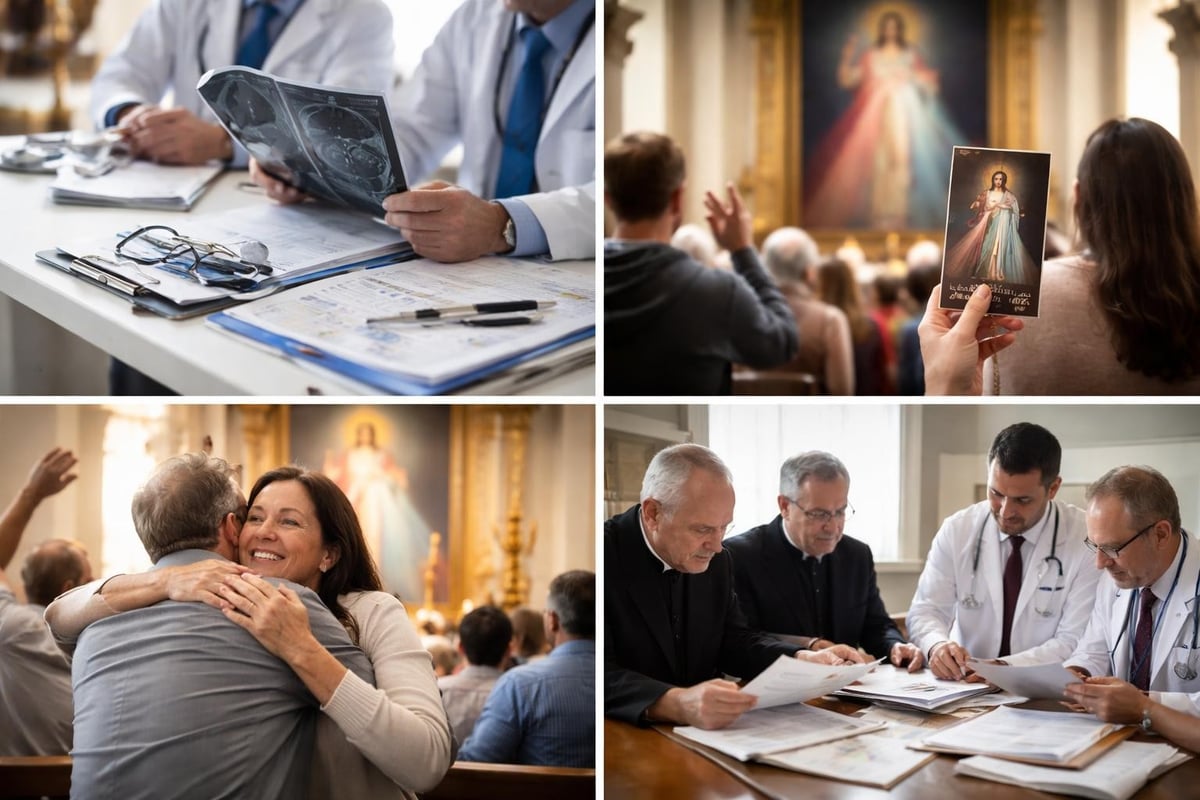
The Catholic Church approaches claims of divine mercy miracles with careful scrutiny, requiring thorough documentation and, in cases of physical healing, medical verification. Church tribunals examine witness testimonies, medical records, and the spiritual context surrounding alleged miraculous events. This rigorous process ensures that authentic divine intervention can be distinguished from natural occurrences or psychological phenomena.
Several documented cases show remarkable alignment between prayer to Divine Mercy and unexplained positive outcomes. In one instance, a parish pilgrimage documented unusual atmospheric phenomena occurring precisely during the recitation of the Divine Mercy Chaplet, with multiple witnesses and photographic evidence supporting the account.
Criteria for Authentic Miracles
The Church evaluates potential divine mercy miracles using established criteria:
- Instantaneous nature - True miraculous healings occur suddenly, not gradually
- Complete restoration - The healing is total, not partial or temporary
- Permanence - The condition does not return over time
- Medical impossibility - No natural explanation exists for the outcome
- Spiritual fruit - The miracle leads to deeper faith and conversion
When these criteria are met, the Church may formally recognize an event as miraculous, adding it to the treasury of testimonies that strengthen the faith of believers worldwide. These authenticated cases provide solid ground for those who seek evidence that miracles happen when you believe and trust in God's merciful power.
Living the Divine Mercy Message Daily
Beyond seeking extraordinary interventions, the Divine Mercy devotion calls Catholics to embody mercy in their daily interactions. Jesus told St. Faustina that mercy should flow from hearts, words, and deeds-creating what might be considered the most profound divine mercy miracles: the transformation of ordinary people into channels of God's compassion.
Practical Steps for Deepening Devotion
In Prayer:
- Recite the Divine Mercy Chaplet daily, especially at 3:00 PM
- Participate in the Divine Mercy Novena before Divine Mercy Sunday
- Venerate the Divine Mercy image in homes and parishes
- Make a Holy Hour on Fridays in reparation for sins
In Action:
- Perform corporal works of mercy (feeding the hungry, clothing the naked)
- Practice spiritual works of mercy (instructing, counseling, forgiving)
- Visit the sick and imprisoned
- Extend forgiveness to those who have caused harm
In Trust:
- Surrender anxieties to God's merciful providence
- Accept sufferings as opportunities to unite with Christ's passion
- Maintain hope even in seemingly impossible circumstances
- Share testimonies of God's mercy with others
The Journeys of Faith blog offers additional resources for understanding how divine interventions, including Marian apparitions, connect to the broader message of God's mercy and redemptive love.
Theological Foundations of Divine Mercy
Understanding divine mercy miracles requires grounding in Catholic theology, particularly the doctrines concerning God's attributes and His relationship with creation. Divine mercy represents not a weakness in God but rather the fullness of His love meeting the depths of human need. As St. Thomas Aquinas taught, mercy is the greatest of God's attributes as manifested toward creatures, because it demonstrates the overflow of His goodness.
The Paschal Mystery Connection
Every divine mercy miracle finds its ultimate source in the Paschal Mystery-Christ's passion, death, and resurrection. The cross represents the definitive act of mercy, where infinite divine love confronts infinite human sinfulness. The resurrection confirms that mercy triumphs over death, sin, and all forms of human suffering.
| Element of Paschal Mystery | Mercy Dimension | Application Today |
|---|---|---|
| Passion | Suffering embraced for love | Redemptive suffering |
| Death | Ultimate sacrifice | Death to sin |
| Resurrection | Victory over death | New life in grace |
| Ascension | Eternal intercession | Ongoing mercy |
This theological framework helps explain why divine mercy miracles often coincide with moments of greatest suffering or desperation. When humans reach the end of their own resources, they become most open to divine intervention, creating the spiritual conditions where God's mercy can operate most powerfully.
The Role of Saints in Divine Mercy Miracles
Beyond St. Faustina, numerous saints have served as channels for divine mercy miracles, demonstrating that sanctity and mercy are inseparable. St. John Paul II, who canonized St. Faustina and established Divine Mercy Sunday, experienced profound healing through this devotion. His own pontificate became a testament to mercy, particularly through his forgiveness of his would-be assassin.
Saints Associated with Divine Mercy Include:
- St. Padre Pio - Known for miraculous healings and reading souls in confession
- St. Catherine of Siena - Emphasized God's mercy in her dialogues
- St. Thérèse of Lisieux - Taught the "little way" of trusting in God's merciful love
- St. John Vianney - Transformed an entire village through the Sacrament of Reconciliation
- St. Margaret Mary Alacoque - Received revelations of the Sacred Heart's mercy
Studying the lives of these saints provides inspiration for those seeking to experience divine mercy miracles in their own journeys. The Catholic Saints books and resources available through Journeys of Faith help families discover how these holy men and women accessed and transmitted God's merciful love.

Divine Mercy Sunday and Special Graces
Jesus revealed to St. Faustina that Divine Mercy Sunday-the first Sunday after Easter-would be a day of extraordinary grace. He promised that whoever approaches the Fountain of Life on this day will receive complete forgiveness of sins and punishment. This unprecedented promise has made Divine Mercy Sunday one of the most significant celebrations in the Church's liturgical calendar.
Conditions for Receiving the Plenary Indulgence
To receive the special graces promised for Divine Mercy Sunday, the faithful must:
- Receive the Sacrament of Reconciliation (within approximately 20 days before or after)
- Receive Holy Communion on Divine Mercy Sunday
- Pray for the intentions of the Holy Father
- Be completely detached from sin, even venial sin
- Participate in devotions honoring Divine Mercy
Parishes worldwide report that Divine Mercy Sunday celebrations draw unprecedented crowds, with many experiencing profound conversions and healings. The combination of sacramental grace and the special promises attached to this day creates optimal conditions for divine mercy miracles to manifest.
Miracles of Conversion and Transformation
Perhaps the most common yet overlooked category of divine mercy miracles involves the conversion of hardened sinners. These transformations-from lives of addiction, violence, or despair to lives of grace and service-represent supernatural interventions no less remarkable than physical healings. Each conversion story testifies to the truth that no soul lies beyond God's merciful reach.
Characteristics of Conversion Miracles
Authentic conversion through Divine Mercy typically involves:
- Recognition of sin - A moment of clarity about one's spiritual state
- Desperate prayer - Crying out to God for help and forgiveness
- Unexpected grace - A sudden ability to change what seemed impossible
- Sustained transformation - Permanent alterations in behavior and desires
- Missionary zeal - A compelling desire to share God's mercy with others
These conversions often occur after years of prayer by family members, demonstrating that divine mercy miracles frequently involve the intercession of faithful souls who refuse to abandon hope for their loved ones. The persistence of these prayers mirrors the parable of the persistent widow, showing that God honors unwavering trust in His mercy.
Integrating Divine Mercy Into Family Life
Families seeking to experience divine mercy miracles should cultivate an environment where mercy becomes both received and practiced. This begins with establishing regular prayer routines centered on Divine Mercy devotions and extends to creating a household culture where forgiveness, compassion, and trust in God's providence predominate.
Family Practices for Divine Mercy:
- Display the Divine Mercy image prominently in the home
- Pray the Divine Mercy Chaplet together, especially at 3:00 PM
- Attend confession as a family regularly
- Practice immediate forgiveness when conflicts arise
- Share testimonies of God's mercy at family meals
- Participate in works of mercy as a household
Parents who introduce children to Divine Mercy devotion often report unexpected graces: improved behavior, academic breakthroughs, healing of childhood illnesses, and early signs of vocational callings. These familial divine mercy miracles strengthen the domestic church and create legacies of faith that extend across generations.
Contemporary Challenges and Divine Mercy
In 2026, the world faces unprecedented challenges-political divisions, economic uncertainties, environmental concerns, and spiritual confusion. Against this backdrop, divine mercy miracles offer hope that transcends human solutions. The message of Divine Mercy addresses modern anxiety by redirecting focus from human capabilities to divine omnipotence and love.
Responding to Modern Crises with Trust
The Divine Mercy devotion teaches that every crisis presents an opportunity for divine intervention when met with trust rather than despair. This perspective transforms how Catholics approach contemporary challenges:
| Modern Challenge | Divine Mercy Response | Expected Grace |
|---|---|---|
| Health crises | Trust in God's healing power | Physical/spiritual healing |
| Financial stress | Surrender to divine providence | Unexpected provision |
| Relationship breakdown | Practice of merciful forgiveness | Reconciliation |
| Spiritual dryness | Increased prayer and sacraments | Renewed fervor |
The comprehensive approach to spiritual formation available through Journeys of Faith helps Catholics integrate Divine Mercy devotion with Eucharistic spirituality, creating a robust foundation for experiencing God's miraculous interventions.
Discerning Authentic Divine Mercy Experiences
As interest in divine mercy miracles grows, maintaining discernment becomes essential. Not every positive outcome constitutes a miracle, and authentic spiritual experiences produce specific fruits that distinguish them from psychological phenomena or coincidence. The Church provides guidance for evaluating claims of miraculous intervention.
Signs of Authentic Divine Intervention
Spiritual Fruits Include:
- Increased humility and gratitude toward God
- Deeper commitment to prayer and sacramental life
- Greater charity toward others, especially enemies
- Detachment from worldly concerns
- Willingness to suffer for Christ
- Desire to evangelize and share faith
Conversely, experiences that produce pride, spiritual elitism, or departure from Church teaching should be approached with caution. True divine mercy miracles always draw souls closer to the heart of the Church, particularly to the Eucharist and the Sacrament of Reconciliation.
The Universal Call to Mercy
Jesus's message to St. Faustina emphasized that Divine Mercy represents not just a devotion but a call to transformation. Every Catholic is invited to become an instrument of God's mercy, channeling divine compassion to a wounded world. This vocation to mercy creates the conditions for divine mercy miracles to multiply exponentially as more souls cooperate with grace.
The works of mercy-both corporal and spiritual-serve as primary means through which ordinary Catholics participate in God's merciful mission. When believers feed the hungry, shelter the homeless, instruct the ignorant, or counsel the doubtful, they become conduits for divine grace that can work miracles in recipients' lives.
Divine mercy miracles continue to transform lives across the globe, offering tangible evidence of God's boundless compassion and willingness to intervene in human affairs. Whether through dramatic physical healings, profound conversions, or the quiet miracle of daily graces, Divine Mercy remains accessible to all who approach with trust and humility. Journeys of Faith provides comprehensive resources to help you deepen your understanding of Divine Mercy and access the prayers, books, and devotional materials that can open your heart to God's miraculous love.
Resources to Deepen Your Faith:
- Explore the Journeys of Faith online store with thousands of Catholic items at https://journeysoffaith.com/collections
- Our unique mega search engine at https://journeysoffaith.com/search is linked to hundreds of Catholic shops and stores
- Get the Journeys of Faith NEW App for iPhone or Android-search for Journeys of Faith or visit https://journeysoffaith.com/pages/download-our-app
- Chat with us anytime at https://chatting.page/mjxs9aerrtgm3lmpndlcepmbyosntrjn
- We need your help to reach more souls. Please make a donation at https://journeysoffaith.com/pages/donate