

The prayer of St Ignatius Loyola stands as one of the most transformative expressions of Catholic devotion, capturing the essence of spiritual surrender and generous service to God. This powerful prayer, composed by the founder of the Society of Jesus in the sixteenth century, continues to resonate with believers seeking deeper intimacy with Christ and a more profound understanding of God's will in their lives. Whether known as the Suscipe or simply the Prayer of St. Ignatius, this timeless invocation offers a blueprint for total abandonment to divine providence that speaks to modern Catholics as powerfully as it did to Jesuits five centuries ago.
The Historical Context of St. Ignatius Loyola's Prayer
St. Ignatius of Loyola transformed from a Spanish soldier into one of the most influential spiritual leaders in Catholic history. Born Íñigo López de Loyola in 1491, his conversion began during a lengthy recovery from battle wounds sustained at Pamplona in 1521. During his convalescence, Ignatius read lives of saints and meditated deeply on Christ's passion, experiences that fundamentally changed his understanding of service and devotion.
The prayer of St Ignatius Loyola emerged from this crucible of transformation. His Spiritual Exercises, a comprehensive guide to prayer and discernment, became the foundation for Jesuit spirituality and influenced countless souls across generations. The prayer reflects Ignatius's military background through its language of complete surrender, similar to how a soldier pledges loyalty to a commander.
The Suscipe: Understanding the Prayer's Core
The word "Suscipe" comes from Latin, meaning "receive" or "take up," and represents the opening word of the prayer in its original language. This prayer expresses total surrender to God's will through offering everything one possesses, both material and spiritual, back to the Creator.
The prayer addresses several key spiritual concepts:
- Complete offering of liberty and free will
- Surrender of memory, understanding, and entire will
- Recognition that all possessions come from God
- Request only for God's love and grace
- Acknowledgment that these gifts are sufficient

Brought to you by Journeys of Faith, founded by Bob and Penny Lord. We are an Augustinian Secular Institute - Cyber Apostles - Our Mission is Evangelization through Media.
Different Versions and Interpretations
While the Suscipe represents the most widely recognized prayer of St Ignatius Loyola, several other prayers attributed to him carry equal spiritual weight. The Anima Christi (Soul of Christ), though not definitively written by Ignatius, became deeply associated with his spirituality and appears frequently in Jesuit prayer collections.
| Prayer Type | Primary Focus | Usage Context |
|---|---|---|
| Suscipe | Total surrender | Ignatian retreats, personal devotion |
| Anima Christi | Union with Christ's passion | After Communion, meditation |
| Prayer for Generosity | Selfless service | Daily commitment, vocational discernment |
The Prayer for Generosity, another composition firmly attributed to Ignatius, asks God to inspire generous service without counting the cost. This prayer complements the Suscipe by adding the dimension of active service to passive surrender. Together, these prayers form a comprehensive spirituality that balances contemplation with action.
Theological Depth and Spiritual Significance
The prayer of St Ignatius Loyola operates on multiple theological levels simultaneously. At its foundation lies the Catholic understanding of stewardship, recognizing that human beings possess nothing independently but receive everything as gift from God. This awareness eliminates pride and cultivates humility, essential virtues in Christian formation.
The Paradox of Freedom Through Surrender
One of the most profound aspects involves how the prayer addresses freedom. By offering complete liberty to God, the pray-er discovers authentic freedom. This paradox mirrors Christ's teaching that whoever loses their life will find it. Modern Catholics often struggle with control and self-determination, making this ancient wisdom particularly relevant.
The prayer acknowledges three faculties of the soul, memory, understanding, and will, each requiring consecration. Memory connects us to past experiences and learned patterns. Understanding shapes how we interpret reality and make decisions. Will determines our choices and commitments. Offering these faculties means allowing God to purify our recollections, illuminate our reasoning, and direct our choices.
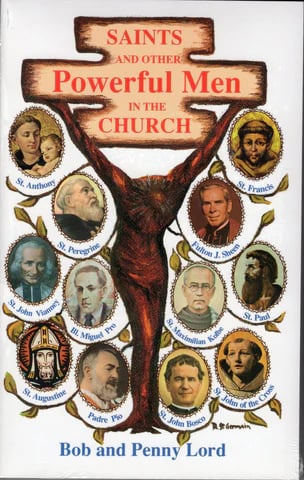
Those studying the lives of saints discover patterns of holiness, and Catholic Saints Books reveal how figures like Ignatius discovered sanctity through complete surrender to divine providence.
Practical Application in Daily Life
The prayer of St Ignatius Loyola transcends theoretical spirituality by offering concrete pathways for everyday practice. Incorporating this prayer into morning routines establishes the day's foundation in surrender rather than self-will. Many Catholics find that beginning each day with the Suscipe transforms their approach to challenges and opportunities alike.
Implementation strategies include:
- Morning recitation before daily activities begin
- Meditation on specific phrases throughout the day
- Journaling reflections on areas of resistance to surrender
- Monthly retreat days focused on deepening the prayer's meaning
- Group study with spiritual companions or faith communities
Integration with Ignatian Spirituality
The prayer works most powerfully when integrated with broader Ignatian practices. The Examen, a daily review of consciousness, pairs naturally with the Suscipe. After offering everything to God in the morning, the evening Examen reviews how well that offering was lived throughout the day's events.
Ignatian contemplation, another cornerstone practice, involves imaginatively entering Gospel scenes to encounter Christ personally. When combined with the prayer of St Ignatius Loyola, this contemplation deepens as the pray-er brings their surrendered faculties into the biblical narrative, allowing God's word to penetrate more profoundly.

The Prayer's Role in Discernment
St. Ignatius developed sophisticated methods for discerning God's will, and the Suscipe plays a crucial role in this process. Before major decisions, praying this prayer establishes the proper interior disposition, one of indifference to all outcomes except what most glorifies God and serves souls.
Discernment principles enhanced by the prayer:
- Detachment from specific outcomes
- Openness to unexpected directions
- Recognition of God's activity in consolation and desolation
- Freedom from disordered attachments
- Clarity about ultimate priorities
The concept of "holy indifference" doesn't mean not caring about outcomes but rather caring more about God's will than personal preferences. This distinction proves essential for authentic Christian discipleship. When facing vocational decisions, relationship choices, or career directions, the prayer of St Ignatius Loyola reorients the heart toward divine wisdom rather than human calculation.
Connections to Eucharistic Devotion
The prayer's themes of offering and sacrifice connect intimately with Eucharistic theology. Just as the Mass involves offering bread and wine that become Christ's Body and Blood, the Suscipe offers the substance of one's life for divine transformation. This parallel makes the prayer particularly meaningful when prayed before or after receiving Holy Communion.
Many Catholics integrate the prayer of St Ignatius Loyola into their Eucharistic devotion practices, recognizing how the prayer's language of self-offering mirrors Christ's sacrificial love made present in the Eucharist. The phrase "give me only your love and your grace" echoes the sufficiency of receiving Christ in Communion.
| Eucharistic Connection | Prayer Element | Spiritual Fruit |
|---|---|---|
| Offering | Liberty and will | Conformity to Christ |
| Consecration | Memory and understanding | Purified mind |
| Communion | Love and grace | Divine intimacy |
| Mission | Generous service | Apostolic zeal |
Teaching the Prayer to Others
Passing on the prayer of St Ignatius Loyola to the next generation requires both explanation and example. Parents, catechists, and spiritual directors serve as crucial bridges, helping young Catholics understand surrender not as weakness but as strength. The prayer challenges contemporary culture's emphasis on self-actualization and control.
Methods for Effective Transmission
Begin with context rather than jumping directly to the prayer text. Share St. Ignatius's story, his transformation from worldly soldier to spiritual warrior. Help learners understand that this prayer cost Ignatius everything, making it authentic rather than merely aspirational.
Break down the prayer phrase by phrase, exploring what each element means practically. "Take, Lord, and receive all my liberty" becomes more accessible when connected to daily choices about time, relationships, and priorities. "My memory, understanding, and entire will" relates to how past hurts, current perceptions, and future plans all need God's healing touch.
Encourage beginners to pray the Suscipe even when they cannot fully mean every word. Spiritual writers emphasize that praying aspirationally, expressing what we hope to become rather than what we are, forms a legitimate prayer approach. Over time, grace works to align the heart with the words being spoken.
The Prayer in Jesuit Formation
Within Jesuit formation, the prayer of St Ignatius Loyola occupies central importance. Novices encounter it early in their training, and it accompanies them through years of study, ministry, and final vows. The prayer provides a measuring stick against which Jesuits evaluate their fidelity to their calling.
Stages of Jesuit integration:
- Novitiate introduction and initial understanding
- Philosophy and theology studies with deepening reflection
- Regency (teaching experience) with practical application
- Tertianship (final formation year) with mature appropriation
- Final vows incorporating the prayer's promises
However, this prayer belongs not exclusively to Jesuits but to the entire Church. Lay Catholics, religious sisters and brothers, diocesan priests, and people in every state of life benefit from its wisdom. The universality of its themes, surrender, trust, generosity, crosses all boundaries of vocation and culture.

Contemporary Relevance and Challenges
Modern Catholics face unique obstacles to praying the prayer of St Ignatius Loyola authentically. Consumer culture encourages accumulation rather than surrender. Digital technology fragments attention, making the focused meditation required for this prayer more difficult. Therapeutic culture sometimes prioritizes self-care over self-sacrifice.
Yet these very challenges make the prayer more necessary than ever. In an age of overwhelming choice, offering one's liberty to God provides peace. When information overload confuses understanding, surrendering this faculty to divine illumination brings clarity. As competing values demand allegiance, giving one's entire will to God establishes priorities.
The prayer also speaks to contemporary concerns about justice and service. Its emphasis on generous giving without counting cost inspires activism on behalf of the marginalized. Its focus on God's love and grace as sufficient wealth challenges materialistic definitions of success.
Complementary Prayers and Devotions
While powerful alone, the prayer of St Ignatius Loyola gains additional depth when paired with other Catholic devotions. The Divine Mercy Chaplet shares themes of trust and surrender, as does the Surrender Novena of Father Dolindo Ruotolo. These prayers reinforce each other's messages.
Recommended pairings include:
- Morning offering prayers that consecrate the day
- Marian consecration that mirrors Ignatian surrender
- Stations of the Cross that deepen understanding of Christ's self-gift
- Eucharistic adoration that provides contemplative space
- Scripture meditation that grounds prayer in God's revealed word
Many Catholics discover that Sacred Traditions like Good Friday observances complement the prayer's themes of sacrifice and redemption. The synergy between different devotional practices enriches spiritual life more than any single practice in isolation.
Living the Prayer's Implications
The most challenging aspect of the prayer of St Ignatius Loyola involves living its radical implications. Truly offering one's entire will to God means accepting outcomes contrary to personal preferences. Surrendering understanding means acknowledging the limits of human wisdom. Giving up liberty means accepting divine sovereignty over every life dimension.
This comprehensive surrender doesn't happen overnight but unfolds gradually across years of faithful practice. Saints who embodied this prayer, including Saint Bernadette of Lourdes, demonstrated how grace perfects nature through patient cooperation. Their examples encourage perseverance when the prayer feels impossible to mean sincerely.
Practical living includes:
- Making decisions through prayer rather than preference alone
- Accepting difficult circumstances as part of God's providence
- Serving others generously without calculating returns
- Maintaining joy amid suffering through trust in divine love
- Releasing control over outcomes while maintaining responsible action
The prayer teaches a both-and spirituality: both accepting suffering and working to alleviate it, both trusting God's providence and using human agency, both detachment from outcomes and passionate engagement with God's mission.
Resources for Deeper Study
Those drawn to explore the prayer of St Ignatius Loyola more thoroughly will benefit from various resources. The full text and context provided by Catholic.org offers an excellent starting point. The Diocese of Saint Petersburg provides additional background on the prayer's significance.
Reading Ignatius's own writings, particularly the Spiritual Exercises and his collected letters, reveals how the prayer emerged from lived experience. Biographical works about Ignatius provide historical context that illuminates the prayer's meaning. Commentaries by Jesuit scholars offer theological depth and practical application guidance.
Retreats based on Ignatian spirituality, whether weekend formats or the full thirty-day Exercises, immerse participants in the prayer's transformative power. Many retreat centers offer adapted versions suitable for busy laypeople, making this spiritual treasure accessible beyond formal religious life.
The prayer of St Ignatius Loyola offers timeless wisdom for Catholics seeking deeper intimacy with God through complete surrender and generous service. Its themes of offering everything to receive divine love and grace challenge contemporary culture while providing profound peace to those who embrace its call. At Journeys of Faith, we support your spiritual journey through resources that deepen understanding of the saints, sacraments, and sacred traditions that form Catholic identity. Our mission of evangelization through media includes helping believers discover transformative prayers like the Suscipe that have guided saints for centuries.
Resources:
- Explore Journeys of Faith Online store with thousands of Catholic Items at https://journeysoffaith.com/collections
- Our Unique Mega Search Engine https://journeysoffaith.com/search is linked to hundreds of Catholic Shops and Stores
- Get the Journeys of Faith NEW App for iPhone or Android. Search for Journeys of Faith or go to https://journeysoffaith.com/pages/download-our-app
- Chat with us anytime https://chatting.page/mjxs9aerrtgm3lmpndlcepmbyosntrjn
- We need your help to reach more souls. Please Make a Donation https://journeysoffaith.com/pages/donate
