

Across centuries, the story of saint anne has captivated hearts as the mother of the Virgin Mary and a symbol of enduring faith.
This guide explores her remarkable legacy, unveiling the history, spiritual meaning, and cherished traditions that surround her life.
Discover how saint anne’s influence reaches across Christian denominations, inspires art and culture, and continues to shape faith communities worldwide in 2026.
Join us as we delve into her origins, her impact on doctrine and devotion, and the ways her story remains a source of hope and inspiration for believers and history enthusiasts alike.
The Historical Origins of Saint Anne
The story of saint anne is woven from a blend of faith, tradition, and early Christian writings. While she holds a revered place as the mother of the Virgin Mary, her earliest stories emerge not from canonical scripture but from ancient apocryphal texts. Exploring these origins helps us understand why saint anne became such a powerful figure in Christian history.
Early Sources and Apocryphal Texts
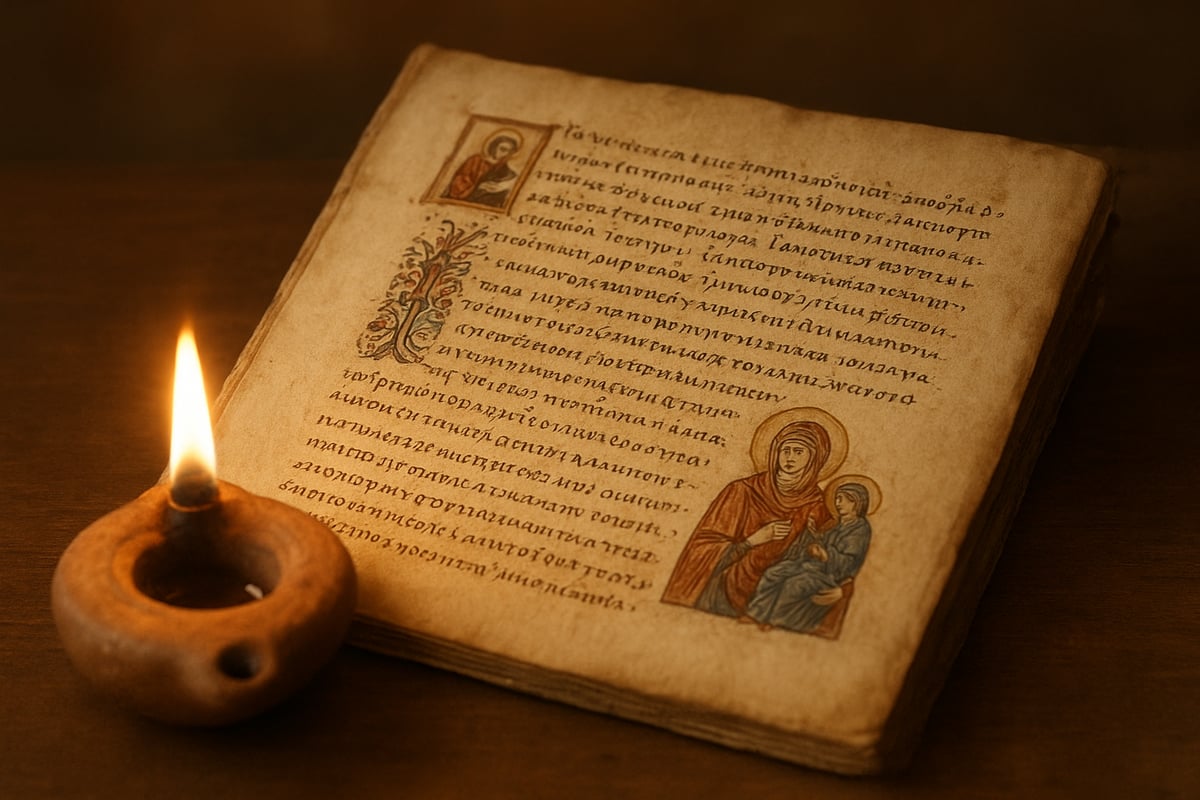
Saint anne’s first appearance can be traced to the Protevangelium of James, a 2nd-century text, and later the Evangelium de nativitate Mariae from the 3rd century. These writings, though not included in the New Testament, had a remarkable influence on Christian tradition. Unlike the Gospels, which remain silent about Mary’s parents, these apocryphal accounts introduced saint anne and her husband Joachim as devout and faithful Jews living in Nazareth.
| Source Type | Mentions of Saint Anne | Details Provided |
|---|---|---|
| Canonical Gospels | None | No mention |
| Apocryphal Gospels | Yes | Life, marriage, prophecy |
The narrative draws a powerful parallel between saint anne and the Old Testament figure Hannah, mother of Samuel. Both women faced the pain of barrenness and prayed fervently for a child. According to the Protevangelium, an angel appeared to saint anne, announcing that her prayers had been answered and she would bear a daughter destined for a special role in God’s plan.
In gratitude, saint anne vowed to dedicate her child to the Lord’s service. The birth of Mary brought joy not only to her parents but also to the wider faith community. As the story continues, saint anne and Joachim present Mary at the Temple in Jerusalem, fulfilling their sacred promise.
These early accounts, though not part of the official biblical canon, laid a foundation for the veneration of saint anne. Their influence can still be seen in Christian traditions and teachings today. For a comprehensive overview of her life and legacy, readers may find the Saint Anne's Historical Significance resource especially valuable.
Development of the Cult of Saint Anne
As stories about saint anne spread, her veneration grew rapidly, especially in the Eastern Christian churches by the 4th century. The first churches dedicated to her appeared as early as the 6th century, serving as centers for prayer and reflection. This devotion soon reached Rome, likely introduced by Pope Constantine in the 8th century.
Medieval Europe saw a blossoming of legends surrounding saint anne. Her story was expanded and celebrated in sermons, art, and local traditions. Many Western Christians became deeply devoted to her, seeing her as a model of faith and perseverance.
Saint anne’s influence extended into the liturgical life of the Church. She played a key role in the development of Marian feasts, such as the Nativity and Presentation of Mary. These celebrations highlighted her importance in salvation history and deepened her connection to the faithful.
The cult of saint anne also shaped church doctrine and the liturgical calendar. Her feast day, observed on July 26, became a focal point for communities across Europe and beyond. Through these practices, saint anne’s legacy continued to inspire generations, reminding believers of the enduring power of faith and family.
Saint Anne’s Meaning and Significance in Christianity
Saint Anne stands as a pillar of faith and inspiration within Christianity. Her story, though not found in canonical scripture, has profoundly shaped the spiritual imagination and devotional life of countless believers. She is cherished not only for her unique relationship to the Virgin Mary and Jesus but also for the enduring virtues and hope she represents.
Theological and Spiritual Importance
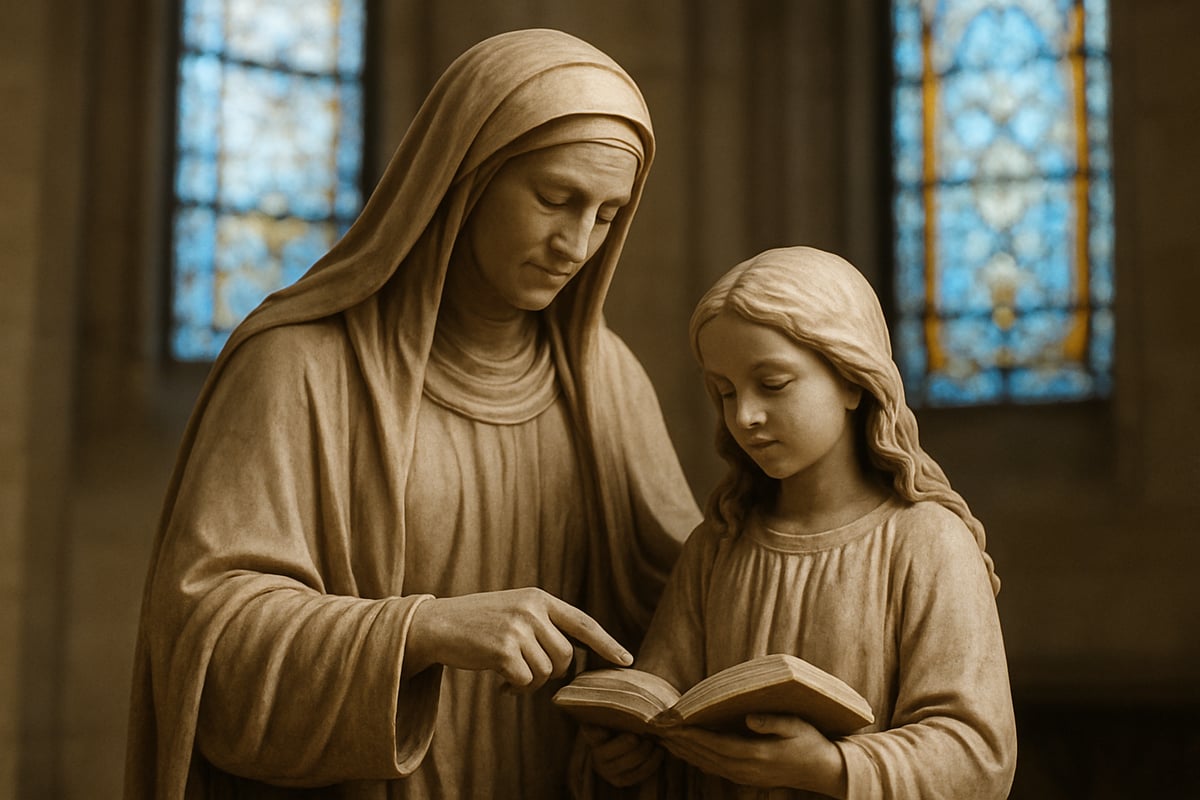
Saint Anne’s theological significance is rooted in her identity as the mother of Mary and grandmother of Jesus. This unique position highlights her role in salvation history, bridging the generations between the Old and New Testaments.
For many Christians, saint anne embodies steadfast faith and hope, especially in times of barrenness or difficulty. According to ancient tradition, Anne and her husband Joachim longed for a child and persevered in prayer, ultimately receiving a promise from an angel that God would bless them. Their story mirrors the biblical account of Hannah and Samuel, reinforcing themes of trust and divine intervention.
Saint Anne is venerated as the patroness of:
- Women in labor
- Grandparents and families
- Childless couples
She is also seen as a symbol of:
- Faith and perseverance
- Humility and devotion
- Generational transmission of faith
Saint Anne’s influence extends into Marian dogmas, such as the Immaculate Conception and the Presentation of Mary. By dedicating Mary to God, Anne’s actions are viewed as foundational to the unfolding of Christian salvation.
Her virtues inspire believers to cultivate humility, patience, and trust in God’s plan. Across centuries, saint anne has been a model for Christian living, drawing attention to the sanctity of family and the importance of nurturing faith from one generation to the next.
For readers seeking a deeper exploration of saint anne’s historical and spiritual legacy, the History of Christian Saints provides further context and insights.
Saint Anne in Different Christian Denominations
The veneration of saint anne transcends denominational boundaries, making her a unifying figure among diverse Christian traditions.
Catholic Church:
Saint Anne’s feast day is celebrated on July 26. Catholics honor her with prayers, novenas, and special devotions. Many churches and schools bear her name, and she is invoked as a powerful intercessor for families.
Eastern Orthodox Church:
In Orthodox tradition, saint anne is commemorated with liturgical feasts and hymns. She is celebrated on July 25 (according to the Julian calendar) and remembered as a model of piety and maternal love.
Anglican and Lutheran Traditions:
While not as prominent, saint anne is recognized and celebrated, with some communities holding services and observing her feast.
Eastern Catholic and Oriental Churches (Coptic, Ethiopian, Armenian, Syro-Malabar, Syro-Malankara, Maronite):
These churches honor saint anne with distinct feast days and liturgical customs, reflecting her global influence.
| Denomination | Feast Day | Key Practices |
|---|---|---|
| Catholic | July 26 | Masses, novenas, processions |
| Orthodox | July 25/July 26 | Liturgies, hymns, icon veneration |
| Anglican/Lutheran | July 26 | Prayers, scripture readings |
| Coptic/Eastern | Varies | Special liturgies, local customs |
Worldwide, millions participate in annual celebrations honoring saint anne. Despite differences in liturgical calendars and customs, the central message remains consistent: saint anne is a source of inspiration, hope, and intercession for Christian families everywhere.
In summary, the meaning and significance of saint anne in Christianity are both profound and far-reaching. Her legacy continues to inspire, uniting believers across traditions and generations in faith and devotion.
Traditions and Devotions Honoring Saint Anne
Devotion to saint anne is deeply woven into Christian tradition, shaping religious practices and community life for centuries. Her legacy is celebrated through feast days, sacred sites, and cherished customs that connect families and faithful worldwide.
Feast Days and Liturgical Practices
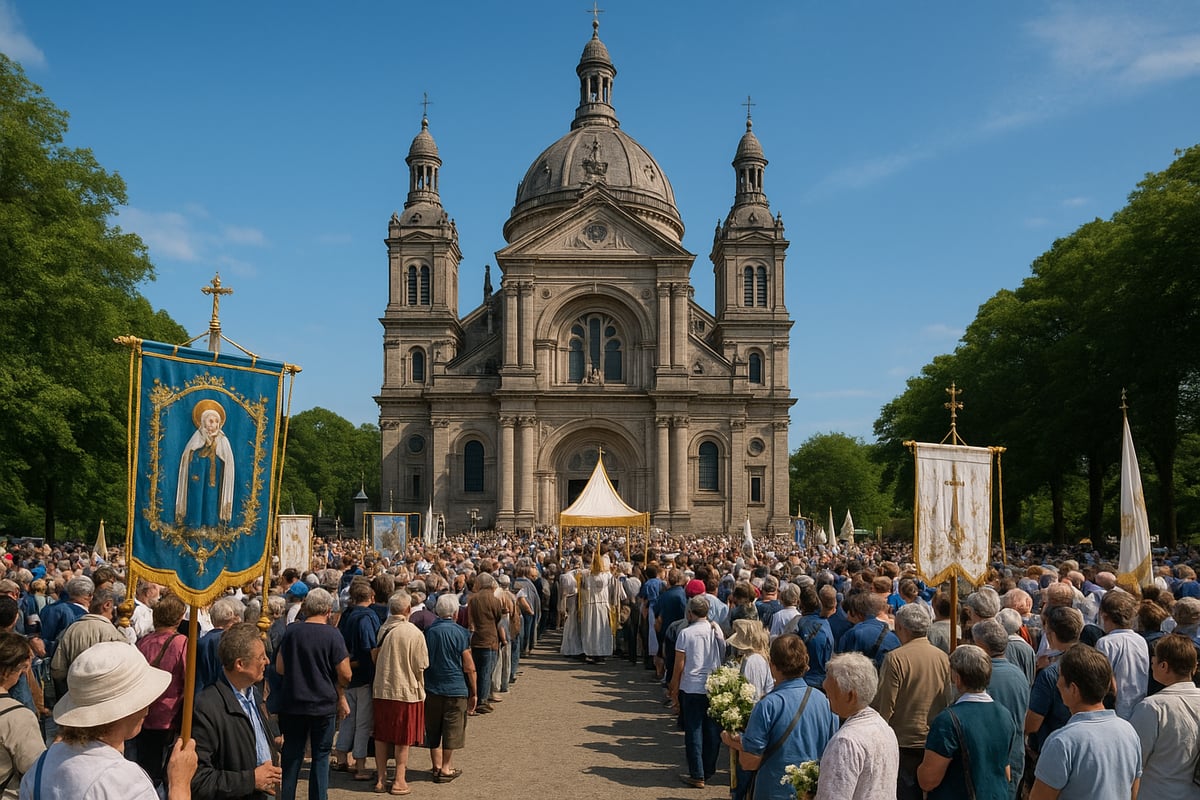
The principal feast day of saint anne falls on July 26, a date marked with special reverence by millions. Churches hold solemn masses, processions wind through city streets, and novenas invite nine days of prayerful preparation. These liturgical celebrations honor her role as the mother of Mary and the grandmother of Jesus, highlighting her importance in salvation history.
In Brittany, France, devotion to saint anne is especially vibrant. The annual pilgrimage to Sainte-Anne-d'Auray draws thousands who seek her intercession and celebrate her miracles. For readers interested in the rich history and enduring significance of this event, the Sainte-Anne-d’Auray Pilgrimage offers a detailed look at its legacy.
Canada, particularly at Sainte-Anne-de-Beaupré near Quebec City, hosts one of the largest gatherings dedicated to saint anne in North America. Pilgrims travel from across the continent, participating in candlelit processions and receiving blessings for children, mothers, and families. In these regions, the keyword is not only a name but a source of unity and hope.
Many parishes integrate saint anne's story into Marian feasts such as the Nativity and Presentation of Mary. This blending of traditions deepens the spiritual experience, reinforcing her connection to family and faith. Data from recent years shows participation in major annual pilgrimages often exceeds 500,000, reflecting her widespread appeal.
Relics and Sacred Sites
Relics attributed to saint anne have drawn the faithful for centuries. Historical accounts speak of her remains being discovered in Jerusalem and later transferred to various European churches. These relics are venerated as tangible links to her holy life, believed to foster spiritual renewal and miraculous healings.
Major shrines dedicated to saint anne have become focal points of devotion. Sainte-Anne d’Auray in France stands as a testament to her enduring influence, with pilgrims reporting answered prayers and profound spiritual experiences. The Basilica of Saint Anne in Jerusalem is revered as her traditional burial site, attracting visitors from around the world.
Miracles associated with saint anne's relics and shrines are well documented. Testimonies range from physical healings to answered prayers for family unity. These sacred spaces are not only places of worship but also centers for community gathering and reflection, strengthening the bond between generations.
Relics play a vital role in sustaining devotion to saint anne. Their presence infuses local and global Catholic communities with a sense of continuity and shared heritage. Through pilgrimages, people encounter both the physical and spiritual legacy of this beloved saint.
Saint Anne in Family and Community Life
Saint anne holds a special place in family and community life. Traditional prayers and blessings invoke her protection for families, especially mothers, expectant women, and grandparents. Families often gather on her feast day to seek her intercession for health, unity, and spiritual growth.
Her patronage extends to grandparents, making her a symbol of intergenerational faith. Many communities organize fairs, festivals, and educational programs in her honor, fostering a sense of belonging and shared values. Naming traditions inspired by saint anne, such as Anna, Anne, and Hannah, remain popular in Christian cultures worldwide.
Community events like processions, music festivals, and cultural gatherings further strengthen her influence. Catechesis centered on saint anne's virtues teaches humility, perseverance, and devotion, inspiring both young and old. Through these practices, the keyword continues to shape the spiritual fabric of countless households.
In modern times, the traditions surrounding saint anne adapt to changing family structures and community needs. Yet, her legacy endures, offering comfort, inspiration, and a living connection to faith for all who seek her guidance.
Saint Anne in Art, Iconography, and Culture
The story of saint anne has inspired generations, not only through faith but also through the arts and cultural traditions. Her enduring presence can be seen in paintings, sculptures, music, and the very architecture of churches worldwide.
Iconography and Artistic Representations
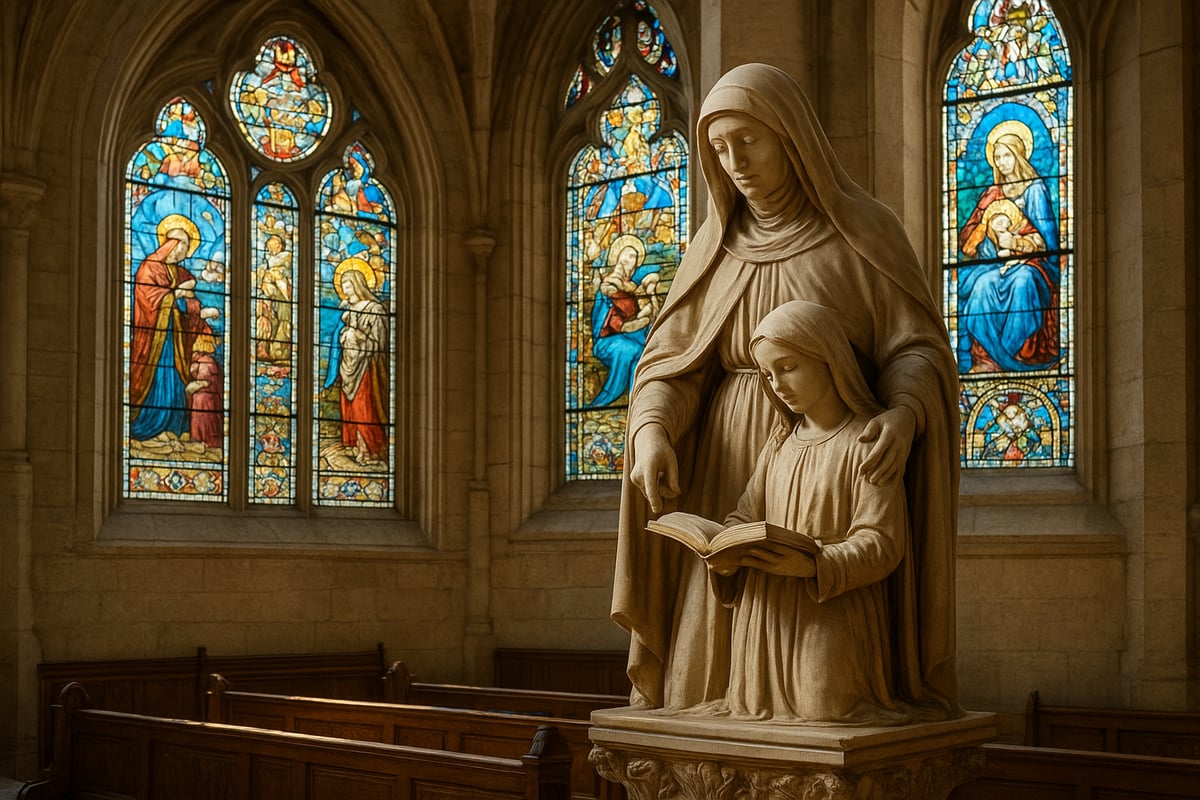
Artists have long depicted saint anne as a central figure in Christian iconography. She is often shown with the Virgin Mary and the Christ Child, symbolizing the lineage of faith. In many masterpieces, she is portrayed teaching Mary to read, with a book in her hands, representing wisdom and devotion.
One of the most famous works is Leonardo da Vinci’s “The Virgin and Child with Saint Anne.” This painting captures the intimate bond between three generations, with saint anne watching over Mary and Jesus. Other renowned artists, such as Michael Wolgemut and Hans Baldung, also contributed to the visual legacy of saint anne, each adding unique symbolism and style.
| Notable Artworks | Artist | Description |
|---|---|---|
| The Virgin and Child with Saint Anne | Leonardo da Vinci | Three generations together |
| Saint Anne Altarpiece | Michael Wolgemut | Teaching Mary, surrounded by kin |
| Saint Anne with Mary and Child Jesus | Hans Baldung | Emphasis on teaching and guidance |
Common symbols in these artworks include the book (teaching), lilies (purity), and images of three generations together. Over centuries, the representation of saint anne evolved, from early Christian mosaics to elaborate Renaissance paintings and sculptures. Churches and cathedrals often feature stained glass windows and statues dedicated to her.
Medieval Europe especially embraced her image, as seen in Swedish art. For more on these unique representations, visit Saint Anne in Medieval Art. Her influence also extends to architectural details, with chapels, altars, and entire churches bearing her name and likeness.
Saint Anne’s Cultural Legacy
The cultural impact of saint anne reaches far beyond visual art. She is recognized as the patron saint of regions like Brittany and Canada, as well as professions including carpenters, miners, and mothers. This connection has fostered a rich tradition of local festivals, processions, and music dedicated to her.
Folk songs and hymns celebrating saint anne are still sung during feast days and community gatherings. In literature, her story appears in poems, plays, and popular tales, reinforcing her role as a model of faith and family.
Naming traditions also reflect her legacy. Variations like Anna, Anne, and Hannah remain popular in many cultures, honoring her influence across generations.
Community events often center on saint anne, with fairs, educational programs, and intergenerational celebrations. These activities strengthen the bonds of faith and family, keeping her memory alive in both religious and cultural contexts.
To illustrate her widespread influence, consider these statistics:
| Category | Estimated Number Worldwide |
|---|---|
| Churches | 20,000+ |
| Schools | 5,000+ |
| Annual Festivals | 1,000+ |
Through art, music, literature, and community life, saint anne continues to shape spiritual and cultural identity for countless people.
Saint Anne Beyond Christianity: Interfaith Perspectives
Saint Anne holds a unique place not only within Christian tradition but also in the broader interfaith landscape. Her story resonates across religious boundaries, inspiring dialogue, understanding, and shared values among diverse faith communities.
Saint Anne in Islam
Within Islam, saint anne is recognized as Hannah, the devoted mother of Maryam (Mary). The Qur’an honors Hannah’s heartfelt prayers for a child and her promise to dedicate her offspring to God’s service. This narrative, found in Surah Al Imran, closely mirrors Christian accounts of saint anne’s faith and devotion.
Both traditions emphasize Hannah's struggle with infertility and her unwavering hope. Like saint anne in Christian texts, Hannah’s story symbolizes perseverance, trust in divine providence, and the blessing of motherhood. Her prayerful longing and ultimate joy at Maryam’s birth highlight themes of faith and surrender cherished in both faiths.
A comparison between the two traditions can be summarized as follows:
| Tradition | Name | Key Role | Thematic Focus |
|---|---|---|---|
| Christianity | Saint Anne | Mother of Mary, Grandmother of Jesus | Faith, perseverance, family |
| Islam | Hannah | Mother of Maryam | Devotion, prayer, surrender |
These shared elements foster respect and curiosity, making saint anne a bridge for interfaith dialogue and mutual appreciation.
Comparative Views and Global Influence
The legacy of saint anne extends into interfaith art, literature, and community life. Artists and writers from various backgrounds have drawn inspiration from her story, weaving her virtues into works that celebrate motherhood, faith, and hope. In some multicultural societies, joint events or educational programs highlight the common threads between saint anne and Hannah, promoting understanding and cooperation.
Women’s spiritual narratives often reference saint anne as a model of patience and dedication, transcending religious differences. Interfaith gatherings sometimes feature readings or music that honor her, underscoring her universal appeal.
Communities interested in learning more about saint anne’s influence and participating in interfaith activities can explore resources such as the About Our Faith Community page, which offers insight into shared values and opportunities for engagement.
Through these global and comparative perspectives, saint anne continues to inspire unity, dialogue, and a deeper appreciation for the spiritual journeys that connect people of different faiths.
Saint Anne’s Enduring Influence in the Modern World
Across centuries, the story of saint anne has inspired devotion and shaped faith communities worldwide. In today’s rapidly changing society, her legacy remains vibrant, adapting to new contexts and technologies while preserving deep spiritual roots.
Continuing Devotion and New Expressions
In the modern era, devotion to saint anne thrives in both traditional and innovative forms. Pilgrimages continue to draw thousands, with sites like the Saint Anne Shrine of Fall River standing as living testaments to her enduring influence. Restoration efforts at such shrines reflect the commitment of believers to preserve sacred spaces for future generations.
Online communities have also flourished, connecting devotees across continents. Social media groups, livestreamed novenas, and virtual pilgrimages make it possible for people unable to travel to participate in saint anne celebrations. In 2026, participation in online saint anne events reached record numbers, with thousands joining digital rosaries and prayer chains each month.
Religious education programs frequently highlight the virtues of saint anne, using her example to teach about faith, perseverance, and family bonds. Personal stories abound of individuals who credit her intercession with healing, guidance, or renewed hope. These testimonies are often shared in digital forums, podcasts, and church bulletins, strengthening the sense of a global, interconnected community.
Saint anne also inspires new artistic expressions. Contemporary musicians compose hymns in her honor, while writers and visual artists reinterpret her story for today’s audiences. Schools and parishes named after saint anne host annual festivals, blending cultural traditions with modern celebrations. In every expression, the central message remains clear: saint anne’s example is as relevant in the digital age as it was in ancient times.
Challenges and Opportunities for Tradition Preservation
Despite this vitality, devotion to saint anne faces challenges. Secularization and changing family structures have shifted how many people engage with religious tradition. Fewer families may gather for communal prayer, and some younger generations are less familiar with the stories and customs surrounding saint anne.
However, these challenges also present opportunities. Parishes and shrines now offer intergenerational activities, inviting grandparents and grandchildren to celebrate saint anne together. Digital novenas and virtual pilgrimages make devotion accessible to those who are homebound or live far from major shrines. For those interested in exploring or participating in pilgrimages, resources like Contact for Pilgrimage Information provide valuable guidance for planning meaningful journeys.
Community organizations and educators are developing creative catechesis programs, incorporating storytelling, art, and technology to engage young people. Lay leaders, clergy, and theologians emphasize the importance of adapting saint anne traditions for contemporary life without losing their essence.
Looking ahead, the future of saint anne devotion lies in balancing tradition with innovation. Emerging trends such as global online networking, interactive educational tools, and inclusive liturgical events promise to keep her memory alive for generations to come. By fostering spaces where all ages can encounter the story of saint anne, faith communities ensure her legacy will continue to inspire, comfort, and unite people around the world.
As we’ve explored Saint Anne’s incredible history, spiritual meaning, and the deep traditions that have blossomed around her, you might feel inspired to connect even more deeply with her legacy and the saints who shape our faith journey. If you’re curious to discover more stories, resources, and meaningful ways to honor Saint Anne and other remarkable figures, I encourage you to Explore Catholic Saints.
Here, you’ll find thoughtfully curated books, DVDs, and devotional items to enrich your faith and keep these powerful traditions alive in your own life.