

The Catholic Church has documented an extraordinary treasury of supernatural events that challenge both skeptics and believers alike. Among these divine interventions, 100 eucharistic miracles stand as powerful testimonies to the Real Presence of Jesus Christ in the consecrated host. These miracles span continents and centuries, from ancient times to modern day, each one providing tangible evidence that what appears as bread and wine is truly the Body and Blood of our Savior. Through rigorous scientific investigation and Church verification, these phenomena continue to strengthen faith and inspire conversion in an increasingly secular world.
Understanding the Significance of Eucharistic Miracles
Eucharistic miracles occur when the consecrated host or wine transforms into visible flesh and blood, often in response to doubt or disbelief. These supernatural events serve as divine confirmations of Catholic teaching on transubstantiation.
The doctrine of the Real Presence teaches that during the consecration at Mass, the substance of bread and wine becomes the actual Body and Blood of Christ while maintaining the appearance of bread and wine. When someone questions this truth, God occasionally intervenes with unmistakable physical evidence.
Categories of Eucharistic Phenomena
The 100 eucharistic miracles documented throughout history fall into several distinct categories:
- Transformation of consecrated hosts into visible human flesh
- Bleeding hosts that produce human blood
- Incorrupt hosts that remain fresh for centuries
- Levitating or luminous consecrated elements
- Hosts that survive fires, floods, or other natural disasters
- Miraculous healings associated with Eucharistic adoration
These miraculous events have occurred in diverse locations including Italy, Spain, Poland, Mexico, Argentina, and numerous other nations. Each incident undergoes rigorous ecclesiastical investigation before receiving official recognition.
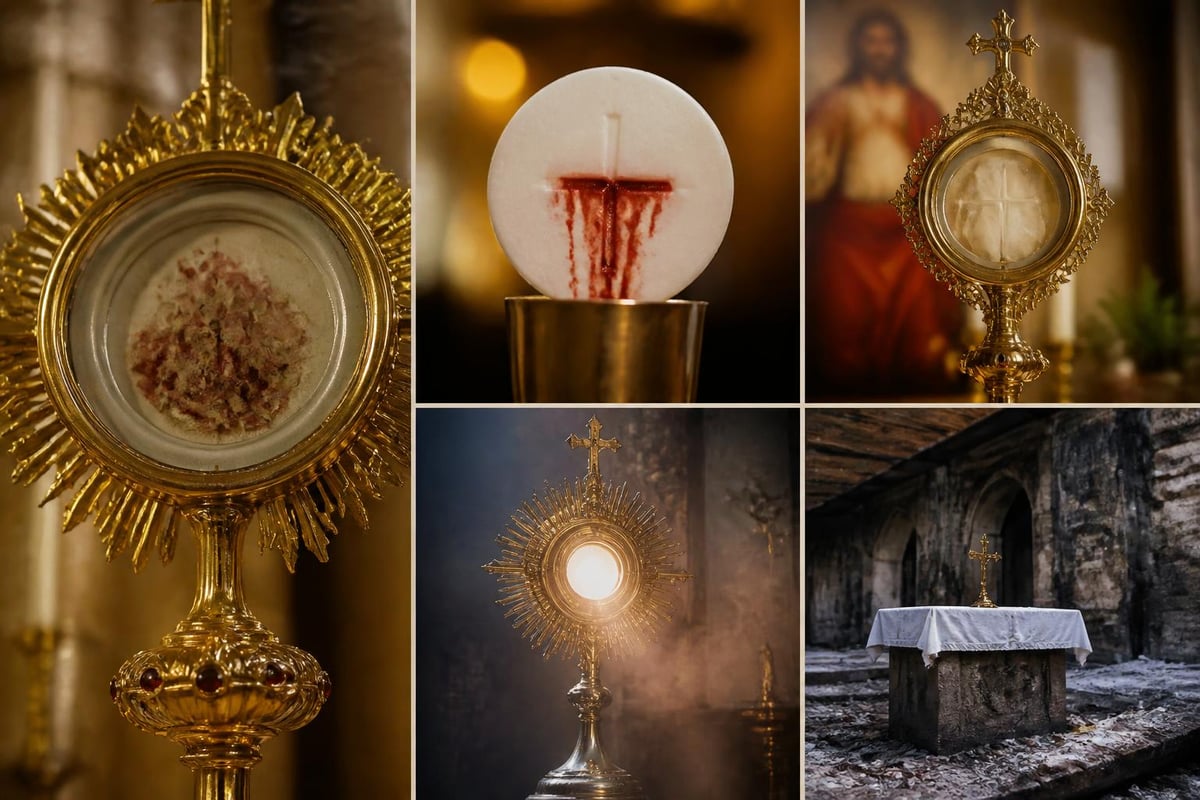
Historical Documentation of 100 Eucharistic Miracles
The comprehensive database of Eucharistic miracles compiled by Saint Carlo Acutis before his death in 2006 represents the most extensive modern collection of verified cases. This young Italian's research documented 142 miracles, with 100 eucharistic miracles forming the core of extensively investigated events.
Medieval Europe witnessed numerous Eucharistic phenomena that shaped Catholic devotion. The Miracle of Lanciano in 750 AD remains one of the most scientifically studied cases, where a doubting priest witnessed the host transform into flesh and blood during Mass.
| Location | Year | Type of Miracle | Scientific Verification |
|---|---|---|---|
| Lanciano, Italy | 750 | Flesh transformation | Blood type AB, cardiac tissue |
| Bolsena, Italy | 1263 | Bleeding host | Prompted Corpus Christi feast |
| Amsterdam, Netherlands | 1345 | Fire-resistant host | Survived multiple fires |
| Siena, Italy | 1730 | Incorrupt hosts | Fresh after 296 years |
Modern Scientific Analysis
Twenty-first century technology has enabled unprecedented examination of Eucharistic miracles. In Buenos Aires (1996), Sokólka, Poland (2008), and Legnica, Poland (2013), scientific investigations confirmed that tissue samples from transformed hosts were human cardiac muscle. DNA testing revealed blood type AB positive, consistent with studies on the Shroud of Turin and other Eucharistic miracles worldwide.
Dr. Franco Serafini, a renowned cardiologist, examined samples from multiple sites and concluded the tissue appeared to come from a heart in extreme agony. These findings align perfectly with the Passion of Christ and strengthen the connection between 100 eucharistic miracles across different centuries.
Brought to you by Journeys of Faith, founded by Bob and Penny Lord. We are an Augustinian Secular Institute-Cyber Apostles. Our mission is evangelization through media.
Geographic Distribution of Miraculous Events
Italy claims the highest concentration of documented Eucharistic miracles, with over 30 verified cases throughout its regions. This concentration reflects both Italy's central role in Catholic history and its robust ecclesiastical investigation processes.
European Miracles
The European continent hosts approximately 60 percent of the 100 eucharistic miracles formally recognized by the Church:
- Italy: Lanciano, Bolsena, Siena, Turin, Florence, Ferrara
- Spain: Alcalá, Daroca, Guadalupe, Ivorra, O Cebreiro
- France: Paris, Avignon, Bordeaux, Dijon, Faverney
- Poland: Sokólka, Legnica, Głotowo, Poznań
- Portugal: Santarém, Lisbon, Braga
Spain's Miracle of Caravaca (1231) involved a consecrated host appearing miraculously during Mass celebrated by a priest without proper vestments. This event led to the construction of the Sanctuary of the Holy Cross, which remains a pilgrimage site today.
Americas and Beyond
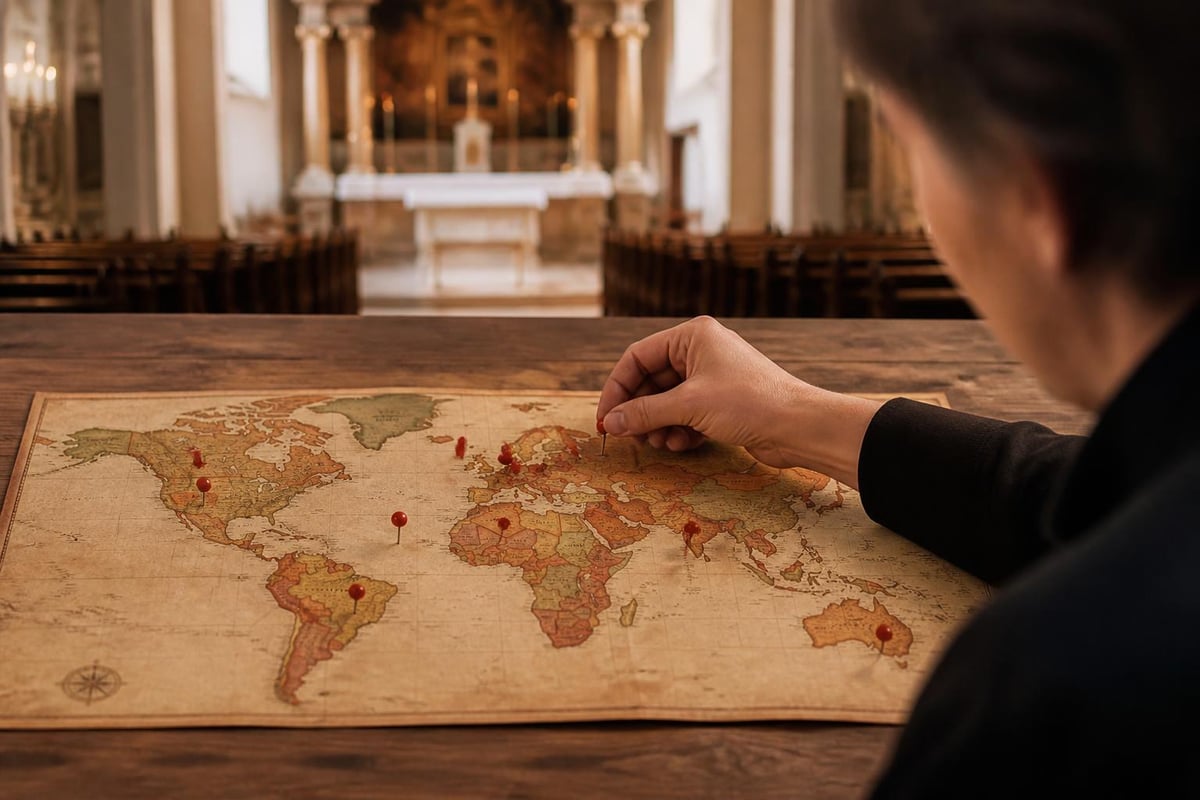
The Americas contribute significantly to modern Eucharistic miracle documentation. Argentina alone has recorded multiple events in Buenos Aires (1992, 1994, 1996) that underwent extensive scientific scrutiny. These contemporary miracles provide fresh evidence for current generations.
Mexico's contribution includes the Miracle of Guadalajara and events in Mexico City. South American nations like Brazil, Colombia, and Ecuador have also reported verified phenomena.
The Science Behind Supernatural Transformation
When consecrated hosts transform into flesh, laboratories worldwide have analyzed these specimens using cutting-edge technology. Histopathological examination reveals consistent patterns across separated incidents spanning centuries.
Laboratory Findings and Patterns
Research teams investigating the 100 eucharistic miracles have discovered remarkable consistency:
- All flesh samples identified as human cardiac muscle tissue
- Blood type uniformly AB positive across different miracles
- No presence of preservatives or embalming agents
- Tissue shows characteristics of extreme trauma
- DNA testing confirms human origin
- No bacterial degradation despite age
Professor Linoli's 1971 analysis of the Lanciano miracle set the standard for scientific investigation. Using modern immunological and biochemical techniques, he confirmed the presence of human flesh and blood with no trace of preservatives.
| Test Performed | Results | Significance |
|---|---|---|
| Tissue Type | Myocardium (heart muscle) | Consistent with crucifixion trauma |
| Blood Type | AB positive | Matches Shroud of Turin |
| Protein Analysis | Human hemoglobin present | Rules out animal origin |
| Preservation State | No chemical agents | Supernatural incorruption |
The detailed scientific examinations provide objective data that complement faith. These investigations don't prove doctrine but offer compelling physical evidence supporting Catholic teaching on the Real Presence.
Verification Process and Church Investigation
The Catholic Church maintains rigorous standards for authenticating Eucharistic miracles. Each reported event undergoes years of careful scrutiny before receiving official recognition.
Ecclesiastical Investigation Stages
The verification process for the 100 eucharistic miracles follows established protocols:
- Initial Documentation: Parish priests record witness testimonies and preserve physical evidence
- Diocesan Commission: Bishop appoints investigators including theologians and scientists
- Scientific Analysis: Independent laboratories conduct tests without religious bias
- Theological Review: Experts assess consistency with Church doctrine
- Historical Verification: Researchers confirm chronological accuracy and context
- Final Determination: Bishop issues formal declaration on authenticity
Many miracles remain under investigation for decades. The Church prioritizes accuracy over speed, ensuring that only genuinely supernatural events receive validation.
Notable saints have witnessed these miracles firsthand. Saint Thomas Aquinas, Saint Francis of Assisi, Saint Anthony of Padua, and numerous other holy figures experienced Eucharistic phenomena that strengthened their devotion.
Impact on Faith and Conversion
The 100 eucharistic miracles have produced profound spiritual effects throughout Church history. Countless conversions, renewed vocations, and deepened faith result from encounters with these supernatural signs.
Personal Transformation Stories
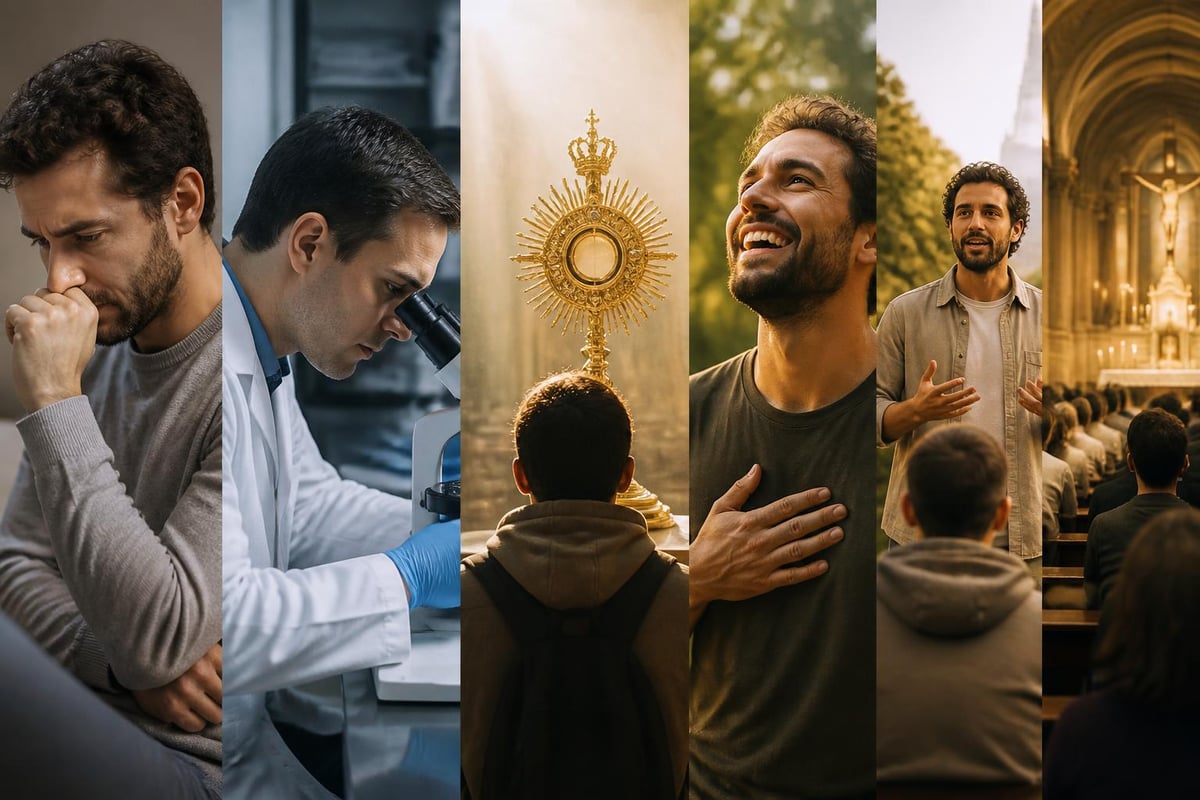
Skeptics become believers when confronted with inexplicable physical evidence. One famous case involved a physician who examined the Buenos Aires miracle in 1996. Dr. Ricardo Castañón Gómez, initially skeptical, became convinced after laboratory analysis revealed living heart tissue from the consecrated host.
Stories of transformation include:
- Atheist scientists converting after examining miracle samples
- Lukewarm Catholics returning to active faith practice
- Protestants entering the Catholic Church after studying the evidence
- Priests experiencing renewed zeal for celebrating Mass
- Young people choosing religious vocations after pilgrimage to miracle sites
The exhibition of Eucharistic miracles travels worldwide, bringing this evidence directly to parishes and schools. Saint Carlo Acutis created digital presentations documenting these events, making them accessible to millions through modern technology.
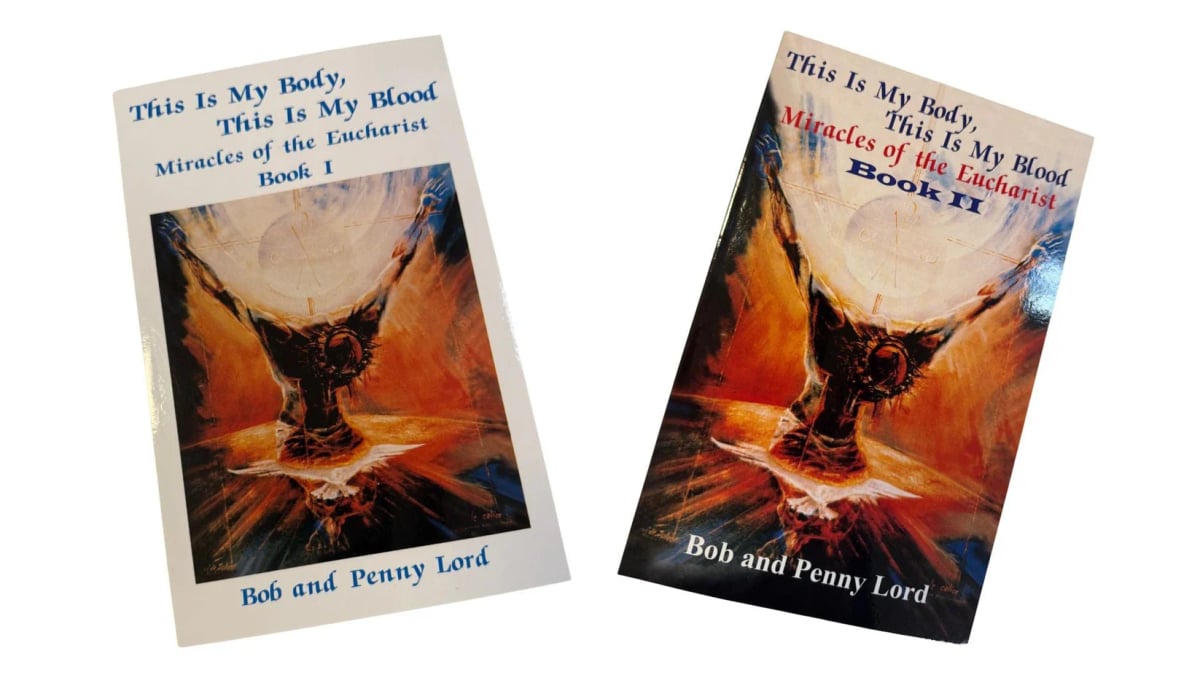
For those seeking to deepen their understanding of these supernatural events, the *Miracles of the Eucharist* books by Bob and Penny Lord provide comprehensive accounts of multiple miracles. These bestselling volumes feature detailed historical research, photographs, and theological reflection on the Real Presence.
Contemporary Relevance in Modern Catholicism
The 100 eucharistic miracles remain powerfully relevant in 2026, addressing modern challenges to faith. In an era of scientific skepticism and declining religious practice, these physical manifestations provide objective grounds for belief.
Educational Applications
Catholic schools and religious education programs incorporate Eucharistic miracle studies into curricula. Students examine scientific reports, view photographic evidence, and discuss theological implications.
Educational benefits include:
- Development of critical thinking skills through evidence analysis
- Integration of faith and reason in academic settings
- Understanding of Church investigation procedures
- Appreciation for historical continuity in Catholic tradition
- Strengthened belief in core doctrines
Homeschooling families particularly benefit from miracle studies as they provide concrete examples connecting faith to observable reality.
Pastoral Ministry and Evangelization
Parish missions and retreats frequently feature presentations on Eucharistic miracles. The combination of scientific evidence and supernatural intervention creates powerful evangelization tools for reaching skeptical audiences.
Many dioceses organize pilgrimages to miracle sites, allowing faithful to encounter these phenomena directly. The Sydney Archdiocese highlights how such pilgrimages revitalize parish communities and inspire Eucharistic devotion.
Protecting and Preserving Sacred Evidence
Physical preservation of miracle relics requires careful stewardship. Many transformed hosts remain intact centuries after their initial transformation, maintained in ornate reliquaries within churches and cathedrals.
Conservation Challenges and Solutions
Institutions housing Eucharistic miracles face unique preservation challenges:
| Challenge | Solution | Example Location |
|---|---|---|
| Environmental degradation | Climate-controlled reliquaries | Lanciano, Italy |
| Tourist exposure | Limited viewing schedules | Siena, Italy |
| Documentation preservation | Digital archiving projects | Vatican Archives |
| Physical security | Advanced security systems | Santarém, Portugal |
The Vatican maintains extensive archives documenting investigations of the 100 eucharistic miracles. These records include witness testimonies, scientific reports, photographs, and ecclesiastical decrees spanning nearly two millennia.
Modern technology enables virtual access to these treasures. High-resolution photography and 3D imaging allow worldwide audiences to examine miracle sites and relics without traveling to physical locations.
Theological Implications and Deeper Understanding
The 100 eucharistic miracles illuminate profound theological truths about Christ's presence in the Eucharist. These events don't merely prove doctrine-they invite deeper contemplation of divine mysteries.
Transubstantiation Made Visible
Catholic theology teaches that transubstantiation occurs at every Mass, whether visible or not. Eucharistic miracles reveal what faith already believes: the consecrated elements truly become Christ's Body and Blood.
Saint Thomas Aquinas addressed this in his writings, explaining that God occasionally permits the accidents (appearance) to change along with the substance, making visible what normally remains hidden from physical senses.
The consistency across miracles reinforces theological understanding:
- Flesh always identified as cardiac muscle reflects Christ's Sacred Heart
- AB positive blood type connects to the Passion and Shroud of Turin
- Trauma indicators in tissue samples align with crucifixion suffering
- Incorruption demonstrates supernatural preservation beyond natural explanation
Catholic mystics throughout history have experienced visions of Christ in the Eucharist, seeing spiritually what these miracles manifest physically.
Responding to Doubt and Strengthening Faith
God uses Eucharistic miracles strategically to address specific crises of faith. The Bolsena miracle (1263) occurred when a German priest doubted the Real Presence during Mass. Blood flowed from the host, staining the corporal cloth, which now resides in Orvieto Cathedral.
This single event prompted Pope Urban IV to establish the Feast of Corpus Christi, affecting global Catholic practice for over 750 years. One miracle among the 100 eucharistic miracles transformed universal liturgical celebration.
Living in Light of Eucharistic Truth
The 100 eucharistic miracles call believers to transformed living. Recognizing Christ's Real Presence demands reverence, devotion, and moral alignment with the One we receive in Holy Communion.
Practical Applications for Daily Life
Understanding these miracles should impact concrete behaviors:
- Preparation for Mass: Approaching the Eucharist with proper disposition through confession and prayer
- Eucharistic Adoration: Spending time in Christ's presence outside of Mass
- Reverent Reception: Receiving Communion with appropriate posture and attention
- Living Consistently: Aligning daily choices with the grace received in the Sacrament
- Sharing Faith: Evangelizing others about Eucharistic truth using miracle evidence
The comprehensive examination of these events available through modern research makes evangelization more effective than ever before.
Parish communities benefit when members study these miracles together. Discussion groups, lecture series, and prayer gatherings centered on Eucharistic phenomena deepen collective faith and strengthen community bonds.
Resources for Continued Learning
Multiple organizations dedicate themselves to documenting and sharing knowledge about the 100 eucharistic miracles. These resources serve various audiences from casual inquirers to serious researchers.
Recommended Study Materials
Those seeking deeper understanding can access numerous resources:
- International exhibitions featuring photographs and scientific reports
- Documentary films examining specific miracles in detail
- Academic articles analyzing patterns across multiple events
- Parish presentations by experts in Eucharistic theology
- Pilgrimage opportunities to actual miracle sites
Digital platforms now offer unprecedented access to historical documents, laboratory reports, and expert commentary. Visual archives contain thousands of images documenting these supernatural events.
Many Catholic media organizations produce materials specifically designed to make Eucharistic miracle studies accessible to general audiences without sacrificing accuracy or depth.
Connecting Faith and Evidence
The relationship between faith and evidence deserves careful consideration. Miracles support but don't replace faith. They provide confirmation for those who believe and challenge for those who doubt, yet ultimately each person must respond freely to divine invitation.
The 100 eucharistic miracles demonstrate God's patience with human weakness. Rather than condemning doubt, the Lord provides tangible reassurance, meeting questioners at their point of need.
This divine pedagogy mirrors Christ's approach with doubting Thomas, who needed to touch the wounds before believing. Jesus didn't reject Thomas but invited him into fuller faith through physical evidence.
Formation of Future Generations
Youth ministry programs increasingly incorporate Eucharistic miracle studies as young people respond positively to concrete evidence supporting faith claims. Generation Z and Generation Alpha particularly appreciate the integration of scientific methodology with spiritual truth.
Educational Strategies That Work
Effective catechesis using the 100 eucharistic miracles includes:
- Interactive presentations using multimedia technology
- Hands-on activities analyzing scientific reports
- Discussion sessions addressing questions and doubts
- Service projects promoting Eucharistic devotion
- Pilgrimage experiences to nearby miracle sites or exhibitions
Saint Carlo Acutis serves as a powerful model for young Catholics engaging with Eucharistic miracle studies. This computer-savvy teenager used his technological skills for evangelization, creating resources that continue impacting millions after his death.
Understanding the lives of saints who devoted themselves to Eucharistic devotion provides context for appreciating these miracles within the broader Catholic tradition.
Global Unity Through Eucharistic Faith
The 100 eucharistic miracles transcend cultural boundaries, occurring across diverse nations, languages, and historical periods. This universality demonstrates the Catholic Church's truly global character and the timeless nature of Eucharistic truth.
Whether in medieval Europe, colonial Latin America, or contemporary Asia, these miracles share consistent characteristics. The same divine reality manifests across vastly different human contexts, uniting believers in common faith.
Building Bridges Through Shared Wonder
Ecumenical dialogue benefits when Catholics can point to objective evidence supporting distinctive doctrines. While miracles alone don't resolve theological disagreements, they provide starting points for respectful conversation about sacramental theology.
The scientific verification process demonstrates Catholic commitment to truth-seeking. By subjecting miracle claims to rigorous testing, the Church shows confidence that authentic faith withstands scrutiny.
International cooperation among researchers, theologians, and Church officials investigating these miracles models productive collaboration. Scientists from different countries and faith backgrounds contribute expertise, creating dialogue opportunities that extend beyond laboratory walls.
The 100 eucharistic miracles documented throughout Catholic history offer powerful testimony to Christ's Real Presence in the consecrated host, providing both believers and seekers with tangible evidence of divine intervention. These supernatural events, verified through rigorous scientific investigation and ecclesiastical review, continue to inspire faith, prompt conversions, and deepen devotion to the Holy Eucharist across generations and cultures.
Whether you're exploring these miracles for the first time or seeking to deepen your existing knowledge, Journeys of Faith offers comprehensive resources to support your spiritual journey. Through books, media, and educational materials developed by Bob and Penny Lord, you can access detailed accounts of these supernatural events and strengthen your understanding of the Real Presence that transforms both bread and lives.
Resources:
- Explore the Journeys of Faith online store with thousands of Catholic items at https://journeysoffaith.com/collections
- Use our unique mega search engine at https://journeysoffaith.com/search, linked to hundreds of Catholic shops and stores
- Get the Journeys of Faith NEW App for iPhone or Android-search for "Journeys of Faith" or visit https://journeysoffaith.com/pages/download-our-app
- Chat with us anytime at https://chatting.page/mjxs9aerrtgm3lmpndlcepmbyosntrjn
- We need your help to reach more souls-please make a donation at https://journeysoffaith.com/pages/donate