

The Catholic Church's two-thousand-year history has generated an extraordinary body of written work, from theological treatises and historical chronicles to spiritual memoirs and doctrinal guides. For readers seeking to understand Catholic teaching, explore Church history, or deepen their spiritual life, books on the Catholic Church offer invaluable resources. Whether you're a lifelong Catholic, a recent convert, or simply curious about this ancient institution, the right books can illuminate the faith's rich traditions and contemporary relevance. This guide explores essential categories of Catholic literature, helping you build a reading list that meets your spiritual and intellectual needs.
Understanding Catholic Doctrine and Theology
The foundation of any study of Catholicism begins with understanding its core teachings. Books on the Catholic Church that focus on doctrine provide systematic explanations of what Catholics believe and why these beliefs matter.
The Catechism and Primary Sources
The Catechism of the Catholic Church stands as the definitive reference for Catholic doctrine, offering comprehensive coverage of beliefs, sacraments, moral teaching, and prayer. This official text, promulgated in 1992 and revised in 1997, organizes two millennia of Church teaching into an accessible format.
Key sections include:
- The Profession of Faith (Creed)
- The Celebration of the Christian Mystery (Sacraments)
- Life in Christ (Moral Teaching)
- Christian Prayer
Beyond the Catechism, companion volumes and commentaries help readers navigate its dense theological content. Works by theologians who explain the Catechism's teachings in contemporary language make doctrine accessible to everyday readers.
Theological Deep Dives
For those seeking scholarly depth, academic works from Catholic university presses provide rigorous analysis. Trinitarian Ecclesiology from Catholic University of America Press represents the kind of specialized theological exploration that examines the Church's self-understanding through the lens of the Trinity.
Brought to by Journeys of Faith Founded by Bob and Penny Lord - We are an Augustinian Secular Institute - Cyber Apostles - Our Mission is Evangelization through Media.
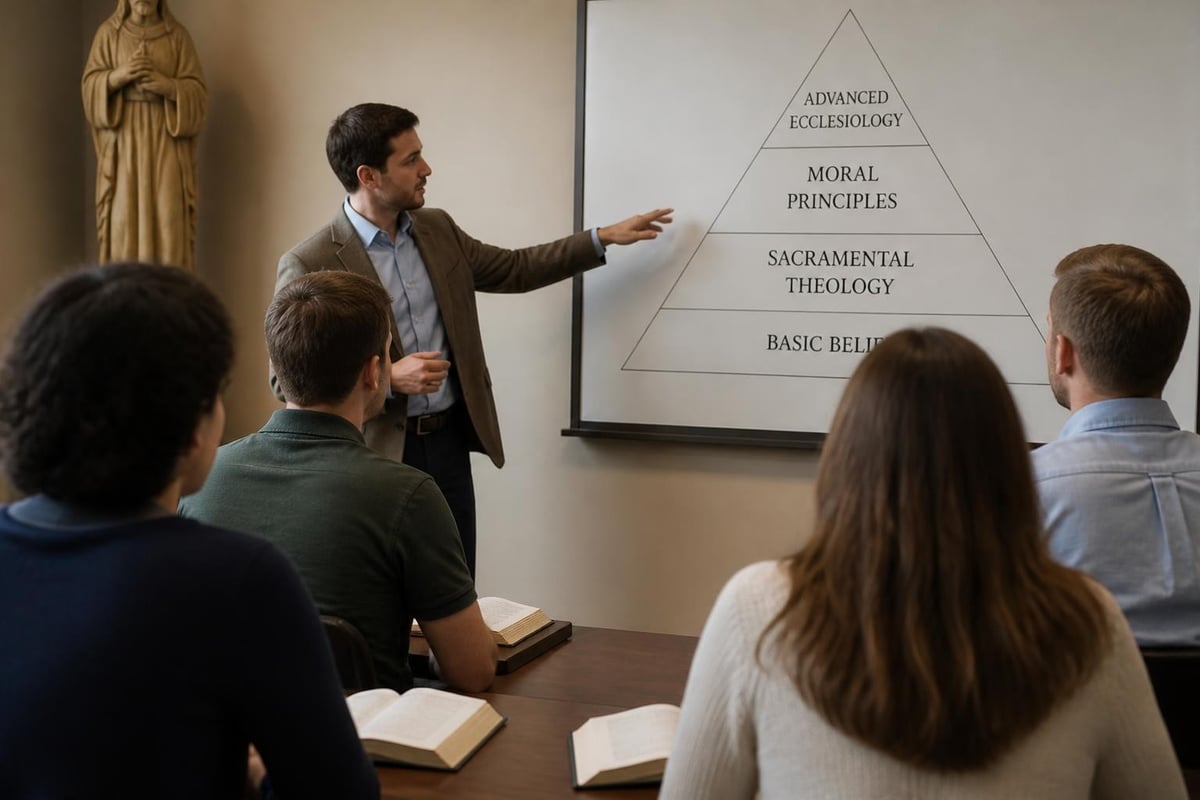
| Reading Level | Book Type | Primary Audience | Time Investment |
|---|---|---|---|
| Beginner | Catechism companions | New Catholics, inquirers | 3-6 months |
| Intermediate | Thematic theology books | Practicing Catholics | 6-12 months |
| Advanced | Academic monographs | Scholars, serious students | Ongoing study |
Historical Perspectives on the Catholic Church
Understanding how the Church developed over two thousand years requires engaging with historical scholarship. Books on the Catholic Church that examine its history reveal both triumphs and failures, offering context for contemporary challenges.
Early Church Through Medieval Period
The patristic era produced writings from the Church Fathers that continue to influence Catholic thought. Modern compilations and translations make these ancient texts accessible. Historical studies trace the Church's growth from a persecuted minority to the dominant religious force in Europe, examining key moments like the Council of Nicaea, the Great Schism, and the formation of religious orders.
Reformation to Modern Era
The sixteenth-century Reformation reshaped Western Christianity, and books examining this period from Catholic perspectives explain the Church's response through the Counter-Reformation and Council of Trent. Moving into the modern era, works covering Vatican I and Vatican II are essential. The Springer volume on Sacrosanctum Concilium explores liturgical renewal and its ongoing implications for worship.
Contemporary Historical Analysis
Recent scholarship tackles difficult subjects with increased transparency. Unforgivable from University of California Press documents institutional failures regarding abuse scandals, representing a new generation of historical writing that confronts painful realities while seeking paths toward accountability and reform.
The Library of Congress Vatican exhibits provide access to primary sources, manuscripts, and archival materials that allow readers to engage directly with historical documents rather than relying solely on secondary interpretations.
Spiritual and Devotional Literature
While theological and historical books on the Catholic Church feed the mind, spiritual literature nourishes the soul. This category encompasses works by saints, mystics, and contemporary spiritual writers.
Classic Spiritual Writers
The writings of Saints Teresa of Avila, John of the Cross, Thérèse of Lisieux, and Ignatius of Loyola remain perennially popular. These masters of the spiritual life offer guidance on prayer, discernment, and union with God. Modern editions with introductions and annotations help contemporary readers understand their cultural contexts while applying timeless wisdom.
Contemporary Spiritual Guides
Living authors continue the tradition of spiritual writing, addressing modern concerns while drawing on ancient wisdom. Books covering Eucharistic devotion, Marian consecration, and practical holiness connect traditional practices with twenty-first-century life.
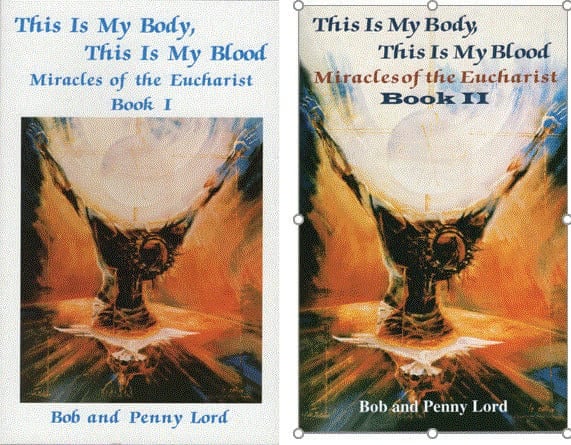
For those seeking to deepen their prayer life through structured devotions, resources like the Miracles of the Eucharist books provide inspiration through documented examples of Christ's Real Presence. These volumes combine historical accounts with spiritual reflection, making abstract doctrine tangible through miraculous events.
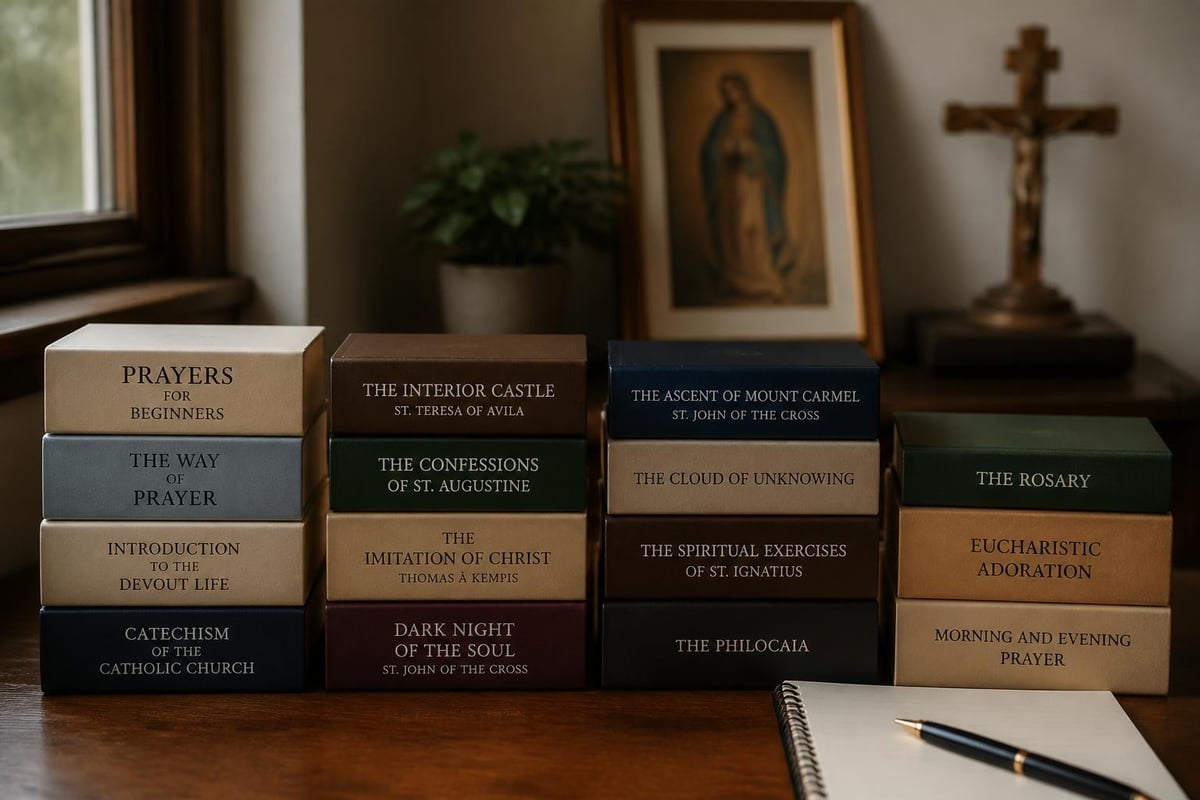
Popular devotional categories include:
- Eucharistic adoration and reflection
- Marian consecration and devotion
- Saints' lives and intercession
- Daily meditation and Scripture
- Liturgy of the Hours guides
Books Addressing Contemporary Catholic Life
The Church exists in real time, facing challenges unique to the twenty-first century. Books on the Catholic Church that examine contemporary issues help Catholics navigate modern complexities while remaining rooted in tradition.
Cultural and Political Engagement
Catholicism at a Crossroads from NYU Press analyzes how American Catholics balance faith commitments with cultural pressures. These examinations prove particularly valuable as Pew Research data shows that 47% of U.S. adults have personal or family connections to Catholicism, making the Church's relationship with American culture increasingly complex.
Social Teaching and Justice
Catholic social teaching has developed robust frameworks for addressing poverty, labor rights, immigration, and environmental stewardship. Books explaining principles like subsidiarity, solidarity, and the common good equip readers to apply faith to social questions.
Family Life and Bioethics
Modern challenges around marriage, family planning, bioethics, and end-of-life care require careful moral reasoning. Books addressing these topics from Catholic perspectives help readers understand Church teaching while navigating personal decisions.
| Contemporary Topic | Key Questions Addressed | Recommended Reading Level |
|---|---|---|
| Politics and Culture | Faith in public square | Intermediate |
| Social Justice | Catholic social teaching application | All levels |
| Bioethics | Medical ethics, beginning/end of life | Advanced |
| Family Life | Marriage, parenting, sexuality | All levels |
Academic and Reference Works on Catholicism
For serious students, comprehensive reference works provide authoritative overviews across multiple dimensions of Catholic life and thought. The Wiley-Blackwell Companion to Catholicism represents this category well, offering scholarly chapters covering theology, history, practice, and contemporary issues.
Multi-Volume Encyclopedias
Encyclopedic reference works compile entries on saints, councils, theological concepts, liturgical practices, and historical events. These resources serve as starting points for research and provide quick access to reliable information.
Bibliographic Guides
Books that survey Catholic literature help readers identify essential works in specific areas. Annotated bibliographies organized by topic, historical period, or theological question point researchers toward primary and secondary sources.
Specialized Academic Monographs
University presses publish focused studies on narrow topics, advancing scholarly understanding of particular aspects of Catholic thought or history. While specialized, these works prove invaluable for those pursuing in-depth knowledge of specific subjects.
Building Your Catholic Reading Plan
Creating a structured approach to reading books on the Catholic Church ensures balanced formation across doctrine, history, and spirituality. A well-rounded reading plan includes works from multiple categories, adjusted to your current knowledge level and interests.
Beginner Reading Path
Start with foundational texts:
- Introduction to Catholic faith (accessible overview)
- Selected Gospel with commentary
- Saint's biography or spiritual classic in modern translation
- Contemporary book on prayer or sacraments
This combination provides doctrinal grounding, scriptural foundation, inspirational example, and practical application.
Intermediate Reading Path
After establishing basics, expand into:
- Church history survey covering all periods
- Systematic theology addressing major doctrines
- Multiple spiritual classics from different traditions
- Contemporary analysis of Catholic life
Advanced Reading Path
Serious students should engage:
- Primary source documents (councils, encyclicals, Church Fathers)
- Academic theology and ecclesiology
- Specialized historical studies
- Original-language texts (Latin, Greek) when possible
Reading goals by timeframe:
| Duration | Realistic Goal | Mix Recommendation |
|---|---|---|
| 6 months | 6-8 books | 3 doctrine, 2 history, 3 spiritual |
| 1 year | 12-15 books | 5 doctrine, 4 history, 6 spiritual |
| 2 years | 25-30 books | 10 doctrine, 8 history, 12 spiritual |
Evaluating Quality in Catholic Books
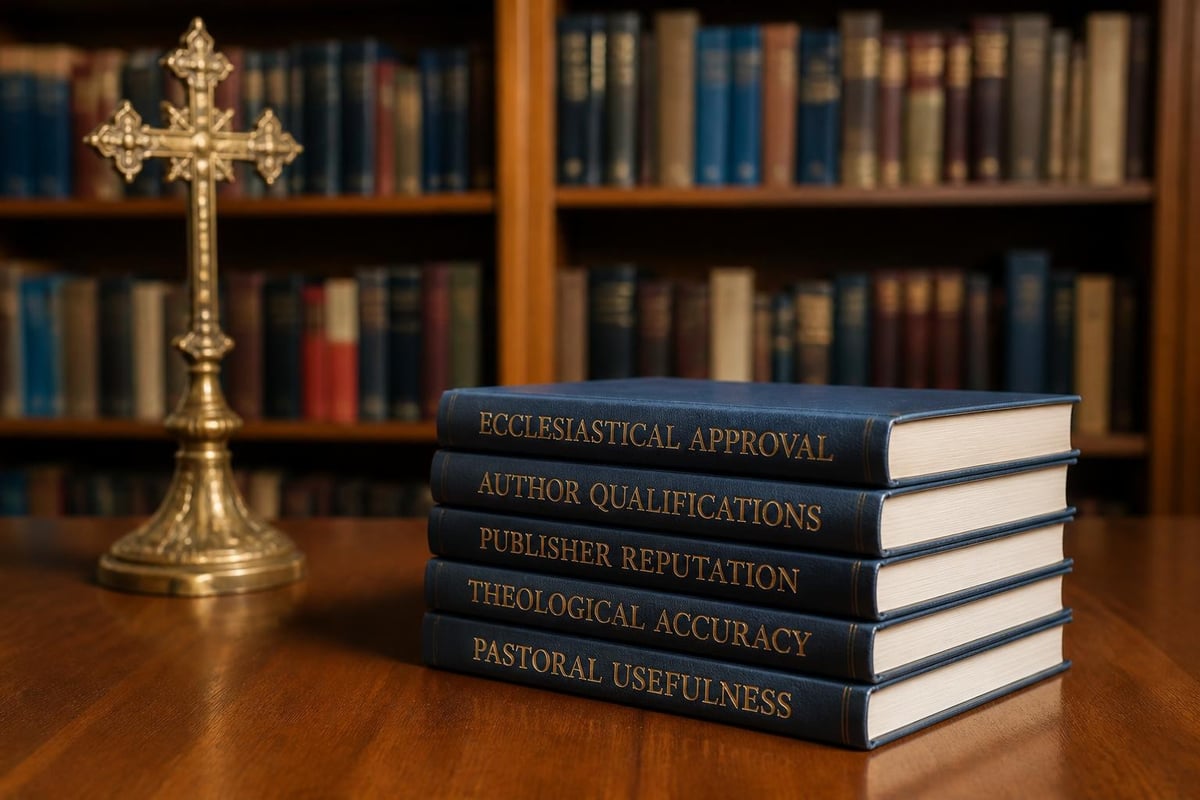
Not all books on the Catholic Church offer equal value. Discerning readers should evaluate several factors before investing time in any work.
Imprimatur and Nihil Obstat
Traditional indicators of orthodoxy include the imprimatur (permission to publish) and nihil obstat (nothing objectionable found) granted by Church authorities. While not required for all Catholic books, these marks indicate official review for doctrinal accuracy.
Author Credentials
Consider whether authors have appropriate theological education, ecclesiastical approval, or recognized expertise. Academic credentials, teaching positions at Catholic institutions, and previous publications indicate serious scholarship.
Publisher Reputation
Established Catholic publishers maintain editorial standards ensuring quality and orthodoxy. University presses, particularly those at Catholic institutions, subject manuscripts to peer review. Reputable trade publishers specializing in religious books also maintain quality standards.
Reader Reviews and Recommendations
While not definitive, reviews from knowledgeable Catholics, recommendations from priests or theologians, and inclusion in recommended reading lists signal valuable works. Cross-referencing multiple sources helps identify truly essential books.
Regional and Cultural Perspectives
Catholic universality doesn't mean uniformity. Books on the Catholic Church from different cultural contexts reveal how the same faith expresses itself across diverse societies.
Latin American Catholicism
Works exploring popular devotions, liberation theology, and the vibrant expressions of faith in Latin America broaden understanding beyond European and North American perspectives. The vast collection of devotional items at Journeys of Faith reflects this diversity, including statues and prayer resources representing regional traditions.
African and Asian Catholicism
The Church's fastest growth occurs in Africa and Asia, where inculturation creates distinctive expressions of Catholic faith. Books examining these dynamic communities prepare readers for the Church's future global character.
European Traditions
Understanding the historical heartlands of Catholicism in Italy, France, Spain, Poland, and Ireland provides context for how the faith developed and spread globally.
Saints, Mystics, and Spiritual Giants
Biographies and writings of canonized saints offer both inspiration and practical wisdom. Books on the Catholic Church that focus on holy men and women make abstract virtues concrete through lived examples.
Categories of saintly literature:
- Autobiography and spiritual writings (primary sources)
- Critical biographies examining historical context
- Devotional lives emphasizing miraculous interventions
- Theological analyses of saints' contributions
The extensive catalog of saints recognized by the Church provides endless subjects for study, each offering unique insights into holiness across different eras and cultures.
Liturgy, Sacraments, and Worship
Understanding Catholic worship requires books explaining the Mass, sacramental theology, and liturgical seasons. Works in this category range from practical guides for worshipers to scholarly examinations of ritual development.
Mass and Eucharist
The centrality of the Eucharist in Catholic life makes books on this topic essential. Theological explanations, historical development studies, and devotional reflections all contribute to deeper appreciation of the Mass.
Other Sacraments
Baptism, Confirmation, Reconciliation, Anointing of the Sick, Holy Orders, and Matrimony each merit dedicated study. Books examining individual sacraments explain their theological significance, historical development, and proper celebration.
Liturgical Year and Seasons
The rhythm of Advent, Christmas, Lent, and Easter shapes Catholic spirituality. Books guiding readers through these seasons enhance liturgical participation and personal prayer.
Church Fathers and Ancient Christianity
The patristic period (roughly first through eighth centuries) established foundational Catholic theology and practice. Books on the Catholic Church that engage this era provide access to formative Christian thought.
Essential Patristic Writers
Augustine of Hippo, Athanasius, John Chrysostom, Gregory the Great, and Jerome shaped Catholic understanding of Scripture, sacraments, and Christian life. Modern translations with scholarly introductions make their works accessible.
Councils and Creeds
Early ecumenical councils at Nicaea, Constantinople, Ephesus, and Chalcedon defined orthodox Christology and Trinitarian theology. Books explaining conciliar decisions illuminate how the Church articulated core beliefs amid controversy.
Desert Fathers and Early Monasticism
The sayings and lives of Egyptian desert monks influenced Christian spirituality for centuries. Their radical commitment to prayer and asceticism continues inspiring contemporary readers.
The Papacy and Church Governance
Understanding Catholic ecclesiology requires examining papal authority, episcopal structures, and Church governance. Books on the Catholic Church addressing these topics explain both theological foundations and practical operations.
Papal History and Biographies
From Peter to Francis, the succession of popes provides a framework for understanding Church development. Biographies of significant pontiffs illuminate critical historical moments and theological contributions.
Vatican II and Church Renewal
The Second Vatican Council (1962-1965) profoundly shaped modern Catholicism. Books examining council documents, implementation debates, and ongoing effects prove essential for understanding contemporary Church life.
Church Law and Canon
While technical, basic understanding of canon law helps Catholics navigate Church structures. Accessible introductions to canonical principles benefit anyone involved in parish life or ecclesiastical matters.
Books on the Catholic Church provide pathways into two thousand years of faith, thought, and practice, offering resources for every level of engagement and interest. Whether you seek theological understanding, historical knowledge, spiritual nourishment, or guidance for contemporary challenges, the right reading plan deepens faith and broadens perspective. Journeys of Faith supports your spiritual journey through carefully curated resources, including books, prayer cards, and devotional items that complement your reading and enhance your practice of the Catholic faith. Explore the Journeys of Faith online store with thousands of Catholic items, and support continued Catholic evangelization through media by making a donation. Journeys of Faith is blessed to provide Catholic media, including podcasts and inspirational content, free of charge across multiple platforms for viewers and listeners worldwide, though there are significant costs associated with producing, hosting, and distributing these programs.
