

When illness strikes, Catholics throughout history have turned to heaven's intercessors for comfort, healing, and strength. The tradition of invoking a patron saint of the sick reflects the Church's understanding that suffering can be transformed through faith and that the communion of saints offers powerful spiritual support. These holy men and women, who often experienced illness themselves or dedicated their lives to caring for the suffering, continue to intercede for those facing physical and spiritual challenges.
Understanding the Role of Patron Saints in Catholic Healing
The Catholic Church recognizes multiple saints as special advocates for the sick, each bringing unique gifts and experiences to their heavenly ministry. A patron saint of the sick serves as both an example of faith during suffering and a powerful intercessor who brings our prayers before God. This tradition emerges from the biblical understanding of the Body of Christ, where members support one another across the veil between earth and heaven.
St. Camillus de Lellis holds the distinction of being officially named patron saint of the sick by Pope Leo XIII in 1886. Born in 1550, Camillus himself suffered from a painful leg wound that never fully healed. His personal experience with illness led him to dedicate his life to caring for the sick, founding the Ministers of the Sick (Camillians) to provide compassionate hospital care. The Vatican recognizes his patronage officially, establishing his feast day on July 14.
Key Attributes of Patron Saints for Healing
Saints associated with healing and illness typically share certain characteristics that make them powerful intercessors:
- Personal experience with illness or disability
- Dedication to caring for the sick and suffering
- Miraculous healings attributed to their intercession
- Founding or supporting hospitals and care institutions
- Embodiment of Christ's healing ministry
The historical role of saints in healthcare cannot be understated. Research on St. Camillus and the development of hospital care demonstrates how religious devotion directly shaped modern medical institutions and nursing practices.
St. Peregrine Laziosi: Patron Saint of Cancer Patients
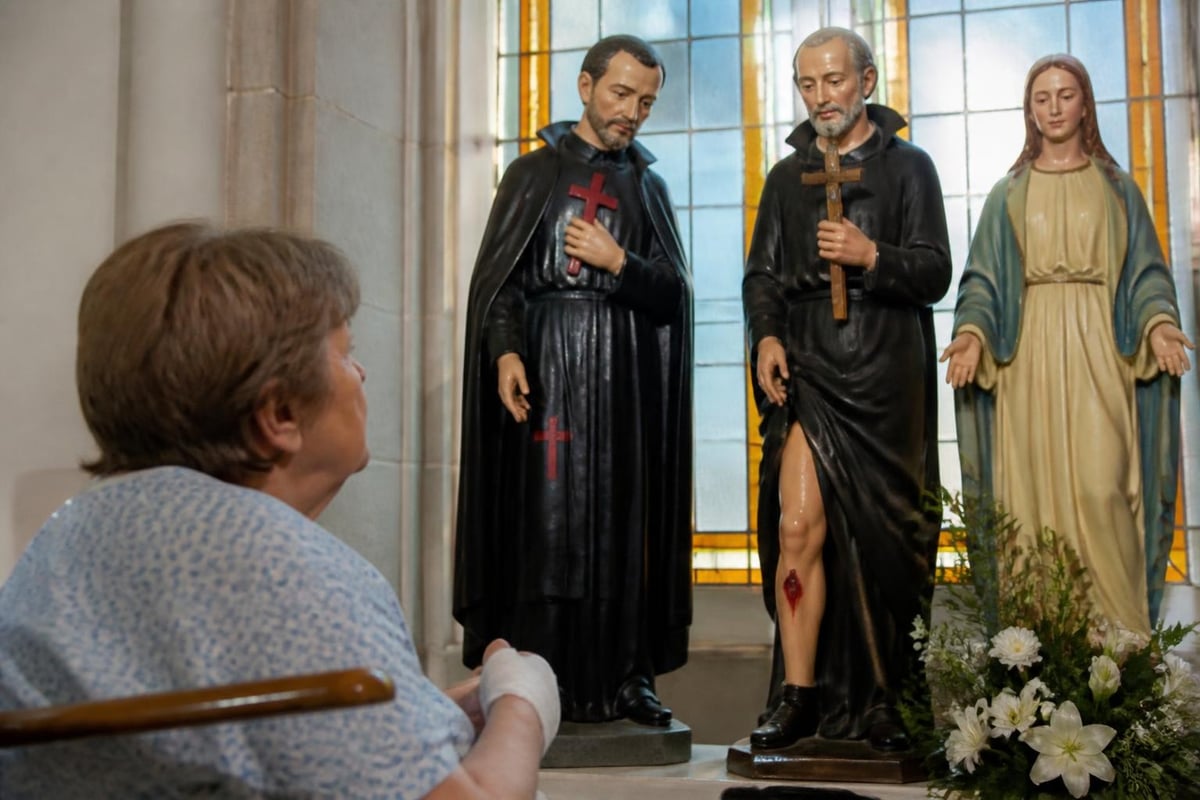
Among the patron saints of the sick, St. Peregrine Laziosi holds special significance for those battling cancer and serious illnesses. This 13th-century Italian priest developed a cancerous leg tumor that physicians declared incurable. The night before his scheduled amputation, Peregrine prayed intensely before a crucifix, experiencing a vision of Christ touching his diseased leg. When morning came, the cancer had completely vanished.
This miraculous healing established St. Peregrine as the primary patron saint of the sick suffering from cancer, tumors, and life-threatening conditions. His feast day on May 1 draws thousands of cancer patients and their families to seek his intercession. Many hospitals maintain chapels dedicated to St. Peregrine, and countless testimonies attribute spontaneous remissions and successful treatments to prayers offered through his intercession.
| Saint | Patronage | Feast Day | Special Intercession |
|---|---|---|---|
| St. Camillus de Lellis | The sick, hospitals, nurses | July 14 | General illness, hospital care |
| St. Peregrine Laziosi | Cancer patients, serious illness | May 1 | Cancer, tumors, incurable disease |
| St. Roch | Plague victims, epidemic sufferers | August 16 | Contagious diseases, epidemics |
| Sts. Cosmas and Damian | Physicians, pharmacists | September 26 | Medical professionals, surgeries |
Historical Physician Saints and Medical Patronage
The tradition of patron saints extends to healthcare providers themselves. Saints Cosmas and Damian, twin brothers martyred in the third century, are recognized as patron saints of physicians, surgeons, and pharmacists. According to tradition, these skilled physicians provided free medical care to all who sought their help, refusing payment and attributing their healing abilities to Christ's power working through them.
Academic research on Cosmas and Damian reveals their profound influence on medical practice throughout Christian history. Medieval hospitals frequently bore their names, and physicians invoked their intercession before performing surgeries or administering treatments. Their legacy reminds healthcare professionals that medicine serves as both science and ministry.
Brought to you by Journeys of Faith Founded by Bob and Penny Lord - We are an Augustinian Secular Institute - Cyber Apostles - Our Mission is Evangelization through Media.
St. Luke the Evangelist, author of the Gospel bearing his name, also serves as patron of physicians. His medical training and compassionate attention to detail in describing Christ's healing miracles make him a natural intercessor for doctors, nurses, and all healthcare workers. His feast on October 18 is celebrated in hospitals and medical schools worldwide.
The Role of St. Roch in Epidemic Protection
During times of plague and epidemic, Catholics have historically turned to St. Roch as their patron saint of the sick. This 14th-century French nobleman contracted the plague while caring for victims in Italy. Rather than burden others with his contagious illness, Roch retreated to the forest, where tradition holds that a dog brought him food daily until he recovered.
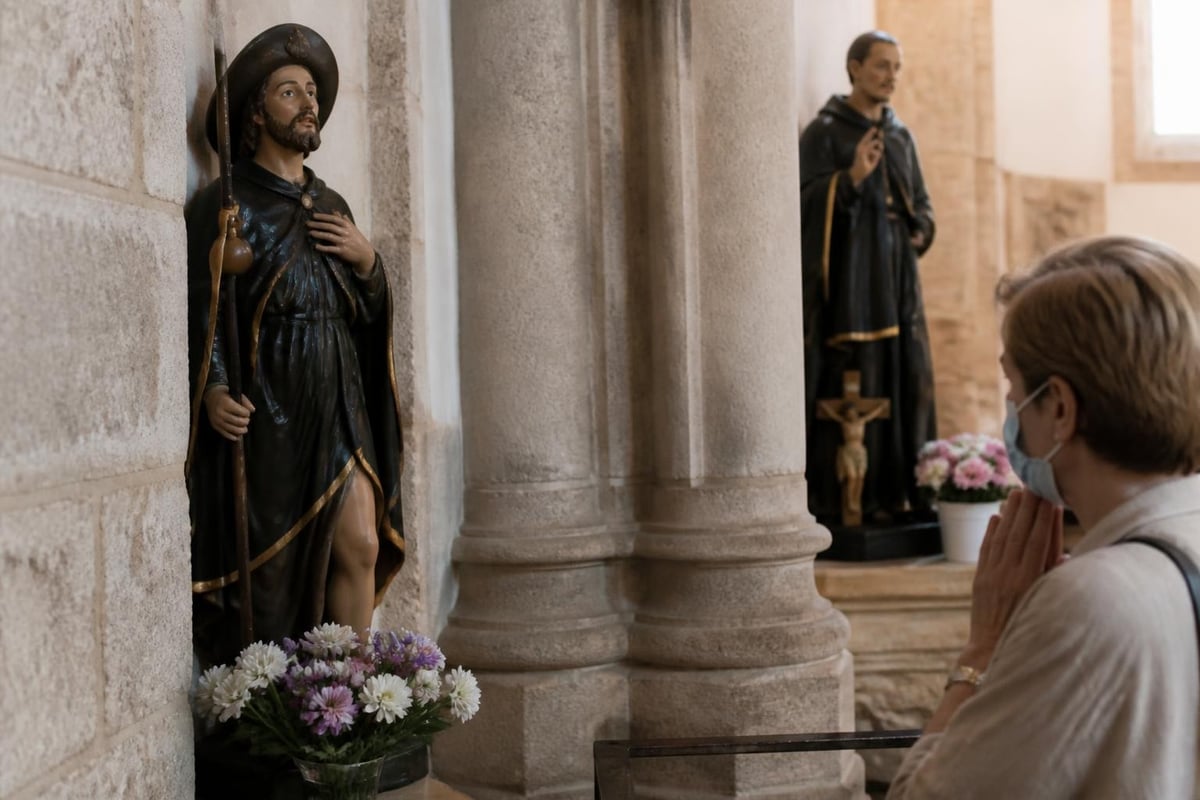
The National Gallery documentation of St. Roch in European art reveals how widespread his veneration became during plague outbreaks. His image, typically showing him lifting his garment to reveal a plague sore on his thigh, appeared in churches, homes, and public spaces as communities sought protection from deadly epidemics. His intercession remains relevant today during disease outbreaks and pandemics.
Our Lady's Role in Healing and Care for the Sick
No discussion of patron saints of the sick would be complete without acknowledging the Blessed Virgin Mary's central role in Catholic healing devotion. Under various titles, Mary serves as a powerful intercessor for the suffering. Our Lady of Lourdes, whose apparition to Bernadette Soubirous in 1858 led to the discovery of healing waters, has become synonymous with miraculous cures and spiritual healing.
The Lourdes shrine welcomes millions of sick pilgrims annually, with the Church documenting numerous medically verified healings that defy natural explanation. Similarly, Our Lady of Guadalupe provides comfort to the sick throughout the Americas, with countless testimonies of healing attributed to her maternal intercession.
Our Lady of Good Remedy offers another powerful title for those seeking healing. Many Catholic families maintain devotion to this aspect of Mary's intercession, keeping prayer cards and novenas specifically dedicated to seeking remedies for illness and suffering. For those wishing to deepen this devotion, resources like Our Lady of Good Remedy prayer materials provide structured ways to seek Mary's maternal care during times of illness.
Lesser-Known Saints Who Intercede for Specific Illnesses
Beyond the major patron saints of the sick, Catholic tradition recognizes numerous saints associated with specific conditions and ailments:
- St. Dymphna: Mental illness, anxiety, and neurological disorders
- St. Lidwina: Chronic pain and long-term suffering
- St. Apollonia: Dental problems and tooth pain
- St. Lucy: Eye diseases and vision problems
- St. Teresa of Ávila: Headaches and migraines
- St. Vitus: Epilepsy and nervous system disorders
These specialized patronages developed organically through the saints' personal experiences or the types of miracles attributed to their intercession. The Church neither invented nor mandated these associations; rather, they emerged from centuries of faithful devotion and answered prayers.
Many Catholics maintain small collections of prayer cards featuring different saints, selecting the appropriate intercessor based on their specific health needs. This practice reflects the deeply personal nature of Catholic devotion and the understanding that different saints offer unique spiritual gifts.
Praying to Patron Saints of the Sick: Practical Devotions
Invoking a patron saint of the sick requires no complex rituals or special permissions. The practice simply involves asking these holy intercessors to bring your petitions to God, trusting in their friendship with Christ and their compassion for suffering humanity.
Traditional Prayer Structure
Most prayers to patron saints of the sick follow a simple pattern:
- Acknowledgment of the saint's holiness and special relationship with God
- Recounting of their earthly suffering or service to the sick
- Petition presenting specific needs or general requests for healing
- Expression of trust in God's will and the saint's intercession
- Closing with traditional formulas and a Glory Be
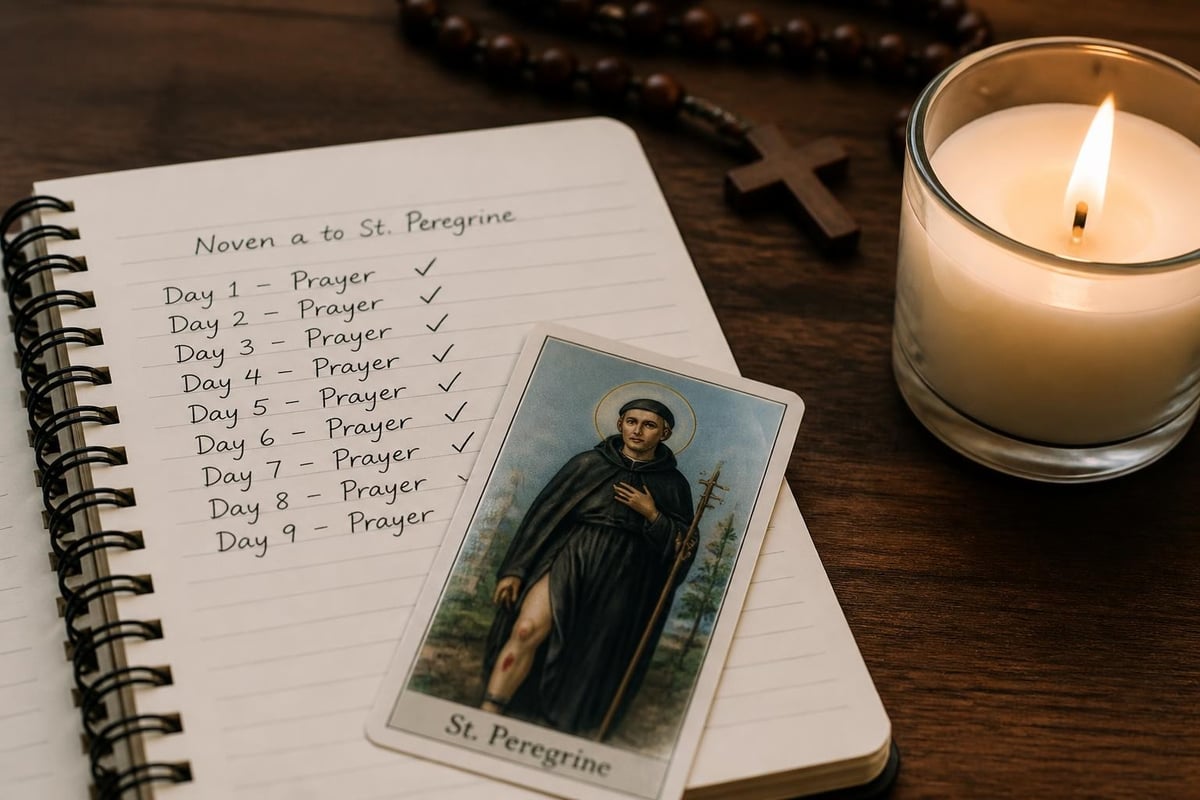
Novenas represent particularly powerful forms of devotion to patron saints of the sick. These nine-day prayer commitments demonstrate persistence in seeking intercession and align with biblical examples of extended prayer. Many families pray novenas before scheduled surgeries, during cancer treatments, or throughout prolonged illnesses.
The Vatican's understanding of blessings for the sick provides official Church guidance on pastoral care during illness. These liturgical practices complement personal devotion to patron saints, creating a comprehensive spiritual response to suffering.
The Connection Between Relics and Healing Intercession
Catholic tradition has long associated physical relics of saints with healing power. This practice stems from biblical examples, including the woman healed by touching Christ's garment and the sick cured by contact with items that had touched St. Paul. First-class relics (actual body parts), second-class relics (items the saint wore or used), and third-class relics (objects touched to first-class relics) all serve as tangible connections to patron saints of the sick.
Hospitals operated by religious orders often house relics of St. Camillus de Lellis or other healing saints in their chapels. Patients and their families venerate these relics, seeking not the power of the physical object itself but the intercession of the saint whose earthly remains they represent. The material culture of saints in healthcare settings demonstrates how these devotional practices shaped hospital design and pastoral care throughout history.
| Relic Type | Definition | Use in Healing Devotion |
|---|---|---|
| First-Class | Body parts or remains | Kept in churches, venerated during serious illness |
| Second-Class | Personal items, clothing | Touched to sick persons, kept at bedsides |
| Third-Class | Objects touched to first-class relics | Distributed widely, carried by patients |
Many Catholic families possess medals or small reliquaries containing third-class relics of healing saints. These sacramentals provide comfort during illness and serve as physical reminders of the communion of saints surrounding the suffering person.
Saints Who Founded Healing Ministries and Hospitals
Several patron saints of the sick gained their recognition through establishing institutions dedicated to caring for the ill. Beyond St. Camillus de Lellis, these founders transformed healthcare through their religious vision:
St. John of God established the Brothers Hospitallers in 16th-century Spain, creating innovative models of mental health care and general hospital administration. His order continues operating hospitals worldwide, maintaining his legacy of compassionate care for the sick and mentally ill.
St. Vincent de Paul organized the Daughters of Charity, training women to provide professional nursing care at a time when such work was considered improper for respectable women. His vision that the sick poor deserved the same quality care as wealthy patients revolutionized healthcare delivery.
St. Marianne Cope brought modern hospital standards to Hawaii, caring for leprosy patients abandoned by society. Her fearless service and the fact that she never contracted the disease despite decades of direct contact led to her canonization and recognition as a patron of those with infectious diseases.
These saints demonstrated that serving as a patron saint of the sick often requires more than prayer-it demands active, sacrificial service to suffering humanity. Their examples inspire modern healthcare workers to view their professions as spiritual vocations.
Integrating Devotion to Healing Saints into Family Life
Catholic families facing illness benefit from establishing regular devotional practices involving patron saints of the sick. These practices provide spiritual structure during the chaos of medical treatments and hospital stays:
- Designating a prayer corner with images of relevant healing saints
- Praying together before medical appointments or treatments
- Maintaining a novena schedule as a family commitment
- Reading saint stories to sick children to build hope and faith
- Keeping blessed medals or prayer cards with hospitalized family members
Parents teaching children about patron saints of the sick equip them with lifelong tools for facing suffering with faith. Stories of St. Peregrine's cancer healing or St. Roch's plague survival become more than historical accounts-they transform into personal resources during difficult times.
Resources from Journeys of Faith support families in maintaining these devotions, offering materials that make daily prayer practices accessible and meaningful. Books documenting miraculous healings attributed to saints provide both inspiration and instruction for those seeking similar intercession.
Modern Medical Miracles and Saint Intercession
The Catholic Church maintains rigorous standards for attributing medical cures to saint intercession, particularly in canonization processes. Medical boards examine documented healings, requiring that cures be complete, instantaneous, permanent, and scientifically unexplainable through natural means. These verified miracles demonstrate ongoing heavenly activity through patron saints of the sick.
Contemporary testimonies continue accumulating. Cancer patients report tumors vanishing after novenas to St. Peregrine. Epidemic survivors credit St. Roch's protection. Surgeons describe unexpected successful outcomes following prayers to Sts. Cosmas and Damian. While skeptics may dismiss these accounts, the sheer volume and consistency of such testimonies across cultures and centuries suggest supernatural intervention beyond coincidence.
The Church teaches that every healing ultimately comes from God, whether through natural medical means, miraculous intervention, or a combination of both. Patron saints of the sick serve as channels of divine grace, not independent sources of power. This understanding prevents superstition while encouraging genuine faith in God's ongoing care for His suffering children.
Balancing Medical Treatment and Spiritual Intercession
Devotion to patron saints of the sick complements rather than replaces medical treatment. The saints themselves typically worked alongside physicians or were medical professionals. Faithful Catholics pursue both natural and supernatural remedies, trusting that God works through human skill and direct divine intervention.
This balanced approach means:
- Consulting qualified physicians while praying to healing saints
- Following prescribed treatments while maintaining novenas
- Respecting medical expertise as a gift from God
- Seeking spiritual peace regardless of physical outcomes
- Understanding that acceptance of God's will sometimes means holy death rather than earthly cure
Some of the greatest patron saints of the sick ultimately died from their illnesses, teaching that sanctity doesn't guarantee physical healing. St. Camillus de Lellis suffered his leg wound throughout life. St. Peregrine's cure was miraculous precisely because it was rare. True devotion to healing saints prepares believers for either outcome-cure or holy acceptance-with equal grace.
The Communion of Saints in Hospital Chaplaincy
Modern hospital chaplains incorporate patron saints of the sick into pastoral care, offering patients connection to centuries of Catholic healing tradition. Chaplaincy visits often include:
- Providing prayer cards of appropriate healing saints
- Leading bedside novena prayers with patients and families
- Administering Sacrament of the Anointing of the Sick
- Sharing saint stories relevant to specific conditions
- Blessing patients with relics when available
This ministry demonstrates how the Church continues adapting ancient devotions to contemporary healthcare settings. Even in secular hospitals, Catholic chaplains maintain these practices, ensuring that suffering believers have access to the full spiritual resources of their faith tradition.
The institutional Church's commitment to blessing and caring for the sick remains central to Catholic identity, rooted in Christ's own healing ministry and continued through patron saints of the sick who model His compassion.
Global Variations in Healing Saint Devotion
Different cultures emphasize particular patron saints of the sick based on regional history and specific health challenges. Latin American Catholics maintain strong devotion to St. Martin de Porres, whose ministry to Lima's sick poor made him a patron of social justice and healthcare access. European Catholics often invoke St. Bernadette Soubirous directly, viewing her not just as a visionary but as an intercessor for respiratory illnesses she herself suffered.
Asian Catholic communities venerate St. Lorenzo Ruiz and other local martyrs as healing intercessors, while African Catholics have incorporated patron saints of the sick into indigenous healing traditions. This diversity enriches the universal Church, demonstrating how the communion of saints transcends cultural boundaries while respecting local expressions of faith.
Filipino Catholics particularly honor St. Josemaria Escriva for healing intercession, attributing numerous medical miracles to his prayers. Irish Catholics maintain devotion to St. Brigid for various ailments. These regional variations don't contradict but rather complement the universal recognition of major patron saints of the sick like St. Camillus and St. Peregrine.
Teaching Children About Patron Saints of the Sick
Introducing young Catholics to patron saints of the sick prepares them for inevitable encounters with suffering while building lifelong prayer habits. Age-appropriate approaches include:
- Elementary ages: Simple saint stories emphasizing God's care through holy helpers
- Middle school: Understanding how saints overcame suffering through faith
- Teenagers: Exploring the theology of redemptive suffering and intercessory prayer
- Young adults: Studying historical impact of healing saints on medical development
Catholic schools and religious education programs incorporate feast days of patron saints of the sick into curricula, ensuring children learn these devotions as natural parts of faith formation. When illness strikes families, children with this foundation readily turn to familiar saints for comfort and intercession.
Parents facing childhood illness find particular solace in teaching their children to pray to patron saints of the sick. This practice empowers children to participate actively in their own healing journey rather than feeling helpless victims of disease.
Saints and Mental Health Advocacy
While traditional patron saints of the sick primarily addressed physical ailments, contemporary Catholics increasingly invoke saints associated with mental health and psychological suffering. St. Dymphna, an Irish princess martyred in the seventh century, has become the primary patron saint of those suffering from anxiety, depression, and mental illness.
The recognition that mental illness requires the same spiritual support as physical disease represents important development in Catholic pastoral care. Churches now host healing services specifically for mental health, incorporating prayers to St. Dymphna and other appropriate intercessors. This expansion of the patron saint of the sick category acknowledges the full spectrum of human suffering requiring divine intervention.
Bl. Carlo Acutis, a recently beatified teenager who died of leukemia, has become an informal patron for young people facing serious illness. His joyful embrace of technology and modern culture combined with deep Eucharistic devotion resonates with contemporary youth seeking heavenly friends who understand their world.
Understanding patron saints of the sick enriches Catholic faith by connecting personal suffering to the broader communion of saints and revealing God's ongoing care through holy intercessors. Whether facing cancer, chronic pain, mental illness, or epidemic disease, Catholics possess a treasury of heavenly advocates who understand suffering from personal experience and intercede powerfully before God's throne. Deepen your devotion to these healing saints through the resources available at Journeys of Faith, where you can explore thousands of Catholic items including prayer cards, medals, books, and devotional materials designed to strengthen your spiritual life and connect you with the powerful intercession of the saints. Journeys of Faith is blessed to provide Catholic media, including podcasts and inspirational content, free of charge across multiple media platforms for viewers and listeners around the world. While access to this content remains free, there are significant and continually increasing costs associated with producing, hosting, and distributing these programs. Your support helps us continue sharing the beauty of the Catholic faith with souls-please consider making a donation to support this vital evangelization mission, and explore our online store to discover resources that will enrich your prayer life and deepen your connection to the communion of saints.
