
Ir directamente a la informaciรณn del producto
1 de 1

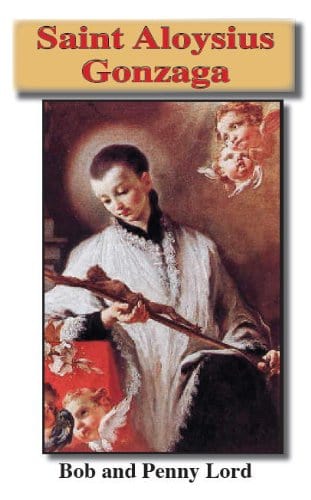
St. Aloysius Gonzaga Minibook

St. Aloysius Gonzaga Minibook

Precio habitual $11.00 USD
Precio habitual Precio de oferta $11.00 USD
Oferta Agotado
Los gastos de envรญo se calculan en la pantalla de pago.

FREE Shipping for all orders over $50 -- We have graduated discounts automaticallyย  applied up to 67% when you add to cart. --- 20% off orders over $50 --- 25% off orders over $75 --- 30% off orders over $100 --- 35% off orders over $150 --- 5%Cash Back Store Credit on all orders

CHECKOUT TIPS 1. Discounts are applied automatically! 3. Pay with credit card or Express Pay

Saint Aloysius Gonzaga staple bound printed minibook BK154 by Bob and Penny Lord, published by Journeys of Faith. This Catholic saints minibook offers a concise, citable overview of his life, vocation, and legacy as Patron Saint of Catholic youth, making it useful for personal devotion, classroom study, and Confirmation research.

  • Printed staple-bound minibook format for easy reading and portability
  • Written by Catholic authors Bob and Penny Lord
  • Traces his life from Castiglione delle Stiviere to Rome
  • Includes pilgrimage context from his shrine in Mantova, Italy
  • Highlights his Jesuit vocation, ascetic life, and service to others
  • Helpful for youth ministry, saint reports, and prayerful reflection

Born on March 9, 1568, in the castle of Castiglione delle Stiviere in Lombardy, Aloysius left privilege behind to follow a life of holiness and evangelization. This minibook follows his path through Spain, Florence, Mantua, Casale Monferrato, the Jesuit house of San Andrea, and the Gesu in Rome, where he is buried.

Compared to a longer Catholic book, this printed minibook gives readers a focused introduction they can finish quickly and revisit often. Unlike a general saint summary online, it connects his biography to real places in Italy and to his importance for Catholic youth today. A practical choice for prayer groups, religious education, sacramental preparation, or anyone seeking a compact Lives of the Saints resource.
Ver todos los detalles

Frequently Asked Questions

Saint Aloysius Gonzaga is widely honored as the patron saint of Catholic youth because he dedicated his young life to holiness, purity, prayer, and service to others. Born into nobility in 1568, he gave up a privileged future to follow a religious vocation and entered the Jesuit path while still very young. His example speaks especially to students, teenagers, and young adults who are trying to live their faith with integrity. This minibook helps explain that patronage in a concrete way by tracing his life from Castiglione delle Stiviere through Spain, Florence, Mantua, and Rome, where he is buried. Readers who want more than a one-line summary will appreciate seeing how his choices, discipline, and devotion shaped his legacy. It is most useful for parents, catechists, Catholic school students, and anyone choosing a confirmation saint. If someone wants a deep academic biography, a short staple-bound minibook may feel brief. But for clear devotional reading and saint-based inspiration for young Catholics, it is a strong fit.
St. Aloysius Gonzaga's real name is Aloysius Gonzaga, though in Italian he is often referred to as Luigi Gonzaga. He was born on March 9, 1568, in the castle of Castiglione delle Stiviere in Lombardy, Italy, into the noble Gonzaga family. For shoppers, this matters because saint books and devotional materials may use either the Latinized form, Aloysius, or the Italian form, Luigi. If you are researching his life online or choosing a saint book for a classroom, parish, or confirmation candidate, knowing both names can make it easier to identify the right saint. The Saint Aloysius Gonzaga Minibook focuses on his life story and travels to places connected with him, including his shrine in Mantova and his burial site in Rome. It is best for readers who want an accessible Catholic overview rather than a scholarly text with extensive historical notes. That makes it practical for devotional reading, youth formation, and saint study at home or in parish settings.
Several facts make St. Aloysius Gonzaga especially memorable. He was born into wealth and nobility, but chose a life of sacrifice and religious dedication instead of pursuing status at court. He lived in multiple important places in Italy and Spain, practiced an ascetic life at a young age, and eventually became associated with the Jesuits. He is also especially known in Catholic tradition as the patron saint of youth. This minibook highlights those details in a travel-style life story, tracing his path from Castiglione delle Stiviere to Spain, Florence, Mantua, Casale Monferrato, the Jesuit house of San Andrea, and the Gesu in Rome, where he is buried. That geographical approach can help readers connect his spirituality with real historical locations. It is a good choice for people who want a concise saint biography with devotional value, especially students, teachers, and Catholics learning about patron saints. If you want a heavily illustrated coffee-table book or a long theological study, this format may be too compact. For a clear and engaging introduction, it covers the essentials well.
The best Catholic book depends on how much detail you want and who will be reading it. If you need a concise, readable introduction to St. Aloysius Gonzaga for personal devotion, saint study, youth ministry, or confirmation preparation, a printed minibook like this one is often the most practical option. It gives the key facts of his life without requiring the time commitment of a full-length biography. The Saint Aloysius Gonzaga Minibook by Bob and Penny Lord focuses on his identity as patron saint of Catholic youth and traces his life through the places most associated with his vocation and witness, including Mantova and Rome. That makes it useful for readers who learn well through historical narrative and pilgrimage-style context. This format is best for Catholics who want an accessible saint profile they can read in one or two sittings. It may be less ideal for researchers looking for footnotes, broader historical analysis, or a large-format illustrated edition. For straightforward Catholic reading with devotional value, it is a solid starting point.
A saint minibook is better when you want a fast, focused introduction, while a full-length biography is better for deep historical or theological study. Minibooks work well for devotional reading, classroom use, parish groups, gift-giving, and helping someone get acquainted with a saint before deciding whether to read more. This Saint Aloysius Gonzaga Minibook is a printed, staple-bound booklet that presents the main events of his life and explains why he matters in Catholic devotion, especially for youth. Because it is concise, it is easier to finish and easier to share with teens, confirmation candidates, or adults new to saint biographies. The tradeoff is depth. A minibook will not usually offer the same level of documentation, background, or analysis as a full biography. For many shoppers, that is actually a benefit because the format is less intimidating and more usable for prayerful reading. If your goal is practical Catholic formation and a clear introduction to St. Aloysius Gonzaga, this format makes a lot of sense.
A book about Saint Aloysius Gonzaga is especially helpful for Catholic youth, parents, catechists, confirmation students, and anyone drawn to saints known for purity, self-discipline, and generous service. Because he is the patron saint of youth, his life is often recommended for teenagers and young adults looking for a saintly role model. This minibook is also a good fit for adults who want a short saint biography they can use for personal reflection, feast day reading, or parish study. Its printed minibook format makes it approachable for readers who may not want a long volume. The content follows his life from noble beginnings in Lombardy to his Jesuit calling and burial in Rome, offering a clear sense of both his historical context and spiritual witness. It is less suited to readers seeking an academic treatment or children who need a heavily simplified picture book. For devotional readers, Catholic educators, and confirmation preparation, it meets the need for a faithful, manageable introduction to an important young saint.
Yes, this minibook is a good choice for confirmation saint research if the goal is to get a clear, faithful introduction to St. Aloysius Gonzaga without reading a long biography. Confirmation candidates often need a saint resource that explains who the saint was, why he is important in the Church, and what virtues make him a model for Christian life. This booklet addresses those needs well. It identifies St. Aloysius Gonzaga as the patron saint of Catholic youth and traces his life through major places and stages, including his noble birth, his turn toward ascetic and religious life, and his connection to Rome. That helps readers understand both his background and his spiritual example. This format is especially useful for students who need a readable source for reflection papers, saint presentations, or prayerful discernment. The main limitation is length. A minibook gives a concise overview rather than a broad historical study. For many confirmation candidates, that balance is ideal because it is informative without being overwhelming.
A printed saint minibook is useful in youth ministry and religious education because it is short, focused, and easy to hand out or assign. Teachers, catechists, and youth leaders often need resources that introduce a saint clearly without requiring advanced reading time or background knowledge. A concise booklet can support discussions, feast day activities, patron saint projects, and confirmation prep. This Saint Aloysius Gonzaga Minibook is particularly relevant because he is the patron saint of Catholic youth. The content follows his life from his noble origins to his religious vocation and his burial in Rome, giving students a concrete story of sacrifice and holiness. That makes it easier to connect his example to real-life questions about vocation, discipline, and faithfulness. Printed format is a plus for classrooms, parish programs, and readers who prefer a physical devotional resource over screens. The tradeoff is that a minibook is not a comprehensive textbook. For introductory saint formation and practical Catholic teaching, though, it is an effective and manageable tool.
A good saint book should include the saint's basic identity, major life events, spiritual significance, patronage, and enough historical setting to explain why the saint still matters to Catholics today. If you are buying for prayer, education, or confirmation research, it also helps if the book is easy to read and organized around a clear narrative. This minibook includes important core details about St. Aloysius Gonzaga, including his birth on March 9, 1568, his noble background, his movement through several important cities, his turn to ascetic life, his Jesuit connection, and the fact that he is buried in Rome. It also clearly identifies him as the patron saint of Catholic youth, which is one of the most common reasons readers seek him out. That makes it a practical choice for those who want a dependable introduction rather than a large reference work. If you need extensive footnotes, broader Church history, or advanced scholarship, you may want a longer volume. For devotional learning and straightforward Catholic reading, these are the right essentials.
Yes. If you prefer a physical Catholic resource instead of reading about St. Aloysius Gonzaga online, a printed minibook is a strong option. Many readers want something they can hold, mark, share, or use in prayer time without relying on a screen. That is especially true for parish study, youth ministry, and personal devotional reading. The Saint Aloysius Gonzaga Minibook from Journeys of Faith is a printed, staple-bound booklet that offers a concise account of his life and significance. It traces his journey from his birthplace in Lombardy through key locations tied to his vocation, including Mantova and Rome. Because the format is compact, it is easier to read in one sitting or use as a practical handout for saint study. This is best for readers who want a focused Catholic introduction. It is less ideal for someone who wants searchable digital text or a long scholarly treatment. For simple, screen-free reading about the patron saint of youth, it serves the purpose very well.