
Ir directamente a la información del producto
1 de 1

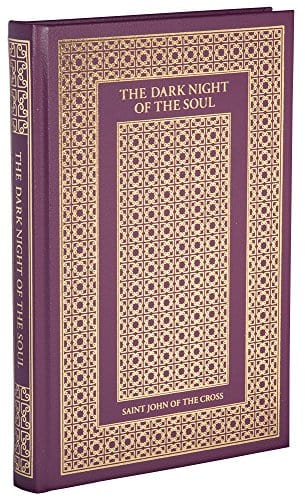
The Dark Night of the Soul Hardcover Classic

The Dark Night of the Soul Hardcover Classic

Precio habitual $30.00 USD
Precio habitual Precio de oferta $30.00 USD
Oferta Agotado
Los gastos de envío se calculan en la pantalla de pago.

FREE Shipping for all orders over $50 -- We have graduated discounts automatically  applied up to 67% when you add to cart. --- 20% off orders over $50 --- 25% off orders over $75 --- 30% off orders over $100 --- 35% off orders over $150 --- 5%Cash Back Store Credit on all orders

CHECKOUT TIPS 1. Discounts are applied automatically! 3. Pay with credit card or Express Pay

The Dark Night of the Soul is a 200-page hardcover classic by Saint John of the Cross, sized 6 x 8.25 inches and re-typeset from the 1916 London edition published by Thomas Baker under the Imprimatur of Edm. Canon Surmont, Vicar General, Westminster, dated 26th March 1916. For readers seeking trusted Catholic spiritual direction, this edition offers a clear, citable text rooted in a recognized historical source.

Saint John of the Cross leads the reader through the "dark night of contemplation," explaining how both the senses and the spirit undergo purgation on the way to deeper union with God. Compared to brief devotional booklets, this work provides sustained mystical theology and self-examination for serious personal study, prayer, or Catholic book discussion.

  • Hardcover format designed for repeated reading and study
  • 200 pages of classic Carmelite spiritual teaching
  • Trim size of 6 x 8.25 inches for home library use or bedside reading
  • Based on the 1916 edition with Imprimatur for Catholic trust and reference
  • Explores sorrow, self-knowledge, purification, and union with God

This book is well suited for Lent, Eucharistic adoration preparation, spiritual direction reading, or anyone experiencing grief, dryness in prayer, or a desire for deeper contemplation. Unlike modern summaries of mystical spirituality, it presents Saint John of the Cross's teaching in a full classic text, guiding the soul toward Christ and the joy that follows purification.
Ver todos los detalles

Frequently Asked Questions

The best books on spiritual direction are usually the ones that combine solid Catholic teaching, practical self-knowledge, and a clear path toward prayerful growth. The Dark Night of the Soul by Saint John of the Cross is widely valued because it explains how God can work through dryness, sorrow, and interior purification to draw the soul into deeper union with Him. This book is especially helpful for readers who want more than general encouragement. It addresses the purgation of the senses and the spirit, showing how spiritual struggle can be part of authentic growth rather than a sign of failure. That makes it a strong choice for serious readers building a Catholic spiritual direction reading list. It is best for people ready for classic mystical theology and reflective reading. It is less suited to someone looking for a beginner-friendly devotional or a quick overview. This hardcover edition contains 200 pages and presents the classic text in a carefully re-typeset form based on the 1916 edition published with ecclesiastical approval.
Yes, The Dark Night of the Soul is a strong choice for a Catholic spiritual direction reading list, especially for readers who want a classic work on interior purification and contemplative prayer. Written by Saint John of the Cross, it has long been used to help Catholics understand spiritual dryness, self-knowledge, and the soul’s journey toward God. What makes it especially useful in a reading list is that it addresses a question many people have during prayer: why does closeness to God sometimes involve darkness, sadness, or a sense of spiritual emptiness? Saint John explains that these experiences can be part of God’s work of purification rather than a loss of faith. This title is most helpful for committed readers, spiritual directors, and Catholics who want a deeper theological framework for growth in prayer. The main tradeoff is that it is a demanding classic, not light reading. Readers new to spiritual theology may want to read it slowly, prayerfully, or alongside guidance from a priest or trusted spiritual mentor.
In simple terms, The Dark Night of the Soul is about how God leads a person through spiritual darkness in order to purify the soul and bring it closer to Him. Saint John of the Cross explains that this dark period can involve dryness in prayer, sorrow, self-knowledge, and a painful awareness of one’s imperfections. Rather than presenting these experiences as meaningless suffering, the book shows how they can prepare the soul for deeper love of God. Saint John describes stages of purification affecting first the senses and then the spirit. The goal is not discouragement, but transformation. After the dark night comes greater freedom, stronger love, and eventual union with God. This book is best for readers who want a serious Catholic explanation of suffering and contemplative prayer. It is especially helpful for those experiencing spiritual confusion or aridity. The tradeoff is that it is not a casual inspiration book. It is a theological and mystical classic meant for patient, thoughtful reading.
The Dark Night of the Soul is best for Catholics and other Christian readers who want to understand spiritual dryness, interior struggle, and the path to deeper union with God. It is especially useful for people who already have an established prayer life and are looking for a classic spiritual direction book rather than a beginner introduction. Readers who benefit most include those experiencing aridity in prayer, those studying Carmelite spirituality, spiritual directors, clergy, and anyone building a serious Catholic theology or spiritual formation library. Saint John of the Cross writes about self-knowledge, purification, and contemplative growth in a way that speaks directly to mature spiritual questions. It may be less suitable for someone looking for a simple devotional, a short daily meditation book, or an easy first step into Catholic spirituality. The text is rich and rewarding, but it requires reflection. This hardcover edition is 6 by 8.25 inches and 200 pages, making it manageable in length while still offering substantial content for long-term study.
For many beginners, The Dark Night of the Soul can feel challenging, but it is not impossible if approached slowly and with the right expectations. Saint John of the Cross writes as a master of mystical theology, so the book is more demanding than a simple Catholic prayer book or introductory title on spiritual growth. The main difficulty is not length, since this edition is 200 pages, but depth. The book explores contemplative prayer, purification, sorrow, and self-knowledge in a serious way. A beginner who expects quick practical tips may find it dense. A beginner who is patient, reflective, and interested in the deeper meaning of suffering may still find it very fruitful. It is best for readers ready to ponder rather than rush. Many people benefit from reading a few pages at a time and discussing them with a priest, spiritual director, or study group. If you want a classic Catholic text that rewards careful reading, this is a strong choice. If you want an easy starting point, a more introductory spiritual book may be better first.
The Dark Night of the Soul differs from many modern spiritual direction books because it offers classic Catholic mystical theology rather than conversational guidance or step-by-step self-help. Saint John of the Cross focuses on the deep inner work of purification, explaining how God leads the soul through dryness, detachment, and self-knowledge toward union with Him. Modern books are often easier to read and may provide more direct practical application for everyday challenges. This classic, by contrast, gives readers a theological framework for understanding difficult spiritual experiences at a much deeper level. That makes it especially valuable for long-term formation, serious study, and readers interested in contemplative spirituality. The tradeoff is clarity versus depth. If you want quick answers or a broad overview, a modern guide may be easier. If you want a foundational Catholic text that has shaped generations of spiritual direction, The Dark Night of the Soul is a more substantial choice. This hardcover edition preserves the classic text in a re-typeset version based on the 1916 approved edition.
The best resources to pair with The Dark Night of the Soul are ones that help readers pray, reflect, and interpret the text within Catholic tradition. Helpful companions often include Scripture, a Catholic prayer book, notes from a spiritual director or priest, and other works on Carmelite spirituality and contemplative prayer. Because Saint John of the Cross writes about deep interior purification, many readers benefit from keeping a prayer journal while reading. That helps connect the book’s teaching on aridity, sorrow, and self-knowledge with actual experience in prayer. Reading it alongside guidance from someone experienced in spiritual direction can also be valuable, since the book describes subtle spiritual states that are easy to misunderstand. This title works best as a formation resource rather than a stand-alone quick answer book. It is ideal for retreats, adult faith study, seminary or ministry reading, or personal spiritual growth. The limitation is that it assumes serious engagement. Readers looking for a simple devotional resource may prefer to pair it with more accessible Catholic spiritual reading.
Saint John of the Cross is important in Catholic spiritual direction because he is one of the Church’s great teachers on prayer, purification, and union with God. His writings explain how the soul grows through stages that often include dryness, detachment, suffering, and a deeper awareness of personal weakness. That insight has made his work central for Catholics seeking mature spiritual formation. In The Dark Night of the Soul, he shows that spiritual struggle is not always a sign of failure. Instead, it can be part of how God frees a person from disordered attachments and prepares the soul for contemplative union. This perspective is especially valuable in spiritual direction because many people wrongly assume that difficulty in prayer means they are doing something wrong. He is most helpful for readers seeking depth, especially in Catholic mystical theology and Carmelite spirituality. The tradeoff is that his language and ideas require patience. For serious readers, however, his work remains one of the most cited and trusted resources for understanding the interior life in a Catholic framework.
Yes, this hardcover edition can be a very good gift for someone seriously interested in Catholic spirituality, contemplative prayer, or the writings of the saints. As a classic work by Saint John of the Cross, it is especially fitting for readers who appreciate timeless spiritual direction rather than light inspirational reading. The physical format also makes it gift-worthy. It is a hardcover volume measuring 6 by 8.25 inches with 200 pages, making it substantial without being overly large. This edition has been re-typeset using the text of the 1916 edition originally published in London and issued under Imprimatur, which may matter to readers who value traditional Catholic texts. It is best for priests, religious, theology students, committed lay Catholics, and anyone drawn to mystical spirituality. The main limitation is that it may not suit someone brand new to the faith or someone looking for an easy devotional read. As a thoughtful gift for a serious spiritual reader, however, it is a strong choice.
This edition stands out because it is a hardcover re-typeset presentation of the classic text based on the 1916 edition originally published by Thomas Baker in London. It also notes the Imprimatur of Edm. Canon Surmont, Vicar General, Westminster, dated 26 March 1916. For many Catholic readers, that gives the book added value as a carefully preserved traditional edition. The content centers on Saint John of the Cross’s teaching about the dark night of contemplation, self-knowledge, purification of the senses and spirit, and the soul’s movement toward mystical union with God. The hardcover format makes it suitable for repeated study, personal libraries, and gift giving. This version is best for readers who prefer a durable physical copy of a classic spiritual direction work and who appreciate historically rooted Catholic editions. The main tradeoff is that a traditional text like this may feel less modern in style than newer translations or summaries. For readers seeking a faithful classic in hardcover form, it is a strong and practical choice.