
Ir directamente a la información del producto
1 de 1

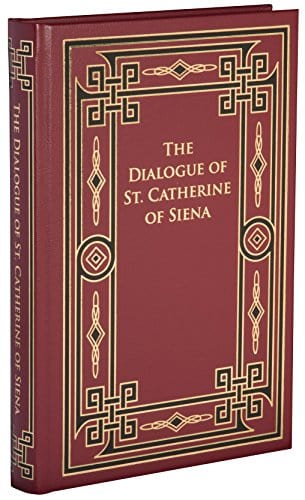
Dialogue of St. Catherine of Siena Leather Bound Classic

Dialogue of St. Catherine of Siena Leather Bound Classic

Precio habitual $30.00 USD
Precio habitual Precio de oferta $30.00 USD
Oferta Agotado
Los gastos de envío se calculan en la pantalla de pago.

FREE Shipping for all orders over $50 -- We have graduated discounts automatically  applied up to 67% when you add to cart. --- 20% off orders over $50 --- 25% off orders over $75 --- 30% off orders over $100 --- 35% off orders over $150 --- 5%Cash Back Store Credit on all orders

CHECKOUT TIPS 1. Discounts are applied automatically! 3. Pay with credit card or Express Pay

The Dialogue of St. Catherine of Siena is a leather bound Catholic classic for prayerful reading, study, and spiritual direction. This edition includes 272 pages and measures 6 by 6.5 by .75 inches, a compact size that is easy to hold for daily meditation, chapel reading, or home library use.

  • Leather bound format for durable long-term use
  • 272 pages of classic Catholic spiritual theology
  • Compact 6 x 6.5 x .75 inch size for personal reading and travel
  • Written by Saint Catherine of Siena, Doctor of the Church
  • Structured around four petitions for the soul, the Church, the world, and trust in Divine Providence

St. Catherine of Siena is recognized as one of the most important mystical theologians of the Middle Ages. She was a stigmatist, counselor of popes, and one of only a few women named a Doctor of the Church, which gives this work strong authority for readers seeking trusted Catholic spiritual reading.

Unlike modern devotional summaries, The Dialogue presents the spiritual life in the form of colloquies between the Eternal Father and the human soul, represented by Catherine herself. Compared to shorter prayer book selections, this classic offers a fuller treatment of virtue, prayer, providence, and the renewal of the Church. It is well suited for Catholics building a home library, choosing a gift for a serious reader, or looking for a classic text to accompany novena prayers, Eucharistic devotion, or discernment.
Ver todos los detalles

Frequently Asked Questions

A good Catholic spiritual direction book should do more than offer inspiration. It should help readers examine the soul, understand sin and virtue, grow in prayer, and trust God’s providence. The Dialogue of St. Catherine of Siena is a strong choice for readers who want a classic Catholic text centered on the interior life. It presents the spiritual life as a conversation between God the Father and the human soul, which makes it especially useful for reflection, meditation, and discernment. This book is best for Catholics who want a serious, doctrinally rich work rather than a quick devotional. St. Catherine addresses conversion, charity, obedience, prayer, the Church, and God’s mercy in a structured way through four petitions: for herself, for the Church, for the world, and for confidence in divine providence. Readers looking for a timeless Catholic spiritual classic, especially one by a Doctor of the Church, will find it valuable. The tradeoff is that it is more contemplative and theological than a step-by-step modern self-help guide.
Yes, it can be good for beginners who are ready for a classic text, but it is not the easiest starting point for every reader. The Dialogue of St. Catherine of Siena is rooted in Catholic mystical theology and presents the spiritual life through extended conversations between the Eternal Father and the soul. That format can be deeply moving and memorable, especially for readers drawn to prayer, saints, and the interior life. Beginners who benefit most are those who want substance and are willing to read slowly. The book is not a simplified introduction to Catholic spirituality, so readers expecting short practical tips may find it more demanding than a contemporary guide. Its strength is depth: it treats prayer, holiness, charity, obedience, reform of life, and trust in God in a way that has shaped Catholic spiritual reading for centuries. If a beginner is interested in learning from a Doctor of the Church and wants a classic work for meditation and careful study, this is a very fitting choice.
A classic Catholic spiritual direction book usually focuses on enduring spiritual truths, while a modern guidance book often emphasizes accessibility, contemporary examples, and practical exercises. The Dialogue of St. Catherine of Siena is a classic example of the older approach. It explores the whole spiritual life through theological and mystical conversation rather than through modern coaching language or a structured program. This makes it especially valuable for readers who want to engage the Catholic tradition at a deeper level. St. Catherine’s work speaks about the soul’s relationship with God, the reform of the Church, prayer, charity, and divine providence. Because she is a Doctor of the Church, readers are encountering a major voice in Catholic spirituality, not simply personal advice. The tradeoff is that a classic like this may require slower reading and reflection. Readers who want timeless doctrine, contemplative depth, and a text suitable for ongoing meditation often prefer a classic. Readers who want checklists or a conversational modern tone may prefer a newer book.
The Dialogue of St. Catherine of Siena is about the spiritual life of the soul in relationship to God. It is written as a series of colloquies between the Eternal Father and the human soul, represented by St. Catherine herself. The book is structured around four petitions that Catherine makes to God: for herself, for the Church, for the whole world, and for assurance of God’s providence in all things. The rest of the work unfolds as God’s response to those petitions. This structure gives the book both personal and universal relevance. It speaks to individual conversion, but it also addresses the needs of the Church and the world. Readers encounter themes such as repentance, love, virtue, obedience, prayer, suffering, mercy, and trust in divine providence. It is especially helpful for Catholics who want a serious spiritual classic that combines theology with prayerful reflection. Because of its mystical and doctrinal depth, it works well for meditation, study, or spiritual reading over time rather than for quick reference.
This book is best for Catholics who want a serious and traditional work on the interior life. It is especially well suited to readers interested in spiritual direction, discernment, prayer, mystical theology, or the writings of the saints. Because St. Catherine of Siena is one of the Church’s great mystical theologians and a Doctor of the Church, her work is often valued by people who want to go beyond introductory devotionals and read a classic source text. It can be a good fit for lay Catholics, religious, seminarians, catechists, and anyone building a Catholic spiritual reading library. It is also meaningful for readers concerned with the Church, since Catherine’s petitions explicitly include the Church and the whole world, not just personal holiness. The main limitation is that it is not casual reading. Those who prefer very short reflections, highly modern language, or a simple daily devotional format may want something lighter first. Readers who appreciate rich theological insight and prayerful depth are the ones most likely to benefit.
St. Catherine of Siena is important in Catholic spiritual reading because she is one of the most influential mystical theologians of the Middle Ages and one of only a few women named a Doctor of the Church. She was also known as a stigmatist and as a counselor to popes, which gives her writings both spiritual and ecclesial significance. Her voice carries weight not only because of personal holiness, but because the Church recognizes the enduring value of her teaching. In The Dialogue, readers encounter a mature Catholic vision of the spiritual life that joins prayer, doctrine, charity, repentance, and concern for the Church. Her writing is not merely emotional or inspirational. It is theological, practical in a spiritual sense, and deeply centered on God’s action in the soul. That makes her especially valuable for Catholics seeking classic wisdom rather than passing trends. Readers who want to understand the Catholic tradition of holiness, divine providence, and transformation of the soul often turn to St. Catherine for exactly that reason.
Yes, this book works well for both Catholic spiritual direction and personal retreat reading, especially when read slowly. The Dialogue of St. Catherine of Siena is not a manual for conducting spiritual direction sessions, but it is highly useful as a text for reflection on the soul’s relationship with God. Its conversational format between the Eternal Father and the human soul naturally invites prayerful reading, examination of conscience, and deeper discernment. For retreat use, the four petitions provide a helpful framework. A reader can meditate on personal conversion, the needs of the Church, concern for the world, and confidence in God’s providence. That makes the book especially fitting for quiet retreats, holy hours, or extended spiritual reading. In a spiritual direction context, it can prompt fruitful discussion about virtue, prayer, obedience, charity, and trust in God. The main tradeoff is that it is not arranged as a workbook or guided program. It benefits readers who are comfortable with contemplative reading rather than those seeking a highly structured study format.
It is best described as a theological classic with strong devotional value. The Dialogue of St. Catherine of Siena is a major work of Catholic spirituality that explores the entire spiritual life through a structured conversation between God and the soul. Its content is theological, contemplative, and doctrinally rich, which places it in the category of classic spiritual direction and mystical theology rather than a simple daily devotional. At the same time, it is deeply prayerful. Many readers use it devotionally by reading small portions at a time and reflecting on themes like repentance, charity, prayer, obedience, and divine providence. That makes it especially helpful for Catholics who want a book that nourishes both the mind and the spiritual life. The distinction matters for shoppers: if someone wants brief daily entries with quick takeaways, this may feel too substantial. If they want a timeless Catholic classic that can be prayed with, studied, and revisited over time, this book is a strong match.
This edition is a leather bound classic with 272 pages and a compact format measuring about 6 by 6.5 by 0.75 inches. That size makes it easier to hold for personal reading, prayer time, or travel than a larger academic volume. The leather bound presentation also gives it the feel of a keepsake spiritual classic, which can appeal to readers who want a durable edition for long-term use in a home library or prayer corner. This format is especially good for Catholics who value both readability and gift-worthy presentation. It can serve well as a personal spiritual reading book, a confirmation or RCIA library addition, or a meaningful gift for someone interested in saints and Catholic spiritual growth. A compact edition does involve a tradeoff: some readers may prefer larger pages if they want wide margins or a more study-oriented format. For most readers looking for a classic Catholic spiritual direction book in an elegant, manageable size, these features are practical and appealing.
This book covers many of the central themes of Catholic spiritual life, including prayer, conversion, virtue, obedience, charity, suffering, concern for the Church, and trust in divine providence. Because The Dialogue of St. Catherine of Siena is arranged around four petitions to God, it moves from personal spiritual need to broader questions about the Church and the world. That gives it unusual range compared with books focused only on private devotion. Readers can expect sustained reflection on how the soul grows closer to God, how sin is overcome, how love is purified, and how grace works in the Christian life. It is especially useful for Catholics who want to understand holiness not just as a feeling, but as a life of repentance, prayer, and faithful response to God. The book also stands out for its strong sense of the Church and of God’s providence in all things. For readers seeking a classic Catholic treatment of the interior life with both personal and ecclesial depth, these themes make it highly relevant.