

Lent stands as one of the most significant seasons in the Catholic liturgical calendar, offering believers a transformative 40-day journey of spiritual renewal and preparation for Easter. This sacred period invites the faithful to walk alongside Christ through prayer, fasting, and almsgiving, creating a profound opportunity for personal conversion and deeper communion with God. As Catholics around the world embrace this annual observance, the practices and traditions of Lent continue to shape spiritual lives, strengthen faith communities, and draw hearts closer to the mysteries of Christ's passion, death, and resurrection.
The Historical Foundations of Lent
The origins of Lent trace back to the earliest centuries of Christianity, when the Church established structured periods of preparation before major feast days. Historical evidence suggests that by the second and third centuries, Christians observed varying periods of fasting before Easter, though these practices were not yet uniform across different regions. The Council of Nicaea in 325 AD marked a pivotal moment in formalizing Lent as a universal practice, establishing guidelines that would shape the observance for centuries to come.
The 40-day duration of Lent carries profound biblical significance, mirroring Christ's 40 days of fasting in the desert, Moses's 40 days on Mount Sinai, and the 40 years the Israelites wandered in the wilderness. This numerical connection reinforces Lent as a time of testing, purification, and spiritual preparation. The actual calculation of the 40 days excludes Sundays, which are always considered feast days celebrating the Resurrection, making the full period from Ash Wednesday to Holy Saturday span 46 days.
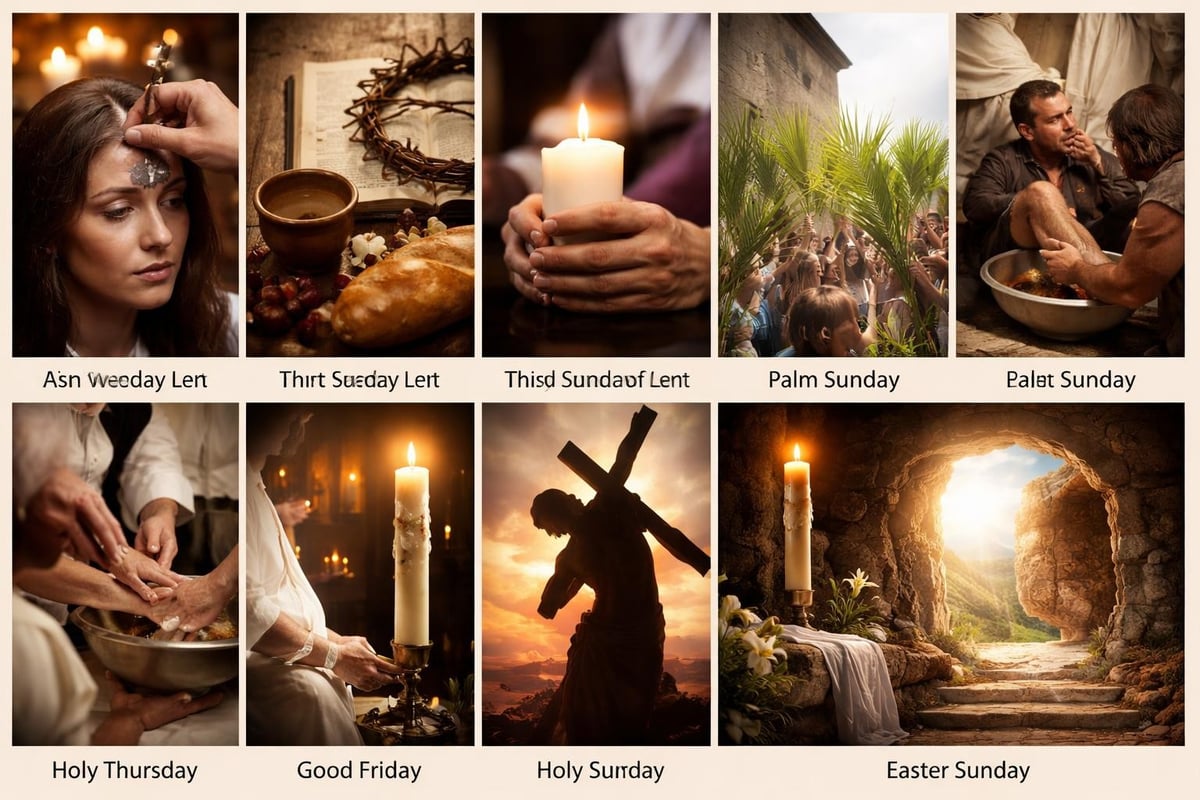
Early Christian communities viewed Lent primarily as a period of intense preparation for catechumens preparing for baptism at the Easter Vigil. The entire community joined in solidarity with these candidates, creating a collective experience of conversion and renewal. This communal aspect remains central to understanding how Lent evolved throughout Church history, transforming from a baptismal preparation period into a universal season of penance and spiritual growth for all believers.
This post is brought to you by Journeys of Faith, founded by Bob and Penny Lord. We are Cyber Apostles and an Augustinian Secular Institute of which we are members; the Evangelization arm of the group of Cloistered Augustinian Nuns in Montefalco, Italy. Our mission is evangelization through media using the tools that God has allowed to be created.
Traditional Lenten Practices and Disciplines
Fasting and Abstinence
The discipline of fasting during Lent serves as the most recognizable practice, calling Catholics to embrace physical self-denial as a path to spiritual freedom. The Church mandates fasting on Ash Wednesday and Good Friday for adults aged 18 to 59, limiting participants to one full meal and two smaller meals that together do not equal a full meal. This physical hunger reminds believers of their deeper hunger for God and solidarity with those who lack daily bread.
Abstinence from meat applies to all Catholics aged 14 and older on Ash Wednesday and all Fridays during Lent. This practice connects modern believers to centuries of Christian tradition while offering a tangible way to participate in Christ's sacrifice. The strict fasting practices of early Christianity, known as the Black Fast, involved consuming only bread, water, and salt after sunset, demonstrating how contemporary disciplines have evolved while maintaining their essential purpose.
Prayer and Spiritual Reading
Lent calls the faithful to intensify their prayer lives, moving beyond routine devotions into deeper contemplation and conversation with God. Many Catholics adopt specific prayer practices during this season:
- Daily Scripture meditation, particularly focusing on the Passion narratives
- The Stations of the Cross, traditionally prayed on Fridays
- Additional Mass attendance beyond Sunday obligations
- Extended periods of Eucharistic Adoration
- Family Rosary praying together
The practice of praying the Stations of the Cross offers a powerful way to accompany Christ on His journey to Calvary. This devotion invites participants to pause at each of the 14 stations, meditating on Christ's suffering and reflecting on personal sins that contributed to His passion. Spiritual reading during Lent often focuses on books about the saints, whose lives demonstrate the transformative power of sacrifice and devotion.
Almsgiving and Works of Mercy
The third pillar of Lenten observance, almsgiving extends beyond monetary donations to encompass all acts of charity and mercy. This practice challenges believers to look outward, recognizing Christ in those who suffer and responding with compassionate action. Traditional forms of almsgiving include:
- Financial contributions to organizations serving the poor
- Volunteering time at soup kitchens, homeless shelters, or food banks
- Donating goods such as clothing, food, or household items
- Spiritual works of mercy including counseling, teaching, and forgiving
- Simple acts of kindness performed daily with intentional love
The Liturgical Journey Through Lent
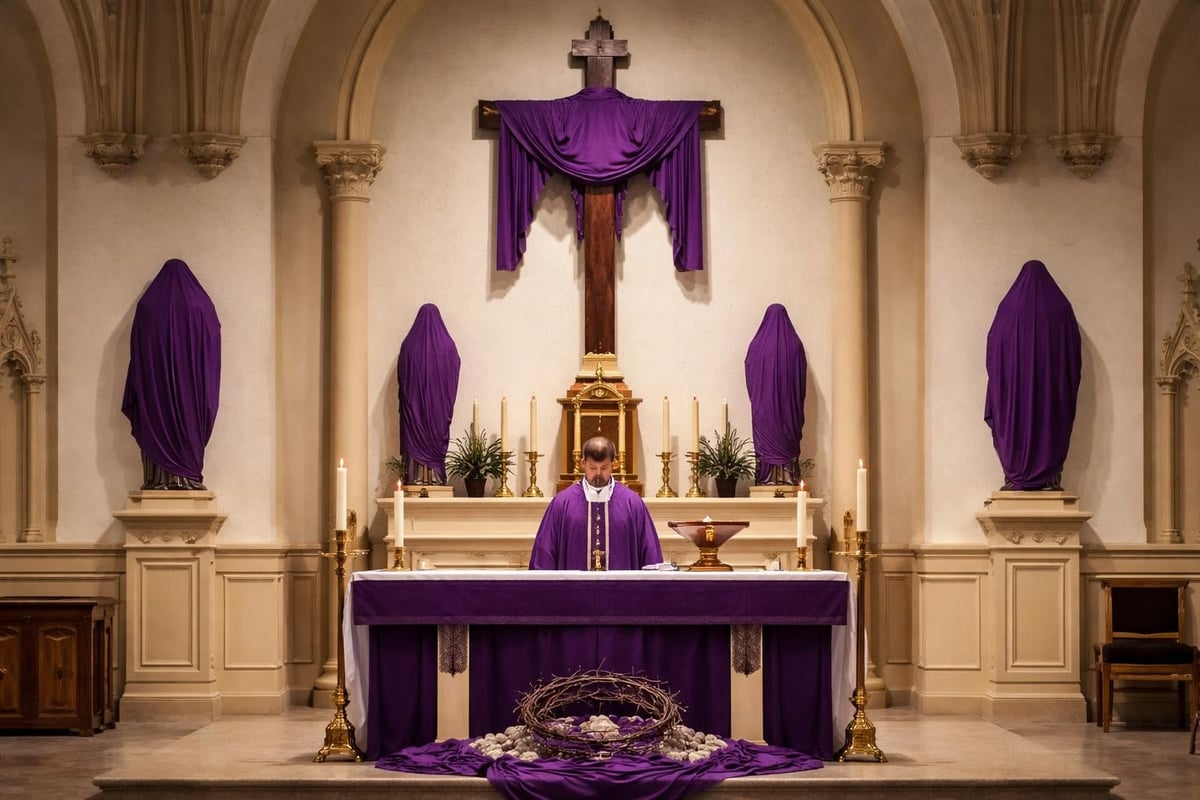
The Church's liturgical calendar transforms during Lent, reflected in the purple vestments worn by priests, the absence of alleluias from the Mass, and the covering of statues and crucifixes in some parishes. These visible changes create an atmosphere of solemn preparation, reminding the faithful that this season differs fundamentally from ordinary time.
| Lenten Week | Focus | Key Themes |
|---|---|---|
| Week 1 | Temptation and Testing | Christ's desert experience, spiritual warfare |
| Week 2 | Transfiguration and Trust | God's glory revealed, faith strengthened |
| Week 3 | Living Water | Spiritual thirst, encountering Christ |
| Week 4 | Light and Sight | Moving from darkness to illumination |
| Week 5 | Death and New Life | Lazarus raised, anticipating resurrection |
The practice of veiling statues during Lent, particularly during the final two weeks known as Passiontide, directs attention toward the mystery of Christ's sacrifice. This ancient tradition removes visual distractions, encouraging deeper interior reflection and anticipation of the Easter revelation.
Pre-Lenten Traditions and Preparation
The days immediately preceding Lent hold special significance in Catholic culture, offering final opportunities for celebration before entering the penitential season. Shrove Tuesday, also known as Mardi Gras or Fat Tuesday, traditionally served as a day for confession and using up rich foods forbidden during Lent. Communities would gather for pancake feasts, carnival celebrations, and festive meals, creating a stark contrast with the austerity to come.
Fat Thursday, observed in some Catholic cultures, similarly emphasized feasting on rich foods, particularly pastries and sweets. These customs reflect the Church's wisdom in acknowledging human nature, allowing for celebration before calling believers into discipline. The transition from festivity to fasting mirrors the spiritual journey itself, moving from worldly pleasures toward eternal goods.
Contemporary Observance and Adaptation
Modern Catholics continue to embrace Lent while adapting traditional practices to contemporary circumstances. Many believers adopt additional voluntary sacrifices beyond the Church's minimum requirements, choosing to abstain from:
- Social media and digital entertainment
- Specific foods or beverages (chocolate, coffee, alcohol)
- Shopping for non-essential items
- Gossiping or negative speech
- Excessive sleep or comfort
These personal sacrifices gain meaning when united with prayer and directed toward spiritual growth. The practice of "giving up something for Lent" evolved from ancient fasting traditions, creating space in daily life for increased awareness of God's presence. For those seeking meaningful resources for Lenten spiritual growth, books about the saints and the Eucharist provide profound insights into the season's deeper mysteries.
Adding Positive Practices
Contemporary spiritual directors increasingly emphasize not just what to give up but what to take on during Lent. This positive approach complements traditional fasting, encouraging believers to:
- Begin a daily gratitude journal
- Commit to acts of service each week
- Learn about and practice a new devotion
- Attend weekday Mass regularly
- Study Scripture systematically
- Reach out to reconcile broken relationships
The combination of sacrifice and positive action creates a balanced Lenten experience, addressing both the need for purgation and the call to grow in virtue. This holistic approach reflects the season's ultimate purpose: transformation into closer conformity with Christ.
The Eucharist as the Heart of Lent
Central to the entire Lenten journey stands the Eucharist, the source and summit of Christian life. During Lent, Catholics are called to deeper appreciation of this profound mystery, recognizing in the consecrated bread and wine the true presence of Christ who suffered, died, and rose for humanity's salvation. Increased Mass attendance during Lent allows believers to encounter Christ more frequently in the sacrament that makes His sacrifice perpetually present.
Many parishes offer additional opportunities for Eucharistic devotion during Lent, including extended Adoration hours and Benediction services. These practices invite the faithful into silent contemplation before the Blessed Sacrament, creating space for personal prayer and examination of conscience. The connection between Lenten sacrifice and the Eucharistic sacrifice becomes increasingly clear as believers prepare for the Holy Thursday celebration of the Last Supper.
For those seeking to deepen their understanding of Eucharistic miracles and their significance, resources like the Miracles of the Eucharist books offer compelling accounts of how God has confirmed the Real Presence throughout history. These stories strengthen faith in the Eucharist, making participation in Mass during Lent even more meaningful and transformative.


The Role of Confession and Reconciliation
Lent presents the ideal opportunity for Catholics to receive the Sacrament of Reconciliation, experiencing God's mercy and forgiveness in preparation for Easter. Many parishes offer additional confession times during Lent, recognizing the season's emphasis on conversion and returning to God. The practice of examining one's conscience becomes particularly important during this period, as believers honestly assess their spiritual lives and identify areas needing transformation.
The Church encourages frequent reception of this sacrament, which cleanses the soul and restores the grace diminished by sin. Some parishes organize reconciliation services during Lent, creating communal experiences of confession while maintaining the private nature of individual absolution. These services often include Scripture readings, examination of conscience guides, and periods of silent reflection.
Preparing for confession during Lent might include:
- Daily examination of conscience, reviewing actions and attitudes
- Spiritual reading about sin, mercy, and conversion
- Prayer for contrition, asking God to reveal areas needing healing
- Making amends for harm caused to others
- Formulating a concrete plan for avoiding future sin
Lent and Family Life
Catholic families find numerous ways to observe Lent together, creating traditions that pass faith to the next generation. Family-centered Lenten practices help children understand the season's significance while building household unity around shared spiritual goals. Simple activities like making prayer a family priority during Lent establish patterns that can last throughout the year.
Many families create Lenten calendars with daily activities, sacrifice suggestions, or Scripture verses. Some households establish "alms boxes" where family members contribute money saved through their Lenten sacrifices, later donating these funds to chosen charities. Meatless Friday meals become opportunities to discuss the meaning of sacrifice, while simplified meals remind children of those who lack adequate food.
Teaching Children About Lent
Parents play crucial roles in helping children embrace Lent appropriately for their developmental stages:
| Age Group | Appropriate Practices | Learning Focus |
|---|---|---|
| Preschool (3-5) | Simple prayers, small treats given up | God's love, sharing with others |
| Elementary (6-11) | Age-appropriate fasting, service projects | Sacrifice, following Jesus |
| Middle School (12-14) | Meaningful sacrifices, increased prayer | Self-discipline, spiritual growth |
| High School (15-18) | Adult practices, theological study | Personal relationship with Christ |
Cultural Expressions of Lent Worldwide
Catholic communities around the world celebrate Lent with distinctive cultural expressions while maintaining the season's essential character. Spanish-speaking countries observe elaborate Holy Week processions featuring religious statues carried through streets, accompanied by somber music and prayer. Filipino Catholics practice the "Stations of the Cross" dramatically, with participants physically carrying crosses and some even undergoing voluntary crucifixion reenactments.
In Poland, the tradition of examining the history and meaning of Lent connects to unique customs like the Lenten desert garden, where families create elaborate displays combining symbols of Christ's passion with sprouting plants representing new life. German Catholics maintain the "Fastenbrezel" tradition, baking special pretzels whose twisted shape represents arms crossed in prayer.
These diverse expressions demonstrate Lent's universal appeal while honoring local customs and traditions. Whether through elaborate public processions or simple family practices, Catholics worldwide unite in the common purpose of preparing for Easter through prayer, fasting, and charity.
The Culmination: Holy Week and Easter
Lent reaches its climax during Holy Week, the final week beginning with Palm Sunday and concluding with the Easter Vigil. This sacred octave invites believers into the most profound mysteries of faith: Christ's triumphal entry into Jerusalem, the institution of the Eucharist at the Last Supper, His passion and death on Good Friday, and the glorious resurrection on Easter Sunday. The entire Lenten journey finds its purpose in these events, as personal sacrifices unite with Christ's ultimate sacrifice.
The Easter Triduum, spanning Holy Thursday evening through Easter Sunday, forms the liturgical heart of the entire Church year. These three days are not merely commemorations but sacramental participations in the paschal mystery itself. Catholics who have faithfully observed Lent find themselves prepared to enter more deeply into these celebrations, their hearts softened by weeks of prayer and sacrifice.
Sustaining Lenten Growth Beyond Easter
The transformation experienced during Lent need not end with Easter's celebration. The spiritual practices adopted during these 40 days can become permanent features of Catholic life, sustained by the grace received through faithful observance. Many spiritual directors encourage believers to identify which Lenten practices proved most fruitful, continuing these disciplines in modified forms throughout the year.
The post-Easter period, known as the Easter season, offers 50 days to solidify new habits and deepen conversions begun during Lent. This joyful season celebrates the resurrection's transforming power, demonstrating that the spiritual journey through practices like those taught by Carmelite spirituality continues beyond any single liturgical season. The goal is not temporary improvement but lasting conversion, progressively conforming one's entire life to Christ.
Believers might consider:
- Maintaining one key Lenten sacrifice throughout the year
- Continuing increased Mass attendance or Eucharistic Adoration
- Sustaining charitable activities begun during Lent
- Regular reception of Reconciliation, not just during Lent
- Ongoing spiritual reading about the saints and their paths to holiness
Resources for a Fruitful Lent
Catholics seeking to maximize their Lenten experience can access numerous resources supporting prayer, study, and devotion. Books examining the lives of saints provide inspiring examples of how ordinary people achieved extraordinary holiness through commitment to spiritual practices. Daily Scripture reflection guides help believers meditate systematically on God's Word, while prayer cards and devotional materials support consistent practice.
Many find that structured programs or guides prevent Lent from becoming merely a personal effort, connecting individual observance to the broader Church's wisdom and tradition. Understanding the breadth of Catholic devotional resources available helps believers select materials matching their spiritual needs and current growth areas. Whether through books, prayer cards, sacramentals, or media resources, the right tools can significantly enhance Lenten observance.
Parish communities often organize group studies, prayer opportunities, and service projects during Lent, creating supportive environments for spiritual growth. Participating in these communal activities reinforces personal commitment while building connections with fellow believers traveling the same Lenten path.
Lent offers Catholics a profound annual opportunity for spiritual renewal, calling believers to embrace prayer, fasting, and almsgiving as pathways to deeper communion with Christ. The season's 40-day journey mirrors biblical periods of testing and purification, preparing hearts to celebrate Easter's glorious resurrection with renewed faith and joy. Whether you're seeking resources to enrich your Lenten observance, looking for materials to share with family members, or wanting to deepen your understanding of Catholic traditions, Journeys of Faith provides extensive collections of books, prayer cards, and media dedicated to evangelization and spiritual growth.
Explore our offerings:
- Explore Journeys of Faith online store with thousands of Catholic items at https://journeysoffaith.com/collections
- Our unique Mega Search Engine at https://journeysoffaith.com/search is linked to hundreds of Catholic shops and stores
- Get the Journeys of Faith NEW App for iPhone or Android. Search for Journeys of Faith or go to https://journeysoffaith.com/pages/download-our-app