

Photos of saint figures serve as powerful visual testimonies to the lives of holy men and women who walked the earth before us. These images, ranging from historical photographs of recently canonized saints to artistic representations of ancient martyrs, provide tangible connections to the communion of saints. In an era dominated by visual media, these sacred photographs offer Catholics a unique opportunity to encounter holiness through faces, moments, and stories captured in time. Whether displayed in churches, homes, or prayer spaces, photos of saint figures transform abstract spiritual concepts into relatable human experiences that inspire faith and devotion.
The visual documentation of sainthood has evolved dramatically over the past century and a half. Early photography coincided with the lives of several modern saints, creating an unprecedented historical record that previous generations could never have imagined. The Catholic Church now possesses an extensive archive of authentic photographs depicting saints in their earthly ministries, offering believers a remarkable window into their humanity and sanctity.
The Historical Significance of Saint Photography
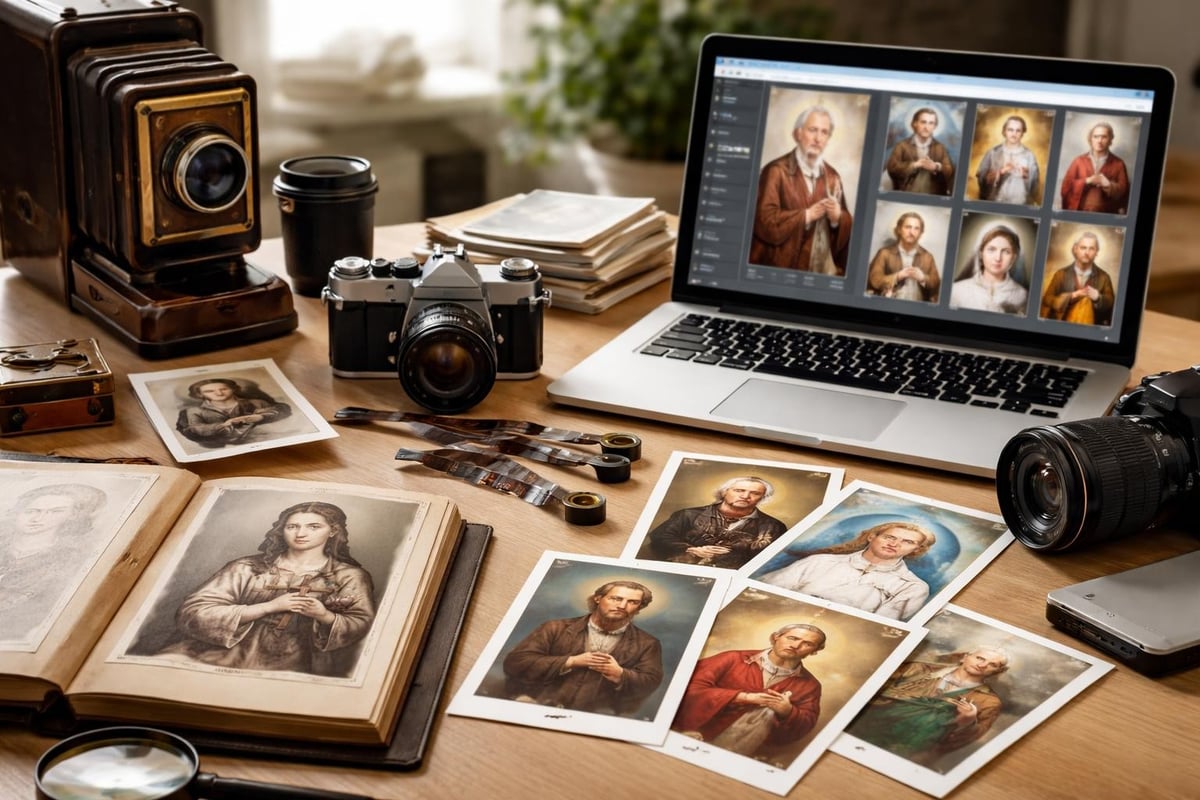
The advent of photography in the mid-nineteenth century revolutionized how the Church documents and preserves the memory of holy individuals. Unlike medieval paintings or Renaissance sculptures that relied on artistic interpretation, photographs provide authentic visual records of saints as they actually appeared. This technological advancement arrived at a providential moment, capturing the likenesses of figures like Saint Thérèse of Lisieux, Saint Padre Pio, and Saint John Paul II.
Rare photographs of saintly people doing ordinary things reveal the profound truth that holiness emerges from everyday life. These images show saints performing simple tasks, interacting with communities, and living out their vocations with extraordinary love. The authenticity of photographic evidence strengthens the Church's canonization processes, providing visual documentation of a candidate's life and works.
Brought to you by Journeys of Faith, founded by Bob and Penny Lord. We are an Augustinian Secular Institute and Cyber Apostles. Our mission is evangelization through media.
Documentation Through the Centuries
Historical photos of saint figures fall into several distinct categories based on when and how they were captured:
- Early photographic portraits from the 1850s through early 1900s
- Candid documentary images showing saints in ministry
- Deathbed and funeral photographs preserving final moments
- Verification photos used in canonization investigations
- Mass gathering images depicting saints with crowds or communities
The Passionist community's comprehensive gallery demonstrates how religious orders have systematically preserved photographic records of their holy members. These collections include not only canonized saints but also blesseds, venerables, and servants of God, creating a visual genealogy of holiness within specific spiritual families.
Types and Sources of Saint Photographs
Photos of saint figures originate from diverse sources, each offering unique perspectives and purposes. Understanding these different types helps Catholics select appropriate images for devotional, educational, or decorative uses. The variety available today ranges from formal ecclesiastical portraits to intimate family snapshots that humanize these spiritual giants.
Primary Photographic Categories
Professional stock photography services now offer extensive collections of saint images. iStock's canonized saints collection provides high-quality, royalty-free images suitable for publications, presentations, and media projects. These professionally curated photographs meet technical standards while respecting the sacred nature of their subjects.
Personal and family archives contribute some of the most touching photos of saint figures. Images of Saint Gianna Molla with her children, Saint Teresa of Calcutta caring for the dying, or Saint Maximilian Kolbe with fellow Franciscans reveal the relational dimension of sanctity. These photographs remind viewers that saints lived real lives filled with relationships, challenges, and choices.
| Photo Type | Primary Use | Availability | Best For |
|---|---|---|---|
| Historical Portraits | Documentation | Archives, Museums | Research, Education |
| Ministry Action Shots | Inspiration | Catholic Media | Devotional Materials |
| Formal Canonization Photos | Official Recognition | Vatican Sources | Liturgical Resources |
| Personal Family Images | Humanization | Private Collections | Storytelling |
The Catholic.org saints image database organizes photos of saint figures alphabetically, making it simple to locate specific individuals for study or devotion. This comprehensive resource includes both photographed saints and artistic representations of those who lived before the camera's invention.
Modern Applications in Faith Formation
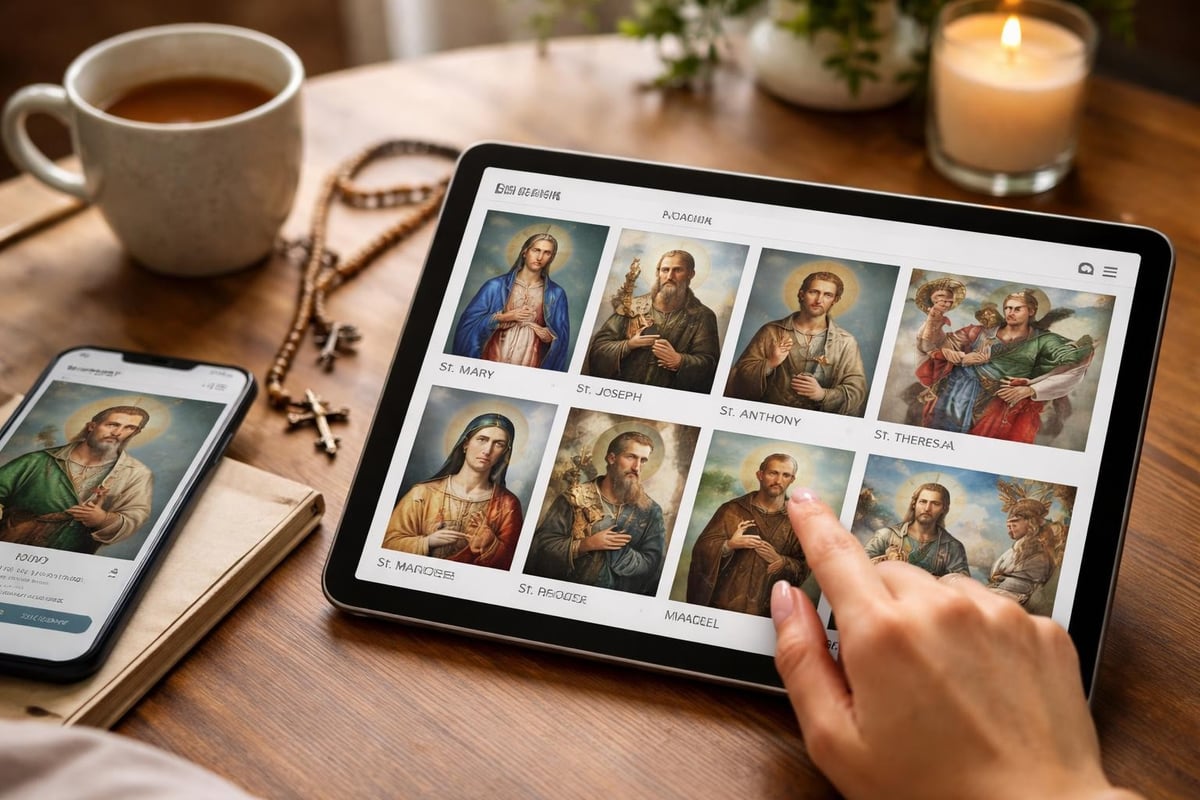
Contemporary Catholics utilize photos of saint figures across multiple platforms and purposes. Digital technology has democratized access to these sacred images, allowing believers worldwide to encounter saintly witnesses through smartphones, tablets, and computers. This accessibility transforms how faith communities teach, pray, and celebrate the communion of saints.
Educational and Catechetical Uses
Religious education programs incorporate photos of saint figures to create engaging, memorable lessons. Children especially benefit from seeing actual photographs of modern saints like Saint Faustina Kowalska or Saint José Sánchez del Río. These visual aids make saints relatable rather than distant historical figures. Resources for teaching Catholic saints to children demonstrate how photographs enhance learning retention and spiritual connection.
Key educational applications include:
- Classroom presentations featuring saint biographies with photographic evidence
- Prayer card programs distributed during sacramental preparation
- Digital slideshows for feast day celebrations and commemorations
- Interactive timelines showing saints within historical contexts
- Comparative studies examining saints from different eras and cultures
Photos of saint figures also support liturgical celebrations and parish activities. Many churches display photographs of patron saints, recently canonized holy persons, or local blessed individuals who await final canonization. These images create visual focal points that draw parishioners into deeper contemplation of holiness achieved through ordinary circumstances.
Devotional and Prayer Resources
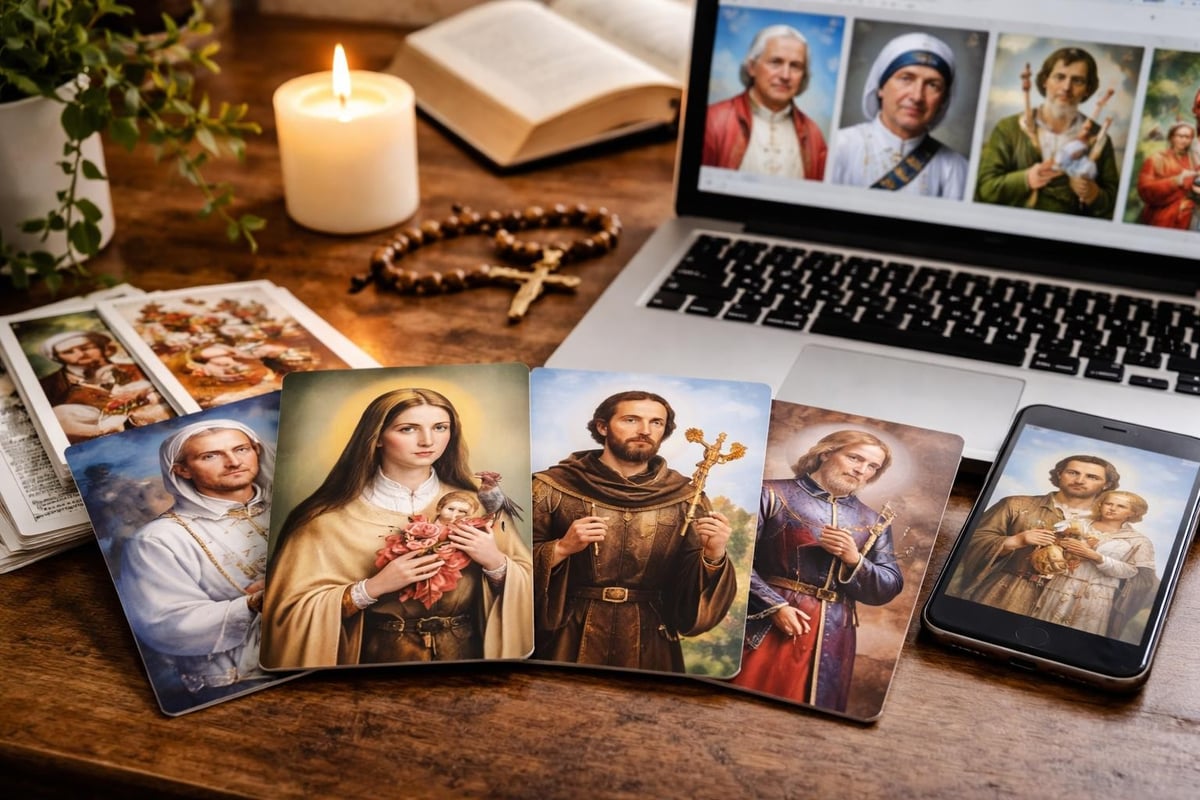
Personal prayer life deepens when believers can visualize the saints they invoke. Photos of saint figures make intercessory prayer more personal and intimate. Rather than addressing an abstract concept, Catholics pray to actual people whose faces, expressions, and humanity shine through photographic evidence. This visual connection strengthens confidence in the communion of saints.
Many faithful create home altars or prayer corners featuring photographs of favorite saints alongside traditional statuary and icons. These sacred spaces combine multiple forms of representation, honoring both artistic tradition and historical documentation. The Journeys of Faith collection includes numerous prayer cards and novenas that incorporate saint photographs alongside traditional prayers, offering tactile reminders of heavenly assistance.
Artistic Collections and Portrait Galleries
Beyond simple photographs, artistic interpretations of photos of saint figures create beautiful devotional art. Professional artists study historical photographs to create paintings, drawings, and digital illustrations that capture both physical likeness and spiritual essence. The Portraits of Saints website showcases such artistic renderings alongside traditional iconography, demonstrating how photographic sources inform contemporary sacred art.
These artistic collections serve multiple purposes within Catholic culture:
- Liturgical decoration for churches and chapels
- Personal devotional images for home prayer spaces
- Gift items marking sacraments and special occasions
- Educational materials for schools and formation programs
- Meditation aids supporting contemplative prayer practices
The relationship between photograph and artwork creates an interesting dialogue about representation and veneration. While the Church has always distinguished between honoring an image and worshiping God, photographs add another dimension by presenting actual likenesses rather than interpretive art. This authenticity can deepen devotion while maintaining proper theological perspective.
Symbol and Attribute Recognition
Saint symbolism and emblems traditionally helped identify holy persons in religious art when most people couldn't read. Photos of saint figures sometimes incorporate these traditional attributes intentionally. Saint Thérèse of Lisieux often appears with roses, reflecting her promise to send a shower of roses from heaven. Saint Padre Pio's photographs frequently show his stigmatized hands, the visible signs of his mystical participation in Christ's passion.
Understanding these visual markers enhances appreciation of both photographs and artistic representations. When viewing historical photos of saint figures, observers can identify:
| Saint | Common Symbol | Photographic Evidence |
|---|---|---|
| St. Thérèse of Lisieux | Roses, Crucifix | Holding cross in convent photos |
| St. Padre Pio | Stigmata, Rosary | Fingerless gloves covering wounds |
| St. John Paul II | Papal Staff, Rosary | Countless images in papal vestments |
| St. Teresa of Calcutta | Blue-bordered Sari | Signature habit in all photos |
Digital Archives and Online Resources
The internet has revolutionized access to photos of saint figures, creating virtual museums and libraries available to anyone with connectivity. Digital archives preserve fragile historical photographs while making them searchable and downloadable for legitimate educational and devotional purposes. These online collections represent collaborative efforts by religious orders, dioceses, and Catholic organizations committed to evangelization through media.
Annual commemorations like All Saints Day generate curated photo collections that highlight the diversity and universality of Catholic sanctity. News organizations and Catholic media outlets compile images showing saints from every continent, culture, and historical period, visually demonstrating that holiness transcends all human boundaries.
Building Personal Collections
Many Catholics enjoy creating personal digital libraries of photos of saint figures, organizing images by feast days, patronages, or personal devotions. This practice supports spiritual growth by surrounding believers with visual reminders of heavenly friends and intercessors. Digital photo frames can rotate through saint images, creating dynamic prayer focal points that change with liturgical seasons or personal needs.
Tips for curating saint photo collections:
- Verify image sources to ensure accuracy and proper attribution
- Organize by liturgical calendar for timely feast day reflections
- Include biographical information with each photograph
- Respect copyright when using images for public purposes
- Create thematic groupings such as patron saints or martyrs
- Backup collections regularly to preserve these spiritual resources
The extensive resources available through Journeys of Faith demonstrate how written content paired with visual elements creates powerful educational tools. Combining photos of saint figures with biographical narratives, historical context, and theological reflection produces comprehensive formation resources.
Practical Applications for Parishes and Ministries
Parish communities discover countless ways to incorporate photos of saint figures into their evangelization and catechetical efforts. From bulletin boards highlighting monthly patron saints to social media campaigns sharing daily saint images, these photographs engage parishioners across multiple platforms and age groups. Visual media particularly resonates with younger generations accustomed to image-based communication.
Youth ministry programs effectively use photos of saint figures to present role models who faced challenges similar to those confronting modern teenagers. Images of Saint Dominic Savio, Saint José Sánchez del Río, or Blessed Carlo Acutis show young people that sanctity is possible at any age. These photographs prove that ordinary youth can achieve extraordinary holiness through faithful daily choices.
RCIA and Adult Formation
Adult faith formation benefits significantly from visual documentation of saintly lives. RCIA candidates exploring Catholic tradition appreciate seeing actual photographs of modern saints whose causes for canonization they might have witnessed. Photos of Saint John Paul II, for instance, connect personal memories of his pontificate with the Church's recognition of his holiness.
Study sessions examining specific saints become more engaging when participants can view multiple photographs showing different life stages and ministries. The comprehensive guide to Eucharistic preparation illustrates how saints who demonstrated profound Eucharistic devotion inspire similar love for the Blessed Sacrament. Visual representations of Saint Thérèse receiving First Communion or Saint Padre Pio celebrating Mass create powerful formation moments.
For those seeking deeper knowledge of the saints and their paths to holiness, the Catholic Saints Books collection offers extensive biographical resources. These books frequently include rare photographs that illuminate the saints' journeys, making their examples more accessible and their intercession more personal to modern readers.

Commemorative and Memorial Uses
Photos of saint figures play important roles in memorial services and anniversary commemorations. When celebrating the feast day of a parish patron or marking the anniversary of a saint's death or canonization, displaying historical photographs creates meaningful visual connections. These images remind communities that saints were real people who lived, worked, suffered, and died in specific times and places.
Anniversary Masses honoring recently canonized saints frequently feature photo displays chronicling their lives from childhood through their final days. Such presentations humanize sanctity while demonstrating that holiness develops gradually through consistent faithfulness. Viewers see saints not as finished products but as individuals who grew in grace through cooperation with God's will.
Creating Sacred Spaces
Interior designers and liturgical artists increasingly incorporate photos of saint figures into church renovations and new construction. Rather than relying exclusively on traditional statuary or painted icons, contemporary sacred architecture includes photographic panels, backlit images, and digital displays showing saints in authentic historical contexts. These modern approaches complement classical artistic traditions while making sanctity more approachable.
Home prayer spaces similarly benefit from including photos of saint figures among traditional devotional items. A small shelf or table might feature:
- Framed photographs of patron saints or name saints
- Prayer cards with both saint images and intercessory prayers
- Candles placed respectfully near saint photographs
- Rosaries or other sacramentals associated with specific saints
- Fresh flowers honoring feast days and special occasions
Such arrangements create personal shrines that support daily prayer while visually proclaiming faith within domestic environments. The practice of maintaining home altars enriches family spirituality and provides tangible focal points for individual and communal prayer.
Evangelization Through Visual Testimony
The missionary potential of photos of saint figures extends evangelization efforts in unique ways. Social media platforms enable Catholics to share inspiring saint images with global audiences, introducing countless people to holy witnesses they might never otherwise encounter. A single powerful photograph accompanied by a brief biography can spark conversions, renewals, and deeper faith commitments.
Catholic bloggers, podcasters, and content creators regularly feature photos of saint figures in their work, recognizing that visual elements increase engagement and retention. Well-chosen images attract attention, convey authenticity, and communicate the diversity of Catholic sanctity. These digital apostles follow the example of Journeys of Faith, utilizing media effectively to spread the Gospel and promote devotion.
Effective evangelization strategies include:
- Daily saint photo posts on Instagram, Facebook, or Twitter
- Pinterest boards organizing saints by patronage or theme
- Blog articles combining biography with historical photographs
- Video presentations featuring slideshows of saint images
- Email newsletters highlighting monthly patron saints
The mission of Journeys of Faith centers on evangelization through various media forms, demonstrating how photographs, videos, books, and digital content work synergistically to reach modern audiences. This multi-platform approach mirrors how photos of saint figures appear across diverse formats to maximum effect.
Theological and Spiritual Dimensions
Photos of saint figures raise interesting theological questions about representation, veneration, and the nature of sacred imagery. The Church's longstanding tradition of sacred art receives new dimensions through photography's documentary character. While icons and paintings interpret spiritual realities through artistic convention, photographs present actual physical appearances, adding historical authenticity to devotional practice.
This authenticity serves important purposes. When praying to Saint Faustina Kowalska for divine mercy, seeing her actual face from historical photographs personalizes the relationship. Believers address a real person whose features, expression, and humanity are documented rather than imagined. This tangible connection can strengthen prayer and deepen confidence in saintly intercession.
The Incarnational Principle
Photography's capacity to capture physical reality reflects Catholic incarnational theology. Just as God became incarnate in Jesus Christ, taking on flesh and becoming visible, photos of saint figures make holiness visible and concrete. This visibility testifies to Christianity's fundamental belief that matter matters, that physical reality carries spiritual significance, and that grace transforms the whole person, body and soul.
The veneration Catholics offer to photos of saint figures follows established theological principles about sacred images. The honor given to a photograph passes to the person represented, just as respect shown to a national flag honors the country itself. This distinction between image and prototype prevents idolatry while supporting legitimate devotional practices that have enriched Catholic spirituality for centuries.
Preserving and Sharing Historical Treasures
Religious communities and diocesan archives maintain extensive collections of photos of saint figures, recognizing their historical and spiritual value. These institutions invest in proper preservation techniques, digitization projects, and accessibility initiatives that ensure future generations can benefit from these visual treasures. Climate-controlled storage, acid-free materials, and professional conservation protect fragile original photographs.
Sharing these archives with broader audiences advances the Church's educational and evangelization missions. Museums, exhibits, and traveling displays bring rarely seen photos of saint figures to parishes, schools, and public venues. Such presentations generate interest in Catholic history while inspiring viewers to pursue holiness in their own lives.
Copyright and Ethical Considerations
Users of photos of saint figures must respect copyright laws and ethical guidelines governing sacred imagery. While many historical photographs have entered the public domain, others remain protected by intellectual property rights. Religious orders, photographers' estates, and Catholic publishers maintain legitimate claims to images they own or have created.
Ethical usage guidelines include:
- Verify copyright status before reproducing or distributing images
- Credit photographers and sources when known and appropriate
- Obtain permissions for commercial or public use when required
- Respect sacred context by avoiding inappropriate or disrespectful applications
- Support Catholic media by purchasing licensed materials when available
The Journeys of Faith online store offers properly licensed materials featuring photos of saint figures, ensuring customers receive quality products while supporting evangelization efforts. These resources combine visual beauty with theological accuracy and legal compliance.
Future Directions and Emerging Technologies
Technological advancement continues expanding how Catholics encounter and utilize photos of saint figures. Virtual reality applications might eventually allow believers to "visit" locations where saints lived and worked, with historical photographs integrated into immersive experiences. Augmented reality could overlay saint images and biographical information onto physical church spaces or pilgrimage sites.
Artificial intelligence and machine learning technologies already assist in colorizing historical black-and-white photos of saint figures, making these images more vivid and accessible to contemporary viewers. While such enhancements raise questions about historical authenticity, they can help modern audiences connect more deeply with saints who lived in earlier eras.
The ongoing work of photographing and documenting living candidates for sainthood ensures that future generations will possess extensive visual records of twenty-first-century holiness. As technology improves, the quality, quantity, and accessibility of photos of saint figures will only increase, providing unprecedented resources for faith formation, prayer, and evangelization.
Photos of saint figures bridge the gap between historical faith and contemporary devotion, making the communion of saints tangible and personal. These powerful visual testimonies inspire believers to pursue holiness in their own lives while maintaining connections with heavenly intercessors who understand human struggles and joys. For those seeking to deepen their knowledge of the saints and grow in spiritual life, Journeys of Faith offers extensive resources including books, prayer materials, and media content designed to support your journey toward sanctity.
Resources
- Explore Journeys of Faith online store with thousands of Catholic items at https://journeysoffaith.com/collections
- Our unique mega search engine https://journeysoffaith.com/search is linked to hundreds of Catholic shops and stores
- Get the Journeys of Faith NEW app for iPhone or Android. Search for Journeys of Faith or go to https://journeysoffaith.com/pages/download-our-app
- Chat with us anytime at https://chatting.page/mjxs9aerrtgm3lmpndlcepmbyosntrjn
- We need your help to reach more souls. Please make a donation at https://journeysoffaith.com/pages/donate