

Catholic literature represents one of the most enduring and influential literary traditions in Western civilization. From the early Church Fathers to contemporary novelists, this rich body of work encompasses theology, poetry, fiction, spiritual memoirs, and philosophical treatises that have shaped not only religious thought but also broader cultural conversations. For believers seeking to deepen their faith and understand their spiritual heritage, engaging with catholic literature offers transformative insights into the human condition, divine mystery, and the ongoing dialogue between faith and reason.
The Historical Foundations of Catholic Literary Tradition
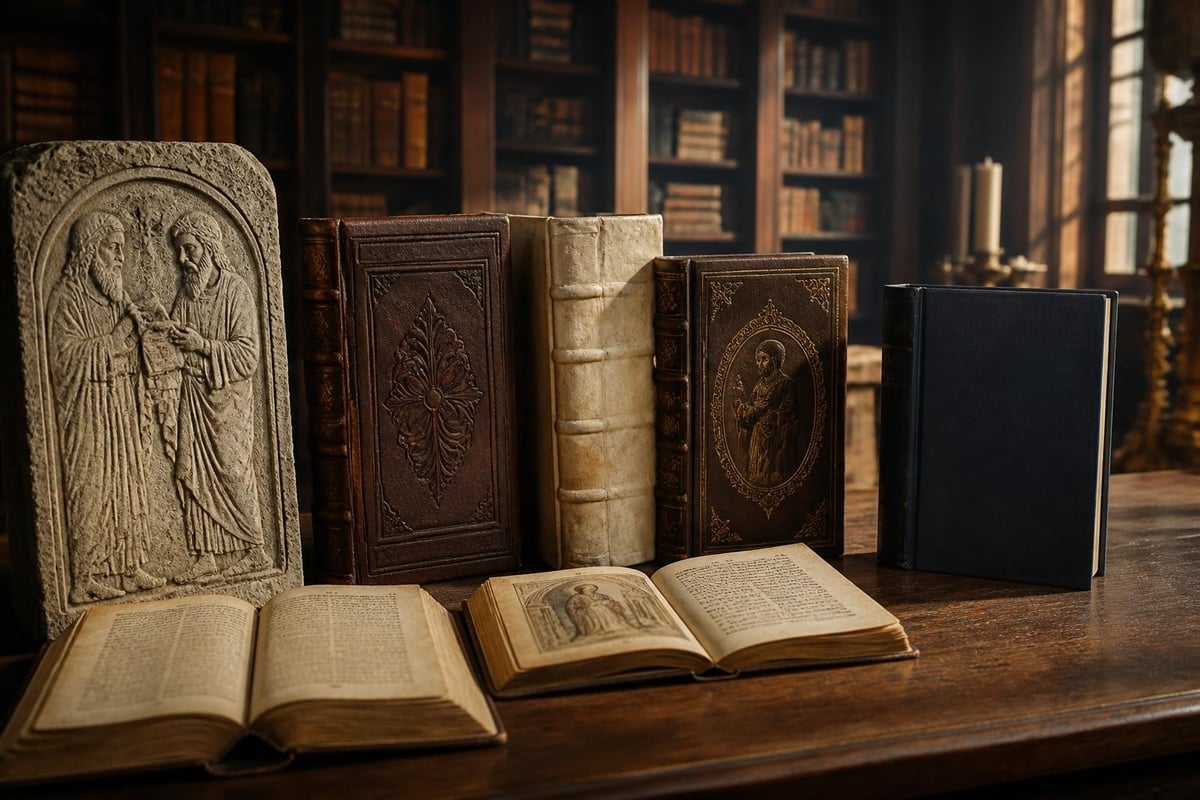
The roots of catholic literature extend back to the earliest days of Christianity, when apostolic writings and patristic texts laid the groundwork for theological understanding. These foundational works established themes that would echo throughout centuries: redemption, grace, suffering, and the pursuit of holiness.
The medieval period witnessed an explosion of Catholic literary creativity. Monasteries became centers of learning where monks preserved ancient texts and produced new works of theology and devotion. Thomas Aquinas, Augustine of Hippo, and Bonaventure crafted philosophical and theological masterpieces that continue to influence thought today.
The Golden Age of Catholic Poetry and Prose
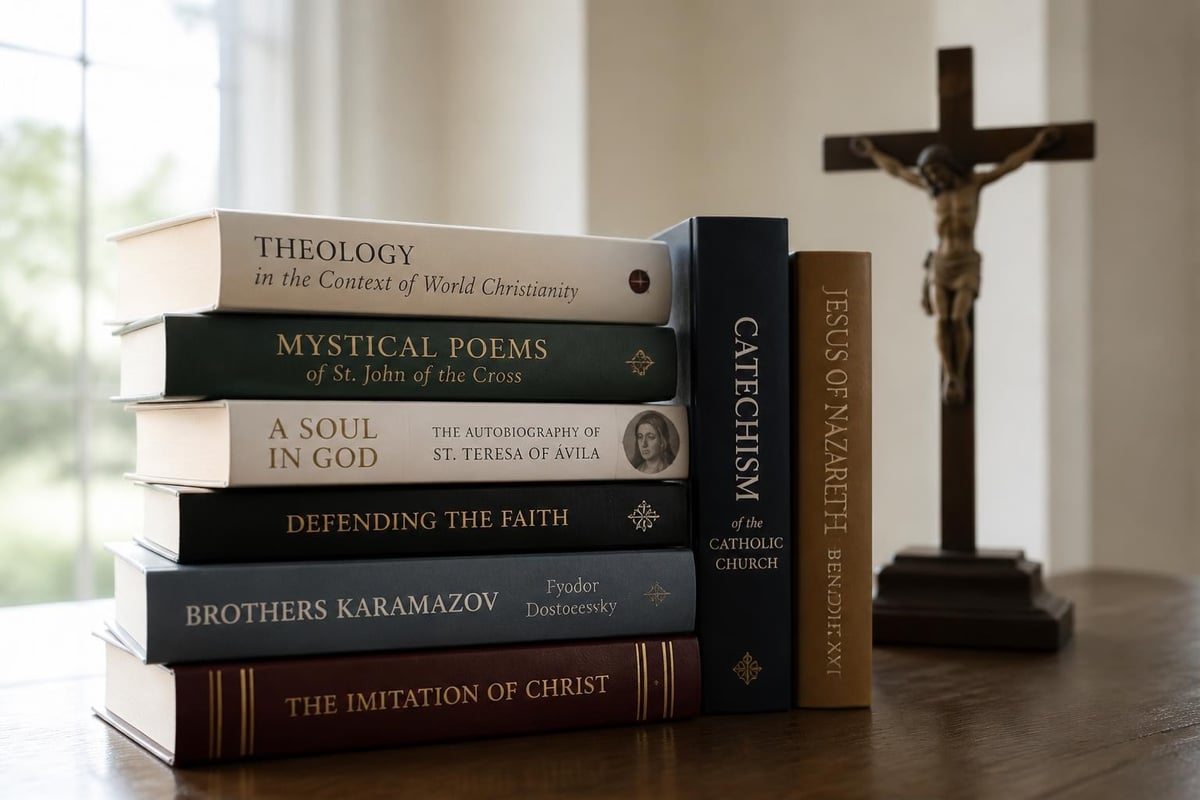
During the Renaissance and Counter-Reformation, catholic literature flourished in new forms. Teresa of Avila and John of the Cross wrote mystical poetry and spiritual treatises that mapped the interior journey of the soul. Their works demonstrated how literary artistry could serve evangelization and spiritual formation simultaneously.
- Dante's Divine Comedy merged Catholic theology with epic poetry
- Thomas More's Utopia explored social philosophy through a Catholic lens
- Ignatius of Loyola's Spiritual Exercises created a practical framework for prayer
- Francis de Sales made spirituality accessible through Introduction to the Devout Life
The intellectual rigor and emotional depth of these works established catholic literature as a force capable of addressing both the mind and the heart.
Modern Catholic Literature and Its Cultural Impact
The nineteenth and twentieth centuries brought new expressions and challenges to Catholic periodical literature, as writers grappled with modernity, secularization, and social upheaval. This era produced some of the most celebrated authors in literary history.
Brought to you by Journeys of Faith founded by Bob and Penny Lord. We are an Augustinian Secular Institute and Cyber Apostles. Our Mission is Evangelization through Media.
Defining Voices in Contemporary Catholic Writing
The twentieth century witnessed a remarkable flowering of Catholic novelists, poets, and essayists who brought faith perspectives into mainstream literary discourse. Graham Greene, Flannery O'Connor, Walker Percy, and Evelyn Waugh crafted narratives that explored sin, redemption, and grace within modern contexts.
G.K. Chesterton combined wit, paradox, and profound insight to defend Christian orthodoxy while entertaining readers. His fiction and essays demonstrated that catholic literature could be simultaneously intellectually rigorous and delightfully accessible. J.R.R. Tolkien infused his fantasy epics with Catholic themes of sacrifice, providence, and the battle between good and evil, though he resisted heavy-handed allegory.
| Author | Notable Work | Central Theme |
|---|---|---|
| Graham Greene | The Power and the Glory | Grace amid failure |
| Flannery O'Connor | Wise Blood | Southern Gothic redemption |
| Walker Percy | The Moviegoer | Existential search for meaning |
| Evelyn Waugh | Brideshead Revisited | Faith and aristocratic decline |
| Sigrid Undset | Kristin Lavransdatter | Medieval Catholic worldview |
These writers proved that Catholic identity in literature could address universal human questions while remaining rooted in specific theological convictions.
Theological and Spiritual Dimensions
Catholic literature serves multiple purposes within the faith community. It preserves doctrine, instructs the faithful, inspires devotion, and engages with philosophical questions that transcend religious boundaries.
Apologetics and Intellectual Defense
Many Catholic authors have used literature to defend and explain Church teaching. Cardinal John Henry Newman employed his considerable literary gifts to articulate Catholic positions on conscience, development of doctrine, and the nature of faith itself. His Apologia Pro Vita Sua remains a masterwork of spiritual autobiography.
C.S. Lewis, though Anglican, wrote extensively on Christian themes in ways that resonated deeply with Catholic readers. Works like Mere Christianity and The Screwtape Letters demonstrated how imaginative literature could illuminate theological truth.
Contemporary apologists continue this tradition. Peter Kreeft, Scott Hahn, and Bishop Robert Barron produce accessible works that bridge academic theology and popular readership, helping modern Catholics articulate their faith in secular environments.
Mystical and Devotional Literature
The mystical strand of catholic literature offers readers pathways into deeper prayer and union with God. Beyond the Spanish mystics, writers like Julian of Norwich, Catherine of Siena, and Hildegard of Bingen provided feminine perspectives on divine encounter and contemplative practice.
Modern spiritual writers such as Thomas Merton brought monastic wisdom to lay audiences. His Seven Storey Mountain introduced millions to contemplative spirituality while his essays on prayer, social justice, and interfaith dialogue expanded Catholic literary engagement with contemporary issues.
For those seeking to deepen their devotional life through the wisdom of the saints, exploring the lives and writings of Catholic mystics offers profound spiritual nourishment and practical guidance for prayer.
Fiction as a Vehicle for Truth
Catholic novelists have long recognized that storytelling can communicate truths that doctrinal statements alone cannot capture. Fiction allows exploration of moral complexity, the messiness of grace, and the paradoxes of faith in ways that resonate with lived experience.
The Sacramental Imagination
Flannery O'Connor famously described her fiction as expressing a "sacramental view of life," where physical realities reveal spiritual truths. Her violent, often disturbing stories shocked readers into recognizing grace operating in unexpected places and people.
This sacramental imagination appears throughout catholic literature. Physical objects, human relationships, and natural settings become charged with spiritual significance without losing their concrete particularity. The Eucharist, as both symbol and reality, exemplifies this Catholic understanding that matter can bear divine presence.
Readers interested in how the Eucharist has manifested miraculously throughout history can discover compelling accounts in collections documenting Eucharistic miracles, which demonstrate the Church's understanding of Christ's real presence.
Moral Complexity and Human Freedom
Catholic fiction typically resists simplistic moralism. Characters struggle with real temptations, make flawed choices, and experience both the consequences of sin and the surprising interventions of grace. This complexity honors human freedom while acknowledging divine providence.
Graham Greene's "whiskey priest" in The Power and the Glory embodies this tension: a failed, alcoholic cleric who nonetheless carries Christ's presence to his people. Walker Percy's protagonists wander through suburban ennui seeking authentic existence. These narratives refuse easy answers while maintaining hope in redemption.
Educational and Formational Value
Catholic literature serves crucial educational functions within parishes, schools, and families. It transmits cultural memory, models virtue, and provides common reference points for faith communities.
Literature in Catholic Education
Catholic schools and homeschooling families have long recognized literature's formational power. Reading great works introduces students to models of heroic virtue, exposes them to sophisticated theological arguments, and cultivates aesthetic sensibility alongside moral reasoning.
The Ignatius Press catalog offers carefully curated fiction that illuminates the human condition through Catholic perspectives, providing both classic works and contemporary novels suitable for various reading levels.
Key benefits of incorporating catholic literature in education:
- Develops critical thinking about moral questions
- Provides historical perspective on faith development
- Cultivates empathy through imaginative engagement
- Strengthens vocabulary and analytical skills
- Connects students with their cultural and spiritual heritage
For families seeking age-appropriate materials, resources on Catholic saints for homeschooling provide engaging narratives that combine education with spiritual formation.
American Catholic Literary Identity
American Catholic literature emerged as a distinct tradition, shaped by immigration experiences, tensions between faith and modernity, and the search for identity in a pluralistic society.
Immigrant Narratives and Cultural Assimilation
Early American Catholic writers often explored immigrant experiences. The tension between maintaining Old World faith and adapting to American culture provided rich material. Willa Cather, though not exclusively a Catholic writer, portrayed Catholic immigrant communities with deep sympathy and understanding.
Later writers examined how Catholicism survived and adapted in American contexts. They grappled with questions of authority, individual conscience, and the relationship between church teaching and democratic values.
Regional Variations and Perspectives
American catholic literature reflects regional diversity. Flannery O'Connor's Southern Gothic differs markedly from J.F. Powers' Midwestern parish stories. Andre Dubus brought working-class Massachusetts Catholicism to life with stories of moral struggle and sacramental grace.
These regional voices enriched the broader tradition by demonstrating how universal faith takes root in particular places and cultures.
Contemporary Trends and Digital Age Challenges
Catholic literature in 2026 faces both unprecedented challenges and exciting opportunities. Digital publishing, social media, and changing reading habits transform how faith-based content reaches audiences.
New Platforms for Ancient Truths
Catholic publishers and authors increasingly leverage digital platforms. E-books, audiobooks, podcasts, and online journals make catholic literature more accessible than ever. Independent Catholic publishers use print-on-demand technology to keep niche titles available.
Social media has created new forms of Catholic writing:
- Theology threads on Twitter/X offering bite-sized catechesis
- Instagram accounts pairing spiritual reflections with visual art
- Catholic blogs providing ongoing commentary on faith and culture
- YouTube channels discussing classic Catholic texts
- Substack newsletters delivering long-form spiritual essays
These platforms democratize Catholic writing while raising questions about depth, accuracy, and formation.
Addressing Contemporary Questions
Today's Catholic writers engage pressing cultural issues: environmental degradation, artificial intelligence ethics, gender ideology, racial justice, and economic inequality. They draw on the tradition's intellectual resources while speaking to contemporary concerns.
Authors like Tsh Oxenreider, Haley Stewart, and Jessica Hooten Wilson represent a new generation bringing fresh voices to catholic literature. They write accessibly about faith, family life, environmental stewardship, and literary criticism for audiences navigating modern complexities.
| Contemporary Challenge | Catholic Literary Response |
|---|---|
| Secularization | Renewed apologetics and winsome storytelling |
| Environmental crisis | Creation theology and eco-spirituality |
| Technology's impact | Reflection on embodiment and presence |
| Social fragmentation | Community-centered narratives |
| Mental health awareness | Integration of psychology and spirituality |
Practical Resources for Engaging Catholic Literature
For readers seeking to explore this rich tradition, numerous resources provide guidance and access to significant works.
Building a Catholic Library
Starting a personal library of catholic literature need not be overwhelming. Joseph Pearce's guide on what every Catholic should know about literature offers an excellent roadmap through essential texts across genres and historical periods.
Core categories for a foundational Catholic library include:
- Scripture and commentaries: Navarre Bible, Ignatius Catholic Study Bible
- Catechetical texts: Catechism of the Catholic Church, YouCat
- Spiritual classics: Imitation of Christ, Story of a Soul, Dark Night of the Soul
- Theology and philosophy: Works by Aquinas, Augustine, Newman, Ratzinger
- Fiction: Greene, O'Connor, Percy, Waugh, Tolkien
- Biography and hagiography: Lives of saints and Church heroes
Collections of Catholic saints books provide accessible entry points for understanding how holy men and women lived their faith across different eras and circumstances.
Reading Guides and Discussion Groups
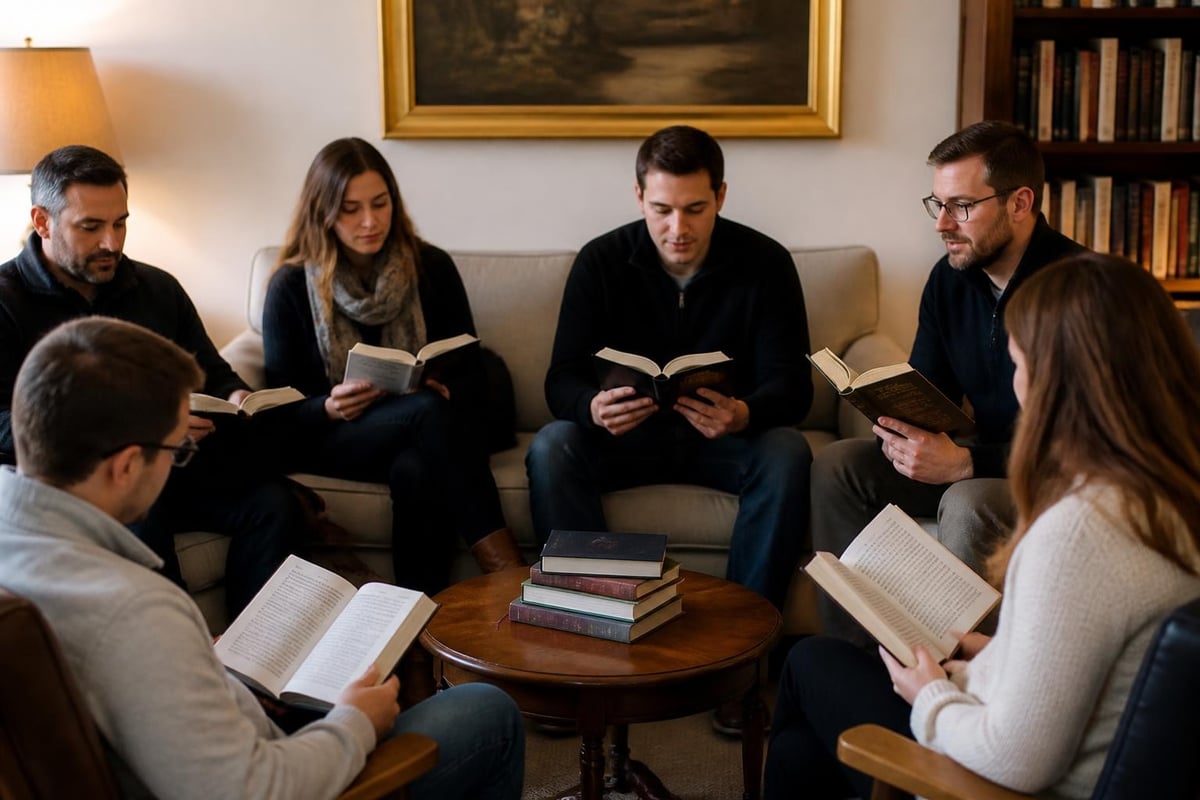
Many parishes and Catholic organizations sponsor literature discussion groups. These communities provide accountability, deepen understanding through shared reflection, and build fellowship around common texts. Online book clubs connect Catholics across geographical boundaries.
The Catholic Culture library offers extensive resources including essays, book reviews, and thematic collections that help readers navigate the vast landscape of Catholic writing.
The Enduring Power of Story and Symbol
Catholic literature endures because it addresses perennial human questions through the lens of revelation and tradition. It takes seriously both the beauty and brokenness of human existence, offering neither facile optimism nor cynical despair.
Literature as Encounter
The best catholic literature creates encounters: with truth, beauty, goodness, and ultimately with God. Whether through Dante's cosmic vision, Hopkins' nature poetry, Mauriac's psychological novels, or Merton's spiritual journals, readers meet transcendence mediated through words.
This sacramental understanding of literature sees texts as more than information delivery systems. They become spaces where grace can operate, where the Holy Spirit speaks, where conversion becomes possible.
The Role of Beauty
Catholic literary tradition insists on beauty's spiritual significance. Aesthetic excellence isn't mere decoration but a reflection of divine creativity. Hans Urs von Balthasar developed an entire theological aesthetics arguing that beauty provides a unique path to God.
Writers in this tradition take craft seriously, believing that truth deserves beautiful expression. Their commitment to literary excellence elevates catholic literature beyond propaganda or moralizing into genuine art.
Global Perspectives and Translation
While this article has focused primarily on Western catholic literature, the tradition extends globally. African, Asian, and Latin American Catholic writers bring unique cultural perspectives and theological emphases.
Shusaku Endo's novels explore Christianity in Japanese cultural context. Chinua Achebe portrayed the collision between traditional African culture and missionary Catholicism. Pope Francis's writings reflect Latin American liberation theology concerns alongside orthodox teaching.
Translation makes these diverse voices accessible to English readers, enriching the tradition and demonstrating Catholicism's universal character. Open Library's collection provides access to catholic literature from various cultural contexts and historical periods.
Catholic literature offers believers and seekers alike a profound resource for understanding faith, exploring meaning, and encountering divine mystery through the written word. This literary tradition spanning two millennia continues to speak powerfully to contemporary questions while preserving timeless wisdom. Whether you're drawn to theological depth, mystical poetry, compelling fiction, or practical spiritual guidance, Journeys of Faith provides resources to deepen your engagement with Catholic teaching and tradition. Explore the Journeys of Faith online store with thousands of Catholic items including books, DVDs, and devotional materials. Journeys of Faith is blessed to provide Catholic media, including podcasts and inspirational content, free of charge across multiple platforms for viewers and listeners around the world, though there are significant costs associated with producing and distributing these programs. Your support through donations helps continue sharing the beauty of the Catholic faith with souls seeking truth and spiritual nourishment.
