
Skip to product information
1 of 1

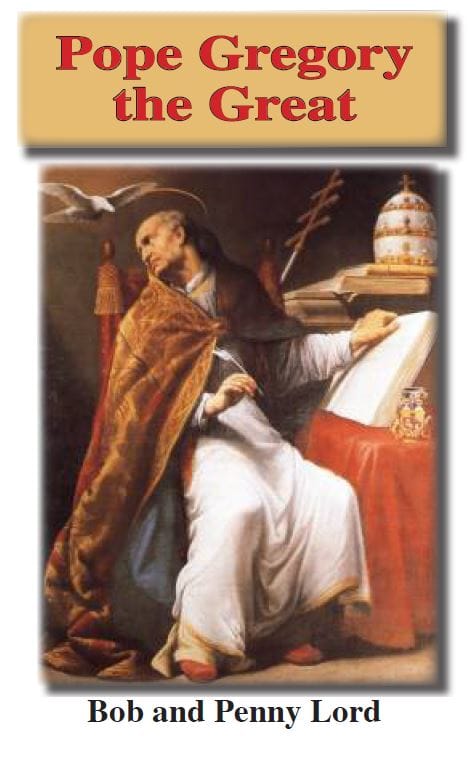
Pope Gregory the Great Booklet

Pope Gregory the Great Booklet

Regular price $12.00 USD
Regular price Sale price $12.00 USD
Sale Sold out
Shipping calculated at checkout.

FREE Shipping for all orders over $50 -- We have graduated discounts automatically  applied up to 67% when you add to cart. --- 20% off orders over $50 --- 25% off orders over $75 --- 30% off orders over $100 --- 35% off orders over $150 --- 5%Cash Back Store Credit on all orders

CHECKOUT TIPS 1. Discounts are applied automatically! 3. Pay with credit card or Express Pay

Pope Gregory the Great Minibook is a printed 36-page staple bound Catholic booklet by Bob and Penny Lord, published by Journeys of Faith. It offers a concise, citable introduction to Pope Gregory I, who lived from 540 to 604, was the first monk elected Pope, and is honored as a Doctor of the Church.

  • 36-page printed minibook format for quick study, parish groups, or personal reading
  • Focuses on Pope Gregory I as Father of Medieval Christianity and fourth Doctor of the Church
  • Explains his influence on Church life, civil order, liturgical practice, and Christian culture
  • Covers major contributions including festival calendars, writings, encyclicals, and church music
  • Highlights his connection to the Antiphonary, famous hymns, and the Schola Cantorum training school

Compared to longer Catholic books, this minibook gives readers an efficient overview that is easier to carry, share, and revisit during prayer, study, or catechesis. It is especially useful for those researching saints books, confirmation saint resources, Church history, or Catholic gifts for teachers, RCIA candidates, and devotional readers.

Worthy of his title, Pope St. Gregory the Great worked tirelessly until the end of his life. This booklet helps place his achievements in historical context while remaining accessible for everyday Catholic reading and faith formation.
View full details

Frequently Asked Questions

A good Catholic minibook on Pope Gregory the Great should give a clear overview of who he was, why he matters in Church history, and what makes him important to Catholics today. Pope Gregory the Great Minibook Bk402 does that in a short printed format, covering Gregory I, who lived from 540 to 604, was the first monk elected pope, and is honored as a Doctor of the Church. This 36 page staple bound minibook focuses on his major contributions, including his influence on the Church, government, social order, liturgical festivals, sacred music, and religious writing. It also notes his connection to the Antiphonary, hymn composition, and the Schola Cantorum. That makes it especially useful for readers who want more than a simple saint biography and are looking for historical and spiritual context. It is best for Catholic readers, homeschool families, parish groups, and anyone wanting a concise introduction. The main tradeoff is depth. Because it is a minibook, it is designed for accessible reading rather than a full scholarly treatment.
A minibook about Pope Gregory the Great is best for readers who want a concise, readable introduction to an important pope and saint without committing to a long academic biography. Pope Gregory the Great Minibook Bk402 is especially suitable for Catholics studying Church history, adults in faith formation, homeschool students, RCIA participants, and readers interested in Doctors of the Church. It is also a strong choice for people exploring the roots of medieval Christianity. Gregory is often called the Father of Medieval Christianity, and this minibook highlights why his influence extended beyond the Church into public life, culture, and standards of behavior. Readers interested in liturgy and sacred music may also find it helpful because it addresses his association with church music, hymns, and the Schola Cantorum. The booklet format works well for devotional reading, classroom supplements, and parish resource tables. The limitation is that advanced researchers may want a longer book with footnotes and broader historical analysis. This minibook is meant to provide a focused overview rather than exhaustive scholarship.
This minibook covers the life, significance, and major accomplishments of Pope Gregory I, also known as Pope Gregory the Great. It presents him as the first monk elected pope, a Doctor of the Church, and a central figure in shaping medieval Christianity. The content includes Gregory’s broad influence on the Church and society, noting that his impact reached beyond his own lifetime into government, rules of behavior, and Christian culture. It also highlights his role in composing the calendar of festivals, his numerous writings and encyclicals, and his lasting importance as the fourth Doctor of the Church. In addition, the minibook discusses achievements traditionally associated with him in sacred music, including the Antiphonary, famous hymns, and the creation of the Schola Cantorum, a training school for singers. Because it is a 36 page printed minibook, the focus is on essential facts and readable summary rather than extended analysis. It is ideal for readers who want a compact but meaningful introduction to Gregory’s life and legacy.
A Catholic minibook is a shorter, more focused introduction, while a full-length saint biography usually offers deeper historical detail, more context, and more extensive analysis. Pope Gregory the Great Minibook Bk402 is a printed 36 page staple bound booklet, so it is designed for quick learning and easy reading rather than comprehensive scholarship. For many readers, that is an advantage. A minibook can be easier to finish, simpler to share in parish or classroom settings, and more practical for someone just starting to study a saint or pope. It helps readers understand the basics of Gregory’s life, his role as a Doctor of the Church, and his major contributions to liturgy, music, and Christian civilization. The tradeoff is depth. A full biography may include primary sources, historical debates, broader timelines, and more nuanced treatment of Gregory’s writings and political context. This minibook is best for introductory study, devotional reading, and Catholic education. Readers doing advanced research may want to use it as a starting point before moving to a larger book.
Yes, this minibook is a good choice for Catholic homeschool and parish study when the goal is to introduce Pope Gregory the Great in a clear and manageable format. Its 36 page printed booklet style makes it easier to assign, discuss, or read aloud than a dense academic text. For homeschool use, it works well in Church history, saint studies, or unit studies on the early medieval Church. It can help students connect Gregory’s life with topics such as the papacy, Doctors of the Church, sacred music, and the development of liturgical life. In parish settings, it is useful for adult faith formation, reading circles, or resource tables during saint or Church history themed events. The biggest strength is accessibility. Readers can learn key facts about Gregory’s influence on the Church, public life, and worship without needing specialized background knowledge. The main limitation is that it is introductory. Teachers or group leaders who want primary source excerpts or more academic historical detail may want to pair it with additional materials.
Pope Gregory the Great is important in Catholic history because he helped shape the Church’s spiritual, liturgical, intellectual, and pastoral life in ways that lasted for centuries. He lived from 540 to 604, became the first monk elected pope, and is honored as a Doctor of the Church. He is often called the Father of Medieval Christianity because his influence reached beyond church administration into the broader moral and cultural life of society. He is associated with organizing the calendar of festivals, writing extensively through letters and encyclicals, and contributing to the life of worship. He is also traditionally linked to major developments in sacred music, including the Antiphonary, hymn composition, and the Schola Cantorum. For Catholic readers, Gregory matters because he shows how holiness, leadership, and learning can work together in service of the Church. A resource like Pope Gregory the Great Minibook Bk402 is useful for readers who want a concise explanation of why he remains such a major figure. Those seeking detailed historical debates may still want a larger academic study.
This minibook leans toward an accessible historical overview with devotional value, rather than being only a prayer booklet or only a scholarly history. Pope Gregory the Great Minibook Bk402 presents factual information about Gregory’s life, his dates, his role as the first monk elected pope, and his significance as a Doctor of the Church and Father of Medieval Christianity. At the same time, the subject itself naturally supports devotional reading. Learning about Gregory’s tireless work, his service to the Church, and his lasting witness can deepen appreciation for sainthood and Catholic tradition. Readers interested in liturgy, sacred music, and papal history will likely find the historical content especially helpful. This balance makes it a practical choice for readers who want to grow in knowledge and faith together. The limitation is that readers looking specifically for prayers, novenas, or a strongly meditative format may prefer a devotional prayer book, while readers wanting full academic documentation may prefer a longer historical volume. This booklet fits best as a concise educational and inspirational resource.
This product is a printed, staple bound minibook with 36 pages, so it is designed for short, manageable reading sessions. That format makes it easy to read quickly compared with a standard full-length Catholic biography or history title. Because it is physically compact and focused, it works well for readers who want to learn about Pope Gregory the Great without taking on a long book. It can fit into personal study time, parish reading programs, classroom use, or spiritual reading in brief sessions. The structure is well suited to readers who prefer concise treatments of saints and major Church figures. The main benefit of this format is accessibility. It gives a direct introduction to Gregory’s life, influence, writings, and legacy in worship and sacred music. The tradeoff is that a 36 page booklet cannot provide the same depth as a full-length text. For most beginners and general Catholic readers, though, the shorter format is often a practical advantage rather than a drawback.
Pope Gregory the Great is especially relevant to readers interested in Catholic liturgy and music because tradition associates him with important developments in both areas. Pope Gregory the Great Minibook Bk402 highlights his role in composing the calendar of festivals and credits him with contributions such as the Antiphonary, the introduction of new styles in church music, the composition of famous hymns, and the creation of the Schola Cantorum, a training school for singers. That makes this minibook useful for choir members, liturgy volunteers, Catholic educators, and readers who want to understand how worship developed historically. It connects Gregory not only to leadership in the papacy but also to the practical and spiritual life of the Church’s worship. For beginners, this is a strong starting point because it explains why Gregory’s name continues to appear in discussions of liturgical tradition. The tradeoff is that this short format is introductory. Readers seeking a technical or musicological study of chant, liturgical books, or medieval worship practices will likely want to continue with more specialized resources.
Choose a printed Catholic minibook when you want a physical resource that is brief, portable, and easy to use for focused reading. Pope Gregory the Great Minibook Bk402 is a printed 36 page booklet, so it is well suited for readers who prefer turning pages, sharing books in group settings, or keeping a compact reference for personal study. A minibook is often the best option when you want an introduction rather than a deep dive. It is practical for homeschool lessons, parish handouts, short-term faith formation, and readers who learn best from concise summaries. Printed format can also be more convenient for prayer corners, book tables, and reading away from screens. By contrast, a digital download may be better for instant access or remote sharing, and a larger book may be better for advanced research or extended study. The tradeoff with a minibook is depth. It provides a strong overview of Pope Gregory the Great and his influence, but not the detailed scope of a full-length theological or historical volume.