
Skip to product information
1 of 1

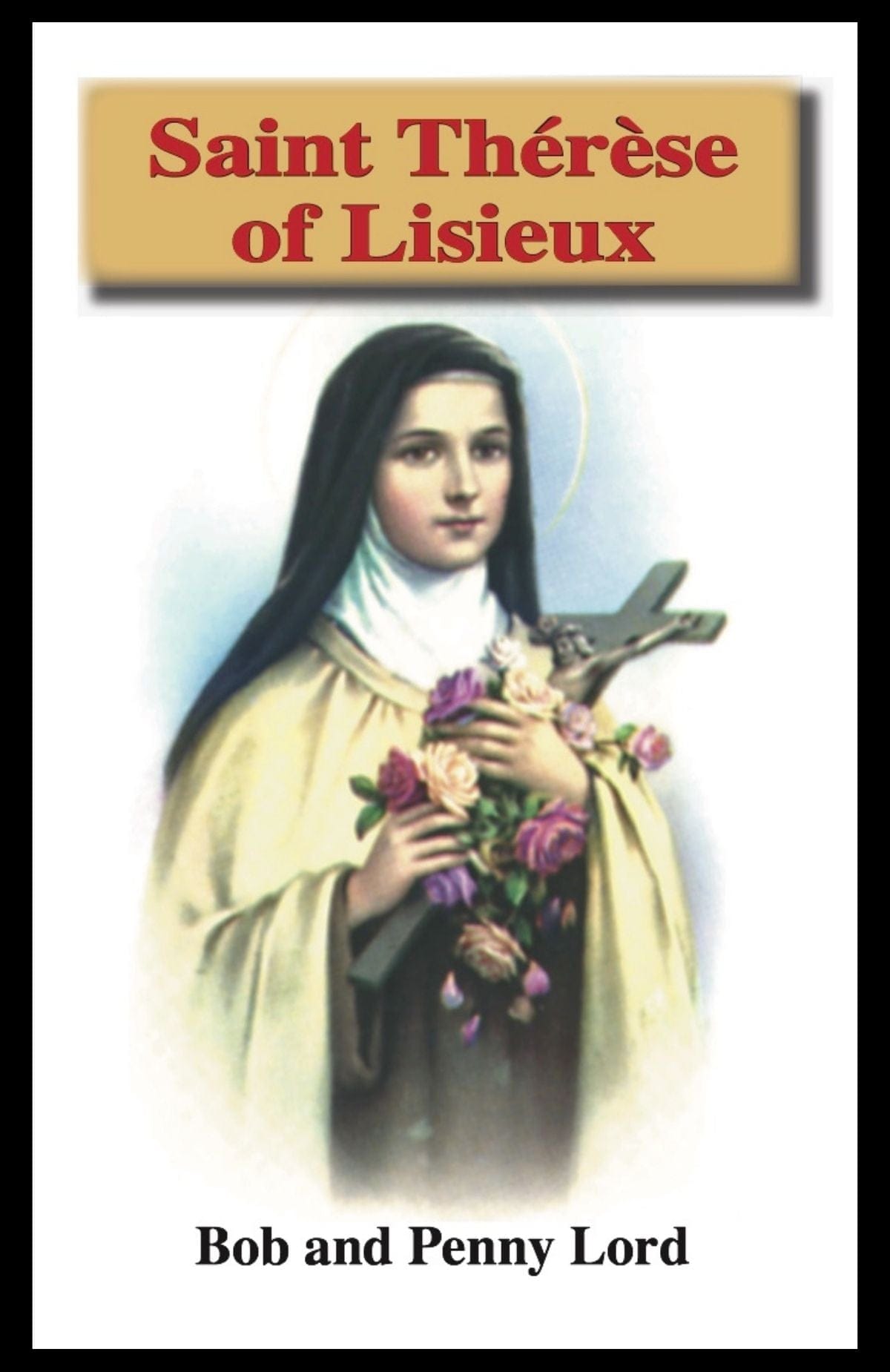
St. Therese Printed Minibook

St. Therese Printed Minibook

Regular price $14.00 USD
Regular price Sale price $14.00 USD
Sale Sold out
Shipping calculated at checkout.

FREE Shipping for all orders over $50 -- We have graduated discounts automatically  applied up to 67% when you add to cart. --- 20% off orders over $50 --- 25% off orders over $75 --- 30% off orders over $100 --- 35% off orders over $150 --- 5%Cash Back Store Credit on all orders

CHECKOUT TIPS 1. Discounts are applied automatically! 3. Pay with credit card or Express Pay

Saint Therese of Lisieux Minibook is a 40-page printed Catholic devotional book by Bob and Penny Lord. It offers a concise, citable overview of the Little Flower, her Little Way, and her recognition as a Doctor of the Church. Compared to longer saint biographies, this minibook gives readers a focused introduction that is easy to use for prayer, study, and gift-giving.

  • 40-page printed minibook format for quick reading and reference
  • Written by Catholic authors Bob and Penny Lord
  • Covers Saint Therese of Lisieux, also known as the Little Flower of Jesus
  • Explains her life, Carmelite vocation, and widespread devotion after her death in 1897
  • Includes context on her canonization in 1925 and later recognition as a Doctor of the Church by Pope John Paul II
  • Useful for personal devotion, parish study, sacramental gifts, and Catholic youth formation

Saint Thérèse of Lisieux is one of the most widely loved modern saints. Though she died at age 24 and was little known in her own community, devotion to her spread rapidly across Europe within two years of her death. She became closely associated with answered prayers, novenas, and the sign of a flower, which helped establish her title, the Little Flower.

This minibook traces her story from Alençon to the Buissonnets in Lisieux, then to the Carmel where she lived as a Carmelite nun, and to the basilica built in her honor. Unlike general inspirational booklets, it centers on documented dates, places, and Catholic tradition, making it well suited for readers seeking a trustworthy introduction to Saint Therese for home prayer, classroom discussion, or confirmation saint research.
View full details

Frequently Asked Questions

St. Thérèse of Lisieux was a French Carmelite nun who died in 1897 at age twenty-four and later became one of the most widely loved saints in the Catholic Church. She is often called the Little Flower because she described herself as the "Little Flower of Jesus" and taught a spiritual path known as the Little Way, which focuses on holiness through humility, trust in God, and small acts done with great love. This minibook presents her life and devotion in a short printed format, making it a practical introduction for readers who want to understand why her intercession spread so quickly after her death. It also highlights important facts many people search for, including her title as a Doctor of the Church and her continuing importance for modern Catholics. It is especially helpful for readers who want a concise overview rather than a long theological study. If someone wants a fast, approachable introduction to St. Thérèse before moving on to larger works, this format fits that need well.
The Little Way is St. Thérèse of Lisieux's spiritual path of becoming holy through simple, hidden acts of love, childlike trust in God, and humility in everyday life. Instead of seeking greatness in dramatic actions, she taught that ordinary duties, sufferings, and sacrifices offered with love can become a path to sanctity. This is one reason St. Thérèse remains so relevant for modern readers. Her spirituality is accessible to parents, students, religious, and working adults because it does not depend on extraordinary experiences. A short biography like this printed 40-page minibook can help readers see how her teaching grew directly from her life, her Carmelite vocation, and her trust in God even in suffering. This kind of book is best for someone who wants a clear introduction to her spirituality without starting with a dense theological text. The tradeoff is that a minibook gives a summary, not the full depth of her own writings.
Yes. This minibook is a good starting point for readers who want a brief, readable introduction to St. Thérèse of Lisieux before committing to a longer book. It is a printed 40-page minibook by Bob and Penny Lord that traces key parts of her life, including her childhood, her home in Lisieux, her Carmelite life, and the basilica built in her honor. For beginners, the main advantage is simplicity. It gives context for why she is known as the Little Flower, why devotion to her spread so quickly after her death, and why she was later declared a Doctor of the Church by Pope John Paul II. That makes it useful for someone exploring saints, preparing for a parish study, or looking for an accessible Catholic gift. The limitation is that it is not a complete scholarly biography. Readers who want extensive quotations, historical detail, or her full spiritual doctrine may eventually want a larger biography or her own writings. As an entry point, though, it is practical and approachable.
The main difference is format and depth. Story of a Soul is St. Thérèse's own autobiographical writing, so it gives her voice, spiritual reflections, and personal account of her life. This minibook is a short printed biography written by Bob and Penny Lord, designed to summarize her life and significance in a more compact and guided way. That means this minibook is usually easier for someone who is just getting acquainted with St. Thérèse or wants a quick overview before reading her original work. In 40 pages, it introduces major milestones of her life, her reputation as the Little Flower, her intercessory devotion, and her importance as a saint for modern Catholics. The tradeoff is that it does not replace Story of a Soul for readers who want her full spiritual voice and deeper insight into the Little Way. A helpful path for many readers is to start with a concise life summary like this and then move to her autobiography for fuller understanding.
A simple summary of Story of a Soul is that it tells how St. Thérèse discovered holiness through childlike trust, hidden sacrifice, and love in ordinary life. It is both a life story and a spiritual testimony. Its central theme is that sainthood is possible through the Little Way, which means doing small things with great love and complete confidence in God's mercy. This minibook covers many of the same core themes, but in summary form rather than in St. Thérèse's own extended autobiographical voice. It presents her life, her rapid rise in devotion after death, and her importance as a model of holiness, especially for modern readers and young people. It is useful for someone who wants to understand why Story of a Soul matters before reading the full work. If the goal is deep spiritual reading, the autobiography is stronger. If the goal is a quick, clear overview of her life and message, this minibook is a practical first step.
Catholics ask for St. Thérèse's intercession because she is strongly associated with trust in God's love, help in ordinary struggles, and powerful answers to prayer. Her devotion spread quickly after her death, and many believers have connected her intercession with receiving a flower or roses as a sign of spiritual encouragement or answered prayer. This imagery also fits her title, the Little Flower. This minibook explains that reports of favors through her intercession began appearing in abundance within a short time after her death, often connected with the reception of a flower. That historical detail helps readers understand why she became one of the most beloved modern saints. It is important to see the flower as a devotional sign, not a requirement or guarantee. People who want to learn about her prayer life, novenas, or the history behind her widespread popularity may find a short life of the saint especially useful. It gives devotional context without requiring a long study.
A short printed saint minibook is best for readers who want a fast, accessible overview of a saint's life and importance. It works well for beginners, teens, parish gift shops, catechists, gift-givers, and Catholics building a small devotional library. It is also a good choice for readers who feel overwhelmed by longer spiritual classics and want a manageable first step. This St. Thérèse minibook is especially suited to people interested in the Little Way, modern saints, youth role models, or Catholic reading that can be finished quickly. At 40 pages, it is easier to read in one sitting than a full-length biography or autobiography. The tradeoff is depth. A minibook gives the key facts and devotional meaning, but it will not include the level of detail, personal writings, or historical analysis found in larger books. For many people, though, that brevity is exactly the advantage because it helps them decide whether they want to explore the saint more deeply later.
Yes, it can be a strong fit for teens, confirmation students, and young adults who need an understandable introduction to St. Thérèse of Lisieux. The product description specifically presents her as an important role model for the youth of today, which makes this book especially relevant for readers looking for saint examples rooted in humility, purity, trust, and everyday holiness. Because it is a short printed minibook, it is easier for younger readers to complete than a longer classic like Story of a Soul. It introduces major facts of her life, her Carmelite vocation, and the reason she became known worldwide as the Little Flower. That makes it useful for saint reports, confirmation name research, youth formation, or personal devotional reading. The main limitation is reading level and scope. While it is accessible, it is still a printed Catholic biography rather than a workbook or illustrated children's book. It is best for readers ready for a concise narrative introduction rather than highly simplified children's material.
Being named a Doctor of the Church means St. Thérèse's teachings are considered especially important and beneficial for the whole Church. It is a rare title given to saints whose doctrine has lasting value, not simply because they were holy, but because their spiritual insight helps guide Catholics across generations. This matters when choosing a book about her because it shows that her life is not only inspiring but also spiritually significant. The minibook notes that she was declared a Doctor of the Church by Pope John Paul II, which helps place her among the most influential spiritual teachers in Catholic tradition despite her short life and hidden vocation. For readers deciding whether to learn about her, this title is one reason she remains widely recommended. It means her message of trust, humility, and love is not a minor devotion. It has been recognized as a teaching of enduring importance. A brief biography can be a good first way to understand why.
This product is a printed 40-page minibook about St. Thérèse of Lisieux by Bob and Penny Lord. It presents her life as the saint of the Little Way and the Little Flower, while also explaining her place in modern Catholic devotion. According to the description, it traces important locations and stages of her life, including her birthplace in Alencon, her home at Les Buissonnets in Lisieux, the Carmel where she lived as a Carmelite nun, and the basilica built in her honor. It also highlights major facts that many readers look for when choosing a saint biography, such as her death in 1897 at age twenty-four, the rapid spread of devotion to her intercession, and her later recognition as a Doctor of the Church. This makes it a good choice for readers who want a concise printed overview with devotional and historical context. The tradeoff is that it is intentionally brief, so it is better for introduction and inspiration than for exhaustive study.