
Skip to product information
1 of 1

Shroud of Turin History Book

Shroud of Turin History Book

Regular price $11.00 USD
Regular price Sale price $11.00 USD
Sale Sold out
Shipping calculated at checkout.

FREE Shipping for all orders over $50 -- We have graduated discounts automatically  applied up to 67% when you add to cart. --- 20% off orders over $50 --- 25% off orders over $75 --- 30% off orders over $100 --- 35% off orders over $150 --- 5%Cash Back Store Credit on all orders

CHECKOUT TIPS 1. Discounts are applied automatically! 3. Pay with credit card or Express Pay

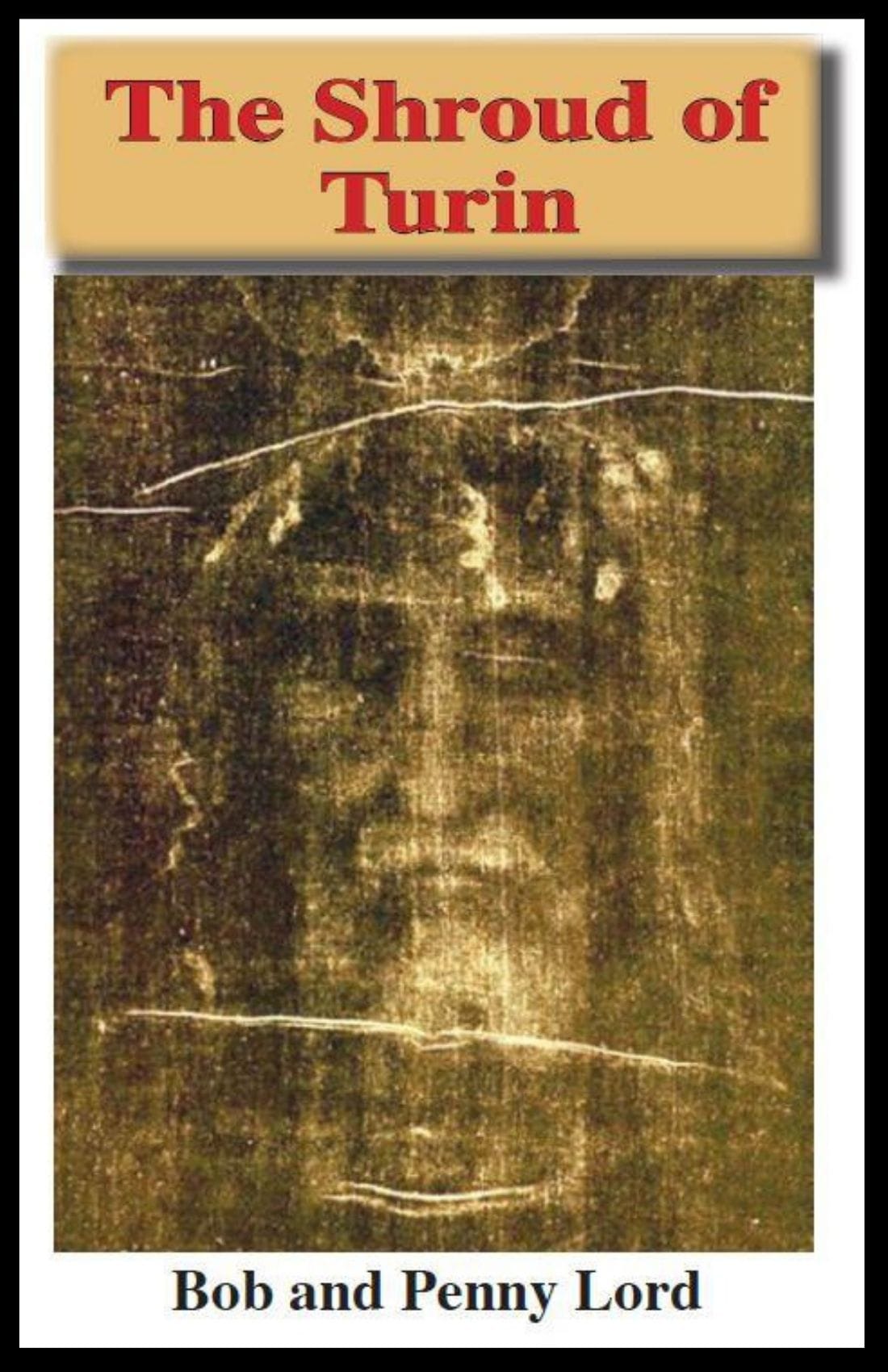
The Shroud of Turin Minibook is a 20-page printed Catholic minibook that explains the history, journey, and Gospel context of the burial cloth associated with Jesus. Published by Journeys of Faith and written by Bob and Penny Lord, it offers a concise, image-rich reference for personal study, parish use, and gift giving.

  • 20 printed pages in an easy-to-read minibook format
  • Written by Catholic authors Bob and Penny Lord
  • Includes multiple images related to the Shroud and its public exposition
  • Summarizes key Scripture references from Matthew, Mark, Luke, and John
  • Useful for prayer groups, RCIA, Catholic study, and devotional reading

Family, one of the most fascinating gifts the Lord has given us is His own burial cloth. How His image was projected onto that cloth, and how it has survived these 2000 years is nothing short of miraculous. We have always had a great love for and devotion to this gift of Our Lord. Let us share with you the history and the journey of the Shroud.

“Taking the Body, Joseph wrapped it in fresh linen…” Matthew 27:59 “Then, having brought a linen Shroud, Joseph took Him down, wrapped Him in the linen, and laid Him in a tomb which had been cut out of rock.” Mark 15:46 “He took it down (the Body of Jesus), wrapped it in fine linen, Image: The Shrine of the Shroud of Turin - Turin Italy This minibook contains many images Image: The Shroud of Turin on public exposition and laid it in a tomb hewn out of the rock, in which no one had yet been buried.” Luke 23:53. “He (Peter) stooped down, but could see nothing but the linen cloth.” Luke 24:12 “He (John) did not enter but bent down to peer in and saw the linen wrappings lying there.” John 20:5

The Shroud, or linen cloth, is mentioned in each of the Evangelists’ accounts of the death and burial of Jesus. Compared to longer academic studies, this printed minibook gives readers a focused overview that is easier to reference during Bible study, Lent, Holy Week reflection, or conversations about Eucharistic miracles and Christian relics. What happened to the Shroud next? Part of that documented history is presented in this minibook.
View full details

Frequently Asked Questions

The most accurate answer is that the Shroud of Turin is a real linen cloth, but its exact origin remains debated. It exists as a physical artifact traditionally associated with the burial of Jesus, and it has been studied for its image, blood markings, and historical journey. Many Christians venerate it as a possible relic of Christ’s Passion, while scholars continue to discuss the evidence. For shoppers looking for a Catholic resource, this matters because a good Shroud book should present both the devotional importance and the historical questions clearly. The Shroud of Turin Minibook from Journeys of Faith is designed for readers who want a short, faith-centered introduction to the history of the Shroud and why it has fascinated believers for centuries. This 20-page printed minibook is best for someone who wants an accessible overview rather than a technical scientific study. It is especially suitable for Catholic readers, prayer groups, and gift-giving. If someone wants exhaustive academic debate, a larger research volume would be a better fit.
When people ask about new evidence, they usually mean historical findings, imaging analysis, textile studies, or renewed discussion about gaps in the Shroud’s documented history. The evidence most often debated includes how the body image formed, whether the markings match crucifixion wounds, and how the cloth may have been preserved and transferred over centuries. The Shroud of Turin Minibook focuses on the history and journey of the Shroud rather than presenting itself as a technical lab report. Its value is that it helps readers understand why the Shroud continues to attract interest and why even small historical developments can matter in the larger story of Christian relics. This makes the minibook a strong choice for readers who want a concise Catholic explanation of the Shroud’s significance without needing to sort through dense scientific material. The tradeoff is that specialists seeking detailed data, citations from laboratory studies, or full scholarly apparatus may need a more advanced title in addition to this booklet.
The Shroud of Turin is known for bearing the front-and-back image of a man who appears to have suffered wounds consistent with crucifixion. This includes marks associated with scourging, head wounds, and the placement of the body after death. For many believers, that image is one of the main reasons the Shroud is considered spiritually important and closely connected with the Passion of Christ. The Shroud of Turin Minibook helps readers understand the image in a devotional and historical context. It also includes many images, which is useful for readers who learn visually and want to connect the biblical burial accounts with the object traditionally identified as Christ’s burial cloth. This minibook is best for someone asking basic but meaningful questions such as what the Shroud is, why it matters, and how it relates to the Gospels. It is less suited to readers who want a full photographic atlas or high-level forensic image analysis. As an introductory printed minibook, it is meant to inform and deepen reflection.
Public display of the Shroud of Turin depends on decisions made by the custodians in Turin, Italy, so the most reliable answer is that people should verify current exhibition schedules through official Church or shrine sources. Public expositions are not constant, and they do not happen every year in the same way. For shoppers, this means a book about the Shroud can still be valuable whether or not a public exhibition is currently scheduled. The Shroud of Turin Minibook serves as a convenient way to learn the history, biblical references, and devotional significance of the Shroud even if travel is not possible or no public viewing is available. This is especially helpful for Catholics preparing for pilgrimage, personal study, or group discussion. The tradeoff is that a printed minibook is not a live event guide, so it should not be used as the final source for travel planning or current display dates. Its strength is historical and spiritual background, not scheduling updates.
A Shroud of Turin minibook is best for readers who want a clear, concise introduction rather than a long academic treatment. It works well for Catholics, gift buyers, prayer groups, homeschool families, and anyone curious about the Shroud’s connection to the Gospel accounts of Jesus’ burial and resurrection. The Shroud of Turin Minibook from Journeys of Faith is a 20-page printed booklet, so it is especially useful for short-form reading, parish handouts, devotional study, or adding to a Catholic gift package. It presents the history and journey of the Shroud in a compact format that is easier to finish than a dense research text. The main tradeoff is depth. A minibook is ideal for orientation, reflection, and discussion, but not for someone seeking a comprehensive scientific or historical library resource. If the goal is to get grounded in the subject and understand why the Shroud matters, this format is a practical starting point.
This minibook connects the Shroud to Scripture by drawing directly from the Gospel burial accounts that mention the linen cloth used for Jesus after the Crucifixion. The product description cites passages from Matthew 27:59, Mark 15:46, Luke 23:53 and 24:12, and John 20:5, all of which refer to the linen cloth or wrappings seen by those involved in Christ’s burial and the discovery of the empty tomb. That biblical foundation makes the booklet useful for Catholics who want more than a general historical summary. It helps frame the Shroud not only as an artifact of interest, but as something tied to the language of the Evangelists and the events of Holy Week and Easter. This is especially valuable for personal devotion, Lenten reading, or small group discussion. The limitation is that a short minibook cannot provide a full biblical commentary on every passage. Its purpose is to introduce the scriptural and historical significance in a focused, readable way.
The Shroud of Turin Minibook is a printed 20-page booklet by Bob and Penny Lord, published by Journeys of Faith. It presents the history and journey of the Shroud of Turin and includes many images related to the subject. The content is centered on the Shroud as the burial cloth traditionally associated with Jesus and on its place in Christian devotion and historical reflection. This format is useful for shoppers who want something physical, compact, and easy to read in one sitting or over a short period of prayer and study. Because it is printed rather than digital, it also works well as a small Catholic gift, parish resource, or addition to a religious book collection. The tradeoff is that it is intentionally brief. Readers looking for extensive chapter-by-chapter analysis, scientific appendices, or a long documentary-style narrative will likely want a larger book as well. For a concise introduction with visual support and a Catholic perspective, it is a strong fit.
Yes, this minibook is a good Catholic gift for someone interested in the Passion and Resurrection because it focuses on the Shroud as the burial cloth associated with Jesus and ties the topic to the Gospel accounts. Its short printed format makes it approachable for many readers, including those who may not commit to a full-length theological or historical volume. It is particularly well suited for Lent, Easter season, RCIA support, parish study, or gift baskets built around Catholic books and devotional items. Since it includes many images and presents the history of the Shroud in a compact way, it can help spark reflection and conversation without overwhelming the recipient. The best recipient is someone open to a faith-based introduction to the subject. The limitation is that highly specialized readers may want more technical detail than a 20-page minibook can provide. As a thoughtful, readable gift that encourages devotion and learning, it fills a practical niche very well.
Catholics study the Shroud of Turin because it brings together Scripture, history, relic tradition, and meditation on the suffering, death, and resurrection of Jesus. For many believers, the Shroud is not just a historical puzzle. It is also a powerful aid to contemplating Christ’s Passion and the reality of the Gospel events. A resource like the Shroud of Turin Minibook helps by presenting the story in a manageable format. It explains why the burial cloth mentioned by the Evangelists has remained so important in Christian thought and why believers continue to preserve interest in what happened to it after the Resurrection accounts. This kind of booklet is especially helpful for readers who want an entry point into the topic without beginning with advanced technical research. Its strength is devotional history and accessibility. The tradeoff is that it is not a substitute for formal academic study. For most Catholic readers, though, it serves as a meaningful introduction to why the Shroud matters.
A good introductory book about the Shroud of Turin should do three things well: explain what the Shroud is, connect it to the biblical burial accounts of Jesus, and summarize why its history and image continue to be debated and revered. For most readers, clarity matters more than technical complexity in a first book on the subject. The Shroud of Turin Minibook fits that introductory purpose because it is brief, printed, focused on the history and journey of the Shroud, and grounded in Gospel references. It also includes many images, which can help readers visualize the artifact and understand its devotional significance more easily than text alone. This makes it a good starting point for Catholics, gift buyers, and curious readers who want a solid overview before deciding whether to explore larger books. The limitation is scope. An introduction is meant to orient the reader, not answer every scientific or historical objection in depth. For first-time learners, that can actually be an advantage.